
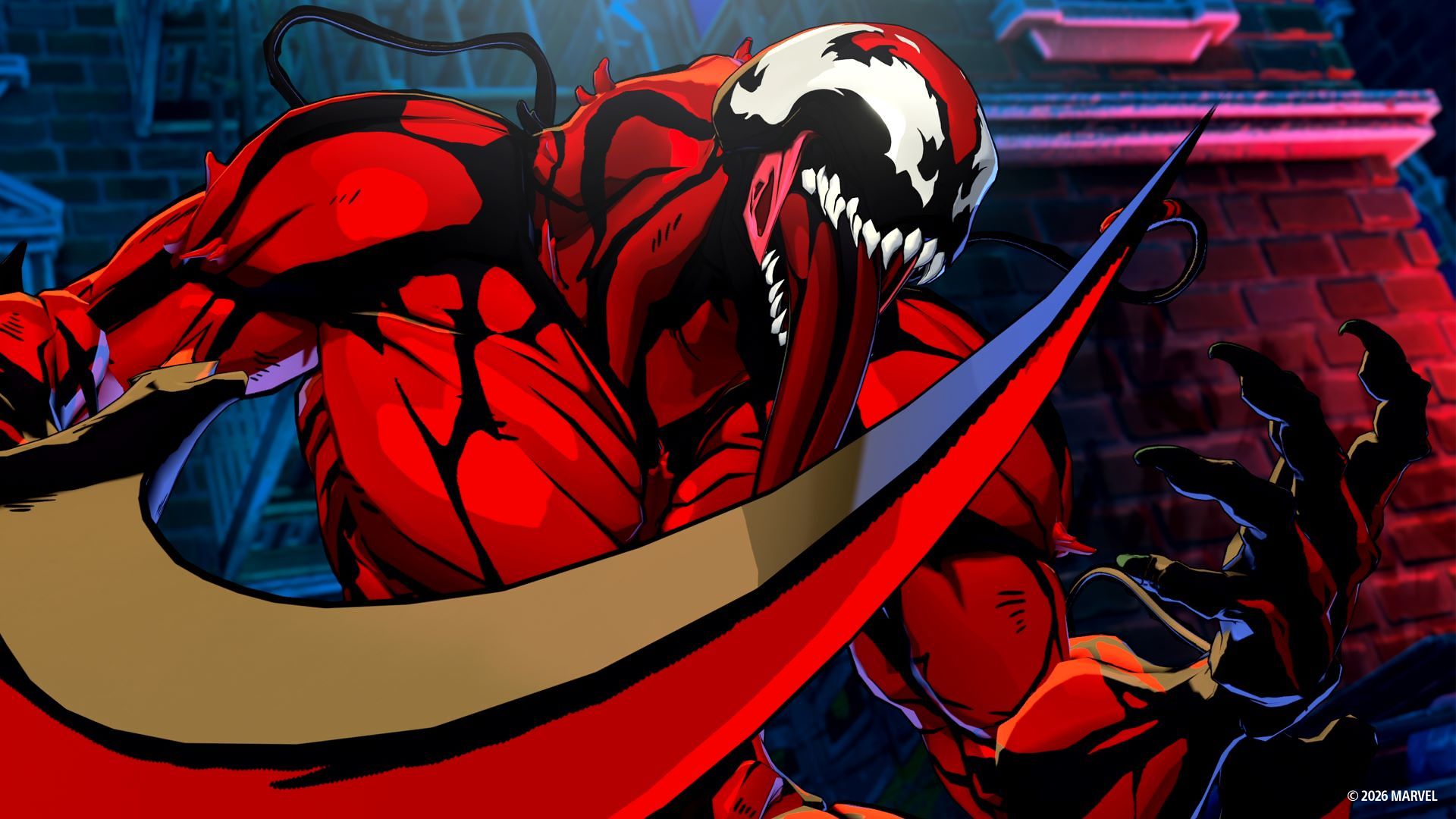

Hulk’s Marvel Tokon character guide frames him as an armored big-body built around Gamma Gauge, Gamma Rage, anti-projectile tools, and close-range terror.
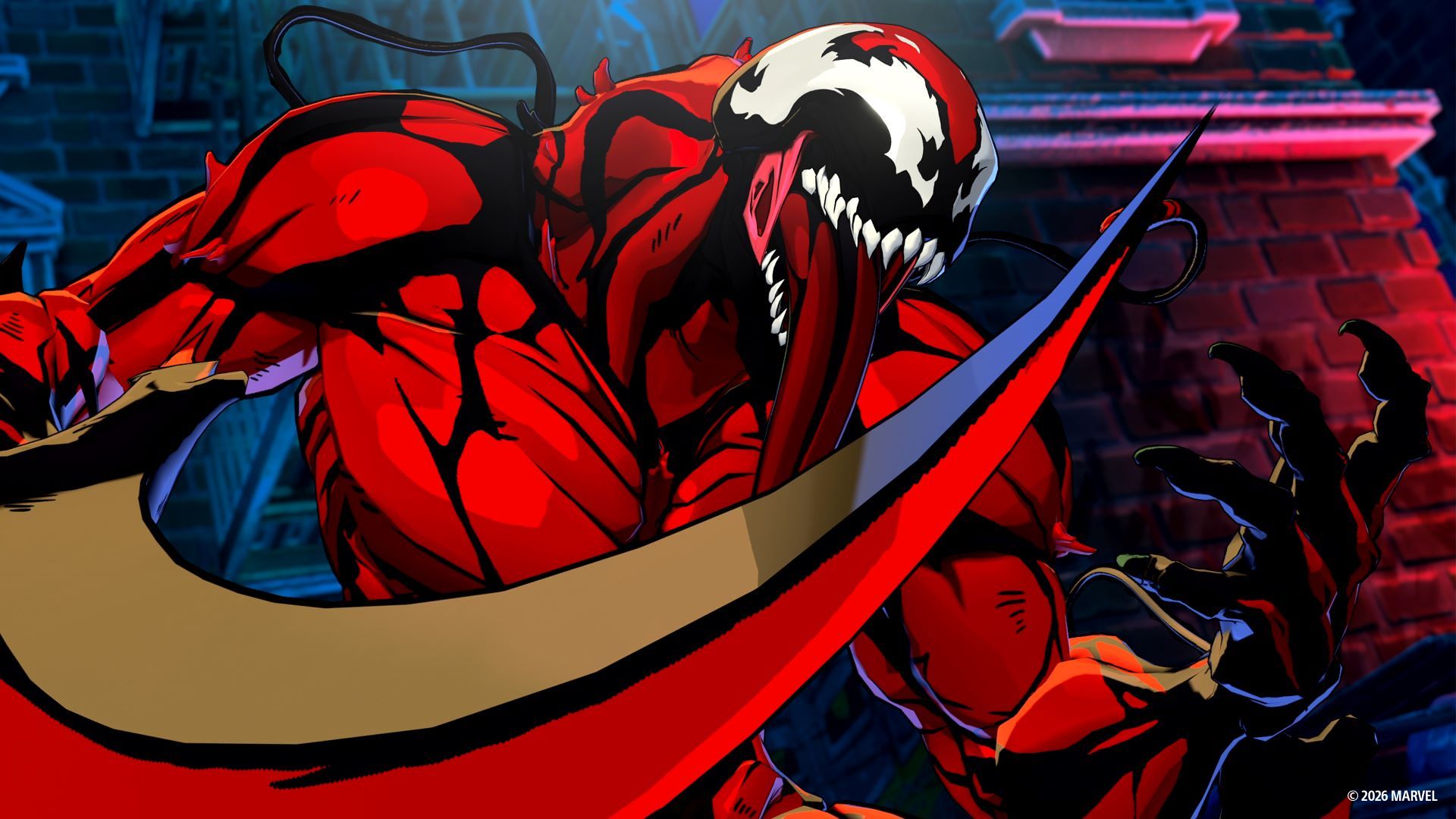
Image: fightersgeneration.com
Hulk’s guide finally explains the big-body game plan
Arc System Works’ latest character guide for Marvel Tōkon: Fighting Souls puts Hulk under the microscope, and the key takeaway is clear: this version of the character is built around taking space with armor, banking Gamma Gauge, then cashing out through Gamma Rage. GamingBolt reports that Hulk’s Gamma Spark activates an armor state and raises his Gamma Gauge level, while GameSpot’s listing for the official guide says Hulk channels anger in battle through that gauge before entering Gamma Rage for attacks “buffed in power and speed.”
That gives the Marvel Tokon Fighting Souls Hulk reveal a sharper competitive identity than a generic slow bruiser. IGN describes Hulk as a big-body character with a power-up ability that lets him armor through offense, plus moves designed to close the gap and hurt opponents once he is in. The tension for players is the usual one with this archetype: if Hulk gets to run his offense, the opponent has to survive huge threat density. If he is forced to chase cleanly without help, the rest of the cast will try to make him prove his movement, recovery, and defensive options every round.
The guide does not provide frame data, armor-hit values, hurtbox details, or meter interactions. So the early Marvel Tokon Hulk gameplay conversation should stay grounded in what was shown and described: armor activation, gauge growth, a Rage state, faster dashes, a projectile answer, a rushdown tool, a weapon-based attack, a charged command normal, and a Super Skill that changes during Rage.
Gamma Spark looks like the center of Hulk’s risk economy
Gamma Spark is the first tool fighting game players should be watching. According to GamingBolt, using Gamma Spark gives Hulk armor and increases his Gamma Gauge level. The same report says the gauge also rises when Hulk endures enemy attacks. At level 3, using Gamma Spark sends Hulk into Gamma Rage, which buffs his skills and makes his dashes faster.
That structure matters because it suggests Hulk’s resource is tied to controlled contact. He is not only building toward Rage by running offense. He can also profit from absorbing hits, provided the armor and situation leave him safe enough to keep playing. IGN’s description of Hulk armoring through offense supports that role pitch, but the guide material does not confirm whether Gamma Spark armor starts immediately, whether it loses to throws, how many hits it takes, or whether it has special weakness to lows, supers, or multi-hit assists.
From a competitive standpoint, those missing details decide whether Gamma Spark is a neutral callout, a pressure steal, a combo extender, or a risky read. If the armor is fast and durable, Hulk may force opponents to represent throws, movement, or armor-breaking options earlier than they want. If it is slow or punishable, good players will bait it, then take a full turn. Until training mode answers that, the practical read is simple: Hulk’s best players will have to know when to absorb pressure and when to block like everyone else.
His range is built from threat, not delicate buttons
The shown toolkit gives Hulk several ways to contest space without turning him into a traditional zoner. GamingBolt names Thunder Clap as a move that can negate projectiles, Violent Charge as a rushdown option, and Seismic Smash as an attack that lets Hulk pick up a weapon, including a rock, to deal multiple hits. Those are different answers to the same problem: big bodies in tag games must cross the screen without eating layered projectiles, assists, and movement traps for free.
Thunder Clap is the most important range tool on paper because projectile negation changes the opponent’s rhythm. If Hulk can remove a fireball and keep enough recovery safety to move afterward, zoning characters have to vary timing instead of autopiloting screen control. The source material does not say Thunder Clap reflects projectiles, destroys all projectile types, or creates advantage, so players should not assume it solves every matchup. It does, however, confirm that Hulk has a dedicated anti-projectile answer.
Violent Charge and Rage-enhanced dash speed point toward a character who wants to convert one defensive read into close-range pressure. Seismic Smash adds a multi-hit, object-swinging layer, which could matter against armor, assists, or scramble situations depending on its final properties. The common thread is not finesse. Hulk’s range appears to be built around making mid-screen feel unsafe, then forcing the opponent to defend against heavy reward once he arrives.
Gamma Rage turns blocking into a scarier decision
The most dangerous confirmed Rage interaction is Hulk’s command normal. GamingBolt reports that the command normal can be charged, and that it becomes unblockable during Gamma Rage. In a tag fighter, an unblockable threat attached to a powered-up big body is the kind of thing that can distort defensive habits even before anyone knows the optimal setup.
The guide material does not confirm how long the charge takes, whether opponents can jump it on reaction, whether assists can cover it, or whether it becomes a true setup after specific knockdowns. That distinction is enormous. A slow raw unblockable is a knowledge check. A covered unblockable after a stable knockdown becomes a team-building problem for the whole cast. Hulk players should treat this as a lab priority on day one rather than assuming it will carry neutral by itself.
His Super Skill also changes under Rage. GamingBolt says Rampage normally appears as a simple punch, but during Gamma Rage it becomes a grab that slams the opponent around in a sequence the outlet identifies as an homage to 2012’s The Avengers. Mechanically, the important confirmed point is that Rage upgrades the move’s behavior. Whether that grab beats blocking, how it interacts with airborne opponents, and what routes lead into it remain open questions from the available source material.
Early team building should cover the approach before chasing damage
Arc System Works game director and lead battle designer Kazuto Sekine wrote in the PlayStation Blog beginner’s guide that players unsure how to build a team should try combining close-range and long-range specialists, giving Wolverine and Iron Man as an example. That advice fits the first read on Hulk. He is being presented by IGN as a close-range big brawler with gap-closing tools and armor, not as a character who wants to win a slow projectile war by himself.
The early Marvel Tokon character guide lesson is to avoid building a team that only doubles down on Hulk’s strengths. His power tools already promise close-range payoff. What he likely needs around him, based on the confirmed kit, is help making Gamma Spark safer to represent, help turning Thunder Clap or Violent Charge into real turns, and at least one partner who can contest long-range lanes when opponents refuse to engage. The PlayStation Blog also says one strength of Marvel Tōkon is that once players learn a character, they can rely on them throughout the match, which makes a Hulk-focused team plausible if the rest of the lineup patches his approach.
There is one important caution for newcomers: Sekine’s beginner-friendly examples in the PlayStation Blog are Captain America, Ms. Marvel, Wolverine, Iron Man, and Spider-Man, while Storm and Danger are cited as more advanced. Hulk is not categorized in that excerpt. Do not assume he is easy because he hits hard. Armor characters often ask for strong matchup knowledge, because bad armor timing turns into big punishes.
Launch timing, platforms, and the lab questions that remain
Marvel Tōkon: Fighting Souls is listed by GameSpot’s official Hulk guide page as coming to PS5 and PC on August 6, 2026 PT. IGN’s page also lists PlayStation 5 and PC via Steam for the August 6 release, while GamingBolt reports Hulk is one of 20 launch characters. The PlayStation Blog previously described an open beta for PS5 and PC running July 24 to 26, with Startup Battle teaching basics, combos, skills, character actions, and team mechanics.
For players preparing a Hulk team, Startup Battle’s fundamentals still sound relevant. Sekine’s guide explains that Link Attack strings can be performed by repeatedly pressing Light, Medium, or Heavy, with Light chains leading into a Skill and potential Break, Medium chains leading into a Super Skill, and Heavy chains leading into an Ultimate Skill. That gives newer players a basic route into Hulk’s system before they worry about Rage-specific optimization.
The unanswered questions are the ones that decide tournament viability: Gamma Spark startup and recovery, armor durability, throw vulnerability, Gamma Gauge retention, Rage duration, whether Rage alters frame advantage, and how easily Hulk can set up the charged unblockable command normal. The guide confirms a destructive plan. The first week will decide whether that plan is stable enough for serious team composition or whether Hulk needs very specific partners to keep the screen from becoming his biggest opponent.