
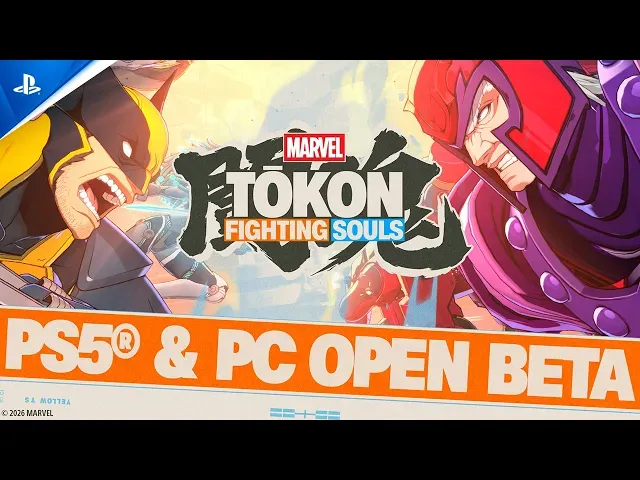

Arc System Works has apologized for Marvel Tokon Fighting Souls PC beta gameplay and performance issues. Here is what players reported, what the studio has promised, and why confidence needs to be rebuilt before another public build.
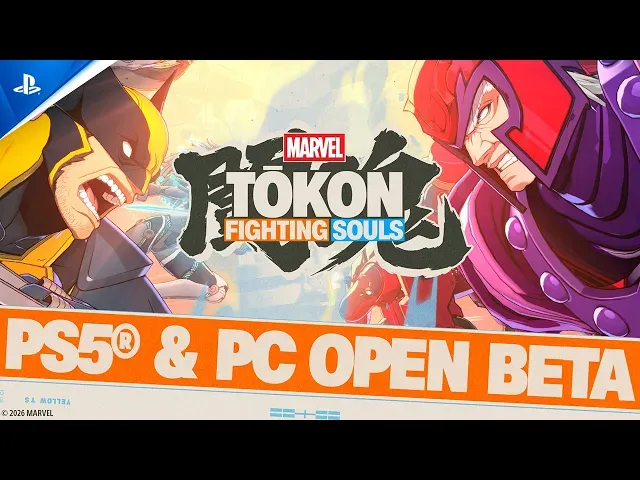
Image: vgtimes.com
Arc System Works has put the PC beta problem on the record
Arc System Works has acknowledged that the PC version of Marvel Tōkon: Fighting Souls suffered gameplay and performance issues during its open beta, and the studio has apologized for the impact on players’ experience.
In a statement shared by the official Marvel Tōkon account and quoted by Rock Paper Shotgun and Eurogamer, the developer said it was “aware of the gameplay and performance issues currently affecting the PC version” and that its team was “actively investigating these issues and working on a fix.” Arc System Works also said it would share an update when it had more information.
That is the strongest confirmed point in the current Marvel Tokon Fighting Souls PC beta story: this was not a handful of isolated complaints floating through social feeds. The developer has publicly recognized the problem. The tension is timing. Rock Paper Shotgun described the test as a pre-launch open beta that had just wrapped after the weekend, and both RPS and Eurogamer referred to the full release date as August 6. That leaves a small window for any PC-side confidence rebuild before launch, or before any further public build if Arc System Works chooses to run one.
The reported PC issues hit both performance and match feel
The reported Marvel Tokon beta problems covered two overlapping areas: how the PC build ran, and how it felt to control. Eurogamer, citing player reports on social media and Reddit, said PC players were struggling with issues unique to the PC port. Rock Paper Shotgun described a “litany of issues” encountered by players over the beta weekend.
Several complaints centered on inconsistent performance. Eurogamer quoted one player saying the game was not optimized enough, that only some settings seemed to work, and that even low-spec settings with upscalers did not produce reliable results for them. Another player posted a Task Manager screenshot while calling the PC performance poor. Those are player reports, not verified technical findings, but they match the category Arc System Works itself acknowledged: performance issues on PC.
Other claims are more specific and should be treated carefully. Eurogamer noted that some players suggested the game was hammering a single CPU thread because of anti-cheat behavior and PlayStation 5 architecture, and that they had identified multiple Sony sub-services running with the game. Arc System Works has not confirmed that explanation. In fact, when the studio later shared troubleshooting advice, it cautioned that the steps were community-suggested and should not be treated as confirmation of the underlying cause.
The studio offered troubleshooting, but not a diagnosis
Arc System Works followed its apology with a six-part PC troubleshooting thread, according to Rock Paper Shotgun. The key caveat is important: the studio said the suggestions were not officially confirmed fixes, that results could vary depending on PC configuration, and that the steps should not be considered confirmation of what was causing the reported issues.
The suggestions included running the shader warm-up at launch, checking display and Nvidia settings, testing whether disabling or adjusting recording and capture software improved performance, and verifying game files on Steam to address an anti-cheat error. That is useful triage for players still testing a build, but it is not the same thing as a patch note with a root cause and a measured performance target.
For PC fighting game players, that distinction matters. If a workaround helps one machine but not another, the competitive read is still unstable. Players can adapt to a demanding game. They cannot train cleanly when the same setup, stage, and sequence may feel different because the PC environment is fighting the game loop.
Input consistency became part of the discussion
Performance complaints in a fighting game rarely stay limited to average framerate. Eurogamer highlighted a Reddit post from one fan who argued that input buffering in the beta felt “virtually nonexistent,” including for motions. The player claimed that attempts to cancel a normal into a DP-motion special could instead produce a quarter-circle-forward special if the forward input was not read inside the cancel window.
That is a player diagnosis, not a confirmed Arc System Works finding. Still, it explains why Marvel Tokon performance issues drew such sharp reactions from competitive players. In a tag fighter, a dropped cancel is not cosmetic. It can decide whether a punish starts, whether a character gets out safely, or whether a player loses a turn after doing the correct read.
From a frame-data perspective, performance confidence is part of learning the game. If a player misses a cancel, they need to know whether their timing was late, their motion was sloppy, the buffer window is intentionally strict, or the PC build failed to deliver consistent input feel. Until Arc System Works clarifies what it found, those categories remain blurred.
The PC beta also ran into platform friction
The beta’s issues were not confined to raw PC performance. Rock Paper Shotgun reported that the test faced PlayStation Network issues right out of the gate, while Eurogamer noted that PlayStation players had to step away during a PSN outage that kept them from getting online.
On PC, Eurogamer also cited complaints about the PlayStation Network connection requirement. One player quoted by the outlet objected to having to press sign-in every time they closed and reopened the game, calling the extra layer an annoying requirement. That kind of friction lands differently during a beta, where players are already trying to isolate whether a problem is network, account, anti-cheat, hardware, driver, or game code.
There is also an availability wrinkle around the same account ecosystem. Eurogamer’s linked coverage described the game as blocked in 132 countries, while Rock Paper Shotgun referred to a Steam backend change that left it unavailable for purchase in 117 countries and said the restriction was most likely tied to PlayStation Network account requirements. Those figures are not identical, so the clean read is that reported availability numbers have changed across coverage and backend checks. The confirmed practical concern is simpler: PC access and PSN requirements are part of the broader launch-risk conversation.
A busy beta does not erase the confidence gap
The open beta clearly had dedicated players. Eurogamer reported on character popularity data gathered by fighting game player and webtoon creator AlietteFaye from players at Vibranium rank and above, with Magik ranking as the most popular character in that sample. Blade, Magneto, and Spider-Man followed in overall character usage, while Magik also led in the leader position. Eurogamer noted that Vibranium was the second-highest rank available in the beta, meaning the data reflected especially active players rather than the entire player base.
That context cuts both ways. A committed audience pushed far enough into ranked play to generate early meta discussion, even with technical problems on PC and PSN disruption elsewhere. At the same time, high-engagement players are exactly the audience most likely to notice frame pacing, input recognition, buffer behavior, and settings that do not behave as expected.
Marvel Tokon does not need every casual beta participant to understand PC pipeline problems. It does need the players who will lab day one, run sets, host locals, stream brackets, and write matchup notes to believe the build is stable enough to trust. Right now, Arc System Works has acknowledged that this trust was damaged for at least part of the PC player base.
How PC players should treat the next update
The most practical move is to separate official fixes from temporary testing advice. Arc System Works has promised investigation, a fix, and a further update. It has not yet provided, in the cited reports, a final diagnosis for the Marvel Tokon Fighting Souls PC beta performance issues.
If you are still working from the beta build or reading community guidance before another public test, the studio-backed troubleshooting path is limited but clear: run shader warm-up, check display and Nvidia settings, test capture software as a variable, and verify Steam files if you hit the anti-cheat error described in the support thread. If those steps do not help, that does not disprove the problem. Arc System Works already warned that results may vary.
For anyone deciding whether to buy or commit time on PC, waiting for the studio’s next technical update is the disciplined play. The apology confirms the issue is on the developer’s radar. The unanswered question is whether the next public-facing build shows measurable improvement where fighting game players feel it most: stable performance, dependable inputs, and fewer account-layer interruptions before the match even starts.