
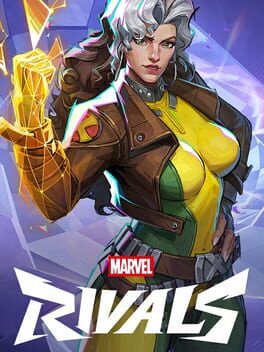
A ranked-focused breakdown of Marvel Rivals Season 6: Night at the Museum, how Deadpool’s triple-role kit will reshape compositions, and where NetEase’s content cadence and monetization land in the 2026 hero-shooter landscape.
Night at the Museum: Why Season 6 Matters For The Meta
Marvel Rivals has quietly shifted from promising newcomer to one of 2026’s most-watched competitive hero shooters. Season 6, Night at the Museum, is the turning point. It delivers the game’s first triple-role hero in Deadpool, a new convoy map in the Collector’s Museum of Contemplation, a revamped Hero Proficiency system, and a packed, date-driven roadmap that runs deep into February.
For ranked players, the big question is not “Is Deadpool strong?” It is “How much can one hero’s flexibility distort drafting, scrim prep, and scrim blocks around specific maps?” With Season 6, NetEase is openly testing how far role elasticity can go in a role-locked shooter without collapsing team structure.
Deadpool’s Triple-Role Kit: One Hero, Three Jobs
Deadpool enters as Marvel Rivals’ first “3-in-1” hero. In Quick and Competitive modes only one Deadpool is allowed per team, which already signals how central his kit is. His defining mechanic is role swapping: he can switch between Vanguard, Duelist, and Strategist mid-match, on top of a secondary layer of weapon swapping between pistols and katana.
Functionally, you are drafting a complete frontline, backline, and support package into a single slot that can pivot between jobs as the match evolves. The tradeoff is execution. Deadpool’s power ceiling is gated behind mechanical comfort and decision making across three roles, two weapons, and a mid-match upgrade tree.
The Universal Core: Mobility, Sustain, And On-The-Fly Scaling
Before you even touch roles, Deadpool’s baseline kit gives him tools that are meta-relevant in every comp.
He carries dual Desert Eagles and a katana, swapping with Lock and Load. Pistols give him reliable poke and headshot potential, while the katana offers close-quarters burst and cleave. As a Strategist, both primaries convert into healing on hit, which lets him play backline battery or dive healer depending on loadout.
Bunny Bounce grants a double jump that adds a vertical layer other frontliners lack. During some ultimates, bouncing on enemies can reset its cooldown and turn him into a relentless aerial threat. Healing Factor passively regenerates health when out of combat and ramps up when he is low, which dramatically shortens his “downtime” windows compared to other duelists and vanguards.
The last major axis is his Upgrade mechanic. Deadpool earns XP throughout the match and spends it to rank up abilities on the fly. In practice this feels closer to a MOBA carry than a static hero shooter kit. Poor upgrade choices or late spending can cost teamfights, but optimal routing lets Deadpool spike earlier than most heroes on the same timeline.
Vanguard Deadpool: Rotating Tank, Anti-Dive Anchor
As a Vanguard, Deadpool is a disruptive frontliner that blurs the line between tank and bruiser. He brings hard taunts, significant self-sustain, and utility shielding.
His katana ultimate, The Big Test, turns him into a tempo engine for his team. It boosts movement speed, healing, and bonus HP for Deadpool and nearby allies, and its duration can be effectively extended by landing attacks that refresh buffs. Used on push or payload maps, it lets a team brute-force through critical chokes that would normally require layered cooldowns from two separate heroes.
With pistols, his Vanguard ultimate The Ban Hammer taunts enemies and punishes missed abilities by reflecting damage back onto them while he gains extra HP and healing. Into comps that rely on skillshot burst or long-range poke, Ban Hammer is an anti-burst button that forces enemies to either commit perfectly or simply disengage.
Hazardous Hijinks in the Vanguard variant acts as a chain-dash combo that lets him close space and juggle targets, while Magical Unicorn Shield drops a bubble shield that can temporarily replace or supplement a dedicated barrier tank in specific map states.
For ranked, Vanguard Deadpool will be most impactful in:
Anchor comps where your second tank is off-role. You can draft Deadpool as nominal DPS, then pivot him into vanguard to cover for a squishier frontline.
Mirror-frontline matchups. His taunts and sustain let him trade aggressively into other brawlers and punish overextension, especially when combined with Hero Proficiency perks that amplify tanking.
Duelist Deadpool: Flanker, Anti-Sniper Punisher
In Duelist, Deadpool becomes the exact kind of flanker that forces enemies off their comfort picks.
Pop Quiz, his katana ultimate, stacks self-buffs to speed and healing that climb as he lands follow-up abilities. It functions like a snowball button: if you secure the first kill, you often have the resources to keep chasing the next. Skill Issue, his pistol ultimate, hard-taunts a target and damages them every time they miss. Snipers and long-cooldown casters suddenly face a lose-lose situation where whiffing a key shot can cost half their health or more.
His Duelist version of Deadpool in Your Area adds vision obstruction to his taunt, making it a soft counter to line-of-sight dependent hitscan heroes. Headshot, the returning boomerang pistol skill, encourages aggressive positioning: if you thread the shot and catch it, the cooldown refresh lets you chain pressure on shields or squishies.
In coordinated ranked and scrims, expect Duelist Deadpool to appear in:
Anti-sniper dive shells, where his ultimates specifically target heroes like Hawkeye-style marksmen or glass-cannon mages.
Double-flank setups on control maps, flexing between backline disruption and frontline finishing depending on which role your main duelist is running.
Strategist Deadpool: Off-Healer And Tempo Support
Strategist Deadpool is the most disruptive to traditional support expectations. He is not a pure main-healer but instead a tempo support that thrives in scrappy, brawly engagements.
Final Exam, his katana ultimate, fires off an instant large heal to nearby allies and then continues to drip-feed more healing as he lands abilities. Pwnage Pound, his pistol ultimate, again leans on the “missed attacks hurt you” taunt logic, while giving Deadpool and his allies ongoing healing and bonus HP. In both cases, his ults reward coordinated aggression rather than passive backline pocketing.
Healing Hop replaces his usual Bunny Bounce and lets him treat the battlefield like a pinball table. Bouncing on allies heals them; bouncing on enemies damages them. Healing Hijinks compresses engage and sustain into one motion, dashing through enemies to damage them while radiating healing to teammates.
Bouncing Bobblehead, a boomerang projectile that damages enemies and heals allies, functions as a lane-control tool on chokes. Combined with his Strategist versions of pistol and katana basics, Deadpool can effectively play both as brawl support with the frontline and as a backline off-healer covering a sniper or artillery unit.
Strategist Deadpool will likely carve a niche in ranked as:
An off-healer that you can draft when your main Strategist is hard-locked. Instead of double-stacking passive heals, you can shift Deadpool between Duelist and Strategist phases as fights demand.
A scrim-friendly flex pick for teams experimenting with 1.5-support comps, where he spawns as Duelist to farm ult faster, then pivots to Strategist for critical fights.
Ranked Meta Forecast: One Hero, Many Drafts
Deadpool is structurally powerful not simply because his numbers look good, but because he reduces draft risk.
In a typical hero shooter, picking too many duelists or too few supports locks you into that identity for the entire match. With Season 6, Deathball, poke, and dive shells can all open on Deadpool as a flex and then “decide” what he will be after the lobby loads, depending on what the enemy actually plays on map and side.
Role Compression And Flex Slots
The most immediate impact will be on the “flex DPS” slot in high-tier ranked. Deadpool essentially becomes the default flex hero on many maps, especially for players who are already comfortable with multiple roles.
If your team queues with one pure tank, one pure support, and a Deadpool, you can:
Start him as Duelist to secure early pick pressure.
Swap into Vanguard for key payload pushes or overtime brawls.
Switch into Strategist when your main support is targeted or when you need extra sustain for contested objectives.
This role compression is particularly valuable for smaller stacks that cannot guarantee two top-tier players in every role. Deadpool lets a single mechanically gifted player solve multiple compositional problems at once.
Map And Mode Synergies
The new Museum of Contemplation map is a convoy layout with tight interior routes, vertical exhibits, and more than one contested funnel. Deadpool’s double jump and dash chains let him dominate these layered sightlines, whether he is defending high ground as a Duelist or escorting convoy as a Vanguard.
Payload-style maps in Rivals already reward heroes who can rapidly rotate between front and backline. Deadpool’s combination of mobility and in-combat sustain will keep him relevant on nearly every map, but Museum of Contemplation in particular feels built to showcase his multi-role nature.
Counterplay And Ranked Checks
NetEase has preemptively limited him by capping each team to a single Deadpool in Competitive and Quick. Even so, there are several natural checks that will likely show up in early ranked data.
First, crowd control chains can lock him out of the decision making that makes his kit powerful. If he is stunned, displaced, or silenced during his role-critical windows, he cannot use Upgrade or weapon swaps optimally.
Second, anti-sustain and burst synergies that already target self-healing frontliners will carry over. Healing Factor is potent, but it still respects burst thresholds. Heroes who can stack anti-heal effects or delete him during his approach windows will remain important.
Finally, his mechanical complexity alone ensures that while Deadpool will be omnipresent in pick rates, his win rate will likely skew toward high-MMR tiers where players can fully exploit role and weapon switching. In mid ranks he risks being a “trap” pick if players refuse to pivot roles for the team.
Season 6 Content Cadence: Roadmap As Retention Strategy
Season 6 does more than drop Deadpool and walk away. NetEase has staked a clear, dated content cadence that runs from January 16 into mid-February, with the 6.5 update and Elsa Bloodstone landing on February 13.
At launch, players get Deadpool, his Captain Pool cosmetic, the Museum Ticket battle pass, the Hero Proficiency overhaul, and limited-time events like Whac-a-Jeff. The following weeks add Times Square mini-events, Disco Revolution skins, the Museum of Contemplation map, World Tour-themed cosmetics, and high-end shop skins like Mecha-Flora Groot and Quiet Council Magneto.
This schedule aligns Marvel Rivals with the gold-standard season models of 2026, where major hero shooters lean on:
A tentpole hero or rework at the start of a season.
A mid-season secondary hero or mode refresh.
Biweekly cosmetic drops and events that keep players logging in even if they are not grinding ranked heavily.
Where Rivals distinguishes itself is the density of structural changes packed into one season. Deadpool’s triple-role kit, Hero Proficiency, and a big-map release would normally be spread across two or three seasons in many competitors. By bundling them, NetEase is trying to make Night at the Museum feel like a soft relaunch of the game’s competitive ecosystem.
Monetization In 2026: Where Marvel Rivals Sits Among Hero Shooters
On the monetization front, Season 6 layers the usual suspects: a battle pass, premium shop skins, and time-limited events with unique cosmetics. The question is how it compares to the crowded 2026 field.
The Museum Ticket battle pass offers a multi-hero cosmetic spread rather than anchoring everything around Deadpool. Skins like Queen of Wakanda Storm, King of Wakanda Black Panther, Space Corsair Venom, and Winter Soldier Wolverine target a wide spread of mains. From a meta and economic perspective, this encourages cross-hero experimentation: players who unlock skins for their off-picks are more likely to try new heroes, which softens queue role bottlenecks.
Premium shop drops, including crossover-flavored outfits like Mecha-Flora Groot and Quiet Council Magneto, lean into Marvel deep cuts with high production values. They are clearly targeted at whales and lore diehards, but they do not touch gameplay stats. Unlike some 2026 competitors that flirt with stat-bending weapon charms or paywalled talent nodes, Rivals keeps monetization cosmetic in Season 6.
Compared with other hero shooters in 2026, Marvel Rivals currently lands in a middle ground:
Less aggressive than titles that lock new heroes behind multiple battle pass tiers or long grind walls.
More frequent and visually loud with cosmetic rotations than older live-service shooters that have scaled back content.
The key structural differentiation is the tie between Hero Proficiency and seasonal play. While proficiency itself is earned through play and not cash, it slots into the broader seasonal cadence as a progression track that rewards multi-hero mastery. In a market where some games have made build variety monetized, Rivals so far keeps its gameplay depth on the free side and reserves monetization for aesthetics.
This balance matters for the ranked meta. Because Deadpool, Elsa Bloodstone, and systemic updates are not paywalled, competitive integrity is preserved in a way that some rival titles struggle to match when heroes are locked behind premium passes for weeks.
Esports Ecosystem And Long-Term Meta Stability
NetEase is reinforcing Season 6 with a significant pro-league push, including a 3 million dollar prize pool for the 2026 circuit. That is a signal to ranked grinders: the meta decisions made around Deadpool and Hero Proficiency will not be one-off experiments, they will define how teams approach Rivals for the entire competitive year.
Expect early pro play to use Deadpool as a flex fulcrum, with teams drafting him in first or second rotation to conceal whether they are aiming for brawl, dive, or poke until late picks. Counter-drafts will likely lean on hard-CC cores and anti-sustain to limit his uptime, while less mechanically demanding heroes continue to anchor static roles.
If Season 6 succeeds at keeping Deadpool strong but answerable, Marvel Rivals will have proven that extreme role flexibility can coexist with role-locked queue design. If not, balance patches and Hero Proficiency tuning will need to rein in either his sustain, his ult cycling, or the ease with which he can swap jobs mid-fight.
Should You Learn Deadpool For Ranked?
For players serious about climbing in Season 6, the answer is yes, with caveats.
If you already flex between two roles, Deadpool is the most efficient value pick in the roster. He lets you cover comp gaps, adjust to teammates’ comfort picks, and hard-punish enemy drafts that rely on one-dimensional win conditions.
If you are a single-role specialist, he is still worth learning as a secondary. Focus on one dominant build first, like Duelist pistol-heavy for anti-sniper duty or Vanguard katana for frontlining, then layer in role swapping once your muscle memory is stable.
In a hero-shooter landscape where many games add new heroes that barely shift the meta, Deadpool’s arrival in Marvel Rivals Season 6 is the opposite. Night at the Museum is less a flavor-of-the-month season and more a structural test of how far a competitive shooter can bend its own rules without breaking ranked integrity.