
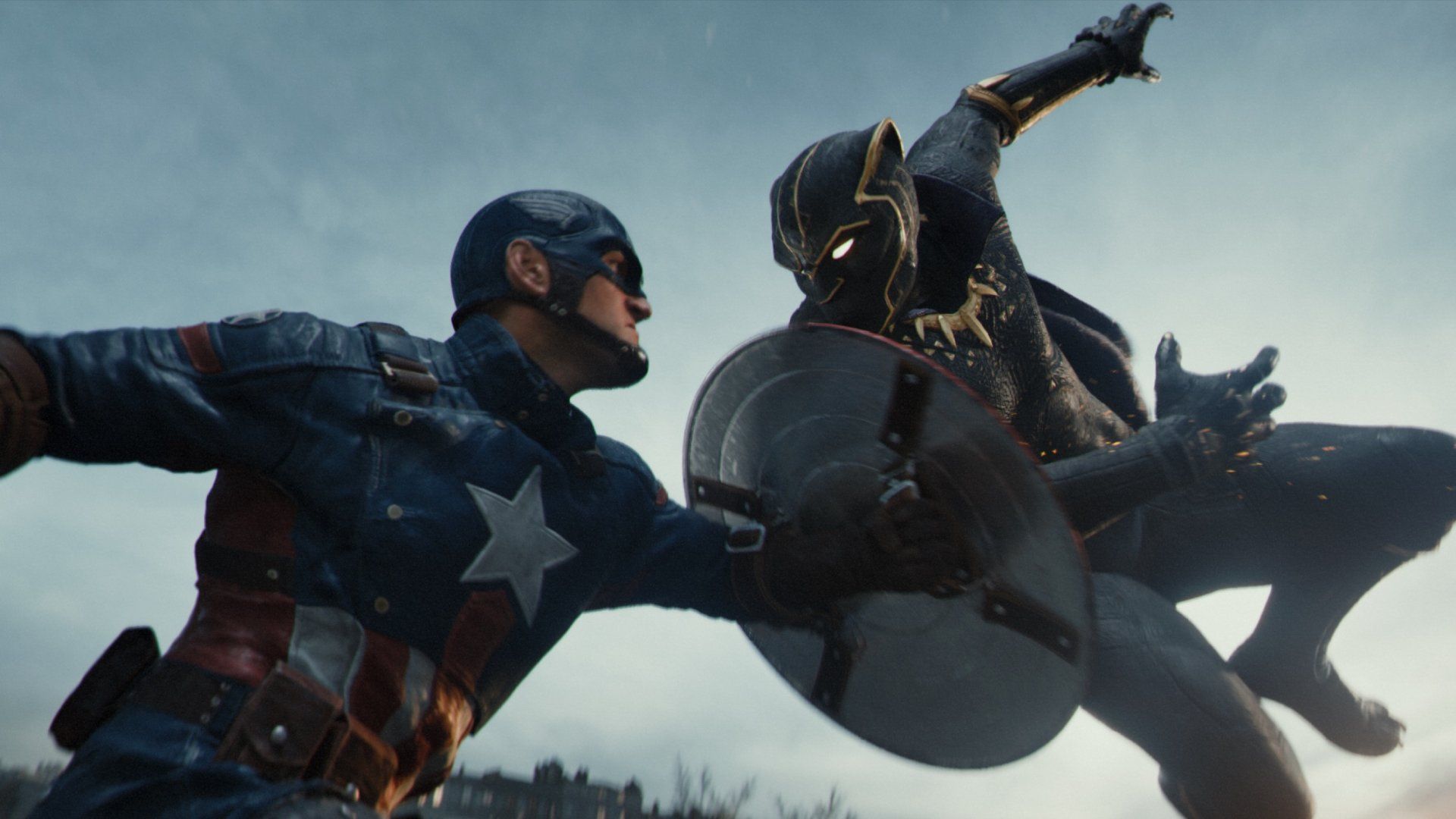

Skydance has reportedly told staff that Marvel 1943: Rise of Hydra is still in development, while Kotaku reports cut content, a shorter scope, and lighter gameplay.
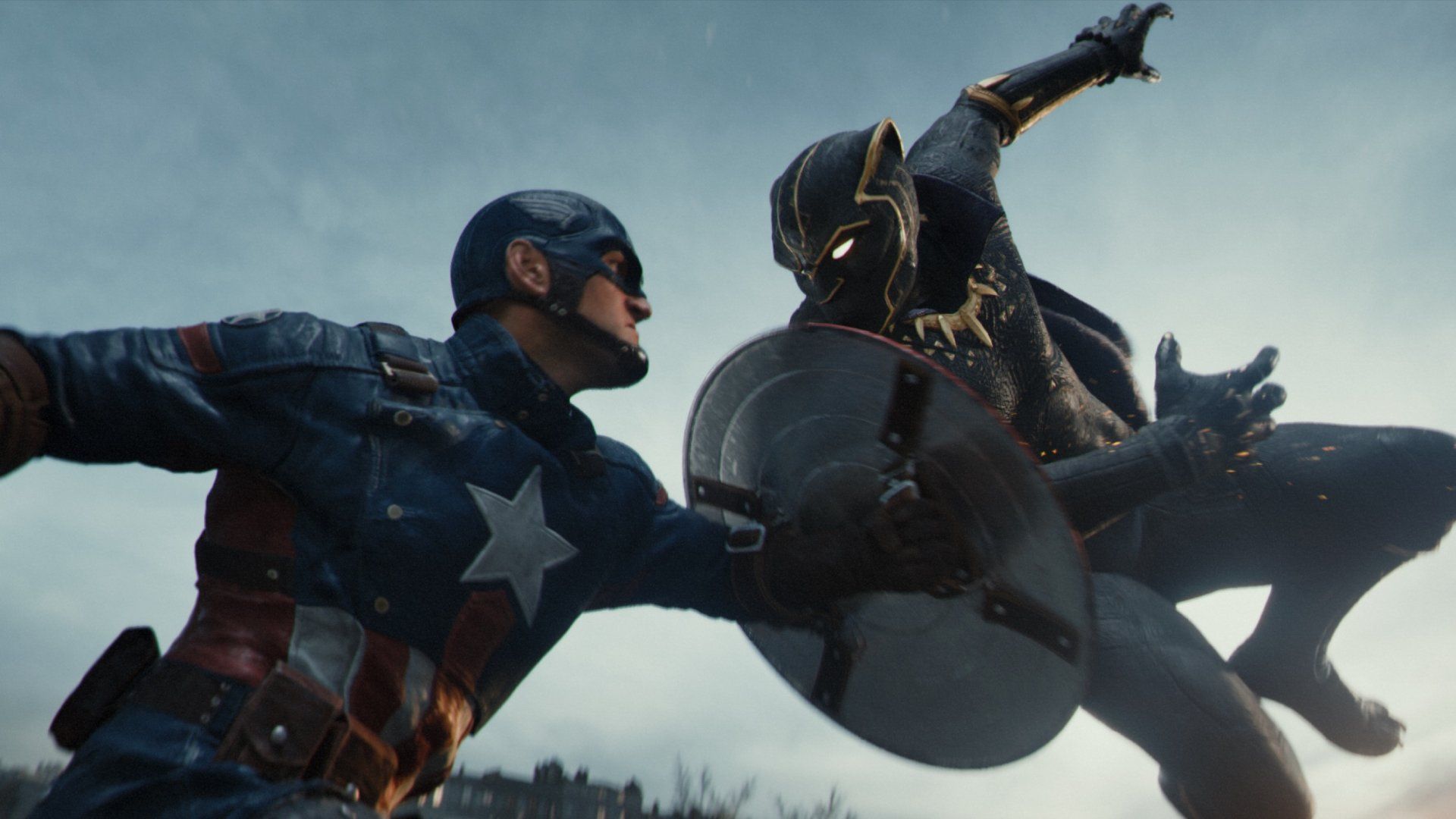
Image: gamesradar.com
Skydance’s message answers the cancellation rumor, not the bigger concern
The strongest confirmed development around Marvel 1943: Rise of Hydra is also the simplest: the game has not been cancelled, according to reporting based on an internal Skydance message. Kotaku reported that executive producer Lu Gigliotti posted in Skydance’s private Slack after a cancellation rumor spread on X, telling developers he had spoken directly with the executive leadership team and that “there is no truth to these claims.” Bloomberg’s Jason Schreier also reported, as cited by PowerUpGaming and Cosmic Book News, that Skydance told the Marvel 1943 team through Slack that the project was not cancelled.
That denial matters because the rumor moved fast. Kotaku says the claim originated from a fan account called Marvel 1943 Rise Of Hydra Countdown, which said the game was being scrapped and that an announcement was coming. Push Square reports that the post was later deleted. PowerUpGaming adds that the account subsequently apologized and said the game had hit development issues rather than being cancelled.
So the headline question has an answer: Marvel 1943 not cancelled is the reported state of play. The harder question is what kind of game is still coming out of Skydance. On that point, Kotaku’s report paints a much rougher picture than a simple cancellation denial. The outlet says the project is approaching an “Alpha” milestone, is “close to done” according to its source, and has also been well over budget, repeatedly troubled, and significantly cut back from its original vision in both length and content. That is the tension around the Skydance Marvel game now: alive does not automatically mean intact.
The reported cuts point to scope, length, and interactivity
Kotaku’s most consequential claim is not that Marvel 1943: Rise of Hydra survived a rumor cycle. It is that the Captain America Black Panther game may have become much smaller and less interactive than some players expected from an Amy Hennig-led action-adventure.
According to Kotaku, Marvel 1943 began as a Netflix game before transitioning during development into a console and PC project. The outlet reports that the current version is “light on gameplay,” primarily uses one button, and lacks significant interaction. Kotaku also says the project has been “significantly cut back” from its original vision in terms of length and content after going well over budget.
Those are reported claims, not details confirmed publicly by Skydance or Marvel in the supplied source material. Kotaku says it reached out to both companies for comment. The internal Slack message, as described by Kotaku, denies cancellation. It does not publicly lay out the scale of the game, the combat model, the runtime, the budget, or what content may have been removed.
IGN’s coverage, based on Kotaku’s reporting, framed the possible result as “extremely compromised” and suggested, while clearly labeling that as speculation, that the game could resemble something closer to a Quantic Dream-style narrative experience such as Heavy Rain or Detroit: Become Human, with some combat included, rather than a full-scale Marvel’s Spider-Man-style action game. That comparison is not a confirmed design description from Skydance. It is an interpretation of Kotaku’s report. Still, it captures the expectation gap now facing Marvel 1943: players may need to stop picturing a broad, combo-heavy superhero sandbox and start preparing for a narrower, more directed game unless Skydance shows otherwise.
A cinematic premise now carries action-game questions
Marvel 1943: Rise of Hydra has always been positioned around a strong pulp-adventure setup. Kotaku describes it as an action-adventure starring Captain America, Black Panther, Gabriel Jones, and Nanali as they face the early Hydra organization. PowerUpGaming identifies the Black Panther here as Azzuri, the Second World War-era Panther, and describes Nanali as a Wakandan spy. That cast gives the game an immediate dramatic engine: two legendary heroes, wartime pressure, espionage, and a Hydra threat built for betrayal, spectacle, and uneasy alliances.
For an action-adventure audience, though, premise only carries the first act. The genre lives or dies on rhythm. How often does the player move from traversal to combat to puzzle solving to authored set-piece? How much control is there inside a cinematic sequence? Does Captain America’s shield feel like a tool the player reads and times, or a prompt that advances the shot? Does Black Panther move like a predator in encounter spaces, or mainly appear in scripted bursts?
The supplied reports do not answer those design questions, but they sharpen them. Kotaku’s claim that gameplay is currently light, largely one-button, and lacking significant interaction is especially important because Marvel 1943 has been associated with Amy Hennig, whose best-known work includes Uncharted’s cinematic action-adventure template. IGN notes that Marvel 1943 is intended to be Hennig’s first proper game since Uncharted 3 in 2011, while also pointing to her later work around projects such as the cancelled Visceral Star Wars game and consulting credits.
That history creates a specific expectation: a story-forward game with authored momentum, dramatic banter, and tightly choreographed danger. But Uncharted still needed mechanical texture around its spectacle. Climbing, gunfights, chase scenes, arena layouts, and pacing shifts gave the player something to perform between cutscenes. If the Marvel 1943 report is accurate, the risk is not that the game is cinematic. The risk is that its cinematic intentions may have outgrown, or outlasted, the interactive systems supporting them.
The timeline has shifted from reveal momentum to patience test
The project’s calendar has also become part of the story. Kotaku reports that Marvel 1943 began within the newly established Skydance New Media in 2019, was teased in 2022, and was fully revealed in 2024 with plans for a holiday 2025 release. The game has since moved off that track. Kotaku says it was first delayed to “beyond early 2026” and then further delayed into 2027 and beyond. Push Square likewise reports that it was originally due earlier this year and has now been pushed back to 2027.
PowerUpGaming adds another useful point from June IGN reporting: Paramount Games Studio executive Shawn Kittelsen said the project was playable and still in development, while indicating that the team was being given more time to meet its ambitions. In November 2025, according to PowerUpGaming, Skydance announced another delay beyond its early 2026 window without giving a replacement date.
That leaves players with a strange combination of signals. Kotaku’s source says the project is “close to done,” and the reported Slack post says it is nearing an Alpha milestone. At the same time, public release timing remains unsettled in the supplied material, with 2027 or later now attached to the project by multiple reports. In development terms, “Alpha” usually suggests a project has entered a more concrete stage, but the supplied sources do not define Skydance’s internal milestone criteria. Readers should not treat “close to done” as a launch window.
For now, the practical takeaway is that there is no newly confirmed release date in the supplied reporting. There is also no basis here to assume an imminent launch merely because cancellation was denied. The game may be continuing, but its public reintroduction will need to do more than show Captain America and Black Panther in a dramatic standoff. It will need to show how the player actually inhabits those roles.
Netflix origins could explain the expectation mismatch
One of Kotaku’s most revealing reported details is that Marvel 1943 was originally pitched as a Netflix game before moving to consoles and PC. If accurate, that origin helps explain why the project may not resemble the kind of action-adventure many console players assumed they were getting.
A Netflix-oriented game can be built around different assumptions than a premium console action release. The supplied sources do not describe Skydance’s original design documents, budget targets, control scheme, or intended business model, so there is a limit to what can be concluded. But a project designed first for one ecosystem and later expanded to another can inherit structural choices that are hard to rebuild late. Camera language, encounter density, input complexity, level scale, and animation budgets are not surface features. They shape the whole game.
That context also reframes the one-button gameplay claim. If Kotaku’s reporting is accurate, the question may be less “Why did a console action game become simple?” and more “How much of a different kind of game survived the transition into a console and PC product?” Those are very different production problems. The first suggests a compromised action game. The second suggests a project whose identity may have changed while already carrying years of work, sunk cost, licensed IP expectations, and a high-profile creative lead.
The Marvel brand raises the pressure. A game starring Captain America and Black Panther invites players to imagine shield counters, stealth lunges, traversal bursts, coordinated hero sequences, and big Hydra set-pieces. If the final product is closer to a tightly directed narrative game with limited input complexity, it could still work for players who value pacing, performances, and spectacle. But it would need to be sold honestly. The danger for Skydance is an audience walking in expecting combat rhythm and systemic depth when the game is built around cinematic progression.
Layoffs and restructuring form the backdrop, not proof of cancellation
The cancellation rumor also arrived during a difficult moment for Skydance’s gaming operation. Kotaku reported that at least 30 people at Paramount Games were laid off following the merger between Paramount and Warner Bros., with many affected employees coming from Skydance, though the exact number was unclear. Kotaku also reported that those layoffs did not appear to have had a significant impact on the Marvel 1943 team.
PowerUpGaming cites a Skydance statement to TheWrap saying the company had reviewed investments and made the “difficult decision to scale down some of our projects.” The company did not identify the affected games in that statement, according to PowerUpGaming, and did not announce that Marvel 1943 had been cancelled.
That distinction is important. Layoffs, restructuring, and “scale down” language can reasonably make players nervous, especially around a delayed licensed game with limited public footage. They do not, on their own, prove a cancellation. In this case, the reporting points in the opposite direction on the narrow cancellation question: Skydance leadership reportedly told staff the game continues.
But the business context still matters because it makes the reported cuts easier to understand. A project that has run over budget, shifted platform strategy, and been delayed past multiple windows would be a natural target for scope control. If Kotaku’s report is accurate, Marvel 1943 may be entering the final stretch as a game shaped by survival decisions: keep the core story, reduce length, reduce content, limit systems, and push toward completion.
How to set expectations before Skydance shows the game again
For players tracking Marvel 1943: Rise of Hydra, the safest reading is narrow and evidence-based. The game is reportedly not cancelled. It is reportedly still in development. It is reportedly nearing an Alpha milestone and may be close to done, according to Kotaku’s source. It is also reportedly over budget, cut down in scope, shorter than originally envisioned, and lighter on gameplay than many action-adventure fans would expect.
What is still missing is the information that should decide buyer interest. The supplied source material does not include a confirmed release date, price, final platform list, PC requirements, performance targets, upgrade path, or detailed gameplay breakdown. Reports refer to consoles and PC, with Push Square covering the game through a PS5 lens, but the sources here do not provide a complete current platform announcement from Skydance or Marvel.
The next useful beat is not another reassurance that the project exists. It is sustained gameplay. A polished trailer can sell the wartime mood, the Hydra threat, and the clash between Captain America and Black Panther. It cannot resolve whether encounters have timing, pressure, and player agency. Skydance needs to show how much of the player’s hand is on the wheel.
Until then, expectations should come down from the open-ended fantasy of a large Marvel action game. Based on the Marvel 1943 report from Kotaku, the more realistic possibility is a compact, story-driven, highly authored adventure whose success depends on pacing and presentation rather than deep combat systems. That version could still find an audience if it is sharp, confident, and transparent about what it offers. But after this week’s rumor and denial, the burden has shifted to Skydance to prove that the game is alive in the way players can feel, not only in the way a Slack message can confirm.