
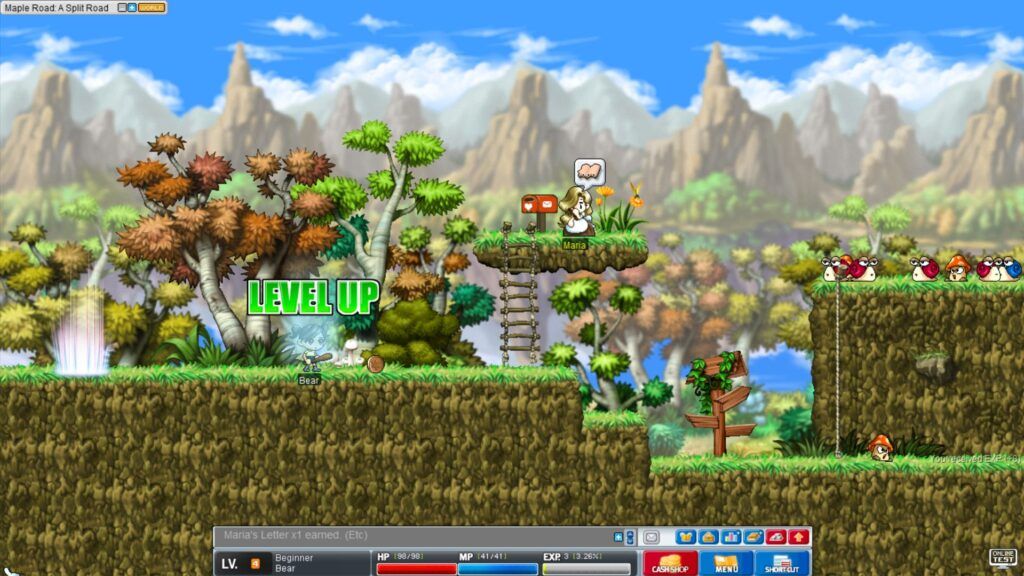

MapleStory Classic World is now open globally as a free-to-play MMO. Here is what the launch includes, who the nostalgia-focused world is built for, and how returning players can start cleanly.
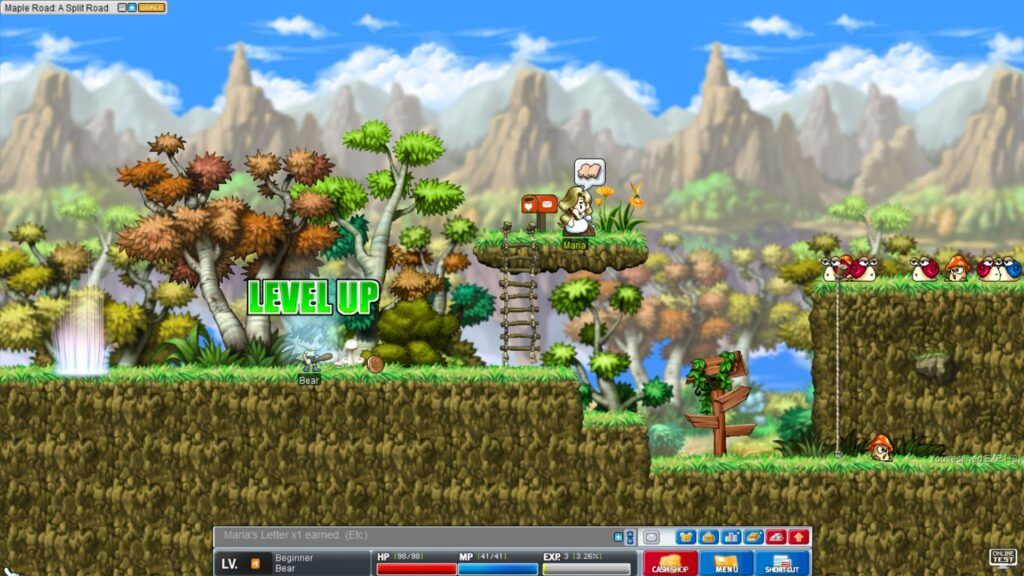
Image: monstervine.com
MapleStory Classic World is now live globally, but it is not a total reset
Nexon has opened MapleStory Classic World to a global audience, with MMOBomb reporting that the free-to-play MMORPG officially launched on October 21, 2026. The immediate hook is simple: old MapleStory pacing, original-style progression, and social play are back in an official form. The tension is equally important for returning players. This MapleStory Classic World global launch is open to everyone, but it follows a Founder’s Access period, and NiaMeowDB’s launch guide says characters and progression from that access carried over into the grand launch.
That makes the MapleStory Classic World release different from a perfectly fresh server fantasy. MMO Fallout framed the October 21 opening as the point when players who did not buy Founder’s access could finally enter, noting that paid Founder’s packages had given earlier access to some players. NiaMeowDB, a fan-built MapleStory Classic World database and toolkit, lists Founder’s Package tiers at $29.99, $59.99, and $79.99, with sales having opened through the Nexon webstore and Steam before launch.
For anyone arriving today, the useful read is this: MapleStory Classic World is now broadly available and free to play, but its economy and rankings may already include players from the paid access window. That does not undercut the appeal for a slower, nostalgic MMO, but it changes the mindset. If you are coming back after years away, treat launch day as your personal clean start rather than a guarantee that every character in the world began at the same moment.
What the full global launch includes
The core promise of MapleStory Classic World is an official version of MapleStory built around earlier pacing. MMOBomb says the game takes new and returning players back to the early days of MapleStory, including character progression and job advancements, while adding new features designed for modern audiences. MMO Fallout similarly reports that Nexon is presenting Classic World around classic classes, progression, advancement, and quality-of-life improvements.
The most concrete launch structure comes from NiaMeowDB’s database page. It describes MapleStory Classic World as a new world that runs alongside modern MapleStory, built around early MapleStory pace, four original first-job paths, the classic advancement track, early maps, and early difficulty. The same page lists all first-job paths as advancing at level 10 and gives the launch level cap as 100.
That is a meaningful scope for a nostalgia-focused MMO. This is not simply a cosmetic throwback layered onto the current MapleStory structure. Based on the available sources, Classic World is organized around the old rhythm of planning a character, making a job choice early, and spending more time with zones, monsters, and parties before progression accelerates.
There are still limits to what can be stated from the supplied launch sources. NiaMeowDB says third job is not in the launch, even though its own testing timeline notes that Nexon enabled level 100 characters during the second Closed Online Test for third-job skill testing. A separate MMOExp guide, published before launch, treats third job as a major launch meta consideration. Those accounts should not be flattened together. The strongest current signal in the provided material is NiaMeowDB’s launch-facing database note that third job is absent at launch, while third-job systems were tested earlier and may be part of the broader roadmap.
Nexon is positioning Classic World beside modern MapleStory
The clearest publisher-side positioning in the available reporting is that MapleStory Classic World is meant to coexist with the live game. MMOBomb reports that Classic World is not intended to replace the original MapleStory, and that the two games are meant to complement each other. MMO Fallout cites Nexon describing Classic World as “intended to offer a more relaxed and social experience, with a greater emphasis on enjoying the world and the people around you at your own pace.”
That distinction matters because MapleStory has been a live service for decades, and returning players often carry two different memories of it: the slower, local-map social MMO of the early years, and the modern game with layers of later systems. Classic World is being sold through the first memory. The sources emphasize pace, social friction, early job identity, and original-style difficulty rather than replacing everything the current game offers.
For players who never stopped playing modern MapleStory, Classic World may feel intentionally restrained. For players who left because the game moved too far from the version they remember, that restraint is the product. The launch pitch is built around old incentives: choosing a first job carefully, staying in a zone long enough to know its drops, and treating party play as part of the route rather than an interruption.
Who the nostalgia-focused MMO is actually for
MapleStory Classic World nostalgia will land best with players who miss the old decision weight of early MapleStory. NiaMeowDB’s description of four original first-job paths and a classic advancement track points to a version of the game where your first real build choice arrives quickly and matters for how you move, farm, and party. This favors players who enjoy planning around limitations instead of rapidly swapping into convenience.
It is also a strong fit for social MMO players who want progression to breathe. Nexon’s quoted description, via MMO Fallout, stresses a relaxed and social experience played at your own pace. That is a different promise from a race-first seasonal model. The Founder’s Access carryover means competitive players had a head start, but the design language being reported around Classic World suggests the healthier way to approach it is through long-term character identity rather than launch-week parity.
New players can still enter, but they should understand the appeal before downloading. Classic World is trading on older MMO texture: recognizable towns, early difficulty, job advancement, and community knowledge. If you want a frictionless checklist game, modern MapleStory may remain the better fit. If you want to learn monster tables, compare build paths, and make a character that feels earned because the early levels took time, Classic World is aimed directly at you.
How returning MapleStory players can start cleanly
The cleanest start is a mental reset, not an economic one. Because NiaMeowDB says Founder’s Access characters and progression carried over, returning players should avoid treating the global launch as a race against players who paid in earlier. Start with the systems that define your own account: class path, stat planning, skill order, quest rewards, and how much social play you want in your leveling route.
For MapleStory Classic World how to play basics, the available sources point to a free-to-play launch with access through the broader Nexon ecosystem. NiaMeowDB’s timeline says Nexon previously posted pre-download information for both the Nexon Launcher and Steam, and its Founder’s Package listing mentions sales through the Nexon webstore and Steam. The provided material does not include a direct official store page link, so players should use Nexon’s official MapleStory channels or Steam search rather than third-party download mirrors.
Once inside, do not rush your first advancement blindly. NiaMeowDB lists four first-job paths, all advancing at level 10, and offers class pages, a character builder, and a beginner’s guide covering AP advice, quest rewards, and first steps. Those are fan tools, not publisher documentation, but they are exactly the kind of reference that helps returning players avoid old mistakes: misallocated stats, inefficient early skills, or skipping useful quest rewards because memory says grinding is always faster.
Economy discipline matters too. NiaMeowDB’s site tracks Free Market prices, gainers, losers, trending items, and best sellers. Since Founder’s Access progression carried into launch, prices may reflect players who had more time to farm, trade, and establish routes. Before buying early equipment, check price data, compare drops, and remember that the opening weeks of an MMO economy tend to swing as the global population catches up.
The progression questions to watch after launch
The biggest open progression question is third job. NiaMeowDB’s live database page says the launch cap is level 100 but third job is not in the launch. Its separate release timeline records that Nexon tested third-job skills during the second Closed Online Test by letting job instructors in El Nath raise characters to level 100. MMOExp’s pre-launch guide, meanwhile, discusses third job as if it will shape launch decisions. For practical players, the safest assumption is to build for the confirmed early game first and avoid making your launch class choice depend entirely on an unconfirmed third-job rollout.
There is also the question of how modern convenience will be balanced against the old pace. MMOBomb reports that Classic World includes new features designed for modern audiences, while MMO Fallout mentions quality-of-life improvements. The supplied sources do not enumerate all of those features, so it would be premature to claim exactly how much friction has been preserved or removed. The launch identity is clear, but the long-term balance between nostalgia and convenience will be judged through leveling speed, party demand, item flow, and how carefully Nexon handles future updates.
For now, MapleStory Classic World MMO players have a clean path into the game if they set the right expectations. It is free to play globally, it runs alongside modern MapleStory, it focuses on early MapleStory pacing and first-job identity, and it has already passed through paid Founder’s Access. Return for the towns, the job choices, and the slower social loop. Plan your character before committing. Treat the Free Market as live and moving. Most of all, let Classic World be a long project rather than a launch-day correction to twenty years of MapleStory history.