

God Packs are reportedly returning to Magic: The Gathering as a recurring booster feature. Here is what is confirmed, what is still unknown, and what MTG collectors should wait to see before buying.
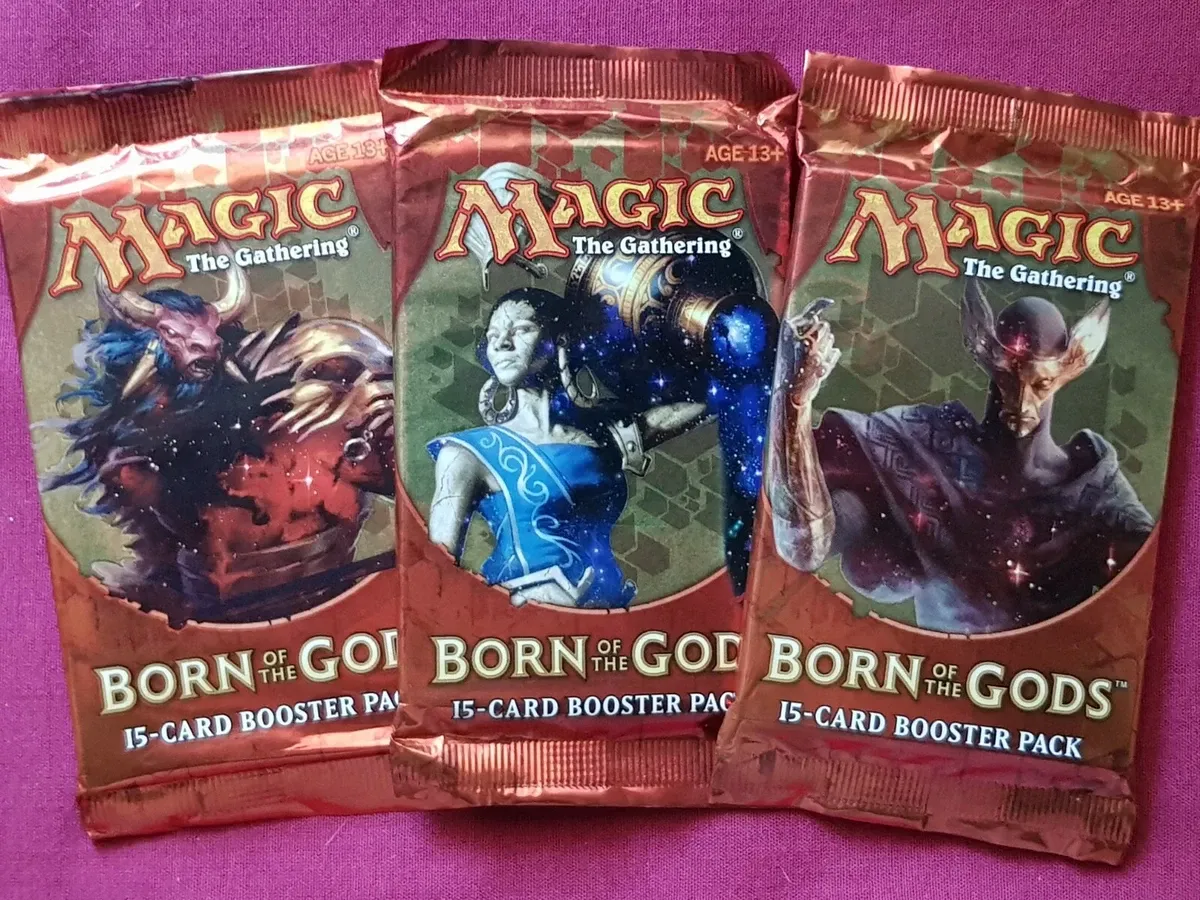
Image: ebay.com
God Packs are coming back, but the buying math is still missing
Magic: The Gathering God Packs are reportedly returning as a regular booster feature starting with Nauctis: The Sunken Realm in February, according to Polygon, which says every pack tied to the Magic Multiverse will have a small chance to contain one. The reported new version contains 14 rares or mythic rares, rather than the normal spread of cards in a booster.
That is the concrete development. The tension is that the detail collectors need most, the actual pull rate, has not been provided in the source material. Polygon reports that odds will vary depending on whether a player is opening a regular pack or a Collector Booster, but the article excerpt does not include the numerical rates. That gap matters because God Packs are exciting only partly because of what they contain. Their real market effect comes from how scarce they are, what they replace in a pack, and whether the cost of chasing them makes sense compared with buying singles.
Wizards of the Coast communications director Blake Rasmussen told Polygon by email that the company is “always looking for ways to make the pack opening experience more fun,” adding that bringing back God Packs as a regular feature had long been on Wizards’ internal wish list. That gives the report stronger footing than a store-page rumor or a ratings-board signal, but buyers still do not have the full product math.
How the new God Packs differ from the Theros-era version
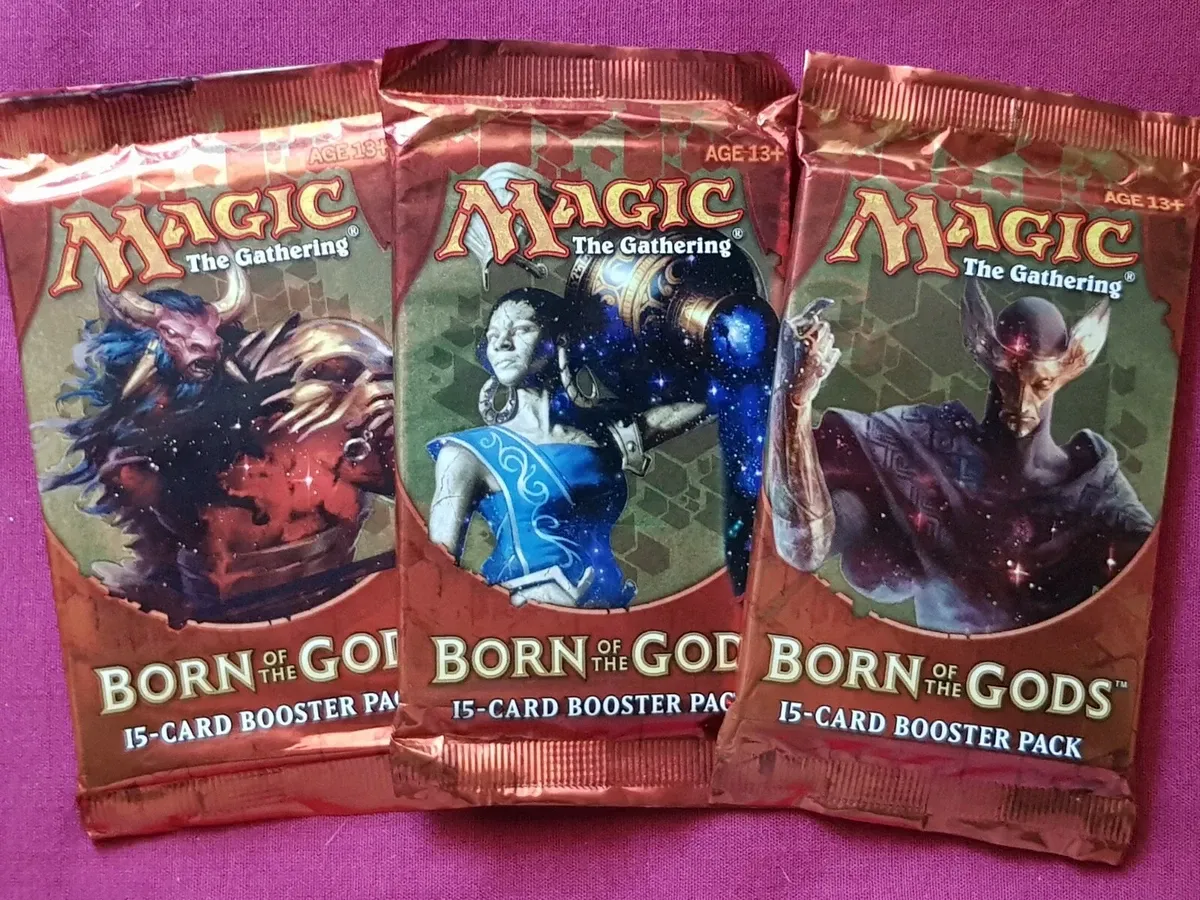
The historical reference point is Journey into Nyx, released in 2014. Polygon describes those original God Packs as an extraordinarily rare 1-in-1000 pull that replaced the usual pack mix with 15 legendary gods from the Theros block. For many MTG collectors, that set the template: a God Pack is not simply a pack with one unusually strong hit, but a pack where the entire composition changes into a concentrated collectible event.
The reported new version changes both the cadence and the contents. Instead of being attached to one Theros-block moment, Polygon says God Packs will become a recurring feature for Magic Multiverse packs beginning with Nauctis: The Sunken Realm. Instead of 15 gods, the new packs reportedly contain 14 rares or mythic rares. That makes the term “God Pack” broader than its original Theros identity. It now appears to describe a premium rarity-loaded pack structure that can be creatively adapted from set to set.
The source material does not confirm which specific rares or mythics can appear, whether the 14 cards follow normal set legality and collation rules, how foil treatments are handled, or whether any slots are curated rather than random. Until Wizards publishes exact product notes, the safest read is narrow: Polygon reports a 14-card rare-or-mythic God Pack chance, but the surrounding implementation is still unannounced in the provided sources.
This fits a broader shift toward booster packs as set identity
The reported MTG booster changes land after another recent experiment with pack identity. Polygon says every Play Booster from Reality Fracture included “echoed pairs,” cards built around a single Multiverse character and an Echoverse variant. Game Rant also framed Reality Fracture as a collector-friendly set centered on those character pairings, with the story bringing back major figures such as Ajani and Chandra alongside alternate-universe versions with different color identities.
That context is important because it suggests Wizards is treating the booster opening itself as part of a set’s design pitch. Reality Fracture used a guaranteed pack-level theme to make the act of opening boosters reflect the set’s alternate-reality concept. God Packs push that philosophy into variance and scarcity: most packs remain normal, while a tiny number become the memorable story players post, trade around, and remember years later.
Rasmussen told Polygon that Reality Fracture ended a multi-year storyline and that Nauctis begins a new arc for Magic, making it a fitting moment to reintroduce God Packs. That statement positions the change as both product design and narrative timing. For a strategy-minded buyer, though, the key distinction is that echoed pairs were described as appearing in every Play Booster, while God Packs are a chance-based feature. One is a predictable set texture. The other is a chase layer.
Why collectors care, and why singles still matter
God Packs matter to collectors because they create a concentrated hit that is easy to understand. Fourteen rares or mythic rares in one pack is a cleaner story than a normal booster with one desirable card and a pile of draft material. It also gives sealed product a new talking point: every box carries the possibility, however small, of a pack that feels radically different from the rest.
MTG Rocks’ broader discussion of Magic’s booster model helps explain the appeal and the risk. The outlet notes that Magic has a vibrant secondary market where cards can be bought, sold, and traded, and argues that buying singles is usually smarter if a player wants specific cards rather than the thrill of opening packs. That is especially relevant here. A God Pack may be spectacular, but unless the odds and eligible card pool are known, it is impossible to calculate whether sealed product offers a reasonable route to any particular card.
The collector economy also thrives on shared chase moments. MTG Rocks points to the one-of-one The One Ring from Magic’s Lord of the Rings set, which retail worker Brook Trafton opened before Post Malone bought it for about $2 million, citing BBC reporting. God Packs are not the same kind of one-of-one lottery, based on the provided information, but they operate in the same emotional lane: a rare pull that can travel beyond the table where it was opened.
The product wording leaves several important gaps
Polygon’s wording draws a line between Magic Multiverse releases and Universes Beyond. The report says God Packs begin with Nauctis: The Sunken Realm in February for packs that are part of the Magic Multiverse, while Universes Beyond releases are expected to follow suit in 2028. That means buyers should not assume every upcoming Magic product immediately has God Packs, especially crossover products before the reported 2028 Universes Beyond timing.
Magic’s product ecosystem is already fragmented enough that pack type matters. The Magic: The Gathering Wiki page for Mystery Booster Commander Edition, for example, describes that upcoming product as using 20-card booster packs, being designed for Commander draft, being convention-exclusive, and not being Standard legal. That listing is about a different product, but it illustrates the broader point: “booster” is not a single universal structure across all Magic releases.
Collector Boosters add another layer. Polygon reports that God Pack odds vary between regular packs and Collector Boosters, but without the rates, players cannot know whether Collector Boosters offer better odds, worse odds, or merely different odds attached to a higher-priced product. TCGplayer has a product page for a Reality Fracture Collector Booster Display, showing how quickly marketplace listings can become part of the buying conversation, but the provided source text does not supply pricing or God Pack-specific terms for that listing.
What players should wait to confirm before preordering
The practical advice is to wait for Wizards of the Coast’s official product pages, packaging language, and full collecting article for Nauctis before treating God Packs as a purchase reason. The report from Polygon is meaningful, and it includes comment from Wizards’ communications director, but the buyer-facing details are incomplete in the provided material.
The most important missing number is the pull rate. The old Journey into Nyx example was described by Polygon as 1-in-1000, but the new recurring God Packs do not have a confirmed rate in the excerpt. Players should also wait to see whether the 14 rare or mythic rare cards come only from the main set, whether special treatments are included, whether duplicates can appear, how the feature interacts with Play Boosters versus Collector Boosters, and whether any regions or product configurations are excluded.
For MTG collectors who enjoy sealed product, God Packs add a compelling chase to the next era of Magic: The Gathering news. For players building decks, the old rule still holds until proven otherwise: open packs for entertainment, buy singles for targets. The reported Magic booster pack changes may make cracking packs more dramatic, but they do not remove the need to compare sealed prices, card values, and actual odds once Wizards publishes the final details.