
A source-grounded Madden 27 relocation guide covering the 34 confirmed Franchise cities, visible team name options, market size, fan personality, and rebuild strategy.
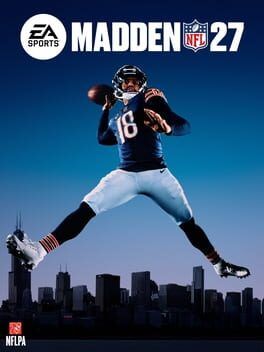
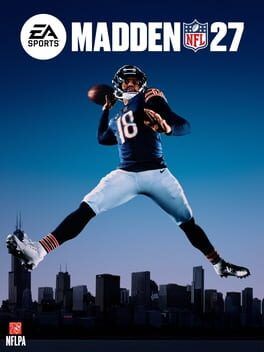
Image: IGDB
Store links: Madden NFL 27 on Steam
Madden 27 gives Franchise players 34 relocation cities, but the freedom has hard borders
The biggest concrete detail for Franchise builders is the size of the relocation map: Operation Sports and Destructoid both report that Madden NFL 27 includes 34 relocation cities in Franchise mode. That is a wide board for a long save, stretching from familiar NFL-adjacent markets such as San Diego, Oakland, St. Louis, Houston, Chicago and Toronto to international options including London, Mexico City, Tokyo, Paris, Rio de Janeiro, Buenos Aires, Dublin and Melbourne.
The tension is that this is still a curated Madden system rather than a blank check. Operation Sports reports that players cannot pick any city and team name they want. Relocation in Madden 27 uses predetermined cities, names, logos, uniforms and colors. After choosing a city, players can customize the relocated club’s brand from the available options, but Operation Sports specifically notes that team colors are tied to the selected name and logo rather than freely editable inside the relocation flow.
That makes Madden 27 relocation less about pure imagination and more about roster-building identity. A huge market with a hardcore fan base fits a very different save than a small, laid-back market where the fun is grinding out relevance over five seasons. Destructoid reports that every city has a market size and personality, and says those traits play an important role in fan dynamics. A Moyens guide goes further, framing market size and personality as factors that shift ticket income and morale, though EA’s own detailed tuning is not included in the provided source material.
For practical Franchise play, the relocation decision should be treated like a front-office choice. Market size is the business side. Personality is the fan-pressure side. Team name and colors are the identity you will stare at through drafts, cap resets, playoff losses and, if the save lasts, a full stadium upgrade project. Operation Sports also reports that picking a smaller stadium at the start allows players to build onto it in future seasons, which gives rebuilding owners another variable beyond the city list.
Every confirmed Madden 27 relocation city, market size and fan personality
Destructoid’s Madden NFL 27 relocation table lists 34 city options with market size and personality. Operation Sports separately lists the same 34-city pool, including country or regional labels for several international and Canadian markets. There is one visible spelling conflict: Destructoid’s table says “Sam Diego,” while Operation Sports lists “San Diego.” Given the real-world city and Operation Sports’ spelling, GameLoop is treating Destructoid’s entry as an apparent typo rather than a separate location.
| Relocation city | Market size reported by Destructoid | Fan personality reported by Destructoid | Franchise read |
|---|---|---|---|
| Albuquerque | Average | Loyal | A patient mid-board market, useful for a ground-up rebuild without the pressure of a giant fan base. |
| Anchorage | Small | Laid Back | One of the cleanest slow-burn novelty saves, especially if you want a cold-weather identity. |
| Austin | Large | Front Runner | Big upside, but the Front Runner tag suggests momentum may matter more than patience. |
| Brooklyn | Huge | Hardcore | A high-pressure giant market. Great for instant brand power, less cozy for a tank-and-wait save. |
| Buenos Aires, Argentina | Huge | Hardcore | A global swing with maximum market size and a demanding fan profile. |
| Canton | Small | Hardcore | Small market, intense personality. Strong football-history role-play, but not a glamour move. |
| Chicago | Huge | Hardcore | Massive market and high expectations, best for players who want a pressure cooker. |
| Columbus | Large | Front Runner | Large enough to feel like a major expansion, with a fan base that should reward fast starts. |
| Dublin, Ireland | Decent | Laid Back | A softer international rebuild than London, Tokyo or Mexico City. |
| Honolulu | Decent | Hardcore | A distinctive market with tougher fan energy than its size might suggest. |
| Houston | Huge | Loyal | A rare combination of huge market and loyal personality, one of the safest power plays. |
| London, England | Huge | Loyal | The premium international relocation choice if you want size without the Hardcore tag. |
| Louisville | Average | Hardcore | Mid-market pressure, better for blue-collar rebuild storytelling than revenue fantasy. |
| Melbourne, Australia | Huge | Hardcore | A giant global market with demanding fans, ideal for bold rebrands. |
| Memphis | Average | Laid Back | A good rebuild market for players who want room to develop draft classes. |
| Mexico City, Mexico | Huge | Hardcore | One of the strongest win-now relocation setups on paper, with size and intensity. |
| Montreal, Quebec | Large | Front Runner | A sizable Canadian option, but the personality label points toward performance sensitivity. |
| Oakland | Decent | Front Runner | A loaded real-world relocation narrative, though the in-game market is not huge. |
| Oklahoma City | Average | Loyal | A stable middle-market save, especially for patient roster builders. |
| Omaha | Decent | Hardcore | Smaller than most pressure markets, but the personality makes it feel demanding. |
| Orlando | Decent | Front Runner | A lighter market with momentum-based appeal, good for a flashy turnaround. |
| Paris, France | Large | Front Runner | Big international branding potential, but not listed as a huge market. |
| Portland | Average | Hardcore | Average size, tougher fan profile, useful for a defense-first identity. |
| Rio de Janeiro, Brazil | Huge | Hardcore | High-ceiling global market with an aggressive fan personality. |
| Sacramento | Decent | Laid Back | A gentler relocation option, especially if you want West Coast flavor without San Diego’s size. |
| Salt Lake City | Small | Loyal | Small but steady, one of the better long-haul underdog choices. |
| San Antonio | Large | Loyal | Large and loyal, a strong compromise between revenue appeal and rebuild patience. |
| San Diego | Large | Laid Back | A big market without the harsh personality label, among the most user-friendly choices. |
| San Juan, Puerto Rico | Small | Loyal | Small market with stable fan identity, best for a true build-from-nothing save. |
| St. Louis | Small | Laid Back | A classic relocation market in NFL terms, but Madden 27 lists it as small and relaxed. |
| Tokyo, Japan | Huge | Loyal | Huge and loyal, one of the best profiles for a long Franchise if you want global scale. |
| Toronto, Ontario | Huge | Loyal | Huge market, loyal fans and close North American fit, a top-tier practical selection. |
| Vancouver, British Columbia | Average | Laid Back | A calm Canadian option for players avoiding the scale of Toronto. |
| Virginia Beach | Decent | Laid Back | A modest, low-pressure choice with coastal identity potential. |
How to read market size and personality before moving your team
The city table has four broad market tiers: Huge, Large, Average or Decent, and Small. Destructoid’s list places Brooklyn, Buenos Aires, Chicago, Houston, London, Melbourne, Mexico City, Rio de Janeiro, Tokyo and Toronto in the Huge tier. Those are the closest Madden 27 comes to a relocation superpower board. If your Franchise goal is to turn an underperforming roster into a global or mega-market brand, that group should be your first stop.
Large markets are the next tier, and they may be the better fit for players who want upside without selecting the most obvious power option. Austin, Columbus, Montreal, Paris, San Antonio and San Diego all land there in Destructoid’s table. San Antonio and San Diego stand out because their fan personalities are Loyal and Laid Back, respectively. Austin, Columbus, Montreal and Paris are all Front Runner markets, which gives them a different rebuild flavor: more attractive if you plan to win quickly, less appealing if your plan includes two ugly seasons of cap cleanup.
Average and Decent markets are where the save becomes more about personality than sheer size. Oklahoma City and Albuquerque are average-sized Loyal markets, which makes them strong picks for players who value stability over spectacle. Memphis and Vancouver are Average or Laid Back, making them softer landing spots. Louisville and Portland are Average or Hardcore, which creates the fun contradiction of a non-giant market that still expects a lot. Omaha and Honolulu add similar friction in smaller tiers.
Small markets are the pure rebuild lane. St. Louis, Anchorage, Canton, Salt Lake City and San Juan all sit in the Small tier. They are not identical. Canton is Hardcore, Salt Lake City and San Juan are Loyal, while St. Louis and Anchorage are Laid Back. If you want the toughest narrative, Canton gives you small-market limitations with intense fan expectations. If you want the most patient underdog climb, Salt Lake City or San Juan reads better on the available data.
For a mode-focused Madden relocation guide, the safest advice is to avoid treating “Huge” as automatically best. A huge Hardcore market is a pressure pick. A huge Loyal market is the premium blend. A smaller Loyal or Laid Back market may create a more satisfying long-term arc if your Franchise is built around drafting, developing and stadium growth rather than buying immediate relevance.
Confirmed Madden 27 team names and color identities from the provided reports
Operation Sports reports that, after selecting a relocation city, Madden 27 lets players choose a team brand that includes the name, logo, uniforms and colors. The provided Operation Sports and Destructoid excerpts confirm the following Madden 27 team name options and color identities. The source excerpts do not include a complete visible list beyond the entries below, so GameLoop is not adding unshown names from older Madden games or community memory. Where Operation Sports and Destructoid differ on whether white or gray is part of a set, that conflict is noted rather than smoothed over.
| Team name option | Reported colors in provided sources | Branding read |
|---|---|---|
| Antlers | Operation Sports lists Green and Brown; Destructoid lists Green, White and Brown. | Outdoors identity, best with smaller or colder markets such as Anchorage, Salt Lake City or Vancouver. |
| Armadillos | Operation Sports lists Red, Black and Gold; Destructoid lists Red, Gold and Black. | Regional and distinctive, a natural fit for Austin, San Antonio or Oklahoma City. |
| Aviators | Both reports list Blue, Black and White, though ordering differs. | Clean modern look, strong for San Diego, Virginia Beach, Honolulu or a global market. |
| Bisons | Operation Sports lists Yellow, White, Orange and Blue; Destructoid lists Yellow, Orange and Blue. | A throwback-friendly identity for Buffalo-adjacent energy without using an NFL club. |
| Black Knights | Operation Sports lists Black and Red; Destructoid lists Black, White and Red. | Aggressive and easy to pair with Hardcore cities such as Chicago, Brooklyn or Canton. |
| Blues | Both reports list Blue, Black and White, though ordering differs. | Simple, traditional, and especially easy to justify in St. Louis. |
| Bulls | Both reports list Blue, White and Yellow, though ordering differs. | Broad sports-brand appeal, strong for large or huge markets. |
| Caps | Both reports list Red, White and Blue, though ordering differs. | Civic and classic, a clean match for Columbus, Virginia Beach or London if you want familiar colors. |
| Condors | Operation Sports lists Purple and Black; Destructoid lists White, Purple and Black. | Sharp alternate-uniform potential, especially for West Coast or mountain markets. |
| Desperados | Operation Sports lists Black, Red and Gray; Destructoid lists Black, Grey, Red and White. | Western and aggressive, best with Texas or Southwest saves. |
| Dragons | Operation Sports lists Black, Red and Gray; Destructoid lists Red, Black and White. | The obvious high-energy global brand, especially for Tokyo, London or Mexico City. |
| Dreadnoughts | Both reports list Blue, Yellow and White. | Naval and heavy, a strong match for coastal cities such as San Diego, Virginia Beach or Vancouver. |
| Elks | Operation Sports lists Blue and Yellow; Destructoid lists Blue, Yellow and White. | Northern/outdoors feel, good for Canadian or cold-weather markets. |
| Golden Eagles | Operation Sports’ excerpt shows Red and Green before cutting off; Destructoid lists Red, Green and White. | Traditional sports mascot with flexible market fit. |
| Huskies | Destructoid lists Blue, Black and White. | Cold-weather identity, logical for Anchorage, Toronto, Vancouver or Montreal. |
| Lumberjacks | Destructoid lists Black, Red and White. | Best for Portland, Vancouver, Anchorage or any rugged rebuild concept. |
| Monarchs | Destructoid lists Blue, White and Red. | International and regal, especially clean for London or Paris. |
| Mounties | Destructoid lists Navy, Mustard and Red. | Most naturally aligned with Canadian cities such as Toronto, Vancouver or Montreal. |
| Night Hawks | Destructoid lists Blue, Grey and Black. | Modern, darker brand that works for big-market night-game presentation. |
| Orbits | Destructoid lists Blue, Grey and White. | Space-age identity, an easy Houston fit and also usable for Orlando. |
| Pioneers | Destructoid’s provided excerpt confirms the name but cuts off after “Brow,” leaving the full palette unsupported here. | Frontier-style rebuild identity, useful for smaller or expansion-flavored saves. |
This is the one area where the provided source material limits a true complete list. Operation Sports’ headline says it has all relocation cities and names, and Destructoid’s headline says it covers all relocation teams, cities and uniforms, but both supplied excerpts are truncated before their name lists finish. The confirmed takeaway is still useful for Franchise planning: many of the visible identities are color-locked archetypes, from dark aggressive looks such as Black Knights, Dragons and Night Hawks to civic or regional choices such as Caps, Mounties, Lumberjacks and Armadillos.
Best relocation choices by Franchise rebuild style
For a win-now owner, start with Huge and Loyal before jumping to Huge and Hardcore. Houston, London, Tokyo and Toronto are the cleanest profiles in the Destructoid data because they combine the biggest market tier with a fan personality that should be less volatile than Hardcore or Front Runner. If your save begins with a contender and you want the move to feel like a business escalation, Toronto Monarchs, London Monarchs, Tokyo Dragons or Houston Orbits are all strong role-play fits based on the confirmed city traits and visible name options.
For a high-pressure content save, pick a Huge or Large Hardcore city. Chicago, Brooklyn, Mexico City, Buenos Aires, Melbourne and Rio de Janeiro offer the biggest Hardcore markets. That is the lane for players who want every loss to feel expensive. The best brands here are the bolder ones: Black Knights, Dragons, Bulls, Condors or Night Hawks. Those combinations read like teams built for primetime, but the rebuild appeal comes from the risk. A 5-12 Year 1 in a Huge Hardcore market should feel very different from a 5-12 Year 1 in Anchorage.
For a long rebuild, the best values are Loyal or Laid Back markets outside the Huge tier. San Antonio is Large and Loyal, making it one of the most balanced choices on the whole board. San Diego is Large and Laid Back, which is even friendlier if you want a strong market without turning the save into a weekly referendum. Oklahoma City and Albuquerque are Average and Loyal. Salt Lake City and San Juan are Small and Loyal. If your plan is to trade veterans, absorb dead cap, start a rookie quarterback and build a smaller stadium upward over time, these markets fit the arc better than a global giant.
For branding-first Franchise players, pick the city after the uniform. That is not usually how front offices think, but Madden saves last long enough that visual fatigue is real. Operation Sports says colors are predetermined by name and logo, so you should choose an identity you can live with for many seasons. If you like classic red, white and blue, Caps or Monarchs are safer than a niche mascot. If you prefer darker sets, Black Knights, Night Hawks, Dragons, Desperados and Condors give you more edge. If you want a regionally coherent team, Mounties in Canada, Orbits in Houston, Blues in St. Louis, Dreadnoughts in a coastal city, or Armadillos in Texas make immediate sense.
For realism, the most grounded board is San Diego, St. Louis, Oakland, San Antonio, Portland, Toronto and London. Operation Sports confirms all are in the relocation pool, and each has either real NFL history, frequent expansion discussion, or an obvious market logic. For fantasy, the international Huge markets are the fun lane: Tokyo, Rio de Janeiro, Buenos Aires, Mexico City, Melbourne and London. The game does not require you to solve travel, scheduling or collective bargaining complications in the provided source material, so those cities function as Franchise flavor rather than a simulation of actual NFL expansion politics.
How to relocate, and when Team Builder is the better answer
Operation Sports’ relocation how-to reports that players need Commissioner control to open relocation options in Madden 27 Franchise mode. From the Options tab, the Commissioner goes to League Settings, then Commissioner Settings, then Relocation Settings. Operation Sports says the setting can be changed to “Users Only” or “Everyone.” Users Only keeps relocation to user-controlled teams, while Everyone allows every team in the league to relocate, including CPU teams in a solo Franchise.
Once relocation is open, Operation Sports says players navigate to the League tab and select “Relocate or Rebuild.” That flow allows the owner to choose a new city and change the team’s name, logo, colors and uniforms within Madden 27’s preset options. Operation Sports’ cities-and-names guide also says players should make sure the right settings are enabled and wait for the end of a season. The provided excerpts do not fully explain the timing distinction between opening the menu and the season-to-season execution, so the safe practical read is to enable relocation before you are ready to commit and expect the move to play out through Franchise’s offseason structure.
There are two other important guardrails. First, Operation Sports reports that players do not have complete freedom over relocation destinations or team names because Madden 27 uses a predetermined set. Second, stadium choice matters. The same how-to says players can select stadium size for the relocation, and that choosing a smaller stadium at the start allows them to progressively build onto it in future seasons. That makes a small-market rebuild more viable as a role-play project, even if it is not the fastest route to a glamorous franchise.
If the confirmed Madden 27 team names do not fit your idea, Team Builder is the alternative. Operation Sports reports that Madden 27 uses Team Builder in Franchise mode, allowing players to create or import a custom team. The Team Builder route offers deeper creative control, including team info, logo, colors, font, uniforms, stadium and field, plus roster customization. Operation Sports says players must close Madden 27 before using the Team Builder website, sign in with the EA account used in the game, submit the team, then reopen Madden 27 and download it through Creations Center and Download Center.
That distinction is important. Relocation is the faster in-mode system with city market data and preset brands. Team Builder is the creative route if you want your own logo, colors, roster or a community-created team. For players searching Madden 27 relocation teams because they want a supported Franchise feature, use relocation. For players searching because they want full control over a fictional club, Team Builder is probably the better path.
Franchise context: relocation is stronger when the mode can carry a long save
Relocation only lands if Franchise mode has enough structure to make the move feel meaningful after the first uniform reveal. RealSport101’s Madden 27 review, based on Xbox Series X with a review copy provided by the publisher, says the game takes a step forward in Franchise through the new Persona Engine, along with Dynamic Weather and presentation upgrades. That is encouraging for relocation players because long saves depend on off-field identity, atmosphere and season-to-season hooks.
The same review is also a caution flag. RealSport101 says Madden 27’s gameplay still has familiar bugs, tackling issues, inexplicable drops, questionable AI and heavy animation dependency, even while noting that player movement feels generally strong and blocking is somewhat better. For a relocation-heavy Franchise, that creates a familiar Madden tradeoff: the team-building wrapper may be improved, but the weekly games still need to be enjoyable enough to justify a 10-year rebuild.
Destructoid reports Madden NFL 27 is available on PC and consoles, and RealSport101 reviewed the Xbox Series X version. The provided source material does not include pricing, edition breakdowns, cross-save details, PC requirements or platform-by-platform performance. If those details decide your purchase, they remain outside the confirmed material here.
For Franchise players already in Madden 27, the recommendation is straightforward. Choose Toronto, London, Tokyo or Houston if you want the best blend of market size and loyal fan profile. Choose San Antonio or San Diego if you want a large-market rebuild with less obvious mega-market energy. Choose Salt Lake City, San Juan, Anchorage, Canton or St. Louis if the appeal is earning relevance from the bottom. Then pick a name based on whether you want your franchise to feel regional, classic, aggressive or experimental, because Madden 27’s relocation colors are locked to the brand once you choose from the preset pool.