
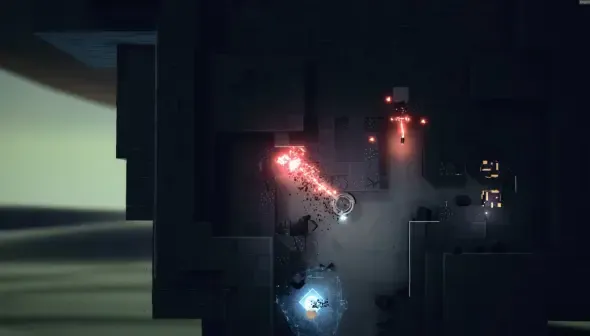

Lumen Keeper is an upcoming indie tower defense roguelite built around day planning, night combat, and a shrinking pool of light that forces players to leave safety behind.
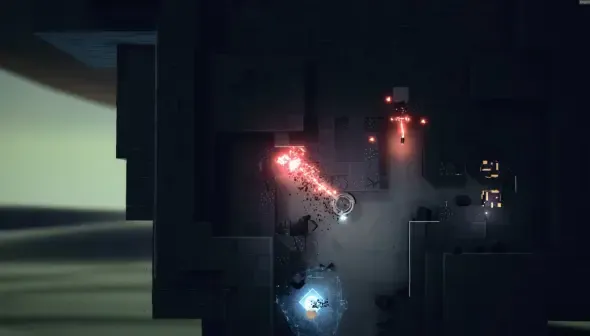
Image: dlcompare.com
Lumen Keeper starts with a simple pressure point: the light can run out
Lumen Keeper has been revealed as an indie tower defense game that fuses hands-on roguelite action with base defense, and its strongest idea is also its harshest: your safety depends on fuel dropped by the enemies trying to overrun you. GamingOnLinux reported on Nov. 9, 2026 that the game puts players in control of a small robot defending a reactor, building during the day and fighting alongside turrets when night brings the swarm.
The confirmed loop is built around Lumen, a resource left by fallen enemies. Players collect it near the front line, then carry it back to the reactor or to a connected relay to keep the light burning. If the reserve runs dry, the protected ground shrinks and buildings exposed to corrosive fog begin taking damage. That single rule gives Lumen Keeper a clear identity inside the crowded tower defense roguelite space: the safest plan may still require stepping into danger to recover the resource that makes the plan function.
According to GamingOnLinux, the developer said Lumen Keeper was inspired by Thronefall but came from wanting “more,” which frames this less as a traditional lane-defense puzzle and more as an attempt to stretch the genre toward direct combat, map control, and risk-managed recovery runs. The game is currently due sometime next year, per that report, but there is no confirmed release date in the provided source material.
A tower defense roguelite built around action, not idle optimization
The confirmed feature list positions Lumen Keeper as a hybrid with two very different tempos. During the day, players can place defenses without a timer pushing them into the next wave. That matters because it gives the tower defense half room to breathe: relay placement, building space, turret coverage, and reactor protection all appear to be strategic decisions made before the pressure spikes.
At night, the game shifts into active survival. GamingOnLinux describes players aiming, firing, dodging incoming attacks, and fighting beside their turrets rather than watching a setup resolve on its own. The reactor is the fail state. If it is destroyed, the run ends. Enemy attacks are one threat, but the fog adds a second failure path by corroding exposed structures when the light collapses.
That mix is the core pitch for roguelite players who like making builds but also want their hands on the outcome. The game’s card choices between nights, doctrine effects, blueprints, upgrades, and permanent upgrades after defeat all point toward repeat-run structure. The source material does not spell out procedural generation, map variation, price, supported platforms, or how long a run lasts, so those remain open questions rather than confirmed features.
The smart twist is that economy and survival happen in the same space
Many tower defense games split the economy from the battlefield: earn money, buy towers, survive the next wave. Lumen Keeper’s confirmed Lumen system blurs that separation. The fuel that keeps your base alive comes from enemies, but enemies die where fighting happens, not safely inside the reactor room. That means the player has to leave the center, collect drops under pressure, and decide when to bank resources or keep fighting.
This is where the design sounds most promising. Relays extend the network and open more building space, according to GamingOnLinux, but the player still has to keep those structures inside the light if they want them protected. Expansion is useful, yet overextension could become a liability if the Lumen reserve collapses. The fog is not described as a backdrop. It is a mechanical boundary that can move, punish exposed buildings, and tempt players into emergency salvage runs.
That gives Lumen Keeper an appealing push-pull rhythm on paper. Planning matters because the base has to be shaped before the swarm arrives. Reflexes matter because the robot is in the firefight. Judgment matters because the player must decide whether recovering Lumen beyond the light is worth the risk. For an indie tower defense game, that is a strong mechanical triangle.
How it fits beside the mobile tower defense crowd
The wider tower defense audience is broad, and the Android scene shows how many different forms the genre already supports. Droid Gamers’ updated 2026 list of the best Android tower defense games argues that the genre’s peak era may have passed, while still pointing to a healthy spread of notable games on Google Play. Its examples range from traditional picks like Bloons TD 6, listed there with a 4.7 Google Play score, to Kingdom Rush Frontiers at 4.8, Dungeon Warfare II at 4.6, 2112TD at 4.8, and Plants vs Zombies 2 at 3.9.
The most relevant comparison in that Droid Gamers list is Dungeons of the Endless: Apogee, which the outlet describes as mixing roguelite, dungeon crawler, and tower defense ideas. That matters because Lumen Keeper is entering an audience already used to hybrids. Mobile players have seen tower defense absorb heroes, reverse dungeon defense, sci-fi RTS flavor, trap building, and roguelite structure.
Lumen Keeper’s challenge, if it ever targets that audience, would be clarity and control. The provided material does not confirm a mobile version, and it would be a mistake to assume one. Still, its design highlights the divide between mobile tower defense appeal and PC roguelite appeal. Mobile favorites often thrive on clean readability, short-session convenience, and immediate upgrade satisfaction. Lumen Keeper, as described, leans into twin-stick pressure, spatial expansion, and resource recovery under threat. That could make it attractive to tower defense fans who want motion and improvisation, but it may be a tougher fit for players who prefer the genre as a careful placement puzzle.
For PC roguelite players, the hook is buildcraft with consequences
The term roguelite can cover a wide field. Wikipedia’s overview of roguelike and roguelite naming notes that many variations keep ideas such as procedural generation, permadeath, and metaprogression, even when they move away from older turn-based RPG roots, while also noting that the distinction between roguelike and roguelite is not well agreed. Lumen Keeper is being presented in that modern, flexible space: runs can end, choices carry weight, and rewards from completed nights can be spent on permanent upgrades between attempts, according to GamingOnLinux.
The confirmed card and doctrine systems are especially important for PC players accustomed to roguelite buildcraft. Players pick building blueprints and upgrades between nights, then combine doctrine effects to strengthen the robot and defenses. GamingOnLinux says those doctrine effects include bonuses tied to the buildings players rely on and the robot fighting alongside them.
That suggests Lumen Keeper is aiming for the satisfying roguelite question: what kind of run am I building this time? A turret-heavy setup, a relay-forward network, a robot-centered combat plan, or a defensive shell around the reactor may all be plausible directions, but the source material does not confirm exact build archetypes. The potential is clear. The details that will decide longevity, such as upgrade variety, enemy behavior, run pacing, and difficulty curve, are still unannounced in the material provided.
The open questions are practical, and they matter before wishlisting hype takes over
At this stage, the most important confirmed availability detail is also the thinnest one: GamingOnLinux says Lumen Keeper is due sometime next year, with no confirmed release date. The source text provided does not confirm platforms, price, demo plans, Steam Deck status, controller support, system requirements, publisher, or localization. It also does not confirm whether the revealed trailer reflects final balance or interface design.
That uncertainty should shape expectations. The concept is easy to recommend keeping an eye on if you enjoy a tower defense roguelite where you are physically present in the fight. It is especially worth watching for players who like the idea of defending a core while making tense excursions into unsafe territory for resources. The Lumen mechanic gives the game a clean identity that can be explained in one sentence and tested across many runs.
But the unanswered platform and release details are significant. Tower defense fans often care about input feel, legibility, and session length. Roguelite fans care about run variety, upgrade depth, and whether permanent progression supports mastery or papers over grind. Lumen Keeper has announced systems that speak to both audiences, but it still has to prove how they fit together over repeated nights.
A small-game pitch with a sharp silhouette
The best indie discoveries tend to stand out because one mechanic makes every other decision sharper. For Lumen Keeper, that mechanic is light as a depleting territory of safety. It affects where towers can survive, when the robot has to leave cover, how relays extend ambition, and how a run can spiral when the reserve dries up.
That is the reason the game reads as more compelling than a simple mashup label. “Roguelite tower defense” gets the genre tags in the right order, but the reported details give those tags friction: calm construction by day, live combat by night, cards between waves, permanent upgrades after defeat, and a reactor that can be lost to both enemies and corrosion.
For readers comparing Lumen Keeper with the best tower defense games on PC and mobile, the useful takeaway is measured optimism. The confirmed design has a strong hook for roguelite players who want agency during waves and for tower defense fans curious about a more active frontline. The wait now is for concrete release information, platform confirmation, and enough gameplay detail to show whether its light-and-fog economy can stay tense after the first few runs.