
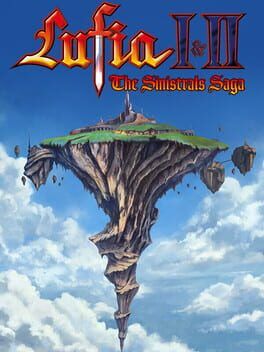
Taito is bringing Lufia 1 and 2 The Sinistrals Saga to Switch 2 and Switch in 2027, with PS5 and PC also listed, but key details remain unannounced.
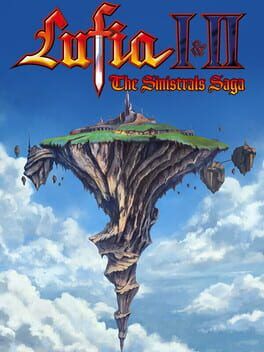
Image: IGDB
Store links: Lufia I & II: The Sinistrals Saga on Steam
Taito brings Lufia back with a cross-generation Nintendo release
Taito has announced Lufia 1 and 2 The Sinistrals Saga for Nintendo Switch 2 and Nintendo Switch, with a planned 2027 launch. Nintendo Everything reported the Switch and Switch 2 versions from Taito’s announcement, while Gematsu, Noisy Pixel, and Playasia also list PlayStation 5 and PC via Steam as part of the same release plan.
That platform spread is the immediate tension around the reveal. For Nintendo players, Lufia Switch 2 and Lufia Switch versions are confirmed in the reporting, but this is not being framed by other outlets as a Nintendo exclusive. Gematsu reports that Clear River Games will publish the collection in the West, a detail also echoed by Noisy Pixel and Playasia. Taito is the company behind the announcement, while the Steam listing provides the official product overview now being cited by multiple outlets.
The collection is currently scheduled for 2027. No exact date has been announced, and the available source material does not include pricing, physical edition plans, upgrade-path details between Switch and Switch 2, file size, language support, or performance targets.
What is included in Lufia 1 and 2 The Sinistrals Saga
The package collects Lufia & the Fortress of Doom and Lufia II: Rise of the Sinistrals, two 1990s JRPGs presented here under the title Lufia I & II: The Sinistrals Saga on the Steam page and in Gematsu, Noisy Pixel, and Playasia’s reporting. Nintendo Everything uses the title styling Lufia 1 & 2 The Sinistrals Saga, which is the phrasing many Switch owners are likely to search for after the announcement.
According to the official Steam overview quoted by Gematsu and Playasia, the collection brings together “two of the fondest remembered JRPGs of the 1990s,” citing their storylines and soundtracks. Taito’s overview says the games have been “ported lovingly and enhanced for modern play,” but neither the Steam summary nor the initial reports define the full scope of those enhancements.
The confirmed narrative setup is concise. Lufia & the Fortress of Doom follows a young man who is the descendant of a legendary hero and a young woman carrying the weight of destiny. Lufia II: Rise of the Sinistrals is described as a prequel about Maxim, a young man who would later be hailed as a hero of legend, and his companions as they battle against destiny.
The Switch 2 question is about treatment, not access
The presence of both Switch and Switch 2 versions is useful for players who have not moved to Nintendo’s newer hardware, but it also raises questions the announcement has not answered. The sources confirm that the classic JRPG collection is planned for both Nintendo platforms in 2027. They do not say whether the Switch 2 edition will have different visual options, faster loading, higher resolution output, separate pricing, or a discounted upgrade path from the Switch version.
For a 1990s JRPG collection, raw hardware power is unlikely to be the main concern for most players. The practical questions are preservation and usability. Modern collections live or die on how they handle display scaling, input latency, save options, text readability, music playback, localization presentation, and whether any convenience features alter pacing or balance. Taito’s “enhanced for modern play” language suggests changes beyond a plain wrapper, but that phrase is broad enough to cover anything from interface adjustments to save-state features or visual filters. None of those features are confirmed in the supplied material.
That makes the Switch and Switch 2 split worth watching. If both versions deliver the same content, the older Switch could be a perfectly sensible home for turn-based dungeon crawling and story progression. If the Switch 2 edition receives extra presentation or quality-of-life work, collectors and first-time players may want to wait for a clearer feature breakdown before deciding where to buy.
A collection built around sequence, destiny, and JRPG structure
The official overview’s story descriptions point to one of the collection’s key appeals for RPG fans: the two games form a generational structure rather than a pair of unrelated catalog entries. Lufia & the Fortress of Doom is presented as the first game, centered on a descendant of a legendary hero. Lufia II: Rise of the Sinistrals is explicitly identified as a prequel, following Maxim before he becomes a hero of legend.
That framing gives the re-release a natural throughline for players who care about chronology, party legacy, and how RPG worlds treat inherited conflict. The collection format lets newcomers approach Lufia as a connected saga, while returning players can revisit the relationship between the first game’s legend and the prequel’s lived campaign.
Noisy Pixel adds one important gameplay-specific note about Lufia II: Rise of the Sinistrals, describing it as particularly notable for combining traditional turn-based JRPG combat with puzzle-heavy dungeon design. That matters for expectations. This is not being sold only as a nostalgia object for players who remember 1990s console RPGs. Based on the sourced descriptions, its appeal also rests on a style of progression where combat, dungeon logic, and party adventure all matter.
The missing enhancement details are the story to watch next
Taito and the Steam overview have confirmed the existence of modernized ports, but the announcement leaves the most buyer-relevant questions unresolved. “Ported lovingly and enhanced for modern play” is promising language, but it is not a feature list. The current reports do not confirm rewind, save states, encounter toggles, gallery content, music players, remastered audio, revised translation, widescreen support, border options, difficulty changes, or bug fixes.
For classic JRPG fans, those details are not cosmetic. A collection can preserve old pacing faithfully, smooth over friction for new players, or change the feel of exploration by adding convenience systems. Lufia II’s reported puzzle-heavy dungeon design also makes input responsiveness and screen presentation more important than they might appear from screenshots alone. If a dungeon puzzle depends on movement precision or spatial reading, then display and control handling become part of the experience rather than a technical footnote.
There is also no confirmed information yet on whether the collection will include extras that contextualize the games. The sources mention a trailer and screenshots, and Gematsu says its gallery includes first screenshots, but the supplied material does not describe archival art, manuals, interviews, museum content, or development notes. Those additions can matter in a legacy package, especially for a series returning to modern storefronts after a long absence from the current console conversation.
Availability is broader than the Nintendo headline suggests
Nintendo-focused coverage naturally led with Switch 2 and Switch, but the wider release picture is broader. Gematsu reports Lufia I & II: The Sinistrals Saga for PlayStation 5, Switch 2, Switch, and PC via Steam, with Clear River Games publishing in the West. Noisy Pixel and Playasia report the same platform lineup and 2027 window.
That means players choosing between platforms should avoid assuming the Switch editions are the only way to play the new collection. PC players already have a Steam page to monitor, according to Gematsu and the Steam URL included in the announcement coverage. PlayStation 5 is also part of the reported platform list. What remains unclear is whether all versions will launch simultaneously, whether the Western release is day-and-date with any other territory, and whether retail availability will differ by platform.
For now, the safest practical guidance is simple: wishlist the Steam version if PC is your preferred platform, wait for eShop or retailer listings before making assumptions about Nintendo pricing, and hold off on platform-specific decisions until Taito or Clear River Games details the actual enhancement package.
A meaningful return, with preservation expectations attached
Lufia 1 and 2 The Sinistrals Saga lands in a market where classic JRPG collections are judged by more than whether the games technically boot on new hardware. Players want faithful content, clean presentation, convenient saves, and enough care to make older progression systems approachable without sanding them flat. The announcement confirms the foundation: two 1990s JRPGs, modern platforms including Lufia Switch and Lufia Switch 2 versions, a 2027 window, and Western publishing by Clear River Games according to multiple reports.
The larger promise is still pending. Taito’s official overview leans on memory, music, story, and destiny, all fitting pillars for a series built around heroes, inheritance, and prequel tragedy. But the value of this classic JRPG collection will depend on the unannounced specifics: how the ports behave, which quality-of-life tools are included, how the Switch and Switch 2 versions compare, and whether the final package treats Lufia II’s dungeon craft and the first game’s legacy-driven setup with the care returning fans expect.
For now, this is a confirmed revival with a broad platform plan and a carefully worded modernization pitch. It is exciting news for classic JRPG fans, but the smart move is to treat the 2027 announcement as the beginning of the reporting cycle rather than the final buyer’s guide.