
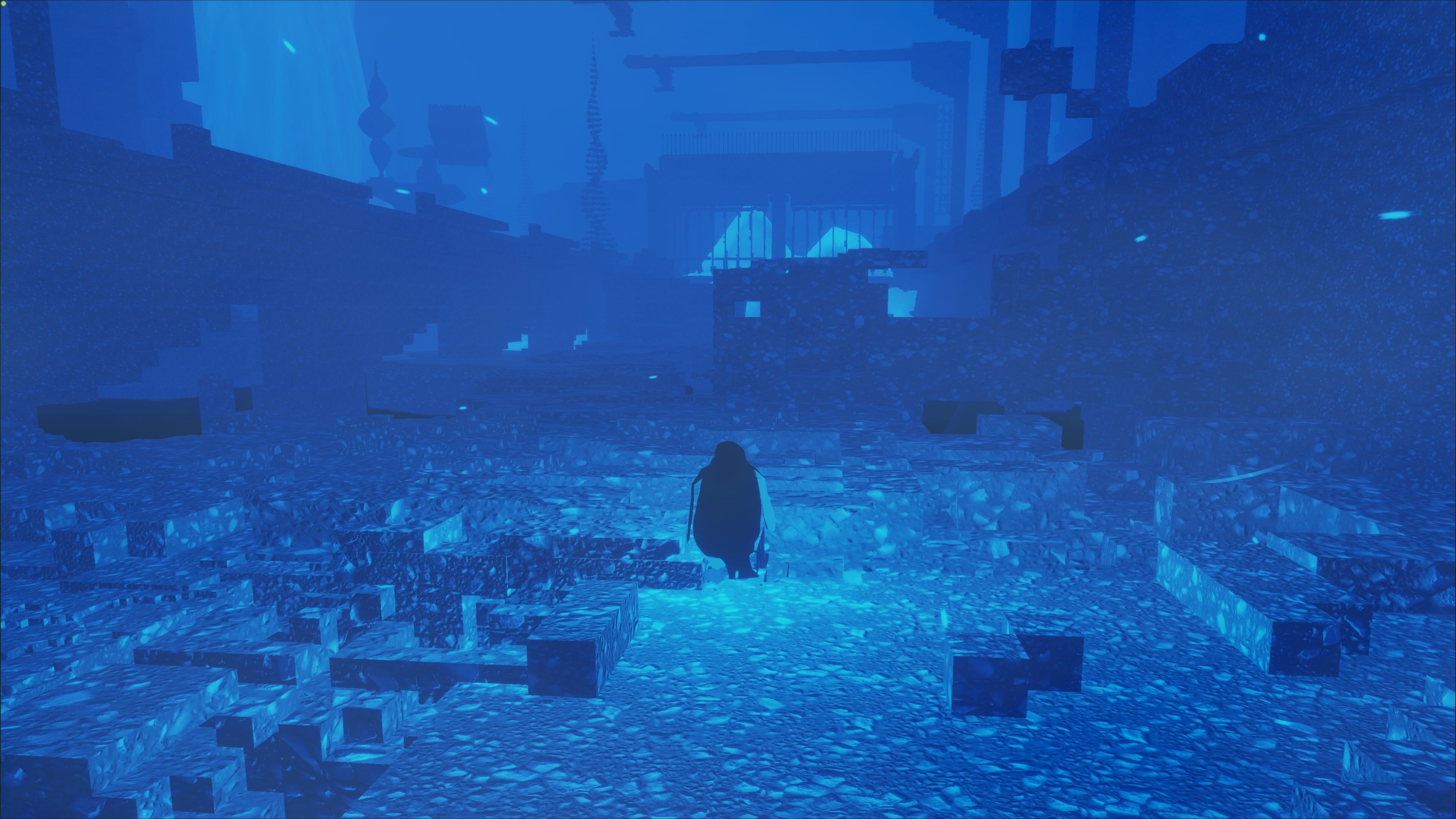

Penguin Colony is drawing attention as an indie Lovecraft game that turns Antarctic penguins into the witnesses and playable stars of cosmic horror. Here is what is confirmed about its premise, demo, Steam page, and platform status.
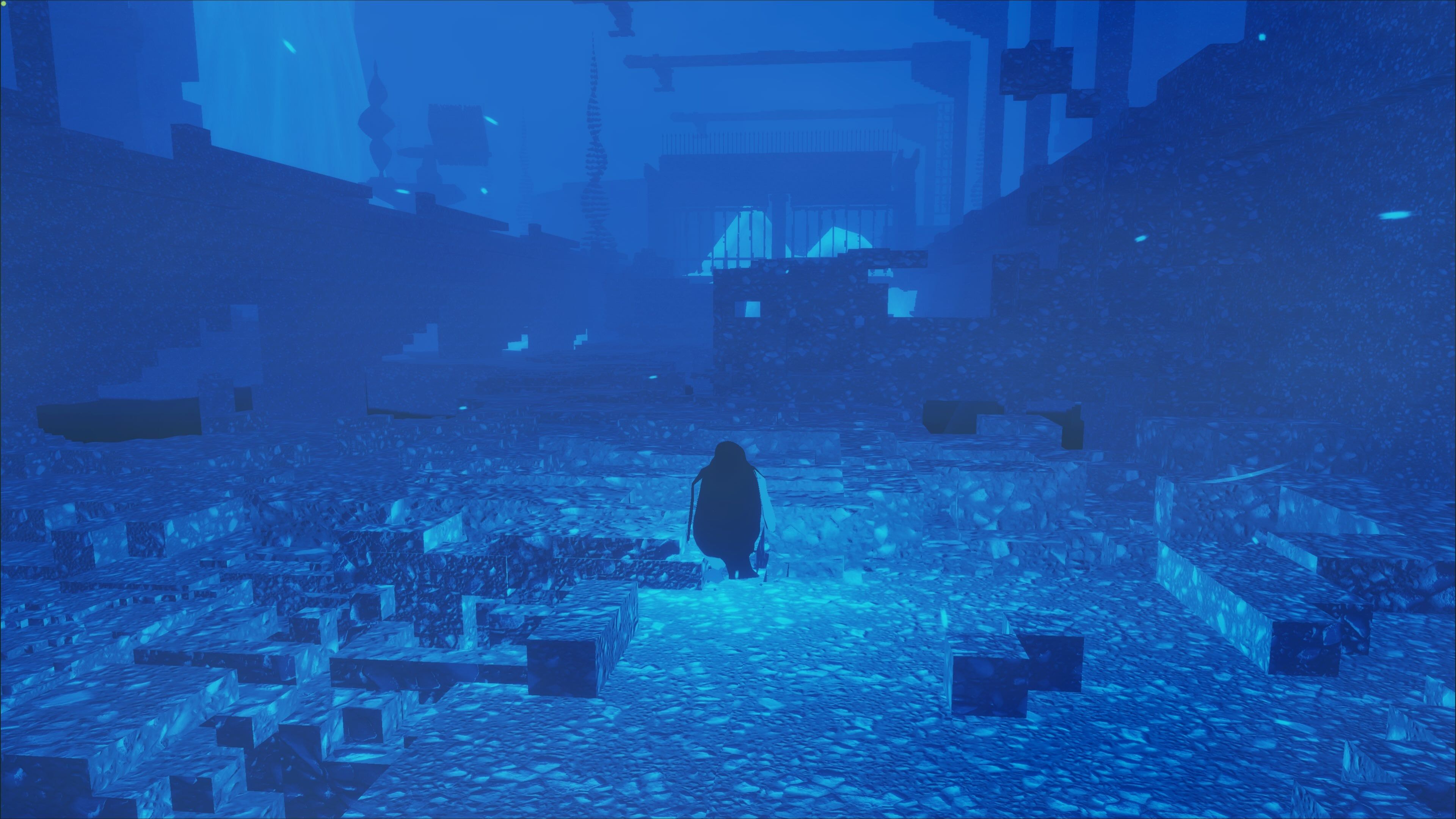
Image: screenhub.com.au
A strange horror recommendation is suddenly everywhere
Penguin Colony, the indie horror game about adorable Antarctic birds stumbling into Lovecraftian dread, has become one of the season’s oddest recommendation spikes. The concrete hook is simple and strong: GamingBible reported on Oct. 18, 2026 that the game is available on Steam and has a free demo, while Kotaku and Polygon have both singled it out as a striking new horror work built around a surreal penguin perspective.
That attention matters because Penguin Colony is not being sold on the usual horror shorthand. The sources describe no military hero, no haunted-house tourist, no ordinary human trapped in a corridor. Instead, players control penguins, including different types of penguins with distinct traits, as human expeditions disturb something ancient beneath Antarctica. It is a Lovecraft penguin game, which sounds like a joke until the reported premise turns the joke into the point.
The confirmed store destination is Steam. The Steam listing for app 3695930 is live under the title Penguin Colony, and the Steam Community hub for the same app is also live. The store page source captured for this assignment carries the header “Save 10% on Penguin Colony on Steam,” although readers should treat any discount as time-sensitive and check the current Steam page before buying.
The premise starts cute, then keeps walking into the ice
Across the available coverage, Penguin Colony is described as a cosmic horror game set in Antarctica around 1939. Kotaku reports that the game reworks H.P. Lovecraft’s At the Mountains of Madness by replacing the original expedition framework with an alternate-history setup involving Nazis attempting to uncover an ancient god trapped in the ice. GamingBible’s account adds that Nazis and Kaitiaki travel toward the call of an ancient being, with one group seeking to exploit its power and the other trying to return it to sleep.
The player role is the twist that gives the game its identity. Kotaku says players control Antarctic birds, including emperor penguins, baby penguins, rockhoppers, and chinstraps. The article describes a mechanic where nuzzling another penguin lets the player instantly transfer their essence, with different birds offering different characteristics such as speed, swimming, jumping, and even a photo mode.
That mechanic gives the premise a craftier shape than the elevator pitch suggests. This is not merely “Lovecraft, but penguins” as a poster gag. Based on Kotaku’s description, the colony itself becomes a toolset. Penguin bodies are not cosmetic skins, they are movement options and puzzle affordances. GamingBible similarly reports that players swap between different penguins to solve puzzles, while discovering photographs and collecting insights that illuminate the broader story.
The contrast works because the penguins change the horror camera
The reason this penguin horror game is catching attention is not only the absurdity of cute birds beside cosmic terror. It is the way that perspective reportedly changes what the player can understand. GamingBible writes that the story’s confusion is heightened by the fact that the player is a penguin, following humans, encountering strange sights and sounds, and witnessing events that do not fully make sense from that animal viewpoint.
That is a smart fit for Lovecraftian horror when handled carefully. Cosmic horror often depends on the gap between what is happening and what the observer can process. Penguin Colony appears to widen that gap by removing the player from human expertise altogether. The penguins are local to the Antarctic environment, but they are not built to parse human ideology, occult research, or mythic catastrophe. They can move, investigate, nuzzle, slide, swim, and witness.
Kotaku’s report also points to the contrast at a tactile level. It mentions belly sliding around the tundra and tiny expressive details in the penguins’ movement, then places those details against tombs, forbidden knowledge, and shapeless terror. That clash is likely why the recommendation spike feels organic. Indie games often break through when the mechanics and tone can be understood in one sentence, then reveal a second layer for players who actually sit down with them. Penguin Colony has that shape: cute colony movement on the surface, historical and cosmic dread underneath.
It is also a deliberate answer to Lovecraft’s legacy
The sources are unusually direct about Penguin Colony’s relationship to Lovecraft. Kotaku frames the game as a work from Umurangi Generation creator Naphtali Faulkner that uses the horror genre without excusing the racism and colonial attitudes tied to Lovecraft’s writing. Polygon’s review similarly describes Penguin Colony as a confrontational work that reclaims Lovecraftian horror from its disgraced author, and says it begins as an adaptation of At the Mountains of Madness before expanding into protest art about violence, occupation, and cultural destruction.
Those are critical readings from the outlets, not store-page feature bullets, but they are consistent in one important respect: Penguin Colony is being discussed as an indie Lovecraft game that engages with the source tradition rather than treating tentacles and madness as neutral decoration. Kotaku notes that the game’s altered retelling has Nazis seeking validation through the likeness of an ancient being, only for the discovery to undermine their assumptions. GamingBible calls it “part adaptation, part re-imagination” of Lovecraft’s mythos and cites At the Mountains of Madness and The Shadow Out of Time as inspirations named by the developer.
That distinction matters for players who are tired of Lovecraft references that borrow the mood while dodging the baggage. Based on the reporting, Penguin Colony seems interested in who gets to be afraid, who causes the catastrophe, and who is left cleaning up the mess. Kotaku mentions segments involving local Indigenous caretakers, while GamingBible specifically names Kaitiaki in the story setup. The exact extent of those sections is something players should experience in-game rather than infer from summaries, but the direction is clear: the horror is historical as well as cosmic.
What the sources say about playtime, structure, and voice
Polygon reports that Penguin Colony runs about three hours. That is useful practical context for anyone approaching it as a Halloween-season recommendation rather than a long campaign. A three-hour runtime puts it in the territory of a focused horror piece, closer to a compact evening playthrough than a sprawling survival game.
The game is also reported to be narrated by Lenval Brown, whom Polygon and GamingBible both identify through his work as the narrator of Disco Elysium. Polygon names the in-game narrator as Howard Blakely and describes the story as an altered retelling of At the Mountains of Madness mixed with other Lovecraft stories, including familiar references such as Miskatonic University and Shoggoths.
For mechanics-minded players, the most concrete appeal is the colony-switching system. Kotaku’s description of transferring between penguins through nuzzling suggests a gentle, readable interaction rather than a menu-heavy party system. GamingBible says the different penguins are used to solve puzzles, but also warns that saying too much risks spoilers. That is a fair warning for a game built on discovery. If you are coming for hard mechanical mastery, the available sources do not establish difficulty level or performance benchmarks. If you are coming for atmosphere, movement novelty, and a compact narrative experiment, the reported structure lines up with that expectation.
Steam is the page to watch, with console plans still unconfirmed
The confirmed platform path in the provided material is Steam. The Steam store page for Penguin Colony is live at store.steampowered.com/app/3695930/Penguin_Colony/, and the Steam Community page is live at steamcommunity.com/app/3695930. GamingBible reports that the game is available on Steam and that a free demo is still available there, with roughly half an hour of gameplay.
No source material provided for this piece confirms PlayStation, Xbox, Nintendo Switch, Epic Games Store, or itch.io versions. That does not rule them out, but it does mean they are unannounced in the sources we have. Players interested in the new Steam Lovecraft game should wishlist or follow the Steam listing, then watch the Steam Community hub for patch notes, demo changes, or platform announcements.
The price is also not confirmed in the provided text beyond the Steam header captured as “Save 10% on Penguin Colony on Steam.” Since Steam discounts rotate, the useful guidance is to check the live page before purchase. For horror fans, the demo is the lowest-risk way to test whether the tonal clash lands for you: a penguin colony’s soft physical comedy, an icy Lovecraftian expedition, and a political reading of cosmic horror that the current wave of coverage says is much sharper than the premise first appears.