
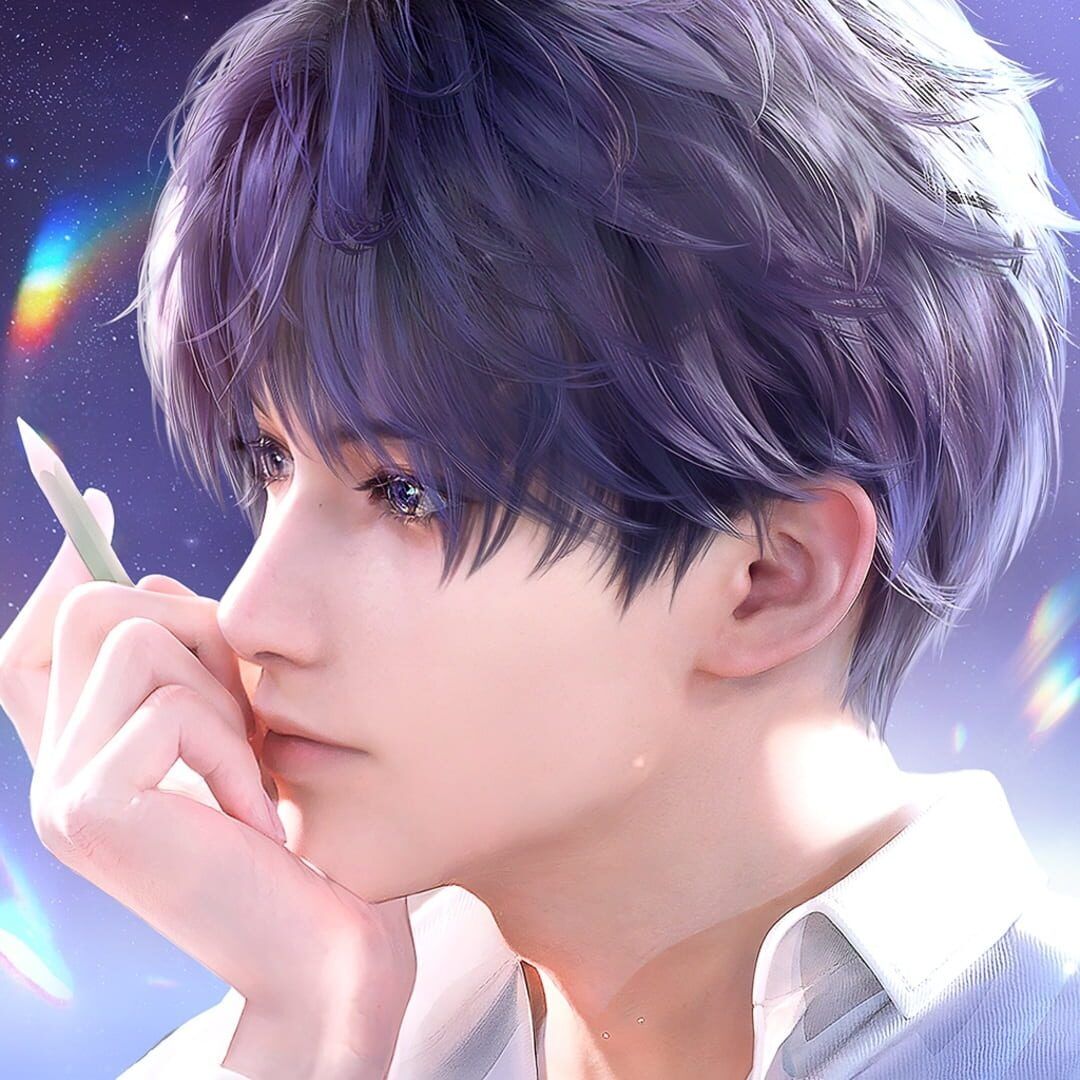
Love and Deepspace adds Valko as its sixth love interest, and the werewolf CEO is splitting the fandom. Here is how the community is reacting, what his design says about current otome trends, and why Version 6.0 could be a major engagement reset for the game.
Valko Steps Out Of The Shadows
Love and Deepspace is entering Version 6.0 “A Shattered Quiet” with its boldest addition yet: Valko, a werewolf and EonCore Tech’s chairman, who will arrive on July 9 as the game’s sixth romanceable lead and third post‑launch love interest after Sylus and Caleb. His debut comes with a dedicated romance route, new Companions and a cinematic trailer, “Chasing Night,” that frames him as both predator and protector.
On paper, that sounds like a safe win for an otome built around sci‑fi drama and supernatural power fantasies. In practice, Valko has detonated the community. Some players are feral over the “wolfy executive” who stalks the city in a mask, while others are asking how Love and Deepspace spent a year and a half hyping a new love interest only to land on someone they see as too similar to the existing cast with an underwhelming take on the werewolf fantasy.
A Fandom Split Between Feral And Frustrated
Reaction to Valko’s reveal has been almost perfectly polarized.
On one side, social feeds and Discord servers filled up with fans thrilled that Love and Deepspace went full monster boy. The combination of tall, muscular frame, burgundy hair, golden eyes and visible wolf traits hits a familiar fantasy: a dangerous supernatural partner who could easily flip between suave CEO and feral guardian. For players who already enjoy Sylus’ darker edge or Caleb’s cockier confidence, Valko reads as an escalation, not a repeat.
On the other side, skepticism set in quickly. Threads on Reddit and comments under the trailer show a recurring complaint that Valko’s base face reads too close to the rest of the cast, just lightly reskinned with wolf ears and a tail. Fans who were hoping for a more radical silhouette or distinct cultural flavor are disappointed that the “werewolf” angle leans on a sleek mask and soft ears that some have described as more like a cosplay headband than a transformation.
Regional tastes are also part of the conversation. Some fans speculate that Valko was tuned to appeal more to Western sensibilities, with broad shoulders, sharp jawline and a slightly more grounded wardrobe compared to the more stylized fantasy boys that dominate many East Asian otome hits. Those players see him as a calculated attempt to capture an international thirst wave rather than a natural extension of Love and Deepspace’s existing tone.
The result is not a simple flop or smash hit, but a noisy tug of war. For Papergames and Infold, that might be the best possible outcome, because a split fandom is still an extremely engaged one.
Why A Werewolf CEO Makes Perfect Sense Right Now
Valko’s design is not emerging in a vacuum. Otome and romance games are in the middle of a monster era where vampires, demons and beastfolk have gone mainstream, pushed by titles like Obey Me!, Twisted Wonderland, Reverse: 1999’s eccentric cast and countless webtoons built around nonhuman boyfriends. Players increasingly want partners who are visually and thematically exaggerated, with fantasy traits that can carry both power fantasies and emotional metaphors.
A werewolf is a particularly flexible archetype for that. It can symbolize suppressed desire, loss of control, or a protective pack mentality depending on how the narrative leans. By making Valko both a corporate chair and the hidden head of a werewolf clan, Love and Deepspace doubles down on the duality: boardroom predator by day, literal apex predator by night. It fits the game’s mix of sleek sci‑fi tech and supernatural threats, while staying close enough to current otome norms that fans know instantly what kind of fantasy they are stepping into.
At the same time, the reaction shows how hard it is to surprise an audience that has spent years marinating in monster clichés. Players point to his hairstyle and general styling as too safe relative to how wild some rival games are willing to go with horns, body markings or more dramatic silhouettes. Love and Deepspace is trying to have it both ways, pairing a marketable, conventionally handsome 3D model with just enough creature features to justify the werewolf branding.
A Read On His Character From The Trailer
Without the full route live yet, the best window into Valko’s personality is his “Chasing Night” trailer. It leans hard on pursuit and invitation. His narration frames the city as a hunting ground, but the focus is not violence; it is tension. The camera lingers on his gait, on gloved hands and haircut, on the way he closes physical distance like a predator circling prey, only for the script to twist that into a challenge: do you dare follow him into the dark.
That dynamic lines up with some of the most popular character types in modern otome. He is not the cold, untouchable tsundere or the sunshine himbo. Instead, he occupies that teasing, hypercompetent “dangerous mentor” niche, the kind of man who always seems two steps ahead and enjoys letting the protagonist know it. Giving him a corporate leadership role reinforces that: he is someone used to power and control, which gives his inevitable moments of vulnerability more impact.
If the full route delivers on that contrast between controlled CEO and barely restrained wolf, Valko could end up feeling fresher in practice than his initial renders suggest.
How Valko Fits Into Love And Deepspace’s Design Pattern
Looking across Love and Deepspace’s existing leads, a pattern emerges. Each man is built around a very clean fantasy role: the noble protector, the prodigy, the celebrity, the rogue. Their outfits and silhouettes are stylish but rarely extreme. Valko is the first to push hard into visible nonhuman traits in 3D, a step beyond the more subtle powers and sci‑fi flourishes that defined the launch roster.
From a design standpoint, he functions as a test case for how far the game can lean into creature aesthetics without fracturing its polished, cinematic look. Many otome titles rely on 2D illustrations, where exaggeration is easier and cheaper. Love and Deepspace is built around fully rendered 3D scenes, motion capture and close‑up camera work. That makes decisions about ears, tails and masks much more consequential. Too much realism and the wolf traits look awkward. Too much stylization and they clash with the rest of the world.
The current Valko model sits in the middle, which explains the mixed feedback. It is readable as a werewolf at a glance, but it does not overhaul the game’s visual language. If players respond well in practice, expect future love interests or event variants to push those nonhuman design elements further. If not, Valko may remain a one‑off experiment in “furspace.”
What This Means For Player Engagement
From a live‑ops perspective, Valko arrives at an important moment. Long‑term Love and Deepspace players have been waiting a long time for a sixth core love interest, and you can feel the pressure built into that anticipation. Any reveal would have been contentious, but a werewolf CEO in a game that has mostly avoided overt beastfolk prior to this was always going to be especially divisive.
That divisiveness is also a retention tool. The initial spike of attention around Valko’s reveal has spilled beyond the usual otome circles into broader gaming sites, short‑form video platforms and general fandom spaces. Arguments over whether he is hot, mid or misaligned to the game’s tone are functionally free marketing, keeping Love and Deepspace circulating in recommendation feeds in the lead‑up to Version 6.0.
In‑game, Valko’s route and associated systems are likely to drive a serious engagement bump. A fresh romance path means new CGs, story stages, dates and gift interactions for players who have already chewed through most existing content. New Companions tied to his banner give gacha‑driven collectors something to chase, especially if their combat kits end up being strong in endgame stages. Even players who are lukewarm on his look have a reason to log in if his story connects back to bigger plot threads or offers rare upgrade materials.
The real test will come a month or two after launch. If Valko’s narrative arc lands emotionally, his initial controversy may soften into the same kind of affection that grew around earlier love interests who did not immediately click with everyone. If his story feels shallow or disconnected, the community may treat him as a curiosity and move on, pushing pressure back onto the developers to make the seventh lead a real reinvention.
Setting Up The Next Phase Of Love And Deepspace
Whether you love or dislike his design, Valko’s reveal feels like a statement of intent. Love and Deepspace is not just adding more pretty faces; it is experimenting within the constraints of its high‑fidelity 3D presentation and global audience. The werewolf executive concept taps into the broader monster romance boom, while the community’s split reaction exposes just how specific players’ expectations have become about what “monster boyfriend” should mean.
If Papergames leans into the feedback, we could see future love interests that stretch even further from the human baseline, or variants that rework existing boys into more dramatic forms. For now, Valko stands at the crossroads between polished sci‑fi drama and unabashed creature fantasy. His success or failure will not just decide how many players chase his banner, but how weird Love and Deepspace is willing to get from here.