
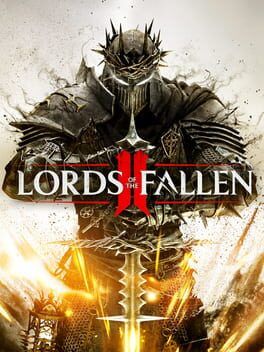

CI Games has terminated its Epic Games Store exclusivity deal for Lords of the Fallen 2 on PC. Here is what a wider launch could mean for visibility, player adoption, and Epic’s evolving store strategy.
CI Games walks back from Epic’s PC lock-in
Lords of the Fallen 2 is no longer marching toward an Epic Games Store–only launch on PC. A recent legal filing, first picked up by Polish outlet Bankier and reported in detail by Eurogamer, GameDeveloper, and The Escapist, confirms that CI Games has been released from its multi‑year exclusivity obligations to Epic.
The deal, signed in 2024, would have seen Epic publish the game on PC and keep the sequel locked to the Epic Games Store for its launch period. CI Games has now bought its way out of that agreement through what the filing describes as a “conditional” termination. The studio keeps access to Unreal Engine and other Epic services, but Epic will no longer publish the title or control its PC distribution.
With a 2026 release still the stated target on PC, PS5, and Xbox Series X|S, the sequel can now pursue a simultaneous multi‑store launch rather than arriving as an Epic exclusive.
Why CI Games wanted out
The filing does not spell out motives, but the upside for CI Games is easy to read. The 2023 Lords of the Fallen reboot sold more than 2.5 million copies despite a mixed critical response and launch‑week technical problems. That performance suggests the series has room to grow into a mid‑tier Soulslike franchise, provided the sequel can reach as many players as possible.
Locking Lords of the Fallen 2 to a single PC storefront would have limited that reach. Steam remains by far the dominant ecosystem for core PC players, and a sizable portion of that audience routinely ignores Epic‑only releases in favor of waiting for a Steam version. For a follow‑up that needs to build on a modest but promising base, leaving those players on the table is a risk CI Games no longer seems willing to take.
Multiple reports also point out that the agreement was struck in a different market moment. In 2024 Epic was still actively securing exclusives to grow store share. Two years later, many of those bets have not translated into a lasting shift in player behavior, while platform fees, marketing expectations, and development costs have only grown. Buying out the deal looks like CI Games repositioning Lords of the Fallen 2 for long‑tail success rather than upfront guaranteed money.
A bigger PC footprint at launch
The clearest implication of the move is that Lords of the Fallen 2 can launch on Steam alongside the Epic Games Store and potentially other storefronts such as GOG. That broader footprint affects three key areas for the sequel.
Visibility and wishlists
On Steam, wishlists function as one of the most powerful organic marketing tools in PC gaming. A large wishlist base drives prominent placement in discovery queues, “popular upcoming” charts, and seasonal sale pages. For a Soulslike that will be competing directly with FromSoftware’s output plus a crowded field of imitators, that surface area matters.
Under Epic exclusivity, Lords of the Fallen 2 would miss out on years of wishlist accumulation as CI Games ramps its marketing campaign. By going wider, the publisher can open a Steam page long before launch, feed it with each trailer, dev update, and preview beat, and capture interest from players who might never browse Epic’s catalog. That can translate directly to a stronger day‑one spike and more favorable positioning in the weeks that follow.
Community and content ecosystem
Steam is not just a store. It is a cluster of communities, workshop tools, controller profiles, guides, and review systems that define how many PC players engage with a game.
The first Lords of the Fallen benefited from guides, build discussions, and performance tweaks created by players. If the sequel arrives on Steam at launch, that activity can kick off immediately inside a space the community already uses. Streamers and content creators also tend to value a Steam release because it simplifies access keys, overlay tools, and audience expectations. A broader presence across Twitch and YouTube can help a mid‑size title punch above its weight when it lands in a busy October‑to‑December window.
By contrast, remaining exclusive to Epic would mean a smaller in‑store community layer and less organic guide and mod culture around the game. That does not mean the sequel would fail on Epic, but it would be swimming against the current of how PC players typically organize around complex action RPGs.
Player adoption, price sensitivity, and regional reach
Epic’s store has made inroads through free‑game giveaways and occasional blockbuster exclusives, but its user base still lags far behind Steam’s, especially in regions where local payment options and pricing are critical. Multi‑store support allows CI Games to:
Open up in markets where Steam has the better payment and pricing infrastructure.
Align discounted launch promotions across stores without being boxed into a single platform’s timing.
Capture players who have built their libraries and friend lists in one ecosystem and resist installing another client.
Given that Soulslikes often rely on co‑op and PvP to drive engagement, each marginal barrier to adoption can hurt. Removing the exclusivity barrier should give Lords of the Fallen 2 a better shot at strong concurrency, which in turn supports matchmaking, co‑op sessions, and a healthier online component.
What this signals about Epic’s changing strategy
The end of the Lords of the Fallen 2 deal does not mean Epic is abandoning PC publishing or Unreal support. CI Games will continue to use Epic’s technology stack, and the game is still expected on the Epic Games Store alongside other platforms. What appears to be changing is how aggressively Epic leans on full exclusivity as the default way to grow its marketplace.
Several trends frame this shift.
First, outright exclusivity has become a harder sell to players, especially for titles that are not giant, must‑play releases. Multi‑year exclusive windows frustrate users, fragment libraries, and often lead to muted launches on the second storefront when the game eventually arrives there at a discount. The value proposition for mid‑tier publishers has weakened as a result.
Second, Epic’s own business pressures have been mounting. Storefront subsidies, free‑game campaigns, and revenue guarantees add up, and the company has been vocal about needing to operate more sustainably. That naturally points toward deals structured around marketing support, better revenue splits, or timed content rather than paying to keep entire games away from competitor stores indefinitely.
Third, the industry has shifted toward cross‑platform launches that treat PC as one pillar alongside consoles, not a separate market locked to one client. Success stories like Elden Ring, Lies of P, and Remnant II have shown that simultaneous releases across console and Steam maximize word of mouth and co‑op momentum. In that environment, PC‑only exclusivity begins to look out of step with how players actually buy and play games.
The conditional nature of CI Games’ termination indicates that Epic is prepared to unwind some of its earlier, more rigid deals as long as it can still keep the game within its broader ecosystem. From Epic’s perspective, having Lords of the Fallen 2 on its store at all, even without exclusivity, still feeds into catalog growth and gives players a choice of where to buy.
What to watch as Lords of the Fallen 2 marches toward 2026
For players, the headline is simple. Provided CI Games follows through with a multi‑store strategy, Lords of the Fallen 2 should arrive on Steam at launch rather than years later, and likely on at least one additional PC storefront. That alone will put the sequel in front of a far larger audience on day one.
For the industry, the move will be an interesting case study in how much value Epic’s exclusivity dollars still carry and how publishers weigh guaranteed funding against long‑term ecosystem health. If Lords of the Fallen 2 sees stronger adoption, community buzz, and tail sales than comparable Epic‑exclusive releases, more mid‑tier studios may follow CI Games’ path and negotiate looser arrangements that prioritize reach over platform lock‑in.
With a 2026 window and plenty of development time left, the bigger question now is whether Hexworks can deliver a sequel that capitalizes on the expanded audience the new PC strategy enables. If the team can pair the more aggressive commercial positioning with tighter performance, smarter encounter design, and a clearer identity in a crowded Soulslike field, Lords of the Fallen 2 could end up being remembered as the moment the series stepped out of cult status and into the broader action RPG conversation.