
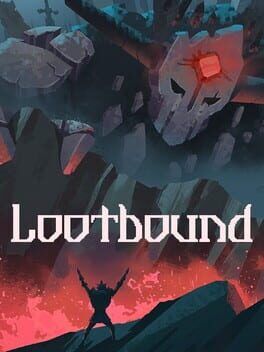

How Lootbound blends D&D-style dungeon delves, squad tactics, and obsessive inventory management into one of the more distinctive roguelites headed to Nintendo Switch.
Lootbound is quietly shaping up to be one of the more distinctive tactics roguelites on the horizon, and Nintendo Switch players are already on its guest list. Developed and published by ArtDock and currently slated for a March 31, 2026 release, it aims to fuse dark-fantasy dungeon delving with tight, turn-based encounters and a very literal take on loot obsession. If the pitch lands, this could be the game for anyone who likes their tactics crunchy, their runs unforgiving, and their backpacks packed to the breaking point.
A D&D-style delve built for repeat runs
Lootbound’s world is framed like a classic tabletop campaign gone wrong. A Mysterious Master constructs deadly dungeons full of traps, monsters, and peculiar rules, then challenges would-be heroes to survive the gauntlet. The tone leans into dark fantasy, closer to a grim tabletop module than a heroic power fantasy. Rooms hide nasty surprises, the corridors are designed to bleed resources from the party, and every victory feels earned rather than guaranteed.
That tabletop DNA shows up in the structure of each run. You assemble a squad of adventurers and push through a dungeon floor by floor, making choices about where to head, when to rest, and what risks are worth taking with your dwindling supplies. The encounters and layouts are roguelike in spirit, so no two expeditions should play the same. Even when you know roughly what a particular threat can do, its placement and the condition of your party can turn a simple fight into a desperate scramble.
Squad tactics where positioning really matters
Combat in Lootbound is turn based and squad focused. You control a small party rather than a single hero, and each character brings a specific role to the grid. Frontliners screen fragile allies, ranged characters set up firing lanes, and support units keep the team patched together or control the battlefield with spells and debuffs.
Positioning is central. Tight dungeon corridors create chokepoints, corners hide ambushes, and environmental hazards can be exploited if you are willing to maneuver for them. The dark-fantasy monster roster encourages cautious play too, since enemies often hit hard enough that sloppy moves can snowball into a wipe. Surviving is less about brute-force damage and more about using abilities in sequence, managing turn order, and squeezing every advantage from terrain and status effects.
Because this is a roguelike, party composition is part of the puzzle. Different lineups will approach the same problem in radically different ways. A durable, shield-heavy group can weather more attrition at the cost of speed and damage, while a glass-cannon party might end fights quickly but collapse if anything goes wrong. Experimenting with builds and learning how far you can push a particular squad before they break is a big part of the appeal.
Inventory Tetris as a core mechanic, not a side chore
Lootbound’s name is not an accident. The game leans into loot management as a defining mechanic, right down to how inventory space works. Instead of a simple list of items, you are dealing with a physical grid where gear, consumables, and curios all take up shaped slots. Managing that inventory is as much a tactical exercise as the battles themselves.
The system will be immediately familiar to anyone who has played a classic dungeon crawler or certain survival horror games, but here it is directly tied to the roguelike loop. Every decision about what to pick up, what to rotate to make fit, and what to leave behind can have consequences later in the run. A bulky piece of armor might keep a character alive but force you to abandon potions and tools. Carrying extra weapons could give you more options in combat while starving the party of valuable resources.
On Switch, this should create an interesting rhythm. Runs are broken into digestible chunks of exploration, combat, and re-packing your bag between encounters. It is the kind of system that invites min-maxing on the couch as you reshuffle items one more time before you move deeper into the unknown.
What sets Lootbound apart from other tactics roguelites
The tactics roguelite space is already busy, so Lootbound has to do more than offer competent turn-based fights. Its strongest pitch lies in how it binds three pillars together: D&D-style dungeon delving, multi-character tactics, and dense, spatial loot management.
First, the emphasis on a dark, trap-filled dungeon overseen by a single malevolent Master gives the runs a clear narrative frame. It feels closer to a tabletop dungeon crawl than the more abstract structure of many tactics roguelikes. This makes moment-to-moment decisions about risk and reward feel like part of a larger story rather than just another random node on a map.
Second, the squad-based design means the meta of a run is not just about items and upgrades but also about how those pieces land on different characters. You are not just building a single overpowered hero, you are shaping a full party with complementary roles. Discovering loot that perfectly slots into an existing strategy, or forces you to rethink a character’s job mid-run, can be as satisfying as any big critical hit.
Finally, inventory Tetris is treated as a primary system instead of incidental friction. Where many games in the genre automate inventory or hide it behind simple capacity bars, Lootbound asks you to actually engage with it. That creates a distinct layer of strategy that sits between exploration and combat. The party that walks into the next fight is directly shaped by how cleverly you packed your grid.
This combination should give Lootbound a different flavor from tactics roguelites that lean harder into deckbuilding, hero-collecting, or linear campaigns. It is less about building a perfect card engine or unlocking a massive roster and more about surviving one carefully mismanaged bag at a time.
Looking ahead to the 2026 launch on Switch
With a planned release window in 2026 and a confirmed Nintendo Switch version, Lootbound is still some distance away. That gives ArtDock time to tune difficulty, enemy variety, and progression pacing, all critical for a game so dependent on repeat runs. The core ideas are clear, though: tight squad tactics, a grim fantasy dungeon that feels like it could have been sketched behind a DM screen, and a loot system that asks players to think spatially as much as strategically.
If it all comes together, Lootbound could carve out a niche on Switch as the go-to tactical roguelike for players who want D&D-style dungeon tension and the quiet satisfaction of squeezing one more potion into an overstuffed pack.