
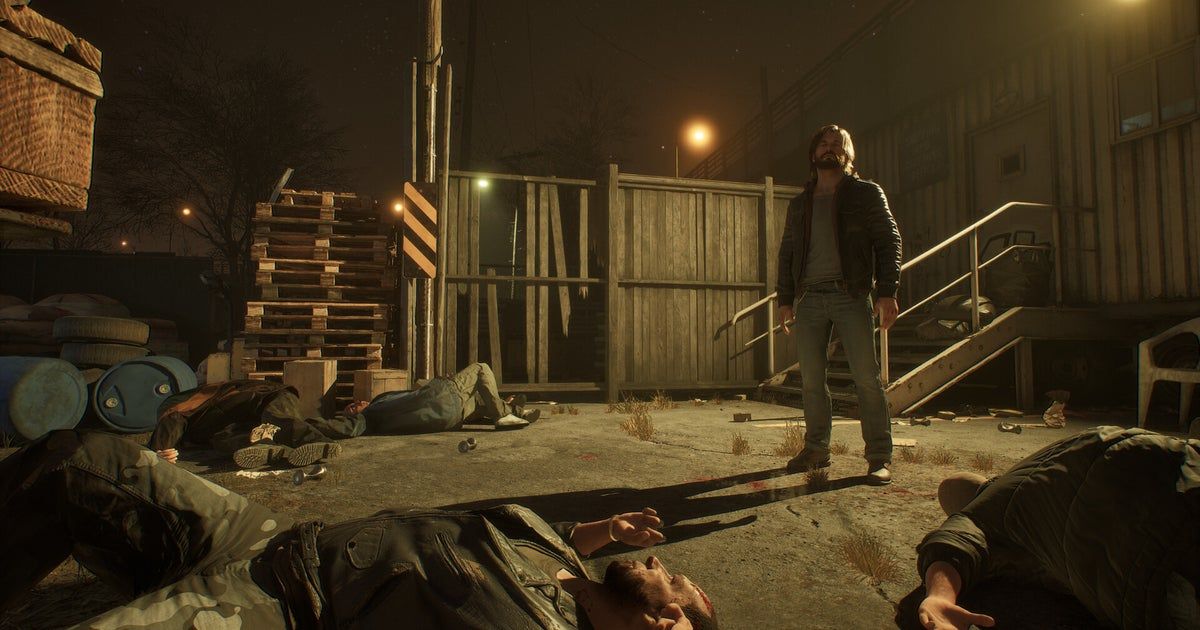

Swedish studio Liquid Swords has been placed in bankruptcy months after launching Samson, with reports of unpaid wages, a buyer search, and an uncertain future for the open world crime game.
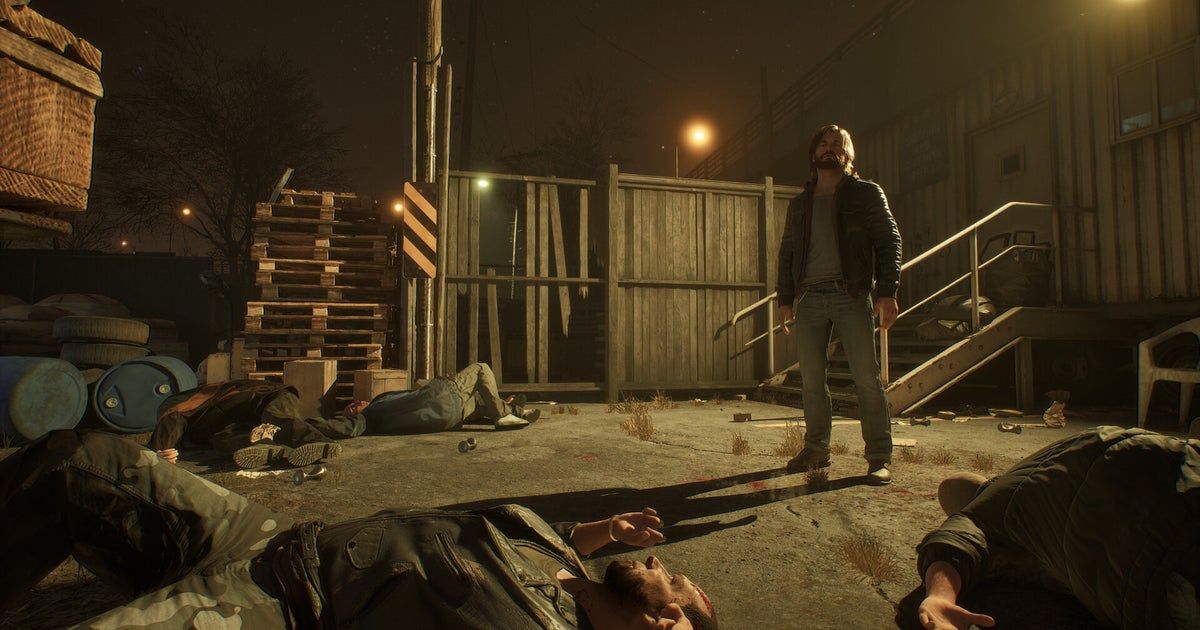
Image: eng.pressbee.net
Liquid Swords enters bankruptcy months after Samson launched
Liquid Swords, the Swedish studio behind the open world crime game Samson, has been placed in bankruptcy following an October 12 order from the Stockholm District Court, according to reporting from Swedish outlet Breakit cited by Rock Paper Shotgun, Kotaku, and Twisted Voxel. The filing lands roughly half a year after Samson arrived on PC, and shortly after the game received further patches intended to address launch problems.
The immediate tension is human before it is commercial. Breakit, via Rock Paper Shotgun, reported that almost 30 employees are affected and that staff had gone at least two months without pay. Kotaku, citing Gametalk’s report on Breakit’s coverage, says employees had reportedly not been paid since August 2026. Rock Paper Shotgun also reports that employees themselves petitioned to file the company as bankrupt, with the Swedish state stepping in to cover unpaid salaries through the wage guarantee system.
That makes the Liquid Swords bankruptcy a different kind of post-launch failure than a poor sales chart or a quietly abandoned Steam page. Samson was still being worked on. Rock Paper Shotgun notes that the game received an update as recently as this month, while Kotaku points to an October 8 Steam update and says the game had also reached PlayStation 5 and Xbox Series consoles on September 21. The reported sequence is stark: developers were still shipping fixes while wages were allegedly going unpaid.
Samson’s troubled launch turned technical debt into business risk
Samson was Liquid Swords’ debut and, so far, only released game. The studio was founded in 2020 by Christofer Sundberg, the former Avalanche Studios co-founder associated with the Just Cause series, according to Rock Paper Shotgun, Kotaku, and Twisted Voxel. Twisted Voxel identifies the game as Samson: A Tyndalston Story and says it launched for PC in April 2026 as an Unreal Engine 5 open world, narrative-driven action game. Kotaku gives the Steam launch date as April 8, 2026.
The project’s pitch carried obvious ambition: a GTA-like or open-city crime sim with debt repayment, battered vehicles, street jobs, brawling, and pressure built into its daily structure. Rock Paper Shotgun’s account of its own verdict highlights that the repayment loop created tension by making failed jobs costly. The problem, according to that same verdict as quoted by the outlet, was that bugs could cause key NPCs not to appear or missions to fail, undermining the stakes the game was built around.
Kotaku reports that Samson launched to weak reviews and sits at 51 percent on Metacritic. It also says critics and players focused on bugs and performance issues at launch. Sundberg later described the launch state as “unacceptable” in a Steam apology letter, according to Kotaku, and pledged fixes for “game-breaking bugs and performance issues.” Rock Paper Shotgun similarly says subsequent patches sought to address the game’s problems, including serious bugs and changes to races. The October Steam update cited by Rock Paper Shotgun brought combat responsiveness adjustments and a range of fixes.
From a strategy perspective, the damaging part is not only that Samson had bugs. It is that the bugs struck at the game’s core economy. When an open world game is built around debt, failed jobs, and daily financial pressure, technical instability does not sit at the edge of the experience. It changes the player’s relationship with risk. A mission failure caused by a broken trigger is not the same as a mission failure caused by bad planning. For a smaller studio trying to earn trust after release, that distinction can decide whether a patch cycle becomes a recovery arc or a drain on remaining resources.
The studio was already smaller before launch
The bankruptcy did not appear out of nowhere. Rock Paper Shotgun notes that half the team was laid off partway through development. Twisted Voxel reports that Liquid Swords underwent significant restructuring in 2025, laying off around half its workforce, approximately 45 employees, amid financial difficulties and broader games industry challenges. Those reports point to a studio that had already lost scale before shipping its first game.
That context matters because open world games are unusually hungry projects. Even a compact crime game has to sustain traversal, combat, AI, mission scripting, vehicles, economy tuning, world streaming, save systems, and performance across a messy range of player behavior. When a team is cut during development, scope rarely disappears cleanly. It has to be redesigned, deferred, simplified, or pushed into a post-launch backlog.
Rock Paper Shotgun links those development cuts to Samson’s unusual structure through earlier PC Gamer reporting that the open world crime game had to be pared back mid-development. The result, according to that framing, may have made Samson more distinctive, but it also left the game entering the market with a narrower margin for error. A mid-sized studio can sometimes survive a rocky release if the player base is large enough, the publisher runway is long enough, or the game’s systems are simple enough to stabilize quickly. The reporting here suggests Liquid Swords had none of those cushions in obvious abundance by the time bankruptcy proceedings began.
Twisted Voxel also reports that Liquid Swords had previously received investment from NetEase and that its most recently available financial statements showed revenue of about 106 million Swedish kronor and losses of nearly 39 million kronor. Those figures are reported, not independently confirmed here, but they fit the broader picture of a studio carrying major development costs into a difficult launch window.
Unpaid wages shift the story from sales disappointment to worker fallout
The most serious reported detail is the wage situation. Breakit’s reporting, as relayed by Rock Paper Shotgun, says almost 30 employees are affected and that the Swedish state will cover all unpaid salaries. Twisted Voxel also says the state is set to compensate affected workers through Sweden’s wage guarantee system. Kotaku, citing Gametalk, reports that close to 30 developers had not been paid since August 2026.
There is a narrow but important distinction between the sources. Rock Paper Shotgun says staff had gone at least two months without pay. Kotaku’s version, via Gametalk, says they had reportedly not been paid since August. Twisted Voxel describes the studio as having gone several months without paying employee salaries. All three accounts point in the same direction, but the exact period is reported rather than directly documented in the provided materials.
The reported employee petition also changes how the bankruptcy reads. According to Rock Paper Shotgun’s summary of Breakit, staff themselves petitioned to file the company as bankrupt. That is a severe move inside any studio, especially one still associated with an active product. It suggests the post-launch plan, whatever it was, had run into a cash reality employees could no longer absorb.
For players, this should temper expectations about further Samson patches. A game can remain listed and playable while a company is in bankruptcy, and Kotaku says the game received a Steam update on October 8. But ongoing support depends on who controls the assets, who funds work, and whether a buyer emerges. None of the provided reporting confirms a future roadmap, continued patches, or a support team beyond the bankruptcy process.
A buyer search could decide Samson’s future
Breakit reported that the bankruptcy administrator was hopeful about finding a buyer, according to Rock Paper Shotgun and Twisted Voxel. Kotaku adds that Breakit identified the administrator as Cirio Law and reported that Liquid Swords and its assets, including Samson, had been put up for sale, with a bidding window closing on October 21.
That potential sale is now the practical hinge for the Samson open world crime game. If a buyer takes the company’s operations or intellectual property, the game could theoretically receive further maintenance or be repositioned. If no buyer emerges, support could slow further or stop, depending on the bankruptcy estate’s decisions and any remaining obligations. The sources do not confirm which outcome is likely, and they do not report an announced buyer.
Kotaku also reports that Liquid Swords and Sundberg had not appeared to address the bankruptcy order on their social media accounts at the time of its article. In the absence of a direct studio statement in the provided material, the clearest confirmed pieces are the court order date, the reported wage claims, the affected staff count, and the buyer search. Anything beyond that, including whether Samson survives as an actively updated game, remains unresolved.
For anyone considering buying Samson now, the cautious read is simple: treat the current build as the product, not a promise. The sources show a game that has received several updates, including recent fixes, but also a studio in bankruptcy and a support future tied to asset sales. That is not the same risk profile as buying a rough game from a stable developer with a published patch roadmap.
The broader warning for mid-sized open world studios
Liquid Swords’ collapse sits inside a pattern the industry has become painfully familiar with: experienced founders, ambitious technology, a costly genre, restructuring before launch, then a release that needs more time and money after it reaches players. The available reporting does not prove that Samson’s reception alone caused the bankruptcy. It does show that the studio entered bankruptcy months after a technically troubled launch, after reported layoffs during development, and amid claims of unpaid wages.
Open world development magnifies every production mistake. A small action game can often isolate a broken encounter or rebalance a weapon without disturbing the whole design. An open-city crime game is a mesh of economy, AI, mission state, traffic, traversal, combat feel, save logic, and performance. Samson’s debt system made that mesh even tighter. When the economy punishes failure, bugs become balance problems. When missions depend on scripting reliability, broken NPC spawns become progression problems. When performance is poor, combat responsiveness becomes both a technical and design issue.
That is the strategic lesson in the Liquid Swords bankruptcy, not a moral about ambition being bad. Mid-sized developers can still make open world games, but the genre punishes teams that lack cash reserves, QA depth, and enough time after launch to convert patches into renewed player trust. A studio can ship, apologize, patch, and still run out of runway before the market changes its mind.
Samson may yet find a buyer, and Breakit’s reporting leaves that possibility open. For now, the confirmed picture is grim: a Swedish game studio bankruptcy affecting close to 30 workers, reported unpaid wages dating back at least two months, and a debut open world crime game whose future depends on the outcome of bankruptcy proceedings rather than a normal live support plan.