
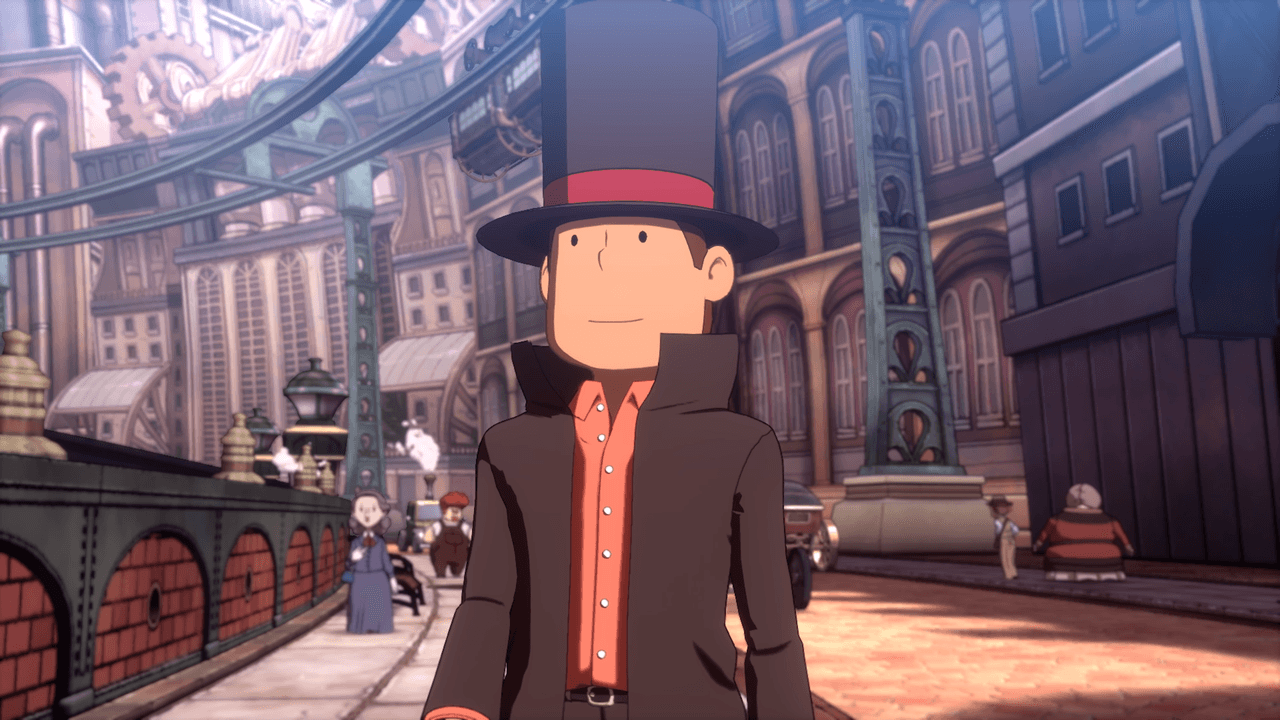
Level-5 has apologized and reworked trailer materials after fans accused its latest showcase of generative AI use, leaving Professor Layton players with different levels of reassurance for New World of Steam and Curious Village.
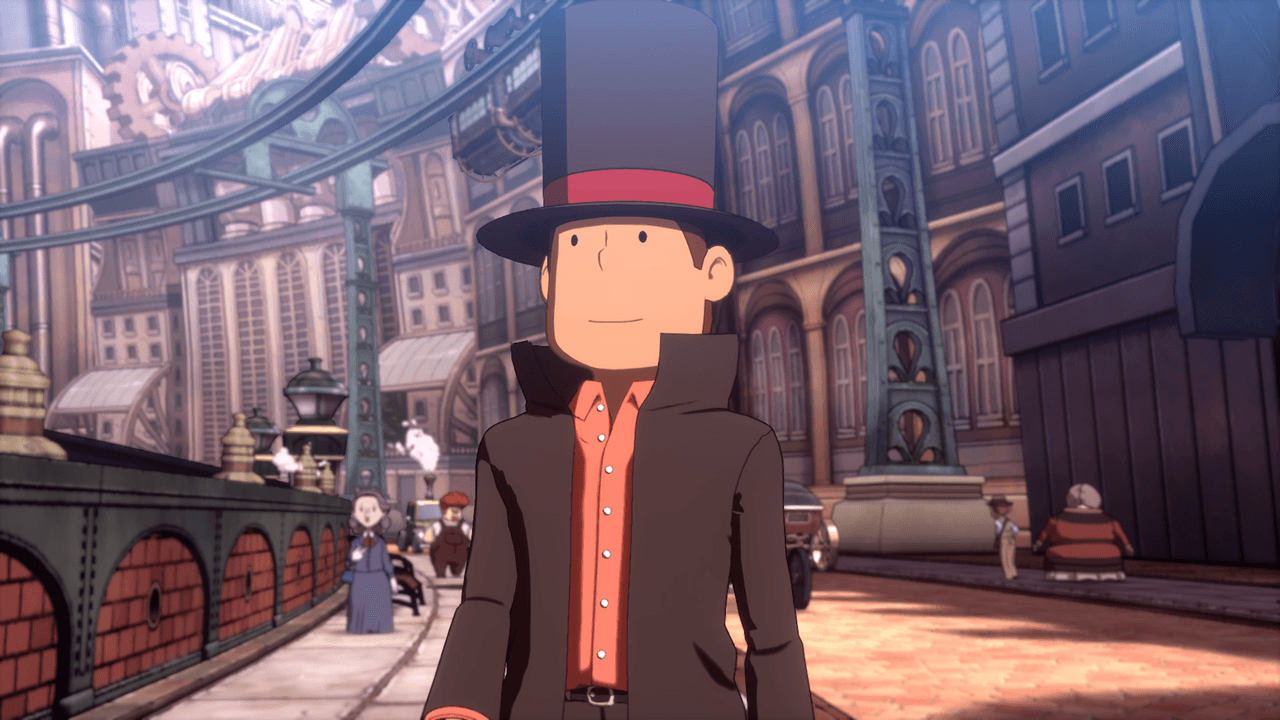
Image: blog.dynasage.com
Level-5’s cleanup has turned a showcase problem into a trust problem
Level-5 has issued another public apology over generative AI use around its “LEVEL5 VISION 2026 II: Dreams” showcase and, according to IGN, has moved to reupload or clean up trailer material after fans flagged suspected AI artifacts across several upcoming games. Nintendo Life reports that the developer apologized for “causing distrust” through what Level-5 described as the immaturity of its AI utilization, while also blaming some of the most visible errors on human mistakes rather than generated assets.
The immediate tension is that Level-5 is trying to draw a clean line between confirmed AI-assisted showcase production and the games themselves. The studio has said, according to Nintendo Life, that Professor Layton and the New World of Steam will not include AI. The same report notes that Level-5 has not given that same explicit assurance for the newly announced remake of Professor Layton and the Curious Village.
That difference matters for how fans are reading every new asset. The Level-5 AI backlash began as a visual quality argument, with viewers comparing backgrounds, faces, and odd animation details. It has since become a provenance argument: players want to know which images are representative of final game art, which were presentation polish, which were AI-assisted, and which were ordinary production mistakes caught under a harsher spotlight.
How fans arrived at the Professor Layton AI trailer accusation
The controversy began after Level-5’s September showcase landed immediately after a Nintendo Direct beat. Kotaku reports that Nintendo showed Professor Layton and the New World of Steam on September 9, and Level-5 followed roughly 24 hours later with its own “LEVEL5 VISION 2026 II: Dreams” presentation. IGN says that September 10 showcase, narrated by a cartoon version of CEO Akihiro Hino, included upcoming titles such as Yo-kai Watch 2: Haunted Domain, Decapolice, and Professor Layton projects.
The timing created a natural comparison test. Fans were able to put footage from Nintendo’s Direct beside footage from Level-5’s own presentation and look for mismatches. IGN reports that commenters scrutinized backgrounds and art for inconsistencies they considered suggestive of generative AI. In the case of Professor Layton and the Curious Village, IGN says internet sleuths accused the Switch remake’s backgrounds of looking like AI upscales of the original Nintendo DS game’s backgrounds.
Kotaku’s report captured the breadth of the reaction: Yo-kai Watch 2: Haunted Domain was criticized for background art and protagonist Keita’s changed face, Inazuma Eleven: Bold Revolution was criticized by fans for stiff character movement, Decapolice was suspected by some viewers of using AI-like presentation elements, and the Curious Village remake drew particularly intense scrutiny from Professor Layton fans. At that stage, Kotaku also cautioned that the specific claims about individual game assets had not been confirmed. That distinction remains important. Fan comparisons triggered the backlash, but Level-5’s own statements are what confirmed AI use in the showcase pipeline.
What Level-5 admitted, and what it says was misread
Level-5 president and CEO Akihiro Hino responded on X after the initial wave of criticism. IGN reports that Hino admitted the company had experimented with AI processing techniques for the VISION 2026 II showcase out of a desire to make the presentation look flashier. IGN also reports that Hino apologized to those who found the use of AI off-putting, while saying core elements such as story, character designs, and settings were made by people.
Hino’s first explanation did not settle the issue. IGN says his comments about using AI in various ways to enhance the showcase drew further criticism. GamesRadar likewise reported Hino’s apology after global backlash, framing it around his admission that the showcase used generative AI. The problem for Level-5 is strategic: once a studio confirms that AI touched the marketing layer, viewers become less willing to accept “presentation only” as a meaningful boundary unless every affected asset is clearly identified.
Level-5’s later statement tried to narrow the blast radius. Nintendo Life reports that the company said some irregularities in Yo-kai Watch 2: Haunted Domain were the result of human error, including simplified power lines that viewers mistook for AI. The same report says those power lines were supposedly hand-drawn by a Level-5 designer and have since been corrected to look more natural. Nintendo Life also reports that Level-5 explained Keita’s face discrepancy by saying a more detailed version existed for one trailer, while the Nintendo Direct deadline required an earlier iteration to be used.
So the confirmed picture is mixed. Level-5 admits careless or immature AI use in presentation materials. It also says some specific examples cited by fans were not AI errors. That creates the central difficulty for the reuploaded trailers: corrections may improve the footage, but they do not automatically tell viewers which earlier elements were AI-assisted, which were human-made but rushed, and which were normal in-progress assets.
The reuploaded trailers are a fix, but also a visible audit trail
IGN’s follow-up report says Level-5 moved to reupload trailers as the backlash intensified, describing the process as a cleanup job. Nintendo Life’s account gives the clearest concrete examples of what Level-5 says changed: the Yo-kai Watch 2 power-line imagery was corrected after being criticized, and the company offered an explanation for Keita’s face differing between presentation versions.
Those edits are useful, but they also preserve the reason the game trailer AI controversy escalated. A trailer is usually treated as a promise about art direction, tone, and production confidence. When a studio reuploads or revises footage after fans identify visual anomalies, the trailer becomes evidence in an ongoing audit. Every cleaned line, face revision, or background replacement invites the next question: was this corrected because it was AI-assisted, because it was rushed, or because the public reaction made an internal review unavoidable?
Level-5’s new pledge, as reported by Nintendo Life, is to limit AI use to efficiency improvements and avoid using it directly in videos delivered to users. That is a narrower policy than a blanket promise never to use AI anywhere. It is also a more complicated promise to verify from the outside. Efficiency tools can sit upstream of the visible asset, and unless the studio defines the boundary between internal assistance and external presentation, fans are left reading artifacts rather than policy documents.
From a production standpoint, that ambiguity is dangerous. Hino reportedly said Level-5 is trying to shorten major title development from five years to two years by making processes more efficient. That gives the studio a business incentive to keep experimenting. The audience, meanwhile, is signaling that the cost of unclear disclosure may be higher than the time saved in the trailer pipeline.
Professor Layton now has two different confidence levels
Professor Layton and the New World of Steam is in the strongest position among the Layton projects named in the reports because Level-5 has directly addressed it. Nintendo Life says the company confirmed New World of Steam will not include AI. For readers tracking the Professor Layton AI trailer concern specifically, that is the clearest reassurance currently available in the source material.
Professor Layton and the Curious Village is less settled. IGN reports that fans accused the remake’s Nintendo Direct trailer of featuring elements that looked like AI upscales of original backgrounds. Nintendo Life states that Level-5 has not issued the same no-AI confirmation for the Curious Village remake that it gave for New World of Steam. That does not prove the remake uses AI in final game assets. It means the public record, as reported, contains an assurance for one Layton title and a gap for the other.
That gap is especially sensitive because the Curious Village remake is built on memory. A remake asks players to trust that modernization will preserve the original’s identity while improving its presentation. If backgrounds look inconsistent, over-processed, or detached from the series’ visual language, players will interrogate the method as much as the result. In strategy terms, Level-5 has reduced risk on New World of Steam with a direct statement, while leaving Curious Village exposed to continued scrutiny until it provides equal clarity or shows enough revised footage to reset expectations.
Japanese showcases are entering a provenance era
The Level-5 reuploaded trailers story lands at an awkward moment for Japanese publishers and developers that rely on high-impact video showcases. Nintendo Directs, publisher streams, and Direct-style presentations are now treated by global audiences as frame-by-frame events. When one version of a trailer appears in a platform-holder broadcast and another appears in a studio broadcast a day later, differences are no longer dismissed as compression or work-in-progress noise. They become a community investigation.
That is the forward-looking risk for upcoming Japanese game showcases. The audience has learned to look for warped lettering, inconsistent line work, unnatural background detail, strange faces, lighting errors, and motion that feels generated or over-processed. Some of those suspicions will be wrong, as Level-5 argues happened with hand-drawn Yo-kai Watch imagery. But once AI use is confirmed anywhere in the production chain, the burden shifts. The studio has to prove craft, not merely ask for trust.
There is also a platform dimension. Nintendo Direct placement gives a game a level of implied credibility, but it does not answer how every publisher-created trailer asset was produced. The Level-5 case shows how quickly trust can split between platform footage, studio footage, and reuploaded corrections. Future showcases may need clearer asset labeling, stronger behind-the-scenes art process communication, or more careful separation between concept presentation and final game footage.
For players, the practical approach is patience. New World of Steam currently has Level-5’s reported no-AI assurance. Curious Village does not have the same public confirmation in the supplied reports. Anyone concerned about the Level-5 AI backlash should wait for updated trailers, direct developer clarification, and final store or publisher language before treating either presentation footage or social media comparisons as the full story. The cleanup may calm the immediate storm, but Level-5’s next showcase will be judged less by flash and more by whether viewers believe what they are seeing.