
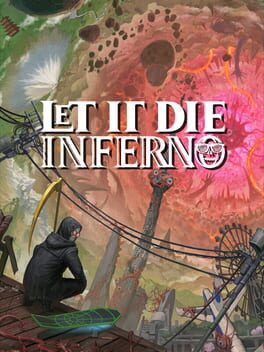

Let It Die: Inferno rebuilds Grasshopper’s cult tower‑climber as a bizarre, low‑stakes extraction roguelike. Here’s how its roots shape the new loop, how the AI‑content controversy fits in, and whether it’s worth diving in on PS5 or PC.
Let It Die was always strange. A free‑to‑play PS4 curio overseen by Suda51, it mashed up grimy Souls‑lite melee with a spiraling tower, a cackling skateboarding Grim Reaper, and a monetization model that mostly dared you not to care. Let It Die: Inferno takes that oddball DNA and splices it into one of the most currently over‑served genres around: extraction shooters. The result is not really a shooter, not really a looter, and not really a straight sequel either. It feels more like someone fed the original’s tower into a meat grinder and rebuilt it as a roguelike arena you repeatedly break into, strip for parts, and escape from.
From climbing the Tower of Barbs to raiding the Hell Gate
The original Let It Die hinged on a single ascent. You started at the foot of the Tower of Barbs, climbed floor by floor, and treated each death as both a setback and an opportunity. Corpse‑runs, rescued gear, and the looming threat of permadeath gave the tower a concrete sense of place. Inferno trades that fixed vertical climb for the Hell Gate, a sprawling chasm of shifting arenas and branching paths. Instead of a straight shot upward, you drop in, scoop up whatever grotesque weapons and armor you can find, and then fight your way back out.
That twist changes the entire rhythm. The tower was about endurance, about seeing how far you could push before the game finally broke you. Inferno is structured around runs that are deliberately finite. You choose an entry point, push deeper through randomised rooms, then locate an extraction point to bank your haul. The tension flows from the choice of when to leave instead of how high you can climb.
You still feel the old Let It Die friction in how you move and fight. Melee remains weighty and ugly in a satisfying way, full of home‑made implements that look scavenged from a junkyard under a meat locker. Dodges are short, blocks are risky, and enemies like to swarm, turning cramped corridors into brawls that feel one bad animation lock away from disaster. But the stakes are now wrapped around loot rather than linear progression. A failed run doesn’t erase your climb. It just spits you back into the hub a little poorer and a little wiser.
Extraction rules in a body that hates being a shooter
Inferno calls itself an extraction action game, but mechanically it is closer to a roguelike dungeon raid than to Tarkov. You launch from a central hub, queue into instanced dives, and juggle three priorities every time you spawn: scrape together weapons, improvise a build, and gauge how far you want to push before your luck or gear gives out.
The extraction layer sits on top of that brawler core instead of replacing it. Weapons degrade quickly, healing is stingy, and your carrying capacity is limited, so you are constantly triaging. Do you ditch the heavy but brutal hammer for a more reliable machete. Do you risk hauling rare crafting materials instead of backup armor. Every room you clear makes those decisions feel more loaded, because one greedy detour can snowball into a bad pull of enemies and an embarrassing death a few steps from safety.
Where it diverges from the usual extraction cadence is in how gleefully it undermines precision. Guns exist, but they are unreliable and awkward, deliberately at odds with the headshot‑focused meta of most extraction games. Aim feels loose, recoil exaggerated, and ammunition scarce. Instead of encouraging you to hole up and snipe, Inferno funnels you into messy mid‑range skirmishes that feel closer to a bar fight in a haunted shopping mall than a tactical raid.
That weirdness is backed by the same lurid character that defined the first game. Rooms are stitched together out of industrial sludge, corporate detritus, and splashes of neon. Enemies look like they stumbled in from canceled horror projects: lumpy mutants, masked raiders, and things that should not have mouths where they have mouths. The Reaper mascot returns in spirit if not in exact form, with the game treating death as a punchline as often as a punishment.
Roguelike runs, meta‑progression, and PvPvE chaos
Inferno’s runs are stitched together like a traditional roguelike. Stage layouts and item placements remix every time, and each trip into the Hell Gate feels like a discrete expedition with a beginning, middle, and end. You push through a string of arenas that might be vending‑machine corridors, open plazas riddled with sightlines, or cluttered kill‑boxes that turn explosive barrels into accidental self‑owns.
Meta‑progression keeps those runs from blurring together. You pour whatever you extract back into permanent upgrades, crafting, and character growth. New weapons open alternative playstyles, from slow, armor‑smashing brutes to dodgy knife‑fighters who live off perfect timing. Armor sets lean into the series’ trash‑punk identity, turning you into things like a walking pile of traffic cones wrapped in barbed wire.
On top of the PvE crawl sits a layer of PvPvE chaos. Other players can appear in your runs as hostile raiders or invading presets, more like unpredictable minibosses than traditional opponents. They are there to turn what could have been a clean route to extraction into a desperate scramble. Getting jumped by a human opponent when your gear is barely holding together is the moment the extraction fantasy really clicks, because suddenly every noisy swing, every missed shot, feels like it might cost you the loadout you were already mentally spending back in the hub.
Crucially, the randomisation and enemy scripting seem tuned for spectacle more than ruthlessness. This is not a hardcore, wall‑to‑wall punishment machine. Inferno wants you to wipe out in stupid ways, laugh, and queue again. That tonal choice helps the extraction format feel approachable even if you usually bounce off the genre’s anxiety.
The AI‑content controversy and what it means when you are actually playing
Inferno arrives into a climate where AI‑generated art and assets are a flashpoint, and GungHo has already been upfront that AI tools play a role in the project’s pipeline. That has sparked debate among players who are understandably wary of how generative tools can replace or dilute human work.
Once you are in the thick of a run, though, what stands out is not the provenance of individual textures or incidental art, but the way the whole thing hangs together. The game’s strongest moments are still very obviously authored: encounter pacing, enemy placement, the nasty little surprises that wait when you round a corner you absolutely should not have taken. Those are the parts that make or break a roguelike extraction loop, and they feel hand‑tuned rather than machine‑spat.
Where the AI presence is more noticeable is in some of the incidental weirdness, the occasional background element or flavor detail that feels generically off rather than specifically grotesque. In a game that is already straining for a junk‑collage aesthetic, the line between intentional trash and uncanny filler can blur. For some players that will be a philosophical dealbreaker regardless of how satisfying the combat feels under the fingertips. For others it may recede into the noise of particle effects, inventory juggling, and frantic escapes.
What matters for the purposes of a Now Playing check‑in is that the AI usage does not define how Inferno plays on a minute‑to‑minute basis. The tension, the jank, the thrill of extracting with one durability point left on your favorite pipe are powered by encounter design and systemic friction rather than by which parts of a wall texture were painted by a human.
Should you play Let It Die: Inferno on PS5 or PC
Inferno is, in many ways, the most fitting sequel Let It Die could have received. It keeps the original’s love of ugly brawls and throwaway characters, then wraps them around a structure that makes more sense for repeat play. Runs are faster, failure is cheaper, and the new extraction framing gives its randomness a clear purpose. You go in, make bad decisions, and see how much of a mess you can survive.
On PS5 the strengths are easy to appreciate. Load times between hub and dives are brisk, the framerate holds up well enough during the busiest skirmishes, and the gaudy art sits comfortably on a big screen. The scrappy hit reactions and clunky guns do not always feel graceful on a DualSense, but the haptic feedback at least makes your improvised weaponry feel meatier than it looks.
On PC, the appeal leans more on flexibility. Mouse aim takes some of the sting out of the intentionally loose shooting, even if this was never designed as a precision FPS. The game’s relatively modest system demands mean it should run on a wide range of rigs, and the online focus makes the platform’s broader player base a practical upside if you care about bumping into other raiders.
Whether you should dive in comes down to three questions.
First, how tolerant are you of deliberate jank. Inferno leans into clumsy animation, unreliable gear, and fights that are as much about surviving chaos as about executing clean combos. If you go in expecting Souls poise or Tarkov‑style ballistic exactitude, you will probably bounce off.
Second, do you like the idea of extraction but hate how serious most extraction shooters feel. Inferno’s greatest strength is that it lets you dabble in that risk‑reward loop without committing to spreadsheets and ballistics charts. Runs are short, mistakes are funny, and the game is happiest when you are swinging a piece of scrap metal in a neon‑lit corridor with absolutely no plan.
Third, where do you stand on AI‑assisted art. If you are avoiding games that use generative tools on principle, Inferno is unlikely to change your mind. If you are willing to judge it on how it plays, there is a genuinely odd and occasionally brilliant action roguelike hiding inside the controversy.
If you have fond memories of the original Let It Die or you are extraction‑curious but genre‑shy, Inferno is worth at least a few dives on PS5 or PC. It is messy, morally complicated in its production, and often rough around the edges. It is also one of the few extraction‑flavored games this year that seems comfortable being a joke at its own expense, and that might be exactly what the genre needed.