
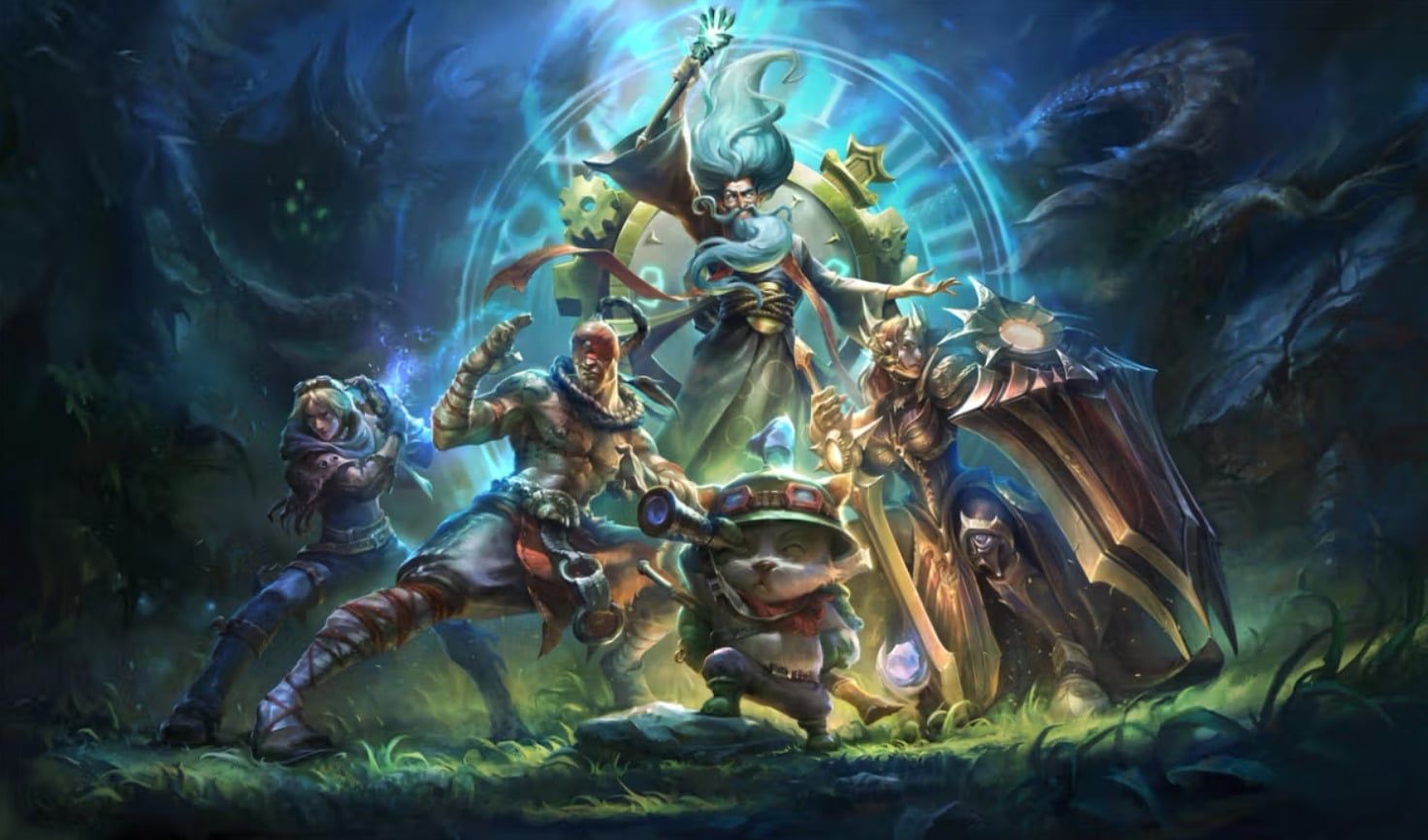
Riot Games has reversed its plan to charge for classic champion skins in League of Legends Classic, a fast correction that exposes how little tolerance players have for monetized nostalgia in live-service relaunches.
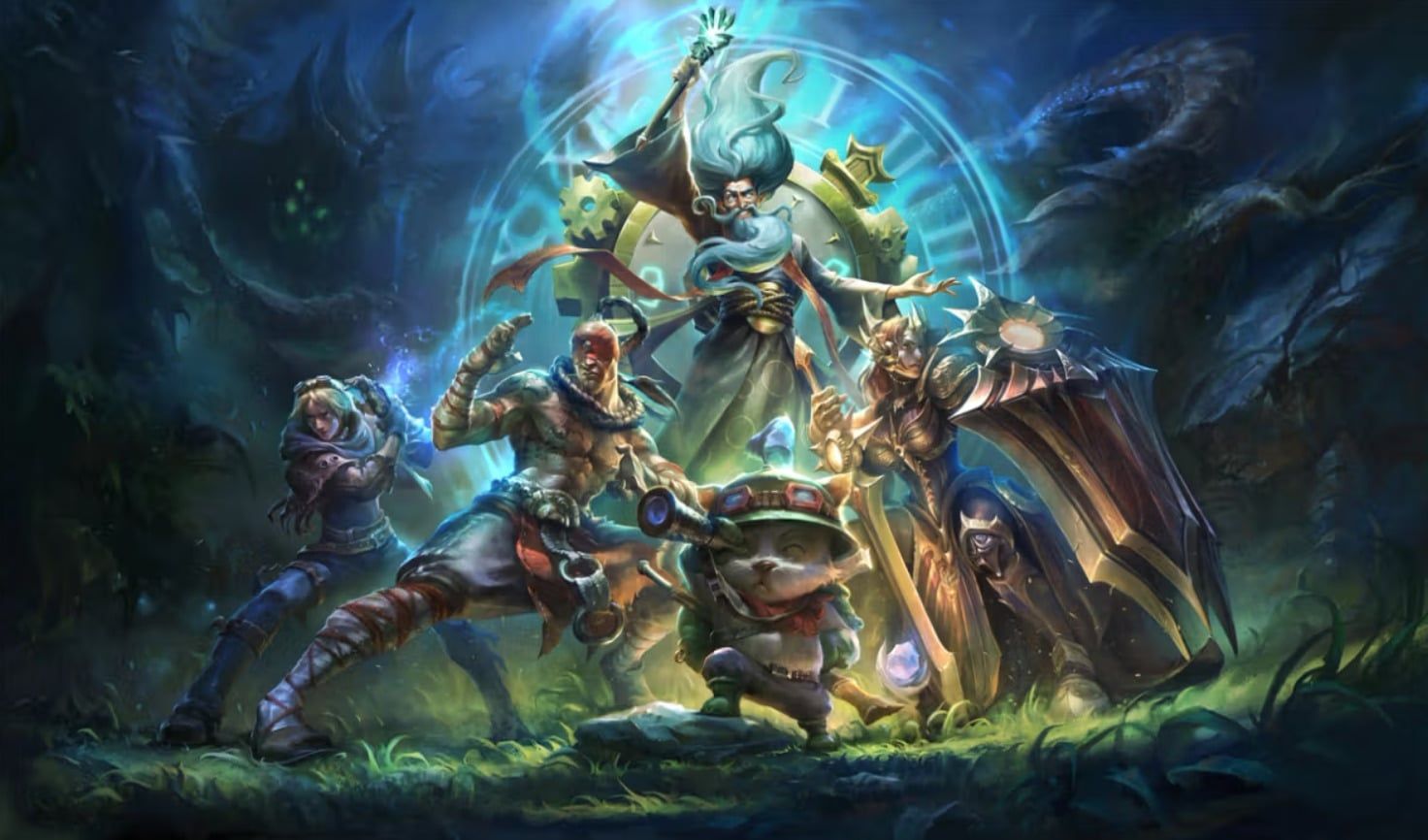
Image: kotaku.com
Riot drops the paid classic skins plan before launch
Riot Games has changed course on one of the first major flashpoints around League of Legends Classic: players will no longer have to pay for classic champion skins in the retro mode. Riot’s official League of Legends account posted on July 17 that it had a “small update” after player feedback covering classic skins, gameplay, and champion kits. Multiple outlets, including MMOBomb, Kotaku, G2A, Game Rant-style aggregator GameNGuide, PC Gamer, and MassivelyOP, reported the same core reversal: Riot is moving the old champion looks out of the paid lane and into the baseline Classic experience.
The tension is obvious. League of Legends Classic is being sold emotionally as a return to an earlier version of Riot’s MOBA, but its first public monetization controversy centered on charging for the visual layer most players associate with that return. Kotaku reported that the mode is set to launch on July 29 and that its public beta had been available since July 14. During that beta, players found that champions defaulted to modern appearances while the older models were tied to unlocks or purchases. According to Kotaku, those classic looks could be acquired through a progression route or by spending 500 Riot Points per skin, with the outlet estimating that unlocking the paid set outright would run above $250 even when buying RP in bulk.
Riot’s reversal is concrete, but there is still some source-level ambiguity around completeness at launch. Kotaku describes the original skins for the 60 champions in League of Legends Classic as being made available for free. G2A, while also reporting that Classic Skins will be free and default, says some champions will still use modern models at launch. MMOBomb similarly says classic skins have been unlocked for the characters that have them, with more in the works. The safe reading is that Riot has abandoned the paid Classic Skin model, but asset restoration may still be uneven depending on champion support.
The original setup clashed with the promise of Classic
The reported pre-reversal system created a split identity problem for League of Legends Classic monetization. According to MMOBomb, Riot’s previous plan had all characters in modern skins by default, while older skins were treated as separate unlocks. G2A reported that Riot originally intended to sell older champion models individually for 500 RP. GameNGuide, citing PC Gamer, described the old setup as relying on Classic Skin tokens earned through a Classic Path and Classic Progression Track or direct purchases for roughly $5 per skin.
That approach was commercially understandable and strategically fragile. Riot has built League of Legends for years around cosmetic revenue, and skins are one of the least disruptive ways to monetize a competitive free-to-play game. The problem is that nostalgia changes the value equation. A modern legendary skin reads as a new optional good. A 2009 or 2012 base look in a mode named Classic reads as part of the mode’s ruleset, the same way legacy items and older champion kits do.
Kotaku reported that the backlash included complaints on the League of Legends subreddit about “basic nostalgic elements” being locked behind a paywall. That reaction was predictable because visual memory is mechanical memory in a MOBA. The silhouette of old Ryze, the voice line cadence of a champion, the era-specific read of a model in lane, and the rougher texture of early League are all part of how players authenticate the experience. If the shop sells those pieces back separately, the relaunch starts to feel like a museum with an entry fee inside every exhibit.
Riot is also adjusting kits, voice work, and the target era
The skin change is the headline, but it is part of a broader recalibration. MMOBomb reported that Riot is also bringing back classic voice overs where it can. G2A likewise reported that Riot is working to restore older champion voice-over lines. That caveat matters. “Where it can” implies practical limits around archived assets, implementation, quality, rights, or compatibility, although Riot has not detailed those constraints in the provided source material.
Riot is also shifting the mode’s era target. MMOBomb says the team is adjusting the classic mode to better align with what players believe counts as classic, while noting that “classic” varies depending on who is asked. PCGamesN reports that League of Legends Classic is set in Season 3, with champions from 2009 to 2013 included in the roster. G2A adds that the mode is being adjusted to focus more closely on Season 3 content and says Katarina is expected to receive her requested 2012 ability kit. That last point should be treated as a reported expectation from G2A, not a fully independent Riot patch note in the supplied material.
For a strategy game, this is where the real design difficulty sits. A Classic mode cannot simply copy one database snapshot and call the job finished if the goal is to satisfy memory rather than archaeology. Season 3 means different things to different player cohorts: one player remembers lane sustain, another remembers gold flow, another remembers champion damage profiles, and another remembers Twisted Treeline after school. Riot’s early feedback loop suggests the team is trying to land on a playable consensus rather than a purist restoration.
Twisted Treeline shows the boundary of Riot’s nostalgia pitch
The next pressure point is modes. PCGamesN reported that Twisted Treeline will not return with League of Legends Classic at launch, even though the 3v3 map was added in 2009 and falls within the wider early-League timeline. The outlet quoted League Classic Game Director Brian “FeralPony” Feeney responding to a player by saying, “we don’t have any non-Summoner’s Rift modes currently.”
That is the strongest confirmed answer for players searching for Twisted Treeline LoL Classic news: it is not part of the current launch package. PCGamesN also quoted Feeney saying, “It’s highly likely we’ll bring in additional modes over time,” which keeps the door open without making Twisted Treeline a dated promise. The same PCGamesN report says Feeney drew a line around Odyssey: Extraction, calling it “definitely not Classic” and pointing players toward the modes team for something like that.
This matters for expectation management because Classic is already being asked to carry several forms of memory at once. Summoner’s Rift is the competitive core, but older League was also defined by the way players bounced between formats, maps, and social rituals. If Riot’s first phase is Summoner’s Rift-only, then League of Legends Classic launches as a curated competitive restoration rather than a full recreation of every early-era habit. That is a sensible production scope, but it also means some nostalgia demand will remain unresolved after the skin reversal.
The fast reversal signals a live-service rule for nostalgia
Riot’s quick backpedal is a useful case study for the next wave of nostalgia-driven live-service relaunches. Players will tolerate monetization around a revived game or mode when the paid items feel additive. They react differently when monetization attaches itself to the restored baseline. In this case, Classic Skins were not perceived as premium expression. They were perceived as evidence that the old League was being reassembled behind a toll gate.
From a systems perspective, Riot’s correction is strategically sound. League of Legends Classic needs trust before it needs cosmetic extraction. A mode built around older kits, older items, and older pacing will already face balance arguments from day one. The last thing Riot needs is for every champion select screen to remind players that the nostalgic wrapper began as an upsell. Making LoL Classic skins free and default where available removes one economy argument from the launch and lets the community focus on the real tests: whether the Season 3 target feels coherent, whether champion kits match player memory closely enough, and whether modern quality-of-life concessions preserve flow without sanding off too much identity.
G2A reports that some modern quality-of-life features will remain to preserve player muscle memory. That is another important signal. Riot is not presenting Classic as a perfect time capsule in the available source material. It is shaping an older ruleset for a current player base that has years of changed inputs, expectations, and client habits. The skin reversal suggests Riot has identified a boundary: modern convenience may be acceptable, but charging for era authenticity is a harder sell.
Practical guidance before July 29
Based on the current reporting, League of Legends Classic is scheduled to launch on July 29, with Kotaku and G2A both giving that date. Kotaku says the public beta began July 14, which is where the skin backlash formed before Riot’s July 17 update. Players interested in the mode should now expect classic champion appearances to be free rather than sold individually for 500 RP, and G2A reports that those retro looks will become default where Classic Skins are supported.
The key caveat is availability. Kotaku’s account frames the 60 original champion skins as free at launch, while G2A and MMOBomb leave room for incomplete coverage by saying some champions may still use modern models or that more classic skins are in progress. If your interest depends on a specific champion’s old model, the prudent move is to check the PBE, Riot’s official updates, or the launch client rather than assuming every asset will be restored immediately.
Players waiting for Twisted Treeline should also temper expectations. PCGamesN’s report, citing Feeney, says League of Legends Classic currently has no non-Summoner’s Rift modes. The encouraging part is Riot’s stated likelihood of adding modes over time. The limiting part is that no supplied source confirms Twisted Treeline for launch or gives a return date.
For now, Riot has made the necessary economic correction. The larger test begins when players can judge whether League of Legends Classic feels like a strategically coherent older League, rather than a modern client wearing selected memories from 2013 and earlier.