
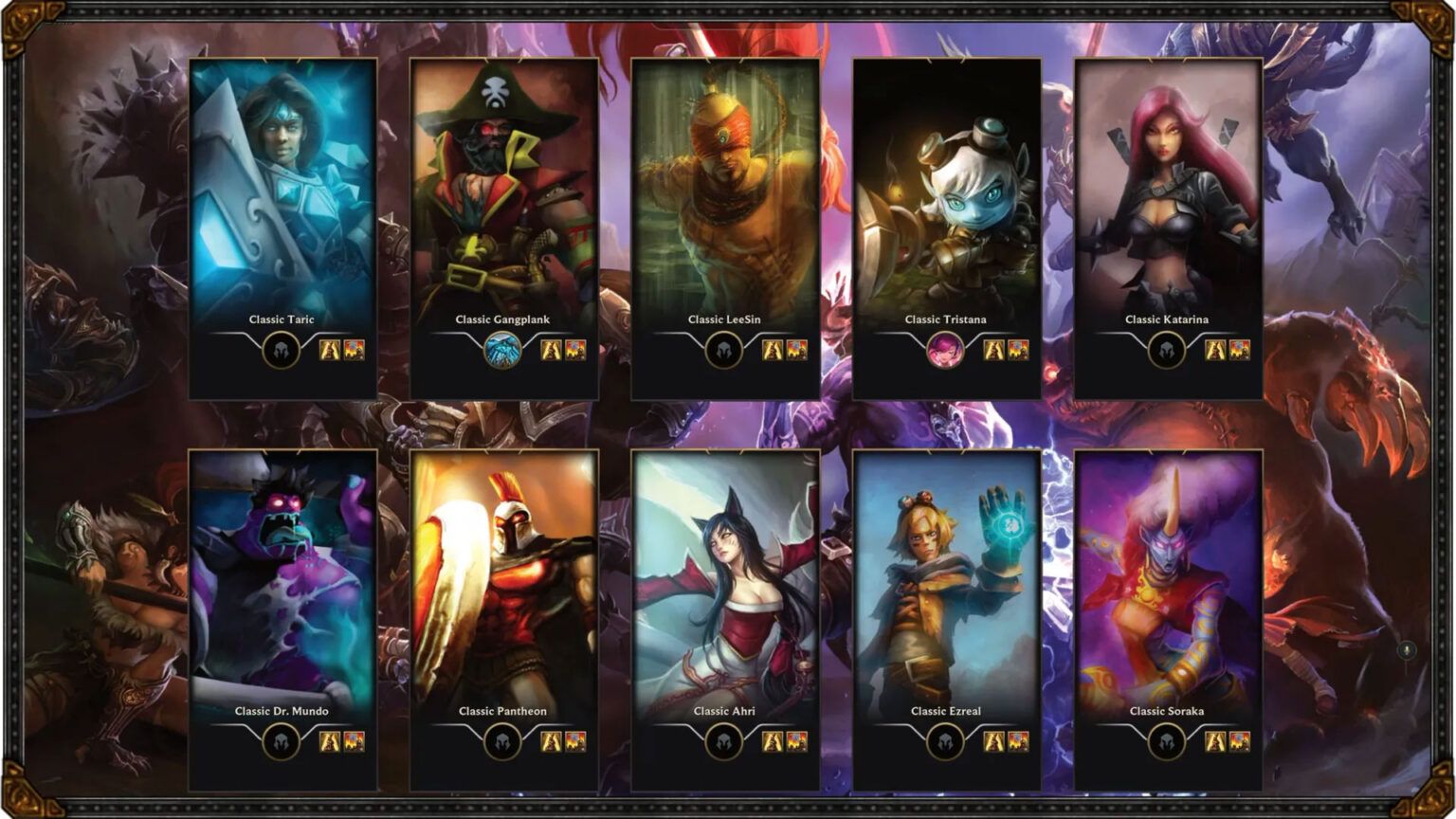

Riot says League of Legends Classic will end its current run in January 2027, with limited queues arriving earlier in some regions and a future event return still possible.
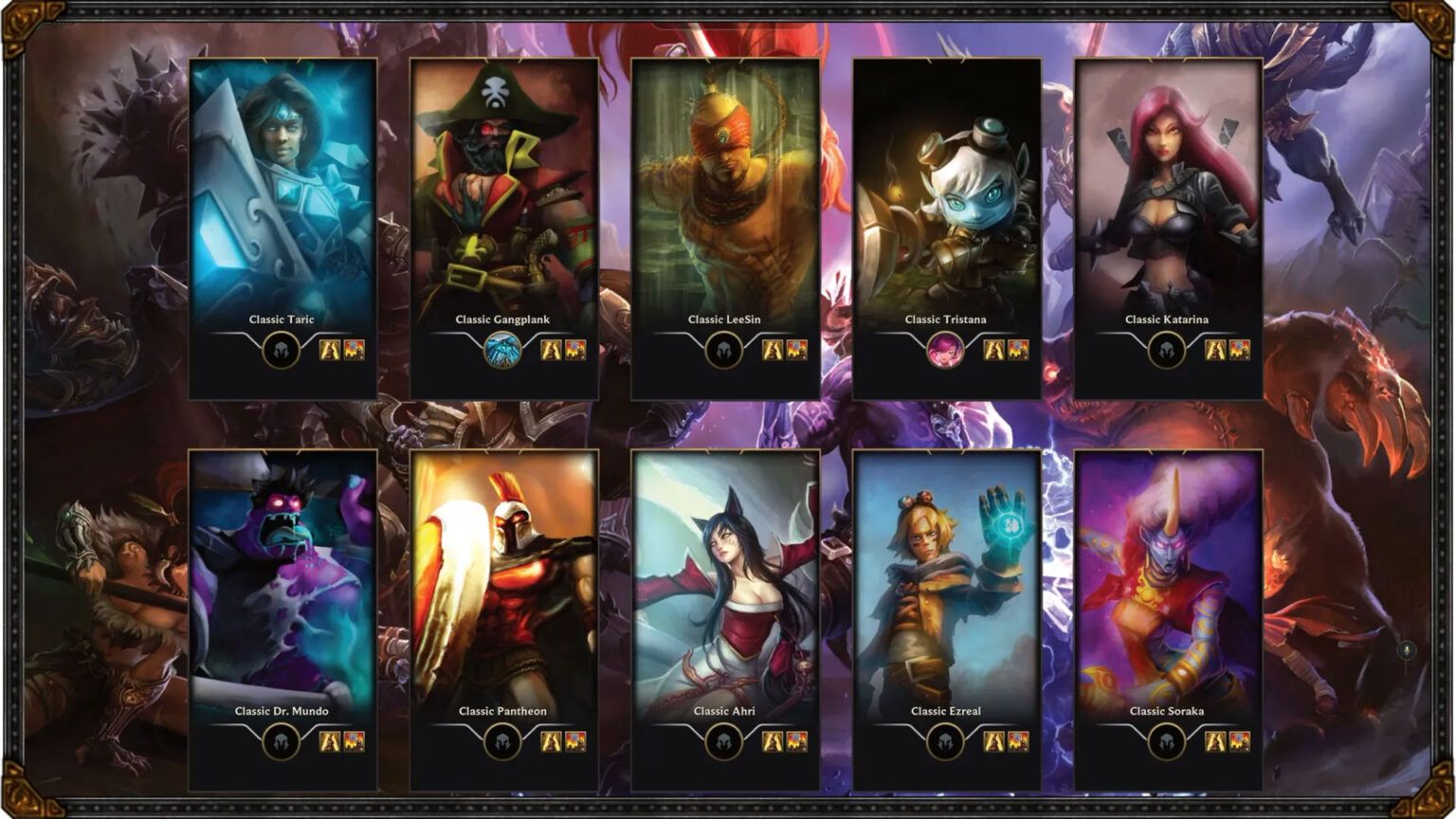
Image: fullcleared.com
League Classic now has an end window, and the squeeze starts sooner
League of Legends Classic will end its current run in January 2027, Riot Games confirmed in a new /dev post from Meddler and Pabro. The sharper immediate change is arriving before that shutdown: some regions are moving to limited, windowed matchmaking in Patch 26.21 because Riot says players have migrated back to modern League modes, creating longer queues and larger MMR gaps in Classic.
Riot’s official wording is careful. The developer says Classic will remain available through the rest of Season 3 of 2026, then “end its current run” in January 2027. Dot Esports and Rift Daily both report the specific LoL Classic end date as Jan. 6, 2027, while Riot’s supplied /dev text names the month rather than the exact day. That distinction matters for players planning final games, because Riot is the primary source for the closure plan, while the exact date is currently being carried by outlet reporting.
The decision lands only months after the mode’s summer debut. Rock Paper Shotgun notes that League Classic launched in July, and PCGamesN frames Riot’s call as coming less than three months after the throwback experiment began. Riot’s explanation is blunt but revealing: many players enjoyed revisiting older League, but “most have gone back to other parts of League.” For a mode built around nostalgia, that is the core tension. The memory held. The queue population did not hold evenly enough.
What Riot limited queues mean before the January shutdown
Riot is not turning off League Classic matchmaking everywhere immediately. Instead, Patch 26.21 introduces windowed queues in regions where Classic activity has fallen enough to hurt match quality. Riot says the issue is not simply lower play rates, but the chain reaction that follows: longer queue times and wider MMR discrepancies. In a competitive MOBA, that second problem is often the more damaging one, because a match found quickly with badly mismatched teams can be worse than waiting.
According to Riot’s official table, Korea, Latin America North, Latin America South, Taiwan, Vietnam, Turkey, Southeast Asia, Oceania, and Russia will have Classic matchmaking open Monday through Friday from 4 PM to 12 AM server time, and Saturday through Sunday from 10 AM to 1 AM server time. Japan and MENA, listed by Riot as JP1 and ME1, will move to custom matches only from the start of Patch 26.21.
Classic custom games will remain available at all times in all regions, according to Riot. That keeps the mode accessible for premade groups, community nights, and farewell customs, but it changes the meaning of availability. A custom lobby can preserve the ruleset. It cannot replace a healthy matchmaking ecosystem where solo players can enter a queue at any hour and expect a fair lobby.
PCGamesN reports that Patch 26.21 is scheduled for Wednesday, Oct. 21. Riot’s own post tells players to watch patch notes for further updates to League Classic and expected queue windows, so the practical guidance is simple: if you play in one of the named regions, assume Classic is becoming a scheduled activity rather than an always-on side mode once 26.21 arrives.
The store, pass, and refunds show Riot is winding down monetization
The shutdown plan is also visible in the economy around Classic. Riot says it is issuing refunds for Classic-specific content that will no longer be usable, pointing players to its support page for details. Dot Esports reports those refunds cover eligible Classic-exclusive cosmetic content in RP, with most announced refunds scheduled by Nov. 30, 2026.
Riot is also changing the Act II Classic Battle Pass in Patch 26.21. Instead of a paid structure, the Act II pass will have one unified free track. From Patch 26.21 onward, Riot says the Classic store will only contain champions, runes, and rune pages.
That is a quiet but important pivot. Riot is still supporting the final stretch of Classic play, but it is reducing the risk that players spend on items tied to a mode with a confirmed end window. For anyone returning before the League Classic shutdown January 2027 window, the safest assumption is that Classic-specific cosmetics are no longer a long-term purchase category. The remaining store is aimed at access and functionality rather than collectible permanence.
There is also an expectation-setting function here. Riot is not presenting Classic as a platform that will keep expanding commercially through 2027. The developer is giving players a final season, refunding content that loses utility, and removing paid battle pass pressure from Act II. For a live-service mode, that is the difference between maintenance for an active product and stewardship of a closing run.
Riot is still adding champions, which makes the final months unusual
League Classic is winding down, but Riot is not freezing it in place. The developer says Irelia, Karma, Quinn, Aatrox, and Caitlyn arrived in Patch 26.20. Mordekaiser, Yorick, Hecarim, and Lucian are coming in Patch 26.21. Riot also says it will continue adding champions every patch through 26.23, including Volibear, Urgot, and Udyr, who placed top three in the most recent Classic Council poll.
That creates an odd endgame for the mode. Classic’s player base has apparently thinned enough for Riot limited queues in multiple regions, yet its roster is still expanding. PCGamesN notes that Riot had already shifted away from a slower, more selective champion rollout and toward building out the roster faster. Riot’s latest post confirms that acceleration continues even as the mode approaches closure.
From a strategy perspective, that makes sense if the remaining run is partly a data-gathering phase. Riot says it will share more later about where Classic worked, where it “could have gone more classic,” and where sticking too closely to the past may have held the experience back. Adding champions through 26.23 gives Riot more evidence about what players actually want from an old-school League ruleset: strict preservation, a broader historical roster, or a curated hybrid.
It also gives dedicated Classic players a reason to keep queueing during the final months. A shrinking population can become self-reinforcing. If players believe nothing new is coming, they leave faster, which makes queues worse, which pushes more players out. Riot’s champion schedule cannot reverse the shutdown decision, based on its own announcement, but it can keep the last act from feeling abandoned.
The lesson Riot appears to be taking from Classic’s short run
Riot’s public explanation points to a live-service problem rather than a simple failure of nostalgia. The studio says players had fun revisiting the old days, but most returned to other parts of League. Rock Paper Shotgun compares the challenge to sustaining classic modes in games like World of Warcraft, where a retro version and a modern version have to coexist without one starving the other. League’s version of that problem is especially sharp because matchmaking quality depends on population density by region, rank, role, and time of day.
In League, a mode can be beloved by a vocal group and still be operationally fragile. If enough players concentrate in a few regions or time slots, the global product looks alive in sentiment but uneven in practice. Riot’s move to windowed queues is effectively an admission that the mode needs population concentration to function well in weaker regions.
The design question is also unresolved. Riot says it will examine where Classic was right, where it could have been “more classic,” and where close adherence to the past may have held the experience back. That is the most interesting sentence in the announcement. It suggests the future of a League of Legends Classic limited time event may not be a museum-piece recreation. Riot is leaving itself room to adjust the mode, add content, and possibly sand down the parts of old League that were historically authentic but less durable in 2026 play patterns.
That is not spin. It is a practical reading of Riot’s own language. A permanent Classic mode needs continuous matchmaking health, a stable economy, and a roster philosophy that satisfies both nostalgia players and people who only remember the old game selectively. An event mode can aim for a shorter burst, accept a sharper novelty curve, and exit before queue quality decays.
Classic is likely leaving the launcher, but not Riot’s playbook
Riot says it will “put Classic back in the box for now” after the current run ends, with the goal of bringing it back in the future, likely as an event mode with adjustments and additions. That is the clearest confirmed direction: League of Legends Classic ending in January 2027 does not mean Riot has announced permanent deletion of the concept. It means the current always-available run is ending.
For players, the advice depends on how you use the mode. If you want standard matchmaking, check whether your region is moving to windowed queues in 26.21 and plan around server-time windows. If you are in Japan or MENA, Riot’s listed change means Classic becomes custom-only from 26.21. If you mainly care about one last group session with friends, custom games staying available everywhere gives you a cleaner path through the rest of Season 3.
If you bought Classic-specific content, follow Riot’s refund support process rather than assuming all purchases behave the same way. If you were considering spending, note that the Act II Classic Battle Pass is free-track only and that the store is being narrowed to champions, runes, and rune pages from 26.21 onward.
The forward-looking read is that Riot is treating Classic less like a parallel version of League and more like a seasonal tool it can redeploy when the calendar, roster, and design lessons line up. The first run proved there was enough appetite to bring old League back, but not enough sustained, evenly distributed appetite to keep it permanent. The next version, if Riot follows through, will likely be judged less by how accurately it recreates the past and more by whether it can make that past survive a limited event window without collapsing its own queues.