
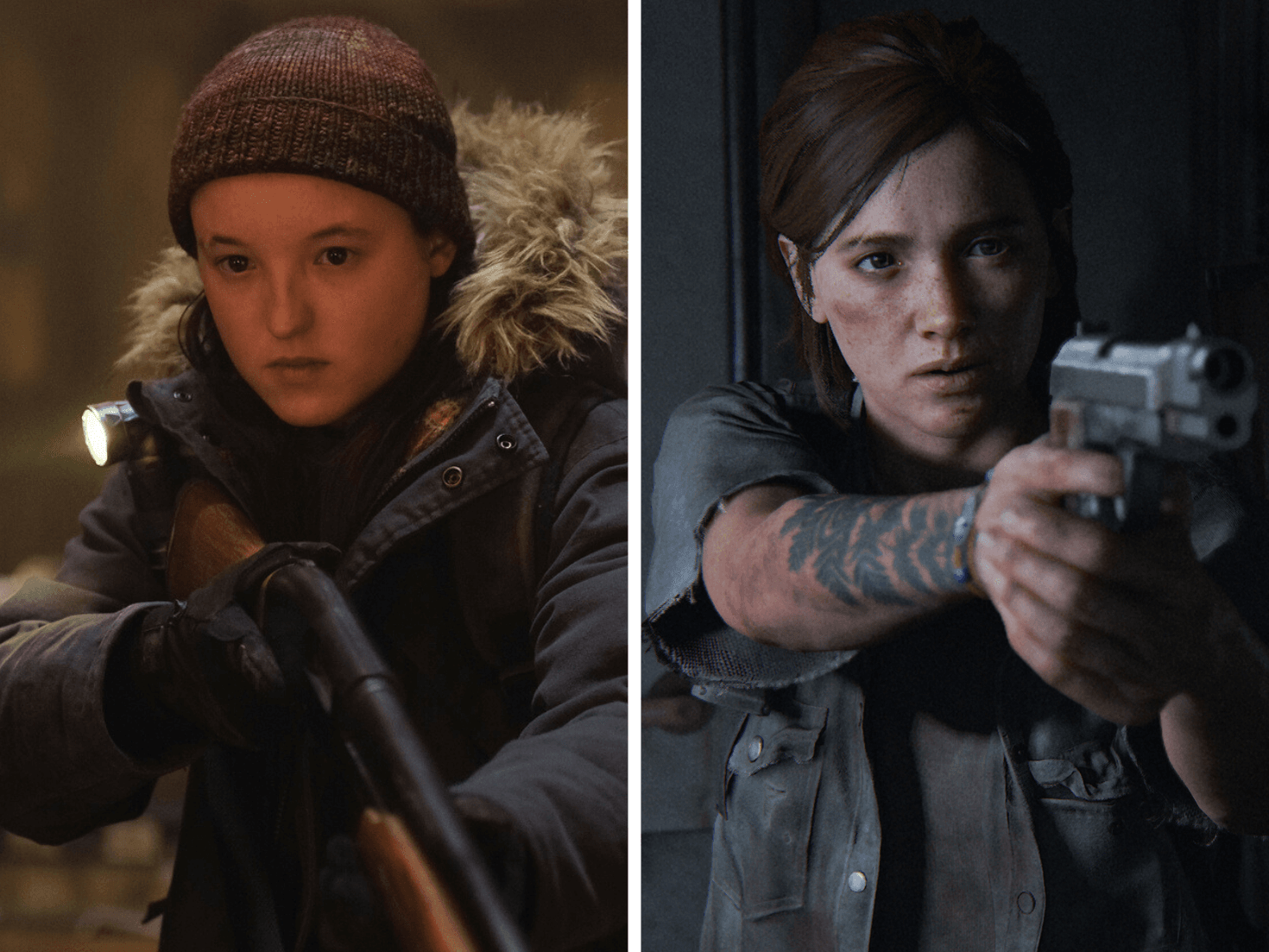
Tom Holland named The Last of Us Part 2 as his favorite video game on Happy Sad Confused, while saying he has avoided HBO’s adaptation because he loves Naughty Dog’s game so much.
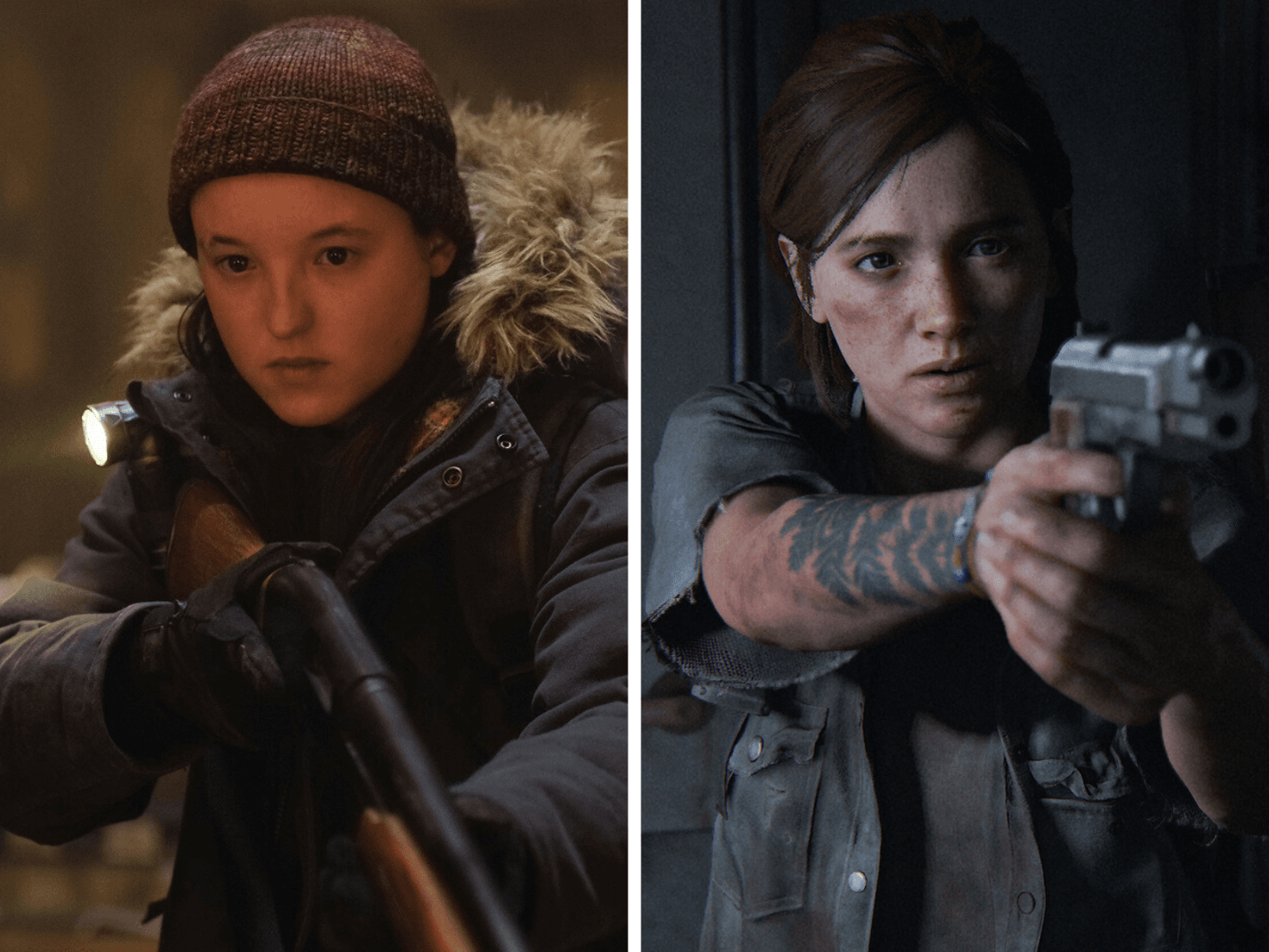
Image: elle.com
Tom Holland’s favorite game comes with a boundary
Tom Holland has named The Last of Us Part 2 as his favorite video game, then drew a line around that affection: he has not watched HBO’s The Last of Us because he loves Naughty Dog’s sequel too much.
The comments came during Holland’s appearance on Josh Horowitz’s Happy Sad Confused podcast, as reported by Push Square, GameSpot, and IGN. Asked for his favorite game, Holland first answered The Last of Us, then clarified he meant “the second one.” GameSpot quotes him calling it “so good,” and all three outlets report the same explanation for skipping the show: “I have not watched the series because I love the game so much.”
That is the tension in a neat crossover story. Holland is a movie star with a direct connection to PlayStation adaptations, having played Nathan Drake in Sony’s 2022 Uncharted film. He is also, by his own admission in the interview, not someone who plays games constantly. Yet the game he singles out is one of PlayStation’s most performance-driven, structurally confrontational, and adaptation-resistant blockbusters. For a star who has moved between superhero spectacle, franchise filmmaking, and game-derived cinema, the answer says less about completionist gaming credentials than about how strongly certain narrative games can lodge in the memory.
Holland’s reason is about preservation, not dismissal
The easiest read would be that Holland is rejecting HBO’s version. His actual comment, as quoted by GameSpot and IGN, is narrower. He has not watched the series because he values the game. He did not offer a critique of Bella Ramsey, Pedro Pascal, HBO, or the adaptation’s creative choices. He did not say the show fails the source material. He simply described The Last of Us Part 2 as a rare game that mattered enough to him that another version risks interfering with it.
That distinction matters because The Last of Us has become one of the most visible tests of how prestige television and prestige game storytelling overlap. GameSpot notes that HBO’s second season adapted some events from The Last of Us Part 2, and that Season 3 is expected to continue along that path. GameSpot also points out that the HBO series was never presented as a one-for-one adaptation and has made changes from the game.
For players deeply attached to the original pacing of Part 2, those changes are not cosmetic. Naughty Dog’s sequel is remembered as much for its sequencing and perspective shifts as for its plot points. Its combat encounters, quiet traversal, and long stretches of dread force the player to sit inside decisions that a television episode can compress, rearrange, or reframe. Holland did not explain his own attachment in those terms, but his reluctance fits a common fan instinct: when a game’s rhythm is part of the experience, a retelling can feel like a different emotional contract.
The HBO series sits in a different conversation than the game
The source material presents a clear split between confirmed comments and reception analysis. Holland confirmed only his favorite game and his personal reason for avoiding the show. The broader debate around HBO’s The Last of Us comes from outlet framing and audience response.
IGN describes the first season of HBO’s The Last of Us as well-regarded by fans and critics, while characterizing the second season as more divisive. IGN also argues that the reasons for the show’s divisiveness differ from the arguments around Naughty Dog’s 2020 sequel. According to IGN, The Last of Us Part 2 drew controversy from fans because of narrative decisions involving Joel and Abby, while the show’s second season received pushback for rushing major story beats and softening Ellie’s portrayal compared with the game’s revenge-driven descent.
Push Square similarly says the HBO show’s second season is not as highly regarded as the first, while GameSpot notes that viewers are not alone in having reservations about the adaptation. Those are outlet assessments, not statements from HBO in the provided material. What is confirmed is simpler: Holland has stayed away, and his stated reason is affection for the game rather than an on-record objection to the series.
That leaves an interesting gap. A celebrity endorsement usually functions as free promotion. Here, Holland’s praise for The Last of Us Part 2 indirectly highlights the problem any adaptation faces when the source is already built like prestige drama but still depends on the pressure of play. HBO can reproduce scenes, performances, and story turns. It cannot reproduce the sensation of controlling Ellie through a hostile space, choosing when to strike, when to hide, and when to keep moving after the scene has already become morally exhausting.
A PlayStation actor praising a Naughty Dog game carries extra weight
Holland’s answer lands differently because he is not outside the PlayStation orbit. GameSpot notes that he starred as Nathan Drake in the 2022 Uncharted movie, which grossed more than $400 million globally and ranked as the No. 8 highest-grossing video game movie ever in GameSpot’s linked box office feature. GameSpot also reports that Sony described Uncharted as the first in a franchise at the time, though no sequel has been announced in the provided source material.
That makes “The Last of Us Part 2 Tom Holland” a sharper story than a routine celebrity favorite. He has played the lead in a film version of one Naughty Dog series while naming another Naughty Dog series as his favorite game. Uncharted and The Last of Us are very different designs, but both are rooted in cinematic action staging, character banter or tension, and performance capture traditions that helped define PlayStation’s modern first-party identity.
IGN adds another piece of context: Holland has expressed admiration for Insomniac’s Spider-Man games and said that moves from those games were pulled into Spider-Man: Brand New Day. Taken together, the comments suggest Holland’s relationship with games is selective but attentive. He may not describe himself as a heavy player, yet the games he talks about are ones where physical performance, camera language, and authored set pieces are close to his own professional world.
That does not prove a sweeping Hollywood trend by itself. The provided sources do not offer a survey of actors or industry data. But Holland’s comments fit the larger, visible migration between games and film that GameSpot outlines through Sony projects. According to GameSpot, film adaptations of Helldivers and Horizon Zero Dawn are coming in 2027, with Days Gone, Bloodborne, Ghost of Tsushima, and Gravity Rush also in the works. In that environment, an actor naming The Last of Us Part 2 as his favorite game is both a personal preference and a reminder of why studios keep looking at PlayStation’s narrative catalog.
Part 2 is the kind of game actors can recognize
Push Square’s write-up makes an observation that cuts to the heart of Holland’s choice: it says it makes sense for an actor to enjoy a game so focused on characters, narrative, and performance capture. The outlet also praises The Last of Us Part 2’s third-person action and visual presentation. That combination is the key. Naughty Dog’s sequel is often discussed as a story first, but its storytelling is carried by bodies in motion: the stagger after a hit, the breath before a stealth kill, the way a room’s layout forces panic into the player’s hands.
For an action-adventure audience, that is where the game’s reputation becomes more durable than its plot summary. Part 2’s encounters are built around compression. A patrol route tightens. A bottle throw buys two seconds. Grass concealment breaks. Enemies call names, push flanks, and turn a clean plan into a scrambling improvisation. The violence is not detached from the narrative stakes, which is one reason the game remains uncomfortable and admired in the same breath.
Holland did not explain whether he connected most with the performances, the story, the action, or the atmosphere. The sources only confirm his brief praise. Still, for an actor who has worked in stunt-heavy franchise filmmaking, it is easy to see why a game like The Last of Us Part 2 would read as unusually complete. It is a performance piece, an action thriller, and a long-form revenge drama that asks the player to keep participating after certainty has drained away.
His Fortnite comments underline that this is not about gamer branding
GameSpot reports that Holland also talked about Fortnite during the same interview, and his comments cut against any attempt to repackage him as a celebrity gamer archetype. Asked if he had played as one of his Uncharted or Spider-Man skins in Fortnite, he said he does not play the game much because he finds it too difficult, especially when opponents start building.
“I am so bad at Fortnite that I cannot play it,” Holland said, according to GameSpot. “I don’t think I’ve ever got a kill in Fortnite. When you play those people who start building stuff? I don’t know what to do. I don’t know how to do that.” GameSpot notes that Fortnite offers a Zero Build mode, while adding that it can be challenging too.
That admission makes his Last of Us answer more credible, not less. Holland is not presenting himself as someone fluent in every major live-service system or competitive scene. He is describing a narrower relationship with games, where one authored single-player experience broke through. For readers who mainly play action-adventure games, that is a familiar divide. Some players bounce off the speed and literacy demands of Fortnite but connect deeply with a guided campaign where pacing, sound, encounter design, and character work are tuned toward a specific emotional arc.
The practical takeaway is modest. If someone comes to The Last of Us Part 2 because of Holland’s comment, they should expect a heavy, divisive, violent narrative game rather than a comfort recommendation. The HBO series may be easier to sample, but Holland’s own boundary is a reminder that adaptation is optional. If the game is the version that matters to you, there is no requirement to chase every retelling.
What remains unanswered around Holland and The Last of Us
The interview leaves several useful questions unanswered. Holland did not say when he played The Last of Us Part 2, whether he played the original PS4 release or The Last of Us Part 2 Remastered, whether he finished it, or which character, sequence, or design choice made it his favorite. The available reports do not include any comment from Naughty Dog, HBO, Sony, or the show’s cast responding to his remarks.
The adaptation picture is also still in motion. IGN reports that The Last of Us is currently shooting its third season, says it is expected to be the last, and says it will likely premiere sometime in 2027, while noting that nothing has been confirmed. IGN also reports that Neil Druckmann previously worked on the TV series as writer, director, and showrunner, but stepped away during development of Season 3 to focus on Naughty Dog’s Intergalactic: The Heretic Prophet.
So the confirmed story stays focused: Tom Holland’s favorite game is The Last of Us Part 2, and he has avoided Tom Holland Last of Us HBO crossover consumption because the game means that much to him. The interpretation is where the story gets interesting. A film actor tied to PlayStation cinema is responding to a game that already speaks the language of performance and set-piece escalation, but he is wary of seeing that experience translated into another medium. In an era when every successful game seems like a candidate for a show or film, Holland’s answer quietly defends the value of leaving one version alone.