
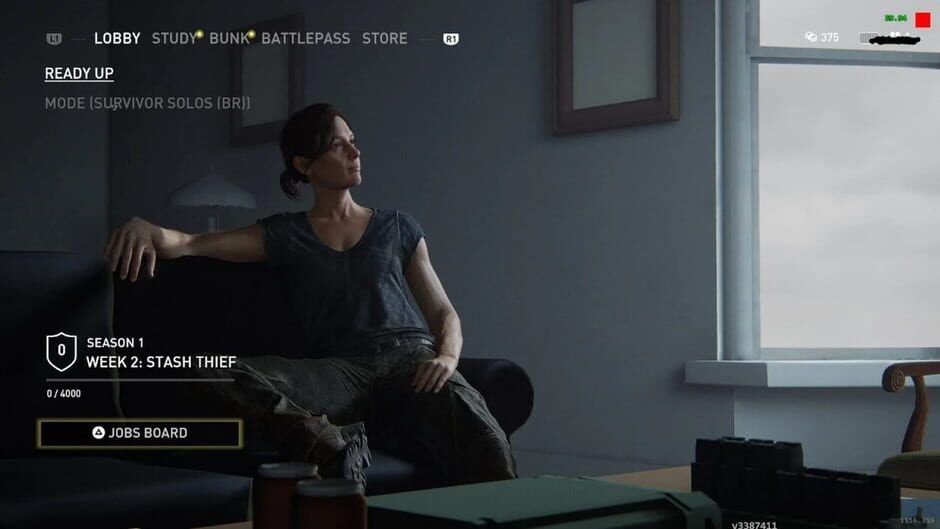

A new Jason Schreier report says most of Naughty Dog was assigned to The Last of Us Online before cancellation, changing how to read Intergalactic’s timeline.
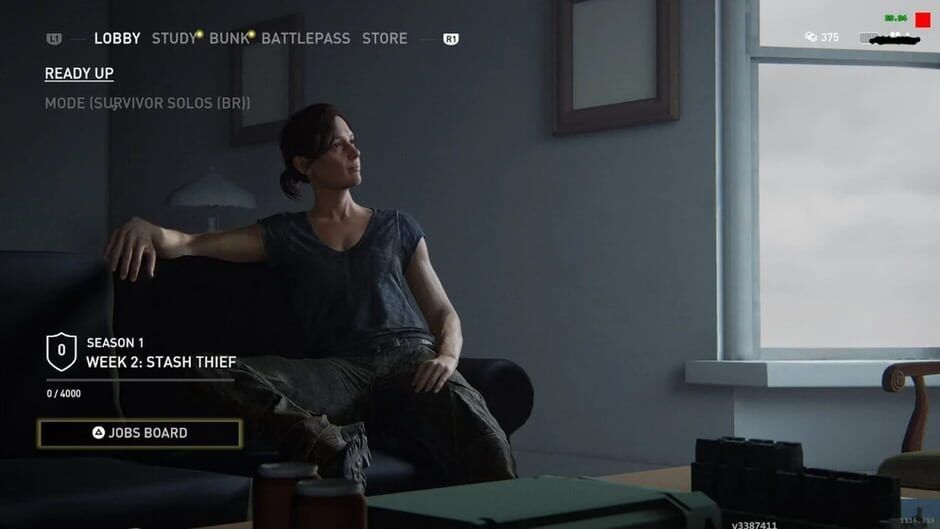
Image: IGDB
The multiplayer project was reportedly the studio’s main lane
The strongest new detail around The Last of Us Online is not that Naughty Dog cancelled it. The studio confirmed that in late 2023. The new development, reported through comments by Bloomberg journalist Jason Schreier and relayed by Push Square, IGN, TheGamer, and MeriStation, is that the cancelled multiplayer game reportedly had the attention of most of Naughty Dog before it was shut down.
Schreier said in a video that “a lot of people were working on that game” and pushed back on the idea that The Last of Us Online was a side effort running quietly while Naughty Dog’s main staff built Intergalactic: The Heretic Prophet. According to the quote published by Push Square, Schreier said “the opposite is true,” adding that Intergalactic did not have the majority of staff until after The Last of Us Online was cancelled.
That is a meaningful correction to the common read of Naughty Dog’s last several years. From the outside, it was easy to treat The Last of Us Online as an expanded Factions successor that grew too risky while the studio’s next single-player blockbuster moved ahead in parallel. Schreier’s account describes a different production map: a studio whose resources were concentrated on The Last of Us Online and remakes during much of the 2020s, with Intergalactic becoming the central destination only after the multiplayer project was cut.
The key point is attribution. Naughty Dog has publicly announced the cancellation of The Last of Us Online and has announced Intergalactic. The staffing distribution comes from Schreier’s reporting, not from a new Naughty Dog statement in the provided sources. Still, multiple outlets are now framing that report as an explanation for why one of PlayStation’s highest-profile internal studios has not shipped a brand-new game since The Last of Us Part II in 2020.
The release gap looks less mysterious when the staff chart changes
Naughty Dog’s PS5 generation has been visible, but largely through revisiting existing work. Push Square notes that the studio released The Last of Us Part I remake, The Last of Us Part II Remastered for PS5, and remasters of Uncharted 4: A Thief’s End and Uncharted: The Lost Legacy. Those projects kept Naughty Dog active, but they did not fill the same slot as a new studio-defining release.
Schreier’s staffing claim gives that gap a sharper shape. If the majority of the studio was working on either The Last of Us Online or remakes during the 2020s, then the lack of a new Naughty Dog game since 2020 is less a simple matter of secrecy and more a consequence of resource allocation. In strategy terms, the studio appears to have spent several years investing in a multiplayer branch that never reached market, while using remakes and remasters to maintain output and brand presence.
IGN similarly connects The Last of Us Online development to the studio’s six-year stretch without a brand-new release. The outlet reports that the cancelled multiplayer project was seen as a major release for Naughty Dog rather than a placeholder. MeriStation’s summary reaches the same broad conclusion, describing the game as a large undertaking that occupied most of the studio’s development staff for years.
That context matters for judging the PS5 era, but it also prevents a lazy conclusion. The existence of remakes does not mean Naughty Dog was idle, and the cancellation does not mean nothing was built. It means a large amount of production effort was absorbed by a project whose final form never became a shipped game. For a studio whose reputation is built on polished, expensive, authored releases, that is a major opportunity cost.
The live-service problem was long-term support, not only launch quality
The reported scale of The Last of Us Online also makes Naughty Dog’s cancellation explanation easier to understand. IGN references earlier reporting that, toward the end of development, the team recognized the game could not simply be released and left alone. As an online service, it would need long-term resources, updates, and support, potentially slowing or pulling attention from Naughty Dog’s single-player projects.
That is the strategic fork at the center of the story. A standalone online game set in The Last of Us universe could have given Sony a persistent multiplayer pillar tied to one of its strongest narrative brands. But sustaining that kind of game requires a different studio economy than shipping a campaign, polishing it, and moving most of the team to the next title. Live-service development is a metagame of its own: content cadence, player retention, matchmaking health, balance updates, backend reliability, seasonal planning, monetization, and community response all compete for headcount after launch.
TheGamer, citing Schreier’s video, reports that Naughty Dog spent “a ton of time and a ton of money, hundreds of millions” on The Last of Us Online. That figure is reported, not confirmed by Sony or Naughty Dog in the provided material. If accurate, it reinforces how far the project had moved beyond the scale of a modest multiplayer mode.
The tension is that the concept had a real audience. IGN notes that fans of The Last of Us Part I’s Factions mode cherished its tense PvP combat, and the hope around The Last of Us Online came from the idea that Naughty Dog could build an entire game around that foundation. IGN also points to comments from people who played the project behind closed doors and later spoke highly of it. None of that changes the business reality described in the sources: a game can be promising and still be structurally expensive to support.
Intergalactic gained the staff, but that is not the same as a date
The staffing shift now puts Intergalactic Naughty Dog speculation on firmer ground in one respect and shakier ground in another. According to Schreier’s comments as quoted by Push Square, most people at the studio came over to Intergalactic after The Last of Us Online was cancelled. That suggests Intergalactic’s current production scale is now much larger than it was before the cancellation.
It does not, however, prove that Intergalactic is close to release. IGN says we know next to nothing about Intergalactic: The Heretic Prophet and describes a possible next-year release as rumor, potentially connected by speculation to the PS6, while emphasizing that nothing has been confirmed. Push Square says Intergalactic is “expected next year,” but the provided sources do not include an official Naughty Dog or Sony release date.
That distinction is important for readers trying to time expectations. A project receiving most of a studio’s staff after late 2023 can accelerate, but inherited headcount also brings integration costs. Designers, engineers, artists, producers, and QA teams moving from a cancelled online game into a new science-fiction IP do not instantly convert into finished content. Pipelines change. Tooling priorities change. Combat, traversal, AI, narrative systems, cinematic work, performance targets, and production milestones all need alignment around the new game’s needs.
The practical guidance is simple: treat Intergalactic as Naughty Dog’s clear next major focus, but do not treat any release window as confirmed unless Sony or Naughty Dog announces it. The staffing report explains why the project may now be moving with more force. It does not reveal platforms beyond the PS5 framing used by Push Square’s listing, price, performance targets, editions, PC timing, or launch date.
The cancellation lands harder for Factions players now
For players who waited on a Factions follow-up, this report changes the emotional weight of the cancellation. The Last of Us Online was already a sore point because Naughty Dog had separated multiplayer from The Last of Us Part II and later cancelled the standalone project. The new reporting suggests fans were not waiting on a small experiment. They were waiting on one of the studio’s central productions.
That makes the community frustration easier to read. The original Factions mode built a devoted following because it translated The Last of Us’ scarcity, lethality, and improvisational combat into PvP. IGN describes that mode as cherished by fans and notes that there was hope a full game could expand the concept into something special. The appeal was specific: grounded survival combat in a multiplayer space that did not feel interchangeable with other shooters.
The disappointment also intersects with Sony’s broader live-service push, though the provided sources cover that context unevenly. TheGamer frames The Last of Us Online alongside PlayStation’s wider live-service struggles, mentioning successes such as Helldivers 2 and problems such as Concord, while also referencing other cancellations or uncertain projects. Those comparisons are TheGamer’s framing, but they help explain why The Last of Us Online attracts attention beyond Naughty Dog fandom. It sits at the collision point between Sony’s desire for recurring online revenue and the production identity of a studio best known for curated single-player games.
The difficult read is that The Last of Us Online may have been killed because Naughty Dog understood the post-launch obligation. If a studio has to choose between becoming a live-service support organization and continuing to build its traditional single-player pipeline, cancellation can be a defensive move even after years of sunk cost. That does not make the loss smaller. It makes the tradeoff clearer.
The next Naughty Dog game now carries two burdens
Intergalactic: The Heretic Prophet is now carrying the normal pressure of being a new Naughty Dog IP and the extra pressure of arriving after a highly resourced cancelled project. Push Square notes that Naughty Dog has not shipped a new game for Sony’s current console yet. IGN says the studio has multiple projects in the works now, which may help prevent another large gap, though definite answers about other possible games are likely years away.
The analytical read is that Intergalactic has become the studio’s consolidation play. After the multiplayer branch was cut, staff moved toward a new single-player-facing future, or at least toward a new IP whose public identity is not currently defined as a live-service product in the provided sources. That does not tell us how Intergalactic plays, how large it is, or whether it will satisfy fans who wanted either The Last of Us Part III or a Factions successor. It does suggest Naughty Dog’s production center of gravity has shifted back toward the kind of flagship release players associate with the studio.
There are still major unknowns. Sony and Naughty Dog have not confirmed an Intergalactic release date in the provided material. The sources do not provide gameplay details, pricing, editions, PC plans, or performance information. Rumors around timing should stay labeled as rumors until official confirmation arrives.
What is clearer is the development story behind the silence. The Last of Us Online was not a disposable detour according to Schreier’s reporting. It was a major allocation of Naughty Dog’s staff and, per TheGamer’s account of Schreier’s comments, potentially a very expensive one. Intergalactic is therefore not simply the game Naughty Dog was always building in the background at full power. Based on the reported staffing shift, it is the project that absorbed the studio after one of PlayStation’s most watched cancelled multiplayer bets finally ended.