
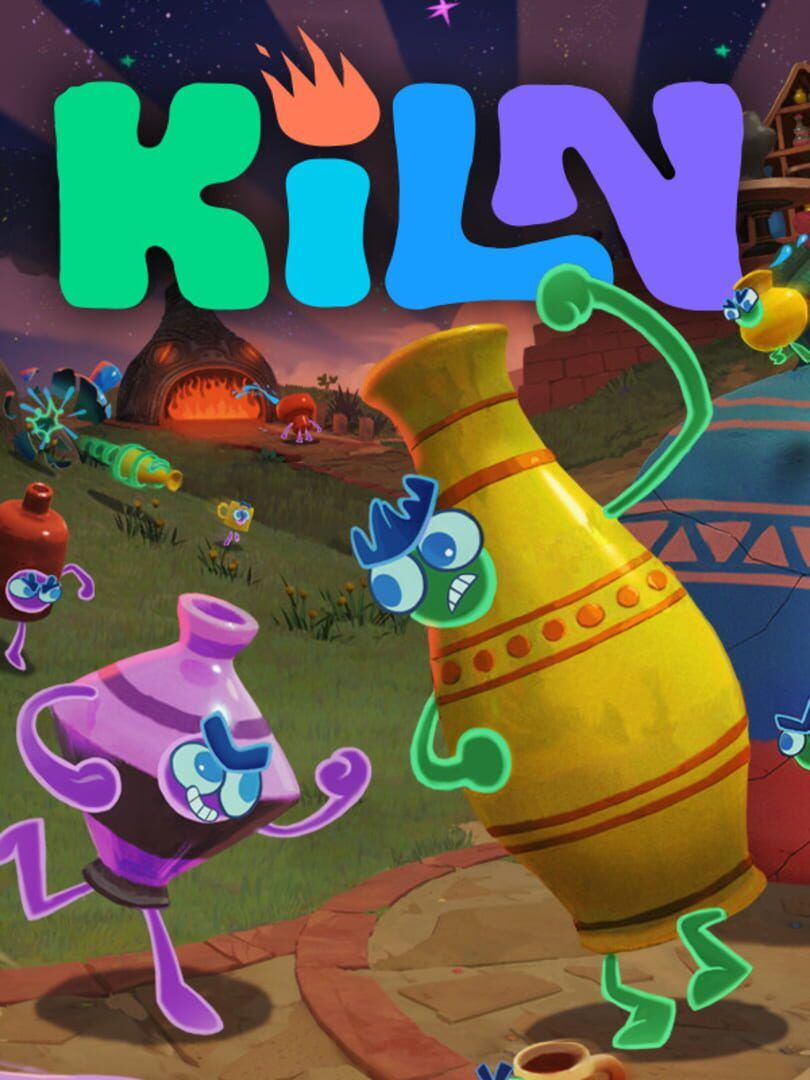

With Kiln firing up for an April 23 launch, Double Fine is stepping outside its single‑player comfort zone for a 4v4 “pottery party brawler.” Here is what the April timing, Steam open beta, and Double Fine’s name mean for its chances in today’s crowded multiplayer market.
April is about to get busier for multiplayer fans. Double Fine’s Kiln is now locked in for an April 23, 2026 launch on Xbox Series X|S, PS5, and PC, with cross‑play and a budget‑friendly $19.99 price. Before that, Steam players can jump into an open beta from April 9 to 11, a crucial first stress test for a studio that has spent most of the last decade making single‑player passion projects.
Kiln’s pitch is instantly readable: a 4v4 online brawler where you literally sculpt your fighter out of clay, fire it, then cart it into battle. The core mode, Quench, plays out as a back‑and‑forth race to soak the opposing team’s kiln three times before they can douse yours. You haul water, skirmish around chokepoints, and decide when to escort, when to flank, and when to dive into a chaotic scrum of colliding ceramics. The structure feels immediately familiar to anyone who has bounced between objective modes in Overwatch, Splatoon, or Foamstars, but the way Kiln gets you invested in your character is very Double Fine.
Every match begins well before you load into a map. In The Wedge, Kiln’s social hub, you spin a pottery wheel and shape your spirit’s ceramic armor by hand. Height, girth, and silhouette are not just cosmetic: smaller builds can squeeze under low arches and through tight corridors, while chunkier bodies trade mobility for presence in a fight. Glazes, patterns, and attachments layer on more identity, and when pots shatter mid‑match, the screen fills with the shards of work you just made. It is an arresting feedback loop that leans on Double Fine’s love of physical craft as much as its trademark character work.
That, more than the raw 4v4 format, is the big question for Kiln’s release. The multiplayer market in 2026 is aggressively crowded, and a distinctive hook is not enough by itself. Pottery as a theme immediately sets Kiln apart from the usual sci‑fi soldiers and hero‑shooter archetypes, and the studio is smartly grounding its maps and modes in that identity. Early showings highlight mythological arenas inspired by pottery‑rich cultures like ancient Greece and Egypt, with environmental hazards and traversal lines that reward smart use of your pot’s proportions. Everything, from UI flourishes to the way water splashes across terracotta, pushes the fantasy of fragile, handmade combat.
Whether that remains novel after fifty hours is where the open beta comes in. Running from April 9 to 11 on Steam, it is explicitly framed by Double Fine as both a server test and an onboarding experiment. Kiln layers several unfamiliar concepts on top of each other: a sculpting interface, a physics‑aware body plan, and MOBA‑lite objective play. If the tutorials and early matches can quickly teach players why their pot’s shape matters and how their abilities synergize with teammates, Kiln has a shot at escaping the fate of many quirky multiplayer experiments that lose the audience before the depth reveals itself.
Onboarding will also determine how well Kiln travels beyond Double Fine’s usual crowd. This is the studio behind Psychonauts 2, Brutal Legend, and Costume Quest, games that built a loyal following on character‑driven single‑player storytelling rather than ranked ladders or battle passes. That name means something: it tells players to expect warmth, strong art direction, and weird, often heartfelt worldbuilding. It does not automatically convince competitive shooter fans to drop their mainstay live service for a pottery brawler.
Double Fine seems aware of that gap. Pricing Kiln at $19.99 and putting it on Game Pass on day one make it an easy impulse try, something you can convince three friends to download for a weekend session. Cross‑play between Xbox, PlayStation, and PC helps address population fragmentation, a constant threat for smaller‑scale multiplayer titles. The studio is already talking about post‑launch maps and modes, but the more immediate test is whether the beta can establish a clear skill curve and matchmaking that feels welcoming without dissolving into chaos for new players.
The real long‑term appeal may hinge on how deep the pottery mechanics go. If shaping your fighter is as surface‑level as picking a skinny or chunky preset, the novelty will evaporate quickly. If, instead, Kiln leans into build expression that genuinely changes how you approach Quench’s objectives and whatever other modes arrive later, it can carve out a niche closer to Rocket League or Splatoon, where a simple pitch hides years of replayability. Early previews hint at a surprising strategic layer, with different special attacks, pot geometries, and map‑specific tricks to master, but the beta will need to show how readable and counterable that meta is in the wild.
Ultimately, Kiln is Double Fine attempting something it rarely does: vying for a space in the nightly rotation of multiplayer regulars. The studio’s name will guarantee curiosity from existing fans, but its success will depend far more on match feel, netcode, and progression hooks than on narrative eccentricity. In a spring crowded with big releases, an April 23 launch window flanked by a focused open beta gives Kiln a real shot at a strong first impression. Whether players keep coming back to fire new pots and smash old ones will define if this charming pottery brawler becomes a cult favorite or quietly cools off after release.