
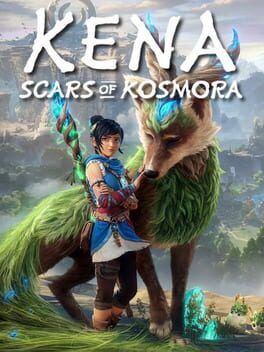

Ember Lab’s unexpected follow up to Kena: Bridge of Spirits aims for a larger world, deeper elemental combat, and a stronger franchise footprint with a 2026 PS5-and-PC launch.
Kena’s return was never a given. When Ember Lab shipped Kena: Bridge of Spirits in 2021, the studio talked like a team that had told its story and was ready to move on, musing about new IP and even an animated adaptation rather than a straight sequel. That is why Kena: Scars of Kosmora landing as a headliner at Sony’s February State of Play, complete with a 2026 launch window on PS5 and PC, feels like such a pleasant surprise.
What the reveal makes clear is that this isn’t just more of the same. Ember Lab is treating Scars of Kosmora as a chance to expand almost every aspect of Kena’s action adventure formula, from the scale of the world to the complexity of Rot abilities and the way combat flows from moment to moment.
A bigger world without losing structure
The original Bridge of Spirits flirted with open areas but stayed close to a hub-and-spoke structure. Scars of Kosmora immediately looks more expansive. The new island setting of Kosmora is pitched as a place of distinct cultures and regions, each tied to the tragic history Kena is investigating and to the affliction she has carried since childhood.
Early previews stress that this is not a pure open world. Instead Ember Lab talks about tightly designed regions and deliberate progression. That suggests something closer to a modern action adventure with large zones and layered shortcuts rather than a checklist-driven map. The State of Play trailer backs that up with shots of Kena traversing sweeping cliffs, dense forests lit by bioluminescent flora, and what look like more vertical, multi-path arenas for both exploration and combat.
For a studio that already proved it can build striking environments, that expanded scope matters. Kosmora’s regions appear more visually distinct than the first game’s forested countryside, framing its narrative beats with stronger visual identity and giving the Rot and elemental systems more room to play.
Rot abilities grow into true combat tools
The Rot were the breakout stars of Bridge of Spirits, equal parts mascot and mechanic. They could possess objects, clear corruption and transform into giant constructs, but for much of the game they functioned like contextual puzzle solvers that occasionally powered up Kena’s attacks.
Scars of Kosmora pushes them closer to the center of the combat and traversal loop. Ember Lab is emphasizing new Spirit Companions and more intricate boss fights, and that pairs neatly with a deeper Rot toolkit. Footage already hints at Rot-assisted platforming, more persistent Rot formations in battle, and interactions that layer onto the new elemental system rather than just sitting beside it.
If Ember Lab can make Rot management a constant, expressive layer in fights rather than an occasional trigger, it will address one of the first game’s big missed opportunities. Rot that can be specced toward crowd control, defense, or burst damage across Kosmora’s different regions could turn the adorable spirits into a flexible build system instead of just a resource you spend on big finishers.
Alchemy and the evolution of combat
The most striking story beat in the reveal is also the clearest statement of intent for gameplay. Early in Scars of Kosmora, a powerful spirit shatters Kena’s staff, the same staff that defined both her identity as a Spirit Guide and much of the combat in Bridge of Spirits. In the fiction of this sequel, it was literally keeping her alive.
Losing it forces Kena to adopt Kosmora’s forgotten style of Spirit Guiding, which channels Alchemy to control elemental forces. In practical terms that means a combat system rebuilt around elemental infusions, stance-like states, and bespoke abilities tied to different elements.
Ember Lab describes deeper, more strategic encounters with greater emphasis on elemental weaknesses and synergies. In the trailer Kena chains agile staff combos with bursts of green-tinged energy, then swaps to heavier, glowing strikes that imply different elemental loadouts. Paired with more aggressive, screen-filling bosses, it paints a picture of combat that asks players to react, reposition and reconfigure in ways the original rarely demanded.
Bridge of Spirits had weighty, sometimes punishing combat that could clash with its gentle presentation. Scars of Kosmora looks like an attempt to resolve that tension. By giving players clearer tools, more movement options and tactical choices through Alchemy and Rot, Ember Lab can keep the challenge while reducing the sense that difficulty spikes come from limited options.
An unlikely sequel that reframes Kena’s story
Calling Scars of Kosmora an unlikely sequel is more than marketing spin. After Bridge of Spirits launched, Ember Lab’s co founders openly questioned whether they would return to Kena at all. They talked about exploring different worlds and media, and for a while it seemed like Kena might remain a one and done experiment, beloved but not foundational.
Returning to this character several years later, older and more seasoned within the fiction, mirrors the studio’s own evolution. Kena is no longer an uncertain newcomer to Spirit Guiding. She is established and respected, which makes the loss of her staff and the resurfacing of her lifelong affliction feel like a deliberate way to challenge both the character and the structure that defined the first game.
That shift in tone matters for the series’ identity. Where Bridge of Spirits often felt like a self contained fable, Scars of Kosmora positions Kena’s journey as part of a larger mythology that can support future stories. The island of Kosmora, with its buried histories and distinct cultures, is fertile ground for side characters and future conflicts beyond this single game.
PS5 and PC day one changes the equation
Bridge of Spirits debuted as a console exclusive for PlayStation before eventually making the jump to other platforms. Scars of Kosmora arrives in a different landscape. Ember Lab and Sony are committing to a simultaneous launch on PS5 and PC in 2026, and that choice has major implications for how the sequel will look, run and potentially grow.
On the console side, PS5 gives Ember Lab a stable hardware target to chase with their signature animation driven visuals. Expect the studio to lean hard into cinematic presentation, dense foliage and expressive character work, with performance and resolution modes tuned around that 4K living room experience. Bridge of Spirits already punched above its weight visually, and with several more years of Unreal Engine iteration and PS5 maturity, Scars of Kosmora can afford more crowded scenes, more on screen Rot, and boss arenas packed with elemental effects.
Launching on PC from day one widens the canvas. High end rigs can push the studio’s painterly aesthetic with higher resolutions, ray tracing options and more stable frame rates, all while giving Ember Lab access to a player base that increasingly expects action adventures to land on PC alongside consoles. Just as importantly, it signals Sony’s growing comfort with treating these smaller, visually prestige titles as cross platform from the outset rather than as long term exclusives.
The PC version also quietly supports the idea of longevity. A larger, more connected audience from launch can help keep conversation around Kena alive for longer, encouraging post launch updates, potential DLC and, if all goes well, another sequel. Even if Ember Lab never leans into full mod support, a PC audience is more likely to keep dissecting systems, builds and speedrun routes, which can feed directly back into how a series evolves.
Laying the groundwork for a real franchise
All of this paints Scars of Kosmora as something more than a victory lap. The bigger world, expanded Rot mechanics and alchemy powered combat are the mechanical pillars you would expect from a studio turning a breakout project into a true series. The narrative time skip and new setting give Ember Lab room to grow Kena and introduce new Spirit Guides, allies and antagonists who could anchor future entries.
If Bridge of Spirits was proof that Ember Lab could ship a polished, heartfelt adventure, Scars of Kosmora is the test of whether Kena can sustain a franchise. A PS5 and PC launch in 2026 maximizes reach. A more intricate combat system and denser world improve the odds that players will stick around for the long haul. And the very fact that this sequel exists, after earlier doubts from its creators, suggests that both Sony and Ember Lab see Kena not just as a one off success, but as a world worth returning to.
For now, Scars of Kosmora stands as one of 2026’s more intriguing action adventures. If Ember Lab can successfully marry its animation studio roots with the demands of a larger, more complex game, Kena’s unlikely second act might be the moment she truly arrives as a long term PlayStation and PC mainstay.