
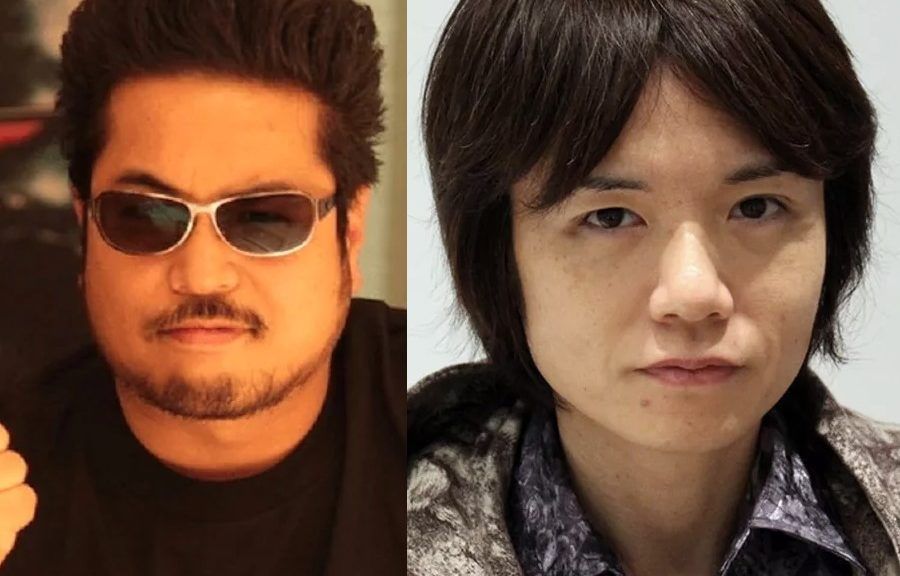

Katsuhiro Harada’s viral Sakurai comparison is funny, but the Tekken veteran’s Goku joke points at a real industry habit: treating Masahiro Sakurai’s production instincts as superhuman.
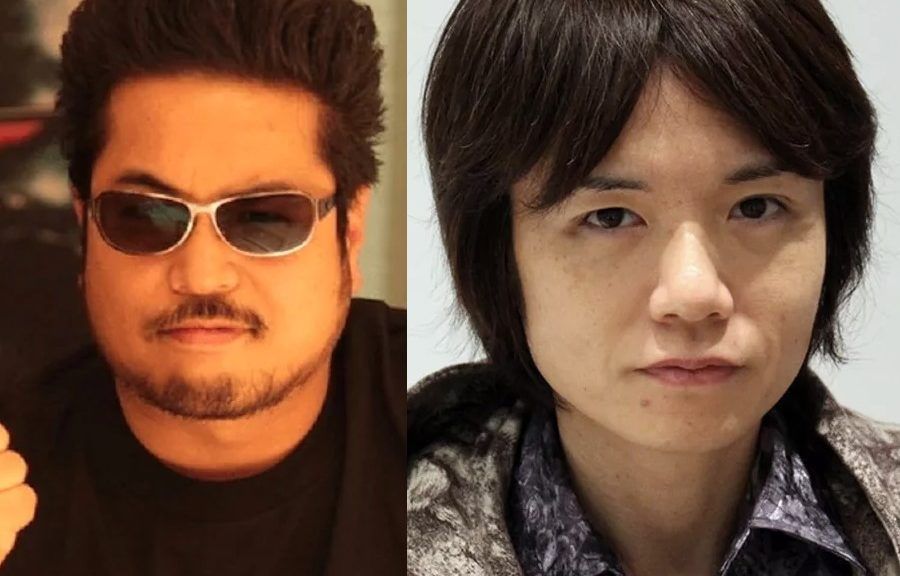
Image: nintendosoup.com
Harada’s Sakurai joke landed because it sounds like praise from the lab
Katsuhiro Harada has described Masahiro Sakurai as “a Saiyan who genuinely believes he’s just another ordinary human,” according to Nintendo Life and My Nintendo News, both citing Harada’s lengthy post on X. The line is funny on its face because it borrows Dragon Ball language for a game development compliment, but it also carries the sting of someone who knows how hard high-level production actually is.
Harada’s comparison was not framed as a product tease, a collaboration announcement, or a new Super Smash Bros. update. The confirmed news is narrower and cleaner: the former Tekken producer/director, as described by the reporting outlets, publicly praised the Super Smash Bros creator by comparing his problem-solving instincts to Goku casually suggesting that everyone should fly.
That is the tension. In fighting games, the clean answer is often the cruelest answer. “Just sidestep,” “just whiff punish,” “just anti-air,” or “just parry” can be technically correct while ignoring the execution, matchup knowledge, and pressure that make the answer hard in real time. Harada’s joke works because it casts Sakurai as the kind of designer who sees the simple route through a problem, then seems genuinely confused when everyone else cannot perform the same input.
The quote is a joke, but it is also a production read
Nintendo Life quotes Harada as saying that when others are struggling with a problem, Sakurai will sometimes say something that sounds like Goku asking, “Well… why don’t you just fly?” Harada’s imagined reply is the human response: “Because we humans can’t use Flight Technique.” He then says Sakurai looks puzzled.
My Nintendo News carries the same core quote and adds the broader impression that Sakurai is down to earth, the sort of person who would attend a large drinking party and believe he was “just another ordinary guest.” Harada then reaches for a Demon Slayer comparison, describing Sakurai as “like Muzan Kibutsuji casually showing up at a drinking party where all the Hashira have gathered, genuinely believing he’s just another ordinary guest.”
The wording is exaggerated, but the target is specific. Harada is not saying Sakurai behaves like a celebrity demanding recognition. He is saying the opposite: Sakurai’s self-image, in Harada’s telling, does not match the scale of what other creators see when they look at his work. That gap is the whole joke. The Saiyan does not know he is a Saiyan.
Fighting game developers recognize the cost of making simple feel obvious
The Katsuhiro Harada Sakurai exchange hits harder coming from a Tekken figure than it would from a random admirer. Harada’s career is tied to a series where clarity is earned through systems that can look unreadable to outsiders: movement, frame advantage, tracking, throw breaks, wall pressure, character-specific punishment, and the long tail of matchup memory.
That background matters because Smash sits in a strange cultural space. It is a platform fighter, a Nintendo crossover, a party game for many households, and a competitive discipline for players who treat spacing, ledge pressure, DI, recovery mixups, and matchup charts with the same seriousness Tekken players bring to punishment tables. My Nintendo News’ own related archive notes that Harada previously discussed Nintendo choosing Namco Bandai for the Wii U and 3DS-era Smash games because Super Smash Bros. is a fighting game and Bandai Namco had years of Tekken experience. That historical connection gives this latest praise a sharper edge.
From a player improvement standpoint, Sakurai’s public reputation is built around making dense systems readable. That is the hardest version of design. Anyone can add mechanics until the movelist becomes a tax form. The rare skill is building a game where a casual player understands the first layer immediately while specialists keep finding layers underneath. Harada’s “why don’t you just fly?” bit is funny because that kind of elegance can make the designer look like they skipped the struggle. Developers know better.
Sakurai’s workload is the part peers keep reacting to
Nintendo Life frames Sakurai’s reputation around a body of work that includes Super Smash Bros. Ultimate, Kirby Air Riders, Kid Icarus: Uprising, and his YouTube channel on game development. Those are the reported examples in the source material, and they point to a broader pattern: Sakurai is praised not only for one hit series, but for the range and density of the output associated with him.
Super Smash Bros. Ultimate is the easy headline because it became the Switch entry that pulled together a huge roster of Nintendo characters and third-party guests. But the culture around Sakurai is also shaped by how he explains design. Nintendo Life describes his YouTube channel as one of the most comprehensive series of videos on game development. That matters because it makes his process feel unusually visible while still hard to imitate.
There is a trap here for fans. Visibility can make labor look smaller. A designer explaining a solution in clean language can create the illusion that the solution was easy. Competitive players should recognize the pattern immediately. The combo video does not show the dropped inputs. The final patch note does not show the failed prototypes. The perfect recovery mixup does not show the 50 times it got stuffed in practice.
The industry culture underneath the meme
Harada’s comment is being passed around because “Masahiro Sakurai Saiyan” is a perfect internet phrase. It is short, referential, and flattering without turning into a formal award speech. But inside the joke is a familiar industry habit: developers often reach for impossible bodies, monsters, gods, aliens, or anime power scaling when describing peers who seem to operate above normal production limits.
That habit can be affectionate, and in this case the reporting presents it as admiration. Nintendo Life says Sakurai’s peers look up to him, then uses Harada’s post as the example. My Nintendo News similarly frames the quote as Harada revealing his overall impression of Sakurai after meeting with influential developers.
Still, the language is worth reading carefully. Calling someone superhuman can celebrate craft, but it can also flatten the structure around that craft. Games are made by teams, pipelines, budgets, deadlines, tools, platform constraints, approvals, QA, localization, and a stack of invisible labor. The sources here support Harada praising Sakurai’s personal aura and problem-solving style. They do not support turning that into a claim that Sakurai alone made every praised thing possible, or that other developers simply need to “fly” harder.
No, this does not point to a new Smash announcement
For readers checking whether the Tekken Harada Sakurai quote signals a new project, the safe answer is no. The source material does not include a new game reveal, platform confirmation, release window, price, roster hint, or collaboration detail. Nintendo Life says that after the launch of Kirby Air Riders, it is not clear what Sakurai might be working on now, if anything.
That absence is important. A viral developer quote can look like smoke to players trained to hunt for leaks, especially when the names involved touch Super Smash Bros., Tekken, Bandai Namco history, and Nintendo. But nothing in the provided reporting turns Harada’s post into evidence of a new Smash entry, a Tekken crossover, or a Sakurai-directed fighting game.
The practical read is simple: enjoy the quote as a rare bit of public peer respect between major Japanese game creators, not as a product roadmap. If you are waiting for Sakurai’s next move, there is still nothing confirmed in these sources beyond the fact that other developers, Harada included, continue to talk about him like he is playing on a different ruleset.
The cleanest praise is that Sakurai makes hard things look natural
The reason fighting game people keep gravitating toward superhuman language for Sakurai is that his best-known design reputation sits in the same zone players chase in training mode: effortless-looking control over chaos. Smash has to communicate immediately, hold up under scrutiny, and carry wildly different player expectations. That combination is brutal.
Harada’s Saiyan comparison captures that better than a polished corporate compliment would. It says Sakurai appears ordinary in demeanor while producing solutions that make other experts feel like they are missing an entire movement option. In a genre culture obsessed with execution barriers, matchup checks, and invisible decision trees, that is high praise.
The meme will fade. The useful read will last longer: when a veteran like Harada describes the Super Smash Bros creator as Goku casually asking why everyone cannot fly, he is really describing the rare developer skill of making the impossible sound like the obvious next input.