
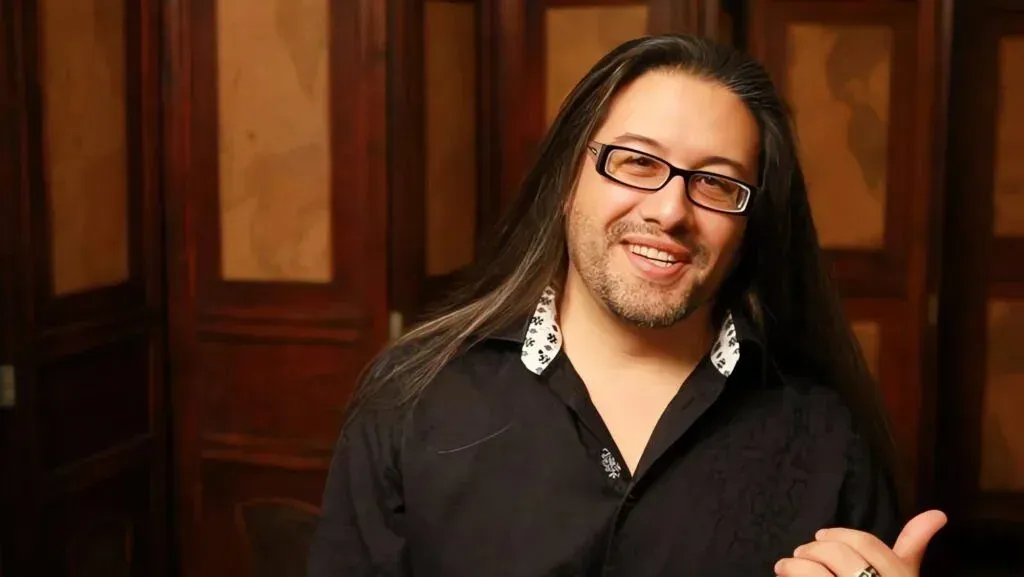
John Romero says Romero Games has secured a new publisher for its canceled Xbox-backed shooter, rehired key staff, and rebuilt the project for a much smaller team.
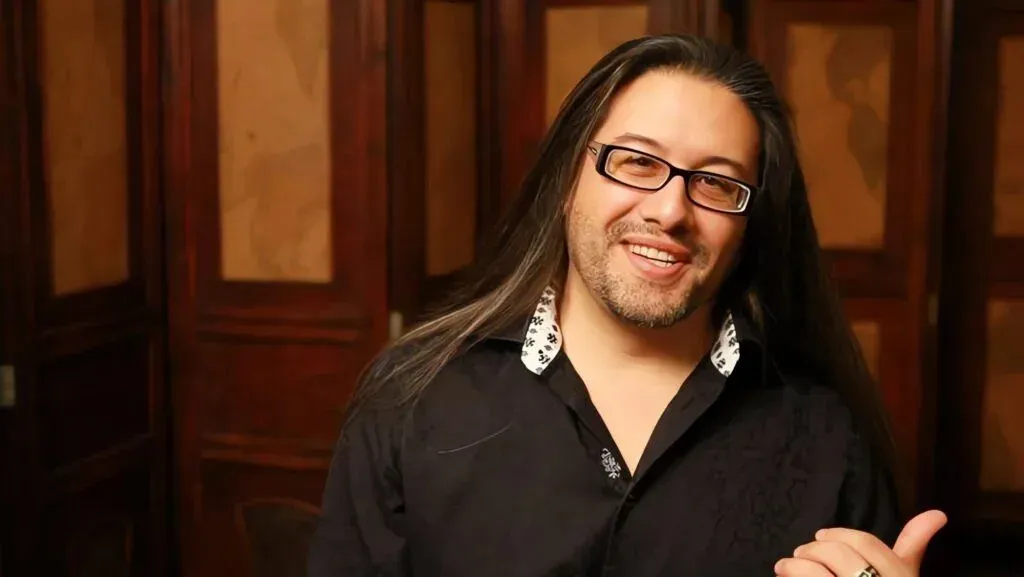
Image: onemoregame.ph
Romero Games has a publisher again, but the old shooter is gone
John Romero says his unannounced shooter, previously dropped after Microsoft pulled its publishing agreement, now has a new publisher. That is the concrete recovery point from Romero’s new comments to Video Games Chronicle at Gamescom Asia, and it comes with a major caveat: Romero Games is no longer trying to finish the same 110-person project that lost Xbox backing.
Romero told VGC that the studio has secured a new publishing deal, although he did not name the company or give a reveal window. He also confirmed that Romero Games has rehired some former staff after the funding loss forced the company down to a tiny core team. For anyone tracking the Romero Games canceled Xbox game, this is the first firm sign that the project survived in a meaningful form after months of uncertainty.
The tension is that survival required a hard reset. According to Romero, the new game is still a shooter, but the surrounding design has changed. The original plan was built for a studio of roughly 110 people. The revived version is scoped for about 15 to 16. For an FPS, that kind of production swing is not cosmetic. It affects encounter density, level structure, content pipeline, tools, QA load, and how much systemic ambition the team can safely carry to the finish line.
The funding cut nearly collapsed the studio’s production plan
VGC reports that Romero Games confirmed earlier this year that it had lost funding for the unannounced shooter after an unspecified publisher pulled its publishing agreement. VGC says that publisher was later identified as Microsoft, and Game Developer similarly reports that laid-off employees named Microsoft specifically while Romero had previously said people could infer the publisher from public information.
The staff impact was severe. VGC says multiple employees claimed the whole studio had been let go after the deal was pulled, while Romero Games later denied it was closing and said it still hoped another publisher could save the FPS. In Romero’s new account to VGC, the studio kept people on as long as it could while searching for funding, then reached a point where it had to make redundancies. He described the studio falling from 110 people to five.
There is some calendar noise across the reports. VGC frames the funding loss as earlier this year, while Romero’s quoted remarks refer to being defunded last year. Tbreak’s write-up dates Microsoft dropping the shooter from its publishing slate to 2025. The important sequence is consistent across the source material: Microsoft pulled the agreement during a broader period of cuts and restructuring, Romero Games downsized dramatically, and the studio has now found a new publisher without returning to its old scale.
Ownership of the work made the rescue possible
The strongest production detail in Romero’s VGC interview is that Romero Games retained ownership of the project’s material. Romero said the studio owns the name, IP, art, graphics, code, and related work. That matters because a canceled publisher deal can strand a game if the rights or technology sit with the funder. In this case, Romero says the studio could take what existed and build a new plan around it.
Romero told VGC he needed to design a new game that could use as much of the existing work as possible, giving the smaller team a head start instead of starting from zero. Tbreak, citing Romero’s comments to VGC, reports that the redesigned project carries over characters, weapons, and shooter code from the canceled version. One More Game also reports that the new game leverages existing art, technology, weapons, characters, and shooter systems.
That is a practical pivot, not a simple continuation. Romero has been clear that the original 110-person game is not being completed as originally planned. Game Developer describes the current title as a complete redesign of the concept, because the same game could not be made with far fewer people. For shooter players, the key read is that the core combat foundation may have continuity, but the shape around it has changed enough that old assumptions about scale, campaign structure, or modes should be parked until Romero Games shows the game publicly.
Rehiring leads is the recovery story inside the headline
Romero told VGC that Romero Games has brought back 10 people, described as leads from the different sub-teams that had been working on the larger version. That detail is bigger than the number alone. Rehiring leads means the studio did not simply add bodies after a funding save. It recovered some of the people who understood the previous project’s tools, asset base, combat implementation, and production history.
The current team is now around 15 to 16 staff, according to VGC and Game Developer. Romero said that is likely where the studio will stay for now because the new game is scoped for that size. Shacknews also reports that Romero wants to keep the team around that level for the redesigned project.
From a shooter production standpoint, that is a disciplined answer to a brutal cut. A small team can make a sharp FPS if the target is narrow and the toolchain is stable. A small team can also get crushed if it tries to preserve the content appetite of a 100-plus-person production. Romero’s public comments suggest he knows the difference: the game was reworked around the team that exists, rather than pretending the old pipeline survived the layoffs intact.
A smaller team also puts Romero back in the editor
Game Developer highlights another part of Romero’s VGC interview: he said he does not like being in meetings all day on 100-plus-person teams and prefers making the game directly, including hand-designing, working in Unreal Editor, making decisions, and directing the rest of the team. That is relevant because Romero’s reputation is built on shooter design work from id Software, where VGC notes he co-founded the studio and designed early games including Wolfenstein 3D, Doom, and Quake.
That history should not be treated as a guarantee. Modern shooters live or die on far more than authorship. Gunfeel, AI pressure, traversal, progression, encounter readability, input latency, and content pacing all demand polish. If the game has multiplayer, which has not been announced, netcode and matchmaking would add another heavy layer. None of those details are confirmed for John Romero’s next game.
Still, the smaller setup explains why Romero sounds optimistic. One More Game reports that Romero described the new publishing arrangement as allowing creative freedom, with no creative mandates from the new publisher. If that account holds through development, the tradeoff is clear: less headcount and likely less raw scale, but tighter control over the shooter’s identity.
The unanswered questions are still the ones players need answered
Romero has not announced the new publisher, the game’s title, platforms, release timing, price, or distribution plan. There is also no public gameplay reveal in the provided source material. VGC quotes Romero as saying he cannot share who the publisher is or when an announcement will happen. That means readers should treat the current news as a production recovery, not a consumer-ready rollout.
It is also worth separating Xbox funding from Xbox platform availability. The project was backed by Microsoft as publisher before the agreement was pulled, according to VGC and other reports, but the sources provided do not confirm whether the game was planned as an Xbox exclusive, a Game Pass title, a PC release, or a multiplatform shooter. The phrase Xbox-backed describes the canceled publishing relationship, not a confirmed platform list for the revived game.
The practical advice is simple: wait for the reveal before reading too much into genre labels. We know it is still a shooter. We know it has reused work from the canceled project. We know Romero Games rehired key staff and resized the game around a 15 to 16 person team. We do not know whether it is single-player, co-op, competitive, extraction-driven, arena-focused, immersive, or something else entirely.
A rare reversal after industry cuts
The John Romero new publisher story lands differently because it follows the usual layoff script and then swerves. Many canceled games disappear after a funding pull, especially when a studio loses most of its staff. Here, Romero Games appears to have kept enough ownership, leadership, and technical continuity to make a second version viable.
That does not erase the damage. The sources describe a studio that went from 110 people to five, then rebuilt only to around 15 or 16. The old game is not coming back in its original form. Former staff who were not rehired remain outside the project. The new publisher is unnamed, and the redesigned shooter still has to prove itself in public.
But as a recovery case, Romero Games rehiring staff after Xbox funding cuts is notable. It shows a path that depends on conditions many teams do not have: owned IP, reusable assets and code, veteran leadership with publisher access, and a willingness to cut scope before development collapses under its own promises. The next real test is the reveal. Until then, the confirmed story is that Romero’s canceled Xbox-backed shooter did not stay canceled, but it had to become a different game to survive.