
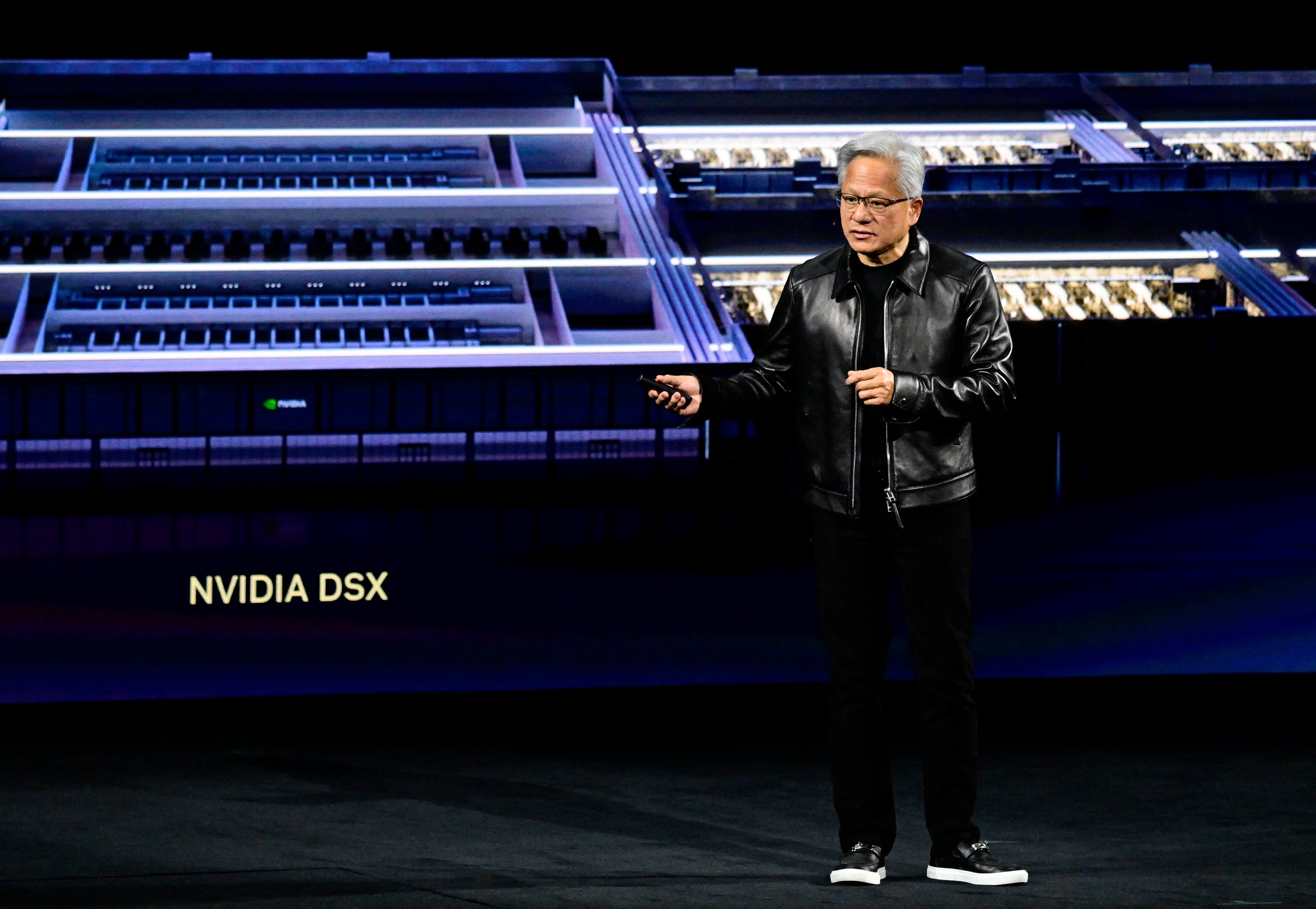

Calls for a Jensen Huang Nvidia return are growing as petition counts climb, major investors urge a careful CEO process, and PC players watch for any effect on Nvidia gaming GPUs and AI hardware priorities.
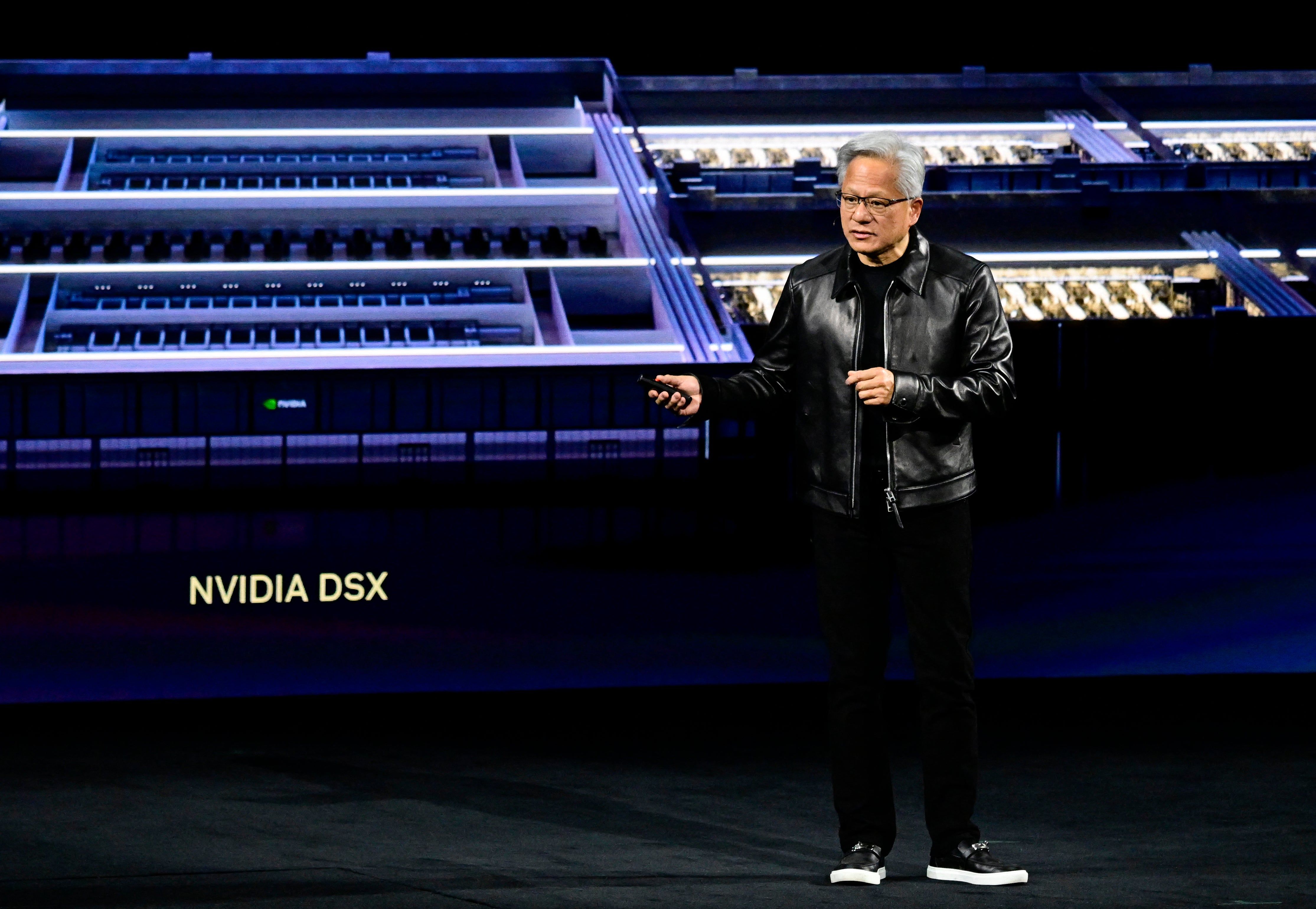
Image: independent.co.uk
A petition surge has turned Nvidia’s CEO crisis into a hardware strategy story
The clearest development is that public pressure for a Jensen Huang Nvidia return is now measurable. CNBC reported that an online petition calling for Huang’s reinstatement as Nvidia CEO had drawn nearly 180,000 signatures, while The Guardian put the figure at more than 165,000 and PC Gamer’s headline cited more than 175,000 people backing the #bringjensenback effort. Those differences appear to reflect a fast-moving public counter rather than a factual conflict over the campaign’s existence.
The campaign has circulated as “Stand with Jensen,” with CNBC reporting support from Elon Musk, Y Combinator CEO Garry Tan and Epic Games CEO Tim Sweeney. CNBC also named Shopify CEO Tobias Lütke, former Uber CEO Travis Kalanick and Hugging Face CEO Julien Chaumond among other high-profile supporters or listed signatories. The same CNBC report cautioned that employee affiliations on the petition site are self-reported and not verified.
That distinction matters because the petition is not a board vote, a shareholder resolution or an Nvidia product announcement. It is pressure. The tension is that pressure is arriving while Nvidia is already in a leadership transition. CNBC reported that Huang resigned as president, CEO and director on Nov. 12, and that Nvidia’s resignation announcement did not state a reason. CNBC also reported that Colette Kress, Nvidia’s longtime CFO, is serving as interim CEO.
For PC players watching Nvidia gaming GPUs, the important point is narrower than the social-media noise. None of the supplied reporting says Nvidia has changed GPU pricing, consumer graphics-card supply, drivers, release timing or product roadmaps because of the leadership fight. The reason the story still belongs on a gaming hardware desk is that Nvidia’s board is now deciding who steers a company whose AI hardware business, investor expectations and consumer GPU brand all sit inside the same strategic machine.
The confirmed facts are thinner than the comeback narrative
The public narrative is racing ahead of the confirmed record. Confirmed by CNBC’s reporting are Huang’s resignation date, his departure from the CEO, president and director roles, Kress stepping in as interim CEO, and the existence of investor and tech-executive pressure for Nvidia’s board to keep the door open.
The comeback itself remains reported, not announced. CNBC and The Guardian both cited the Financial Times as reporting that Huang has discussed a possible return with close confidants. The Guardian, again citing the FT, reported that one Huang ally described efforts to assemble a “war room” of Silicon Valley executives to lobby for his return and seek support from the White House. PC Gamer similarly framed the return push as reported, not confirmed.
The circumstances around Huang’s exit also require careful attribution. CNBC said Huang resigned amid multiple affair allegations, including one involving Alice Huang, whom CNBC described as a suspected Chinese spy who also worked with Nvidia customer Megaspeed. The Guardian reported that Huang’s resignation followed reports of at least two extramarital affairs, including one with a woman accused of spying for China and another with a subordinate. CNBC separately noted an independent board investigation. Nvidia’s resignation announcement, according to CNBC, did not state a reason.
That leaves several unanswered questions that directly shape the board’s next move. Nvidia has not publicly announced Huang’s reinstatement. It has not publicly said Kress is a permanent replacement. It has not, in the source material provided, tied any consumer GPU decision to the CEO transition. The return speculation is therefore best read as a governance fight with hardware consequences still unproven.
Investors are asking for time, while Washington is asking for a break from the past
The most consequential formal pressure on Nvidia’s board does not come from petition comments. CNBC reported that Altimeter Capital’s Brad Gerstner and Atreides Management’s Gavin Baker sent a letter urging Nvidia’s board to conduct a slow, measured CEO search that leaves open “the potential return of Jensen Huang.” CNBC said the two firms disclosed about $2.13 billion of Nvidia stock combined as of June 30, with Altimeter listing Nvidia as its largest disclosed equity holding in its most recent SEC filing.
That investor letter did not call for immediate reinstatement. CNBC quoted it as saying Nvidia would be “capably led” by interim CEO Colette Kress, who had served as Nvidia’s CFO for 13 years. The core ask was process: do not rush to replace the founder before the facts are known.
The counter-pressure is coming from a different part of the map. The Guardian reported that U.S. Treasury Secretary Scott Bessent said Nvidia should look outside the company for its next CEO and argued the company needs a “dramatic shake-up.” The Guardian also reported that Bessent called on Nvidia to explain whether it had knowingly allowed its most advanced AI chips to reach China, framing that issue as more important than the affair allegations.
That is the strategic fork. One camp sees Huang as the architect of Nvidia’s rise and wants continuity until investigations settle the record. Another camp sees leadership change as a chance to reset governance and export-control credibility. For Nvidia PC gaming customers, that fight is several layers above the shelf price of a graphics card, but it is the same company allocating attention, manufacturing leverage and public trust.
Gaming GPU buyers should separate board drama from product reality
The temptation for PC players is to translate leadership drama into immediate hardware predictions: cheaper cards if Huang returns, worse supply if he does not, a delayed launch if the board stalls, or a sudden pivot away from gaming if AI takes even more priority. The supplied reporting does not confirm any of that.
What it does support is a more disciplined read. Nvidia is described by CNBC as a dominant supplier of artificial intelligence chips. The Guardian reports that U.S. restrictions forbid sales to China of the most cutting-edge AI chips as part of a broader strategic effort. CNBC reports that Megaspeed, a Singapore-based company tied to the allegations through Alice Huang’s work, is being investigated by the Justice Department for possibly redirecting some restricted Nvidia AI chip supply to China. Those are AI hardware and compliance questions, not consumer GPU launch notes.
Still, the gaming angle is real because leadership priorities can influence how a company balances markets over time. A founder-led Nvidia under Huang became the version of Nvidia that PC gamers know today, but the sources here do not provide a new statement from Nvidia about GeForce strategy, gaming GPU allocation or PC gaming prices. A Kress-led interim period could preserve the current operating rhythm. A Huang return could preserve founder continuity. An outside CEO could change the story Nvidia tells investors about risk, compliance and product priorities. None of those paths yet gives buyers a verified answer about the next Nvidia gaming GPUs.
So the practical advice is simple: do not make an upgrade decision based on a petition count. If a current GPU meets your needs, this story alone is not a reason to panic-buy. If you were already shopping, base the decision on live pricing, warranty, performance benchmarks and availability. The boardroom outcome may matter later, but it has not produced a confirmed consumer hardware change today.
AI hardware strategy is the bigger lever behind the gaming conversation
The return campaign is being framed by supporters as a leadership and due-process issue. For Nvidia’s business, the deeper question is whether the company can defend its AI hardware strategy while satisfying shareholders, regulators and major customers.
CNBC’s reporting places the petition alongside support from tech executives, employees and shareholders. The Guardian adds a Washington angle, with Bessent pressing Nvidia over whether advanced chips reached China. CNBC’s separate investor-letter report says major shareholders want a deliberate process that includes the possibility of Huang’s return, while also acknowledging Kress as capable interim leadership.
That mix matters because AI demand is the economic center of the current Nvidia story in the supplied sources. If the board prioritizes continuity, it may signal confidence that Nvidia’s existing AI hardware strategy remains intact while investigations proceed. If the board chooses a permanent successor from outside, it may be trying to show regulators and political actors that oversight is changing. If Huang returns, Nvidia would still have to answer the same compliance questions that now sit in the foreground of the reporting.
For Nvidia PC gaming, this is the meta-game behind the hardware market. Consumer GPUs are affected by silicon capacity, pricing power, brand loyalty and the company’s broader investor story. The sources do not show a direct line from the Huang petition to gaming GPU stock on store shelves, but they do show Nvidia being pulled between founder continuity, AI-chip dominance and national-security scrutiny. That is the triangle PC players should watch.
The next useful signals will come from Nvidia, not the petition counter
The petition count will probably keep moving, and more public names may attach themselves to it. That will keep the story loud. It will not, by itself, answer the questions PC players care about: whether Nvidia gaming GPUs become easier to buy, whether prices shift, whether AI hardware remains the dominant internal priority, or whether any future consumer roadmap changes.
The useful signals are more concrete. Nvidia’s board can announce a permanent CEO search process, a reinstatement, or a successor. Nvidia can clarify the scope and outcome of any investigation. Earnings commentary can show how the company discusses AI demand, export restrictions, customer risk and leadership stability. Product-specific communications can confirm any changes to consumer GPUs, and until those exist, claims about gaming hardware impact remain interpretation.
This is where a strategy read has to stay honest. The Bring Jensen Back petition shows that Huang still has an unusually strong support network among parts of the tech world. The Gerstner and Baker letter shows that some large investors want Nvidia’s board to keep its options open. Bessent’s comments, as reported by The Guardian, show that political scrutiny is pushing in the opposite direction. Those forces can shape Nvidia’s next era, but they have not yet rewritten the PC gaming buying guide.
For now, the best move for players is patience with receipts. Track official Nvidia statements, verified board actions and actual store prices. Treat return speculation as a signal of instability and loyalty, not as proof that the next graphics card cycle has changed.