
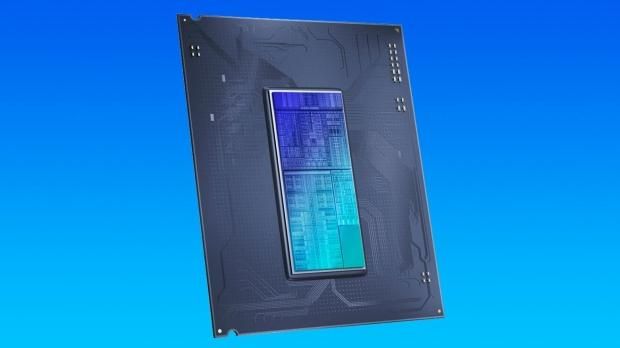

Intel’s reported Nova Lake-S desktop priority gives PC gamers a clearer high-end upgrade target, but DDR5 pricing may keep older Raptor Lake systems relevant for years.
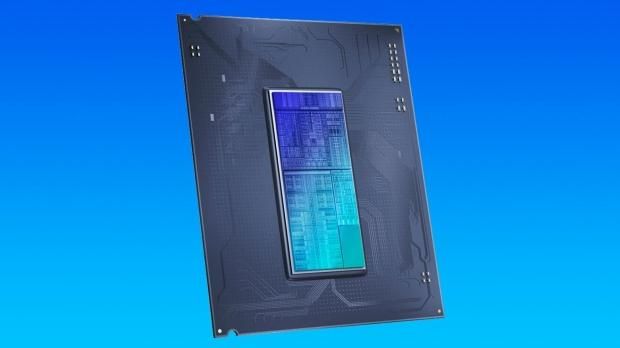
Image: tweaktown.com
Intel’s next core is being aimed at desktops before servers
The clearest development in Intel’s CPU roadmap is that the company is publicly pointing its next major core toward desktop PCs first. In an interview with Tom’s Hardware, Intel VP and General Manager of Enthusiast Channel Business Robert Hallock said Intel has “a new core” coming to desktop first, and added that he hoped enthusiasts would “do the math” when comparing that approach with AMD’s current server-first Zen 6 direction.
Tom’s Hardware framed the comment as Intel launching its new core with Nova Lake on desktop before the data center. PCGamesN likewise reported that Intel’s upcoming Nova Lake generation will debut on consumer desktop chips first rather than server processors. Wccftech noted a useful caveat: Hallock’s quoted line did not explicitly name Nova Lake, though the outlet said the new core is understood to be tied to Nova Lake.
That distinction matters for PC builders trying to plan a gaming CPU upgrade. The confirmed part is Intel’s desktop-first statement from Hallock. The reported and interpreted part is that this specifically maps to Nova Lake-S gaming and enthusiast desktop CPUs. Either way, Intel is signaling that its enthusiast audience has not been pushed behind the data center queue, even as server demand is shaping memory prices and CPU roadmaps across the industry.
Nova Lake-S looks like Intel’s next gaming reset, but the launch window is still unsettled
PCGamesN reports that Intel previously said Nova Lake would arrive in 2026, with consumer chips expected to be branded as the Intel Core Ultra 400 series, replacing the current Core Ultra 200 series as Intel’s latest desktop models. The same report says Intel has not yet provided a confirmed launch window, which leaves a real timing gap for anyone waiting to build.
That gap is where the reporting becomes less tidy. Wccftech says Nova Lake desktop CPUs are expected in the early part of 2027, while PCGamesN’s source text points back to Intel’s previous 2026 statement and emphasizes that no firm launch window has been announced. Those are not identical claims. The safest read is that Intel has confirmed the direction of travel, desktop first, but not the calendar date buyers can budget around.
For a strategy-minded builder, this creates a familiar late-cycle dilemma. If Nova Lake-S gaming parts arrive close to the end of 2026 or slip into early 2027, a new system bought today may sit in the shadow of a platform reset. If the window stretches, waiting could mean months of missed performance while current CPUs and GPUs keep moving in price. The useful answer is not simply “wait” or “buy,” but to separate urgent upgrades from speculative ones. A failing or heavily bottlenecked machine is a different case from a healthy LGA 1700 or AM5 rig looking for a prestige upgrade.
The upgrade path likely includes a new socket, not a drop-in swap
One of the most practical details in PCGamesN’s report is platform compatibility. The outlet says Nova Lake-S CPUs will use a new LGA-1954 socket, meaning upgraders should expect to source a new motherboard. That makes Intel Nova Lake gaming CPUs a platform decision rather than a simple processor purchase.
If that reporting holds, the cost stack becomes CPU, motherboard, and likely DDR5 memory depending on board support and final platform requirements. That is the first major fork between Nova Lake-S gaming and older Intel Raptor Lake CPUs. Raptor Lake’s LGA 1700 ecosystem is already mature, widely stocked, and associated with DDR4-compatible boards as well as DDR5 options. Nova Lake’s appeal will have to overcome the total platform price, not only the benchmark lead of the processor itself.
PCGamesN also cites leaked information suggesting high-end Nova Lake-S models could offer significantly boosted core counts and cache levels compared with Core Ultra 200. Because that detail comes from leaks rather than Intel’s public specifications, it should be treated as a performance signal, not a buying guarantee. Bigger core counts do not automatically translate into better gaming value, especially when the motherboard and memory bill rises with the CPU tier. Cache, latency, scheduling, power behavior, and game engine scaling all decide whether a new architecture changes the real frame-rate meta.
Intel is also keeping Raptor Lake in the match because DDR5 has changed the economy
The counterweight to Nova Lake is Raptor Lake’s staying power. Tom’s Hardware reports that Intel described older Raptor Lake CPUs as a “core part of the portfolio” for years to come, citing a “sudden inrush of demand” for LGA 1700 chips due to DDR5 prices. PC Gamer summarized the same direction as Intel keeping Raptor Lake around for “years to come” as a cheaper alternative to DDR5-compatible chips.
That gives Intel a two-lane strategy. At the top, Nova Lake-S gaming can chase the enthusiast and performance narrative. Below it, Intel Raptor Lake CPUs can serve builders who are more sensitive to total platform cost, especially those with DDR4 memory already in hand or access to inexpensive LGA 1700 boards.
The DDR5 angle is crucial because a gaming PC budget is a resource map, not a CPU-only contest. If memory prices are rising because server farms are absorbing supply, as PCGamesN reports, then the relative value of a DDR4-capable platform improves. A slightly older processor paired with a stronger GPU can be the better gaming build than a newer CPU that forces compromises elsewhere. Intel’s continued Raptor Lake support also protects system integrators and budget buyers from being dragged into a full next-generation platform before prices make sense.
AMD’s server-first Zen 6 move gives Intel a rare desktop messaging advantage
The competitive backdrop is AMD. PCGamesN reports that AMD’s upcoming Zen 6 architecture is destined for server variants first, a shift from AMD’s typical pattern of debuting new architectures on consumer Ryzen chips. Wccftech similarly frames AMD’s Zen 6 push around EPYC Venice for data center first, with consumer products expected later.
Intel appears to be using that contrast deliberately. Hallock’s “do the math” comment to Tom’s Hardware is not a benchmark claim, and it should not be read as proof that Nova Lake will beat future Ryzen gaming CPUs. It is a positioning claim. Intel wants enthusiasts to notice that its next core is being placed in desktop hands before servers, while AMD’s next architecture is being routed through the data center first.
From a gaming strategy perspective, that is a meaningful tempo play. Desktop-first does not guarantee leadership, but it can affect mindshare, review timing, motherboard launches, BIOS maturity, and retailer attention. If Intel lands Nova Lake-S gaming CPUs before AMD’s next consumer Zen 6 wave, it gets a window to define the high-end conversation. If AMD’s current or future X3D chips remain dominant in gaming charts, Intel still has to win the frame-rate and value fight in public testing. The roadmap alone does not settle that matchup.
How PC builders should read the Intel CPU roadmap right now
The practical guidance is to treat Nova Lake as a promising but unpriced and unbenchmarked platform, while treating Raptor Lake as a known-value fallback that may remain unusually relevant because of memory economics. The Intel CPU roadmap now appears to have a performance lane and a budget lane running at the same time.
If you are building a premium gaming PC and can wait, Nova Lake deserves attention because the desktop-first commitment suggests Intel wants enthusiasts in the first wave. Waiting makes the most sense if your current system is still delivering acceptable performance and you are willing to replace the motherboard. It also makes sense if you want to see whether the reported core and cache increases translate into stronger gaming results against AMD’s best gaming CPUs.
If you are building on a strict budget, already own DDR4, or need a machine soon, the Raptor Lake story is stronger than it looked a year ago. Intel’s reported plan to keep Raptor Lake in the portfolio for years gives LGA 1700 buyers a longer runway than a dead-end platform normally receives. That does not turn older chips into future-proof miracles, but it does make them rational purchases when the savings can move money into a better graphics card, SSD, monitor, or cooling.
The unanswered questions are still the decisive ones. Intel has not provided final Nova Lake-S pricing, launch date, retail lineup, motherboard pricing, independent performance data, or confirmed gaming benchmarks in the supplied source material. Until those arrive, the cleanest read is that Intel is trying to win the next enthusiast cycle with Intel Nova Lake gaming CPUs while refusing to abandon the cheaper Raptor Lake layer that many builders may actually buy.