
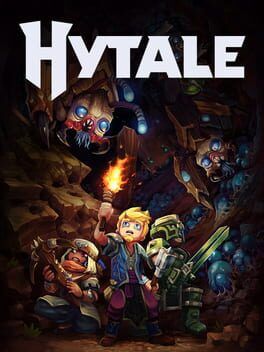
A deep explainer on how Hytale’s memory system and rare ores like gold and adamantite reshape mid‑game builds, world progression, and player‑run economies compared with Minecraft’s classic tech ladder.
Hytale’s Early Access launch finally lets players push past the cozy wooden hut phase and into a mid‑game built around two pillars: the Memories system and a rare‑ore economy that stretches from desert cliffs to volcanic islands.
On the surface it looks familiar if you come from Minecraft. You punch trees, dig stone, graduate through metal tiers and convert that into stronger gear. The difference is that Hytale ties those resources into explicit world upgrades and biome‑locked endgame metals that rewire how you build characters, towns and servers.
This piece digs into how Memories, gold and adamantite actually work once you are out of the tutorial trench, how they start to drive server‑level economies, and why Hytale’s progression curve quietly pushes you in very different directions from Mojang’s sandbox.
Memories: The Accountant Behind Your Power Curve
Memories sit at the center of Hytale’s mid‑game progression. They are not a simple experience bar. They are a shared currency of exploration that you earn by doing things in the world and then cash in for permanent upgrades at the Heart of Orbis.
In practice, this means your mid‑game loop stops being “mine ore until you can afford the next pickaxe” and becomes “unlock the right upgrades so everyone mines, fights and travels faster.”
You start this process when you follow the early hint in your inventory to seek out the Forgotten Temple. Completing that initial objective teaches you how Memories work, then pushes you to:
• Explore new biomes, structures and Fragments of Orbis.
• Engage with factions and creatures instead of ignoring them.
• Periodically return to the Heart of Orbis to spend Memories on world perks.
The critical distinction is that these upgrades are world‑wide. On a multiplayer server, one group’s grind benefits everyone. That has two big knock‑on effects for mid‑game:
First, there is real incentive to specialize. One player can focus on risky exploration and memory gathering while others double down on mining or building. Second, the order you unlock memories directly affects how quickly you chew through ore tiers.
Upgrades that improve movement, survivability or resource yields make later gathering routes more efficient, especially when you push into hostile biomes like snow regions, tundra and volcanic islands. On a fresh world, a server that prioritizes travel and combat Memories will hit high‑tier ores much earlier than one that sinks everything into comfort perks.
This turns Memories into a kind of macro tech tree that sits above your personal gear. Even if two players own the same adamantite sword, the one playing on a world with better memory upgrades will feel like they are in a later “era” of progression.
From Iron To Islands: How Rare Ores Gate The Mid‑Game
If Memories are the macro lever, metals are the micro teeth on Hytale’s progression gear. Early on you chase copper and iron, often in the forest and nearby desert. Once you have a stable base and an iron pickaxe, the resource game widens dramatically.
An important structural choice is that an iron pickaxe can mine every ore tier currently in the game, including adamantite. That may sound like it trivializes progression, but the real gate is not tool level, it is where those ores spawn.
Gold and silver live on the outer edges of your starting comfort zone, threading through desert cliffs and snow caves. Thorium and cobalt push you into more extreme desert and snowy ridges. Adamantite rips you off the mainland entirely and forces you out to volcanic islands floating in open water.
This geography matters more than any pickaxe requirement. It means your mid‑game is defined by your risk tolerance and navigation skill rather than simply how long you have been smelting.
It also lets Hypixel tune the economy around travel friction instead of durability breakpoints. Gold is not rare because you need a diamond‑equivalent tool, it is rare because the biomes that house it are crowded with hazards and far from home.
Gold: The First Luxury Metal
Gold in Hytale marks a psychological switch from “survival metal” to “utility metal.” You will find it primarily on sandstone cliffs and hills in the desert, usually south of spawn in most seeds, with additional veins buried in snow and other cold‑biome caves.
By the time you are seriously farming gold, you already have solid iron gear and some cross‑biome travel sorted out. You are no longer asking “can I survive this cave” and instead thinking “how do I optimize this run.” Guides already assume you are riding a horse, carrying stacks of cooked food and treating cliff faces like grocery aisles.
The main role of gold is in crafting more specialized workstations and recipes, like alchemy setups that kick off serious potion play. That is a subtle but important difference from Minecraft, where gold has a spread of niche uses but is not a cornerstone of your base infrastructure.
In Hytale, gold is effectively your first mid‑game currency. It is the metal people in a server hub want for shared benches, bulk potion production and higher tier tools. Because it is tied to a dangerous but not endgame biome, it becomes the perfect trading material for players who are not ready for volcanic expeditions but still want leverage in the server economy.
On a busy world, it is easy to imagine a pattern forming: one player or guild specializing in desert runs, exporting bulk gold and thorium to builders and alchemists in exchange for combat gear they could not craft themselves yet.
Adamantite: Vertical Progression At The Edge Of The Map
Adamantite is the metal that truly shifts Hytale from “slightly more structured Minecraft” into something closer to an MMO‑style late game. You do not accidentally stumble into it while widening a cave. You board up your base, plan a voyage and go hunting for volcanic islands.
These islands rise from open water and are wrapped in Cinder Waste, a harsh red‑purple zone choked with lava pockets. Adamantite nodes cluster around that lava and in the cave systems underneath the islands. The ore is rare enough that most guides treat the entire biome as a dungeon rather than just another mining spot.
Mechanically, adamantite is strong enough to define the true mid‑to‑late gear tier. Weapons hit considerably harder, tools chew through stone faster and armor spikes survivability for exploration of the nastiest Fragments of Orbis and high‑threat overworld encounters.
But just as important is what it does to server logistics. Traveling to volcanic islands is inherently high‑risk. Mobs are tougher, terrain punishes falls and lava mistakes are brutally expensive. That creates a serious skill and coordination requirement for reliable farming.
As a result, adamantite tends to concentrate in the hands of a subset of players who can consistently survive the islands. When they come back, they are not just stronger. They also hold the materials everyone else wants for top tier weapons and prestige builds.
That scarcity plus desirability makes adamantite the de facto hard currency of many servers. Gold is useful and flowing. Adamantite is spectacular and hoarded.
How Memories And Ores Interlock
The interesting part is how these two systems intersect. Memories push you to explore, fight and engage broadly. Ores reward you for going to specific hostile spaces repeatedly. Together they create a layered progression curve where world upgrades and personal gear bounce off each other.
Imagine a server that has unlocked better movement, mount handling and combat stamina through Memories. That world is now materially better at adamantite runs. Travel to volcanic islands is faster, fights in Cinder Waste are safer and the time between trips shrinks.
In turn, that influx of adamantite lets players craft more powerful gear, tackle harder Fragments of Orbis and survive deeper in rare‑ore biomes like tundra caves where Mithril has been spotted. Those deeper adventures earn more valuable Memories from tougher factions and rarer structures, which feed back into the upgrade loop.
There is a similar dynamic at the gold tier. A server that invests in farming and base‑infrastructure Memories can build large, efficient agricultural and crafting hubs faster, which increases the value of gold runs because you can convert that ore into potions and advanced consumables at scale.
This kind of positive feedback loop is usually seen in MMOs or survival games with global tech trees. Seeing it appear in a blocky sandbox highlights how far Hytale is pushing away from classic Minecraft’s very personal, largely isolated tech ladder.
Shaping Mid‑Game Builds
On an individual level, this system combination reshapes what “mid‑game build” means.
In Minecraft, mid‑game is functionally “has iron gear and maybe some early enchantments.” The stat differences between two survival characters with decent gear are fairly small, and most of your power is in knowledge and infrastructure rather than in explicit character progression.
Hytale reframes that. Mid‑game builds are about:
• Which metals you have mastered. Iron plus gold access is a different reality than full adamantite.
• Which memories your world has unlocked. Movement, gathering or combat perks tilt your playstyle in different directions.
• What your server’s economy values. If your group treats volcanic exports as the ultimate prestige, builds will lean toward combat and mobility. If your crowd obsesses over massive communal bases, gold and silver may matter more.
A typical mid‑game progression arc might look like this. You and your friends stabilize around a forest base with iron gear. You then pivot south into the desert, routing around sandstone cliffs to farm iron, gold and thorium. Some of that gold funds an alchemy hub back home, unlocking potions that widen your combat options.
As Memories accumulate, you selectively buy upgrades that make travel and mining more efficient. Eventually someone volunteers for the dangerous job of scouting volcanic islands. That player leans into mobility and survivability perks, plus potions funded by the desert economy. When they finally bring back adamantite, craft their first weapon and armor set, the entire server feels a notch stronger and new content tiers open.
Mid‑game builds therefore end up less about static checklists and more about roles. There are miners with optimized cliff routes, explorers specced into movement, combat specialists tuned for island raids and crafters who live at the workbench chain turning metal into value.
Server Economies: From Communal Memories To Metal Markets
Because Memories are world‑wide, they are the closest thing Hytale has to server infrastructure. You can think of them as a shared tech tree that everyone slowly climbs.
That communal nature encourages cooperative planning. Groups will debate whether to unlock a travel perk that helps everyone reach new ore biomes or a comfort upgrade that makes home bases nicer. Those choices indirectly steer the economy.
Unlock travel perks early and you accelerate rare‑ore runs, flooding the market with high tier metals but leaving basic comfort amenities underdeveloped. Focus on base and farming upgrades first and you may have lush, self‑sufficient towns swimming in food and common metal while adamantite remains a near‑mythical import.
Meanwhile, ore distribution across biomes encourages regional economies:
• Desert towns leaning on gold, iron and thorium, trading with colder settlements for cobalt and silver.
• Snow and tundra outposts specializing in cobalt and deep‑cave resources.
• Island fortresses built by adamantite raiders who sell or loan out their gear to the rest of the world.
Because rare‑ore runs are risky and time‑intensive, they are natural candidates for organized groups to monopolize. Even in casual servers you will see informal monopolies emerge. “The person who knows the good adamantite route” can command better trade terms or social clout.
This all goes beyond what Minecraft’s resource model usually supports. While some servers emerge with player‑run shops and currency, Minecraft’s linear ore ladder and enchanting table meta do not strongly encourage regional specialization. You can set up a full tech stack almost anywhere with enough time.
Hytale, by contrast, bakes specialization into its geography and shared upgrades. The game makes it easier for players to build economies because the rules quietly push them toward interdependence.
Where Hytale Diverges From Minecraft’s Progression
Put side by side, the differences between Hytale’s mid‑game systems and Minecraft’s start to look stark.
Minecraft progression is largely flat and personal. You advance by upgrading your own tools and armor, maybe enchanting them, and once you hit diamond or netherite, the power curve tapers off. World upgrades exist, but they are incidental. Beacon buffs and villager infrastructure are powerful, yet nothing in the rules forces you to share them or specialize.
Hytale in Early Access is already leaning in another direction:
• Shared progression: Memories lock core upgrades to the world, not the player, encouraging cooperation and long‑term server identities.
• Biome‑gated tiers: Rare ores like gold, cobalt and adamantite live in specific, often hostile biomes, so progression is about mastering new environments, not just getting a better pickaxe.
• Role‑driven builds: Because travel and risk are the real bottlenecks, players who excel at exploration or combat create value for the whole group, and mid‑game builds naturally differentiate.
• Structured economies: The friction of reaching, mining and returning with rare ores is high enough that trade, regional specialization and monopolies make sense even without modded currencies.
The end result is that Hytale feels less like a personal survival diary and more like a shared sandbox RPG. Your mid‑game story is not just “I got full adamantite.” It is “our server unlocked the right memories, our miners cracked the desert and snow routes, our raiders mastered the volcanic islands and now the whole world is running on the metals and memories they dragged back.”
That shift in emphasis from items to systems is where Hytale most clearly stakes out its identity. It borrows the surface language of Minecraft blocks and tools, then uses Memories and rare ores to tell a different kind of progression story.