
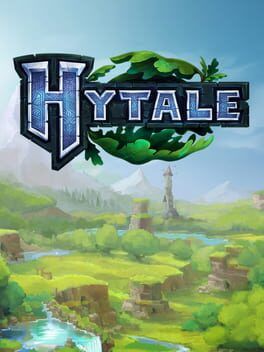

Hytale is returning as a true indie with a surprisingly low $20 Early Access price. Here is why the team is undervaluing it on purpose, how that stacks up against Minecraft, Core Keeper, and Dwarf Fortress, and what it signals about expectations for December’s launch.
Hytale has spent the last decade on a rollercoaster. It went from viral Minecraft-like phenomenon to Riot-backed mega-project, then to near-cancellation, and now it is coming back as a self-funded indie game with Early Access planned for December. The clearest statement of that new reality is its price: 20 dollars for the base game.
That number is not an accident. Hypixel co-founder and Hytale director Simon Collins-Laflamme has been blunt about why the price is so low. He says, flat out, that he does not think Hytale is good yet.
An early access price that admits the game is unfinished
In a refreshingly candid move, Collins-Laflamme has framed 20 dollars as “aggressively low” on purpose. The Early Access version is built on a four year old branch of the codebase. It is missing systems, packed with bugs, and has progression that is not fully wired together. There are gaps everywhere that you would expect in a project which spent years in limbo and has only recently spun back up under new leadership.
Instead of trying to disguise that, the team is treating the price as an apology and a promise. The apology is for the state of the build and for the years of radio silence. The promise is that buying in now is not a full price purchase, but a buy-in for a long tail of development.
There are higher priced tiers, but they are deliberately framed as optional. A 35 dollar Supporter Pack and a 70 dollar Cursebreaker Founders Pack add cosmetics such as capes and hats, plus additional support for the team. The gameplay is the same across all tiers. That detail matters because it underlines the message: you are paying 20 dollars for what the game is today, and anything more is a tip jar.
Why 20 dollars, when survival sandboxes trend higher?
On paper Hytale is trying to sit in the same broad space as Minecraft, Core Keeper, and even Dwarf Fortress. All three are deep, endlessly replayable sandboxes with long shelf lives, heavy mod scenes, and huge expectations from their communities. None of them launched, or currently sell, at a throwaway price.
Minecraft today is a 30 dollar product on PC, and that price reflects a decade of updates, marketplace content, and brand gravity. Even in its earliest sellable form, it did not pitch itself as a 20 dollar “we are not good yet” experience. Players were buying into a phenomenon that knew exactly what it wanted to be, even if the edges were rough.
Core Keeper entered Early Access at a price point that sat closer to the mid-tier of indie survival games. It was unfinished, but also coherent. Its progression, mining, and boss structure were in place on day one. The value pitch was clear: lower than a triple-A game, higher than a speculative prototype.
Dwarf Fortress is the odd case. For years the classic ASCII release was effectively free, funded by donations. When the Steam and Itch versions arrived with tilesets and UI overhauls, it landed at a premium indie price. Players were not just buying into an early build. They were supporting an already legendary simulation with almost absurd depth.
Seen against that backdrop, Hytale’s 20 dollar price is a deliberate undercut. It says that the team does not feel comfortable sitting alongside those games yet. Functionally, the developers are refusing to charge a full survival sandbox price until the game earns it in public.
Returning to indie reality after Riot
Price is also a message about the studio’s new situation. Hytale is no longer a Riot-backed prestige project. Collins-Laflamme and co have bought the game back, are personally absorbing financial risk, and are rebuilding with a team of around 50 people.
That context helps explain the humility around pricing. The developers are trying to reset expectations from “next big live service platform” to “large, ambitious indie sandbox that still needs a lot of work.” For players who remember the breathless hype of the trailer that smashed YouTube views back in 2018, this is a sharp turn.
The team is signaling that this Early Access run is not a re-debut of a finished product with publisher muscle behind it. It is the public phase of a restart. 20 dollars is the ticket price to watch the recovery from the front row.
What the price says about the December Early Access build
Tying that price to a December Early Access target tells us a lot about what to expect from the launch build.
One, the foundation will likely feel old in places. The team has been open about running on a four year old build, which means certain systems, interfaces, or performance quirks might feel behind other modern survival games.
Two, progression and higher level structure will probably be patchwork. The world generation, exploration, and building tools are there, but long term goals, late-game loops, and systemic depth might not match the promise of earlier trailers. This is consistent with the studio’s own warnings about incomplete progression.
Three, players should treat December like a test drive instead of a long term server move. Content creators, modders, and community organizers will absolutely jump in, but expectations are being managed so that major balance passes, system overhauls, and new biomes or activities will arrive over the course of 2025 rather than at day one.
By being so frank, the team buys itself permission to iterate. If you charge 40 dollars for an Early Access survival game, you invite comparisons at the high end of the genre and frustration when things break. At 20 dollars, those issues are still problems, but they match the price tag. Bugs are still annoying, but they sting less when the entry fee is clearly marked as a work in progress surcharge.
Learning from peers instead of trying to match them
The pricing also hints at how Hytale’s creators view their peers. Minecraft is less a game than an ecosystem at this point, propped up by education editions, spin offs, and marketplace economies. Dwarf Fortress is a cult institution whose depth is unrivaled. Core Keeper is a nimble Early Access success story, but even it has taken its time moving toward 1.0.
Hytale’s 20 dollar tag feels like a statement that it is not competing with any of them yet. Instead it is learning from how those games built trust. Dwarf Fortress spent years giving away a rough but profound experience, then charged once it layered usability on top. Core Keeper sold itself as a modestly priced experiment that grew with community feedback. Minecraft asked players to buy into a vision that was already fun in prototype form.
Hytale is in a more fragile position. It has the shadow of a huge marketing moment behind it, followed by silence and cancellation scares. That history makes a humble price important. It is harder to stay angry at a 20 dollar work in progress that is honest about its flaws than at a 40 dollar game that pretends it is finished.
What this signals for the long term
The big open question is whether Hytale can climb from “not good yet” to something worth a premium tag. The team’s messaging suggests they expect a long haul, not a quick flip. Calling out the economic climate and players’ budgets, on top of the game’s state, hints at a studio trying to build goodwill for a multi year roadmap.
Future price rises are almost guaranteed if development goes well. The most likely path is that 20 dollars serves as an Early Access discount. As key features arrive, as progression solidifies, and as content fills in, the base price can ratchet upward toward Minecraft and other genre leaders. In that sense, December’s launch looks less like a commercial landgrab and more like a paid beta window.
For now, Hytale’s team seems content to trade short term revenue per player for volume, feedback, and goodwill. Every early adopter is both a tester and a soft investor in the new indie era of the project.
If you are eyeing the December build, the price tells you exactly how to think about it. You are not buying the next Minecraft. You are paying for front row access to a second chance. The question the next few years will answer is whether that humble 20 dollar ticket eventually turns into something that can stand proudly alongside the giants it once sought to overtake.