
How Guerrilla is turning Horizon into a three‑player roguelite live‑service hunt, what sets it apart from Monster Hunter, and what it means for single‑player Horizon fans.
A New Kind Of Horizon
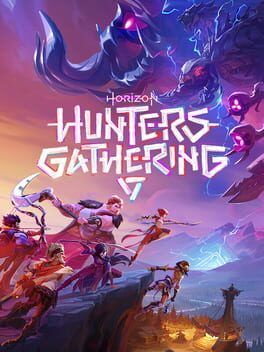
Horizon Hunters Gathering is Guerrilla’s long‑rumoured multiplayer spin on the Horizon universe, a three‑player co-op action game for PS5 and PC that leans into tactical hunts, roguelite builds and live-service progression.
It is not a traditional Horizon sequel and it is not simply “Horizon but Monster Hunter.” Instead, Guerrilla is using the familiar world of robo‑dinosaurs to build a focused hunt‑and‑repeat loop that borrows as much from Hades and Fortnite as it does from Capcom’s flagship hunting series.
At the same time, the studio is keen to stress that single‑player Horizon adventures are not going away. Hunters Gathering is a branching path for the IP, not a replacement.
How The Core Hunt Loop Works
Every session in Horizon Hunters Gathering revolves around a single objective: drop in with up to two other players, tackle a chain of escalating machine encounters, grab what loot and temporary power you can, then extract and reinvest your gains into long‑term upgrades.
Hunts are instanced missions rather than sprawling open‑world expeditions. You select a mode from a shared hub, queue up as a trio and are dropped into a compact arena or dungeon‑like layout. From there, your team pushes through waves of machines, environmental hazards and occasional optional objectives on the way to a climactic boss fight.
Between encounters, you are offered perk choices that tweak your build for that specific run. You might double down on precision bow damage, lean into elemental status effects, or lean into support abilities that keep your squad alive through tougher phases. Making the right choices for your team composition is as important as landing perfect shots on a Thunderjaw.
Clear the run and you bank both permanent progression currencies and any gear you managed to secure. Fail and you lose the run but keep some level of meta‑progression that nudges your account and Hunter forward, encouraging another go with a slightly stronger and smarter build.
Roguelite Structure And Live‑Service Spine
Guerrilla is framing Hunters Gathering as a roguelite‑inflected co‑op game rather than a pure loot grinder. Each hunt is meant to feel self‑contained, with randomized elements, escalating difficulty and a build that grows only for the duration of that mission.
During a run, you earn and spend temporary resources on perks and modifiers that can drastically alter how your toolkit behaves. These might turn a basic tripcaster into a crowd‑control powerhouse, or convert a defensive shield into an aggressive area‑denial field. The idea is to push you into different playstyles from hunt to hunt, even if you are attached to a particular class archetype.
Wrapped around this is a live‑service layer that looks closer to Fortnite or other modern service shooters. Expect a rolling cadence of new machines to hunt, modes like Machine Incursion and Cauldron Descent rotating through the spotlight, and cosmetics and account‑level progression tracks to chase over weeks and months rather than within a single night.
Guerrilla and Sony are positioning the game as a long‑term platform. Closed playtests, cross‑play and cross‑progression between PS5 and PC, and hints of seasonal updates all point to a Horizon project that is designed to live alongside the mainline games for years.
Class‑Style Hunters And Team Roles
Instead of everyone essentially being Aloy with minor loadout differences, Hunters Gathering leans into clearer team roles. You create and customize a Hunter that falls into class‑like archetypes, each with its own strengths, cooldown abilities and ideal weapon pairings.
There are damage‑focused builds that prioritize precision hits and weak‑spot bursting. There are tankier setups designed to draw aggro, plant gadgets and hold the line when a Stormbird dives the group. Then there are support‑leaning Hunters that bring healing bursts, buffs and debuffs that keep the squad standing and amplify damage during key windows.
The game encourages deliberate composition. Going in as three glass‑cannon archers can work if your positioning and crowd control are perfect, but one mistake can wipe the group. Mixing a healer‑style Hunter with a tactician and a front‑liner gives you more room to adapt when a hunt throws an unexpected machine variant or environmental twist into the arena.
Because of the roguelite perk system, those roles are not completely rigid. Over the course of a run, a support Hunter can morph into a debuff‑heavy hybrid damage dealer, or a tank can pick perks that tilt them toward area damage. The baseline class silhouette stays recognizable, but the details of what you can do in a given mission remain flexible.
Machine Incursion And Cauldron Descent
Two hunt types are defining the early picture of Hunters Gathering.
Machine Incursion is the shorter, punchier mode. These missions drop your trio into areas where machines are pushing through underground gateways in waves. You clear successive encounters that ramp in intensity and complexity before a final boss‑style showdown. These are the runs you jump into when you want a quick hit of combat, a testbed for new builds, or a focused way to farm certain rewards.
Cauldron Descent is closer to a roguelite dungeon. These multi‑stage expeditions send your team down through dynamically changing rooms stuffed with elite machines, traps and environmental puzzles. Hidden doors and side paths hide optional challenges and power spikes, rewarding squads that prepare properly and communicate. Surviving a full Cauldron run is meant to feel closer to completing a full roguelite “floor” than clearing a single Monster Hunter arena.
Together, the two modes sketch a loop of short, repeatable runs for quick progress and longer, more demanding dives where coordination and smart perk choices really matter.
How It Differs From Monster Hunter‑Style Games
On the surface, Horizon Hunters Gathering sounds compatible with the Monster Hunter template: small teams of players, big creatures to dismantle and repeatable missions that feed a gear treadmill. Underneath, Guerrilla is clearly pushing in a different direction.
Monster Hunter’s hunts are long, methodical battles in large arenas that emphasize animation commitment, resource gathering and intricate weapon mastery. Hunters Gathering keeps the idea of targeting weak points and stripping parts from machines, but it wraps that in faster, more reactive third‑person combat that builds directly on the feel of Horizon Zero Dawn and Forbidden West.
Runs are also framed more like roguelite expeditions than static boss quests. Instead of building a character almost entirely through crafted gear and hunting the same monster dozens of times, you are making on‑the‑fly build decisions every run via perk selections and temporary power‑ups. Learning the machines still matters, but so does reading your perk offerings and your team’s needs.
Structurally, it slots closer to something like Hades or a modern hero shooter’s PvE mode than a pure Monster Hunter analogue. Missions are shorter and more modular, with randomized elements and a stronger emphasis on account‑wide progression and cosmetic rewards in line with live‑service games.
How It Differs From Mainline Horizon Games
If Monster Hunter is the obvious external comparison, the more important one might be Guerrilla’s own open‑world epics.
The mainline Horizon titles are sprawling solo adventures centered on Aloy’s journey, narrative choices and open‑world exploration. You roam a huge map, follow storylines and side quests, and tackle machines as one highly specialized hunter with a deep personal arsenal.
Hunters Gathering strips most of that away in favor of focus. There is no massive open world to systematically clear, and you are not telling a single protagonist’s story. Instead, you are one Hunter among many in a shared hub, dropping into discrete missions that care less about narrative choices and more about tactical execution.
Combat builds on the same mechanical foundation as the single‑player games, with precision shots, elemental status management and trap placement still core to the experience. The difference is that every ability and encounter is tuned for three players at once. Machines are designed to split aggro, punish clumped teams and force you into roles the main games only hinted at.
The art direction also diverges. Hunters Gathering leans into a more stylized, cartoony look compared to Forbidden West’s lush realism, making it easier to read silhouettes, attacks and effects in the chaos of three‑player fights and aligning it visually with other service‑oriented co‑op games.
Guerrilla’s Comments On Single‑Player Horizon
With Sony continuing to push live‑service projects, many fans reacted to the announcement with a familiar worry: is this the future of Horizon, at the expense of big single‑player sequels?
Guerrilla’s leadership has been explicit that this is not the case. In interviews around the reveal, studio heads and the game’s director have described single‑player Horizon games as a huge part of the studio’s identity and future plans. Hunters Gathering is framed as a way to explore multiplayer ideas Guerrilla has been toying with for years, not a pivot away from story‑driven adventures.
The co‑op project is being built by a dedicated team, while another group within the studio continues to work on more traditional single‑player entries in the franchise. The message is clear: Aloy’s saga, or at least large‑scale story‑driven Horizon campaigns, will continue alongside this experiment in multiplayer hunting.
Early Community Sentiment
The reaction so far has been mixed but engaged. A vocal slice of the Horizon community is skeptical of any live‑service project, especially from a publisher that has publicly committed to a suite of ongoing multiplayer titles. Concerns about monetization, content cadence and the risk of spreading the IP too thin are all common talking points.
At the same time, plenty of players are intrigued by the idea of finally hunting machines with friends using a combat system they already love. The more optimistic voices see it as a natural fit for the Horizon setting, provided Guerrilla delivers tight encounters, meaningful build variety and a respectful approach to progression and cosmetics.
Early previews and the first trailer have reassured some fans that combat still looks distinctly Horizon, with familiar machines, gadgetry and weapon types showing up in the new, stylized art style. Closed playtests scheduled for the near future should be the first real test of whether the roguelite structure and team‑based roles can sustain the kind of long‑term engagement a live‑service title needs.
Where Horizon Goes From Here
Horizon Hunters Gathering marks a significant evolution for Guerrilla’s flagship series. It takes the mechanical heart of Horizon’s combat, shifts the camera from one red‑haired hero to a squad of customizable Hunters and builds an experience around short, repeatable hunts instead of a sprawling open world.
By embracing roguelite ideas and a live‑service backbone, Guerrilla is betting that Horizon can support both prestige single‑player adventures and a cooperative action game that lives and breathes for years. Whether the community ultimately embraces that bet will depend on how satisfying those hunts feel after the tenth, twentieth and hundredth run, and on how well the studio manages to balance service‑game demands with the storytelling that made Horizon matter in the first place.