
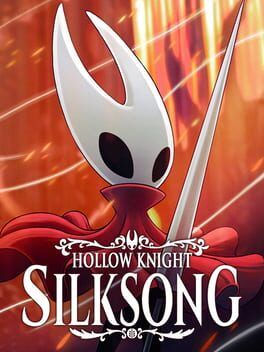
Team Cherry calls Silksong’s $20 price “simply reasonable.” In 2025’s era of $60–$70 releases and creeping indie prices, here is why that number matters, how it fits modern Metroidvania economics, and what it says about the scope and value of the sequel.
In an era where $60 and $70 price tags are the norm and even indies creep toward $30 and beyond, Hollow Knight: Silksong quietly landing at $20 almost looks like a typo. Team Cherry does not see it as a discount or marketing stunt, though. Co‑lead Ari Gibson has framed the price in interviews as something much simpler: it is just “reasonable” for the game they have made.
That word ends up carrying a lot of weight once you look at how Silksong was scoped, how its value stacks up against other Metroidvanias, and how it pushes against 2025’s wider pricing trends.
From DLC to full sequel, without a full‑price jump
Silksong began life as an expansion to the original Hollow Knight. Over time, Team Cherry kept adding new regions, systems and bosses until the project no longer made sense as a slice of DLC. According to Gibson, the content had grown to a point where it “warranted being recognized as a single title.” In other words, the scope pushed it into full‑sequel territory, but the studio never tried to chase a full‑price tag to match.
That is unusual in 2025. Many expansions that balloon in scope either get chopped into multiple paid releases or are rebranded and repriced around $40 or higher. Silksong instead sits at the exact same $20 price the original Hollow Knight launched at, despite a larger production ramp, more platforms including Switch 2 and modern consoles, and expectations set by years of anticipation.
Team Cherry’s own history suggests this is not an accident. The first Hollow Knight built its reputation on value: a lengthy campaign, dense optional content and multiple free updates that substantially expanded the game, all while staying at $15–$20 on most storefronts. Silksong follows that same blueprint, but in a market that has shifted around it.
2025’s rising prices make $20 stand out
Across 2024 and 2025, the industry-wide move toward $70 has settled in. Big publishers now price almost every flagship release at that tier. At the same time, mid‑sized and indie games have crept upward. Where $14.99 or $19.99 once defined the standard download price, many high‑visibility indies now launch between $24.99 and $39.99, especially if they promise long runtimes or high production values.
Metroidvanias in particular have pushed beyond the $20 line as their ambitions grow. A new release with hand‑drawn art, dense exploration, and 20‑plus hours of content is often positioned near $30 by default, with physical editions coming in higher. The genre’s fans are willing to pay for sprawling maps and deep combat systems, and publishers know it.
Against that backdrop, Silksong’s $20 sticker feels almost retro. It looks more like a 2017 Steam hit than a 2025 tentpole indie, and that contrast is exactly why players immediately noticed it. Comment threads around the announcement did not argue about whether $20 was too high. Instead, the surprise came from how low it was, given years of hype and the sequel’s clear scale.
Team Cherry’s public stance on the matter does not lean on undercutting competitors. Gibson’s language around a “reasonable” price is grounded in the team’s own sense of fair value, not in chasing a budget label. It suggests a studio that decides price from the inside out: build the game they want, then pick a number that matches what they, as players, would feel comfortable paying.
Value as a design pillar, not just a price tag
The key to understanding Silksong’s price is that Team Cherry builds value primarily into the game itself rather than into a discount comparison. Hollow Knight earned its word‑of‑mouth by being dense, replayable and surprisingly generous with free updates. That reputation for value is part of why Silksong carries so much expectation.
Silksong doubles down rather than pivots away. Hornet’s arsenal, movement tech and quest frameworks point to a game tuned for multiple playthroughs and self‑imposed challenges. The structure leans into layered goals instead of a straight sprint to the credits. In practical terms, players expect well beyond 20 hours from a first run and far more if they engage with optional content.
If that holds true, the sequel’s $20 price is less a novelty and more a continuation of a philosophy. Team Cherry’s approach to pricing ties directly into how they design: layered systems, secret‑rich zones and a progression curve that invites experimentation all help sustain playtime without padding. The price simply reflects confidence that players will feel they got their money’s worth.
Indie pricing strategies in a premium world
For small studios, setting a price is part business, part psychological bet. Go too high and you risk throttling your audience before word‑of‑mouth can kick in. Go too low and you may struggle to recoup long development cycles, especially when platforms and storefronts take significant cuts.
In 2025, a common indie strategy for ambitious titles is to aim at the mid‑tier. A $29.99 or $34.99 price communicates seriousness and can anchor expectations closer to AA productions than to quick‑play budget releases. It also leaves room for frequent sales that create a sense of deal without ever going truly cheap.
Silksong rejecting that logic is interesting. By sticking at $20, Team Cherry effectively trades a chunk of theoretical per‑unit revenue for a larger potential player base and a much easier on‑ramp for newcomers. The original Hollow Knight benefited massively from this effect. It launched at a low price, rode positive coverage and then turned each sale into a marketing beat as more players discovered it.
The team’s comments point to a belief that this loop is more valuable than squeezing for a few extra dollars up front. A wider audience keeps the community lively, supports long‑tail sales and raises the profile of any future DLC or follow‑up projects.
Comparing Silksong to its Metroidvania peers
Silksong will not exist in a vacuum. It lands in a crowded field of Metroidvanias, many of which have raised the bar both in quality and in price. That context is where its perceived value really comes into focus.
Recent Metroidvanias with similar ambition often sit at or above $25 at launch, especially those with bespoke art, voice work and lengthy campaigns. A typical package in this tier promises tight platforming, layered combat and exploratory maps packed with secrets. Some deliver more than 30 hours of content, particularly for completionists.
Silksong checks the same boxes. It offers a handcrafted world, elaborate enemy designs and a combat system that builds on Hornet’s speed and agility. It layers quests and NPC‑driven side content into its structure, echoing the original game’s tendency to hide entire late‑game challenges behind optional chains.
From a feature and scope perspective, it looks less like a $20 impulse buy and more like a rival to those mid‑price releases. That is what makes the pricing notable. Players are not just comparing the tag against indies built by a few people over a short span. They are weighing it against some of the biggest names in the genre.
When the conclusion is “this feels underpriced,” that perception feeds back into the game’s cultural standing. A widely shared sense that Silksong is a bargain can become part of its identity, just as the first Hollow Knight was often recommended on the basis of value as much as on its art and atmosphere.
Free upgrades and the long tail of support
Beyond the initial purchase, Team Cherry has already outlined how they treat ongoing support. Silksong includes a free Upgrade Pack rather than charging for enhancements or next‑platform perks. In a climate where even small visual or performance jumps sometimes arrive as paid editions, that choice reinforces the studio’s framing of “reasonable” pricing.
It also sets expectations for future content. The original Hollow Knight’s free expansions conditioned players to see post‑launch additions as part of the core value proposition. With Silksong, the team has indicated there will be DLC, though the full picture is not yet public. Whatever form that takes, the starting point of a low base price and free upgrades changes how that DLC will be judged.
If the extra content is paid, it will likely be measured against a backdrop where the base game already felt generous. That can make players more open to spending on add‑ons, since they perceive their initial investment as more than justified. In effect, a fair primary price can create a longer, healthier tail for optional content.
What “reasonable” means for players
When Team Cherry calls Silksong’s $20 price “simply reasonable,” it is not just a soundbite. It signals a particular relationship with their audience. The studio is betting that most players recognize a good deal when they see it and that, in the long run, trust is worth more than pushing up to the genre’s going rate.
For players, that translates into a clear value proposition. Silksong is pitched as a fully fledged sequel built on a bigger canvas than the original Hollow Knight, yet it anchors itself to a price more typical of a smaller indie release. Against a backdrop of $70 blockbusters and steadily climbing indie tags, that contrast is part of its appeal.
If the game delivers on its promise, the $20 figure may end up being remembered the same way the original’s price was: not as a footnote, but as one of the reasons people recommend it. In a year defined by rising costs across the hobby, a sequel of this scope holding the line at that number is more than nostalgic. It is a deliberate statement about how much a game should cost, and how much value players deserve in return.