
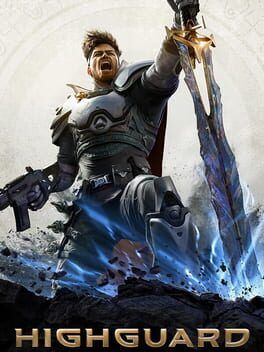

Wildlight Entertainment’s debut, Highguard, is a free‑to‑play PvP raid shooter coming to Xbox, PlayStation, and PC. Here’s how its Titanfall pedigree shapes movement and gunplay, how its “raid” structure works, and where it fits in an overcrowded F2P shooter market.
Highguard is not trying to be “Apex Legends but fantasy.” That would be the easy pitch, given it comes from Wildlight Entertainment, a studio founded by former Respawn developers who helped build both Titanfall and Apex. Instead, Highguard is aiming for something stranger: a first person “PvP raid shooter” where teams of arcane gunslingers fight, ride, and literally crack open enemy bases.
From the first trailers and early footage shown on the Steam page and previews, it is clear Wildlight is leaning on its lineage in one specific way: feel. Guns have snappy recoil, enemies pop with readable hit feedback, and characters cover ground at a speed that looks closer to Apex Legends than the slower, more tactical tempo of something like Valorant. The rest of the design, though, is Wildlight’s attempt to carve out a new niche inside an overcrowded free to play field.
An “all new breed” of PvP raid shooter
On paper, Highguard sits closest to hero shooters and objective based arena games. You play as Wardens, described as arcane gunslingers dispatched to fight over a mythical continent. Every match centers on an object called the Shieldbreaker. Multiple Warden crews clash to secure it, then use it to punch a hole in the opposing team’s base. Break in, destroy the core, and you secure territory.
This structure borrows the readability of King of the Hill or Payload modes but stretches it into a multi stage raid. Contests over the Shieldbreaker look like traditional control point brawls, with teams pushing and flanking around a contested zone. Once one side locks it down, the tempo shifts. Suddenly the match becomes a coordinated assault on a fortress, complete with breach points and a final objective inside the base.
Where Apex leans on shrinking circles and third party chaos, Highguard’s flow looks more like a heist film built into a round based shooter. Everyone knows what the next step is. The tension comes from how aggressively the attacking team pushes and how well defenders reorient once their perimeter has been broken.
Movement and combat with a Titanfall aftertaste
Without wall running or double jumps, Highguard is not literally Titanfall in disguise. The footage currently out there does not show anything that extreme, and the fantasy magic aesthetic pulls away from pure sci fi parkour. Even so, the pacing feels familiar if you have spent time in Apex Legends.
Characters move with a quick strafe speed and fast ADS transitions that encourage constant repositioning. There is a clear emphasis on using verticality and cover, but less on holding tight angles and more on flowing through them. The animations for mantling and sprinting read like they have been tuned to preserve momentum rather than drag you down every time you climb.
Guns occupy that middle ground between Apex’s hard hitting rifles and Titanfall’s laser precise SMGs. Recoil patterns in the gameplay clips are noticeable but controllable, which should reward players who can learn spray habits while keeping entry skill reasonable. Damage feedback is sharp with clear hit markers and audio, important in a chaotic raid fight where several abilities and projectiles might be flying at once.
Highguard also borrows from hero shooters in the way Wardens appear to layer firearms with abilities. Exact kits have not been fully broken down publicly yet, but the fantasy and supernatural tags on the Steam page, and the brief flashes of powers in trailers, hint at a mix of arcane crowd control and mobility tools. Think less of Apex’s pure sci fi gadgets and more of a magical twist on team utility that can shape lanes and entry paths around the Shieldbreaker.
Wardens, magic, and the mythical continent
Thematically, Highguard is leaning hard into a hybrid fantasy sci fi setting. Wardens carry sleek rifles and sidearms, but they are framed as arcane gunslingers tied to forces larger than simple mercenary work. The mythical continent they fight over feels closer to a lost realm than a typical near future city, with ancient structures and energy sources serving as the backdrop to firefights.
This gives Wildlight room to justify more exotic mechanics over time. Magical mobility fields, environmental hazards, or raid style objectives that twist in unexpected ways all make more sense in a world where the supernatural and technological already coexist. It also helps Highguard stand out visually in a market where metallic factories and modern streets blur together. Colorful spell effects and glowing Shieldbreaker energy against ancient stone go a long way toward making clip thumbnails instantly recognizable.
Free to play foundations and monetization
Wildlight is positioning Highguard as a fully free to play shooter with in game purchases. The Steam page lists it plainly: the game will support in app purchases, and the Xbox and PlayStation versions are set up in the same way. Given the team’s history with Apex Legends, it is reasonable to expect a cosmetic driven economy with character skins, weapon skins, banners, and assorted flair making up most of the store.
There is no hard confirmation yet of a battle pass or specific monetization structure, but the genre norms here are loud. A seasonal pass that tracks your progress across Wardens and unlocks cosmetic rewards, alongside limited time store rotations, would match both player expectations and Wildlight’s need for predictable revenue. Crucially, there has been no mention of gameplay affecting purchases like stat bonuses or weapon upgrades. Highguard is being pitched as a competitive PvP game with cross platform play, and that space is brutal on anything that smells like pay to win.
Technical details on Steam also confirm Easy Anti Cheat running at the kernel level, along with requirements like Secure Boot and TPM 2.0. That puts Highguard in line with other modern competitive shooters that prioritize anti cheat even at the cost of some user friction. It is a notable detail for PC players who track which games are installing low level drivers on their systems, but it also signals that Wildlight is serious about keeping the experience clean for a game that will depend on long term player trust.
How it fits in a crowded free to play shooter space
Highguard arrives in a market saturated with options. Apex Legends, Valorant, Call of Duty Warzone, The Finals, and a rotating cast of hero shooters and extraction titles are all competing for the same nightly slot in players’ routines. Simply having tight shooting will not be enough.
Wildlight’s answer is to lean into three specific angles. First is the raid structure. By turning each match into a multi phase operation built around the Shieldbreaker and base assaults, Highguard can offer a rhythm distinct from battle royales or single lane objective modes. That matters for players who are burned out on last team standing formats but still want high stakes, high coordination matches.
Second is the theme. The fantasy and supernatural edge gives Highguard a clearer identity than “sci fi with guns again.” It is easier to sell a new IP when the screenshots do not look like another military squad in another industrial zone. Wardens as arcane gunslingers have room to become recognizable mascots, the way Apex’s Legends have, which is crucial for cosmetic monetization.
Third is the pedigree. “From the creators of Apex Legends and Titanfall” carries weight with shooter fans. It sets expectations for movement, gunfeel, and netcode that few new studios can claim. That cuts both ways. If Highguard launches with sloppy hit registration or unresponsive controls, players will judge it more harshly than an anonymous new F2P release. But if the combat nails that Respawn style snap while the raid structure delivers something fresh, it gives the game a powerful hook.
Early impressions from footage and what to watch next
With Highguard still pre release, hands on impressions are limited to closed tests and short gameplay slices. Those clips show a game that already looks comfortable in its skin: bright, readable environments, crisp animations, and firefights that hit a pace closer to Apex’s mid range skirmishes than to more lethargic tactical shooters.
The Shieldbreaker mechanic appears to create natural moments of drama. When a team finally secures it, the push toward the enemy base feels like a flag run crossed with a raid breach. Defenders rally around choke points, attackers chain movement abilities and cover transitions to keep momentum alive. If that loop holds up under the chaos of full public matches, Highguard could find a strong identity as the “raid shooter” alternative to pure arena play.
The remaining big questions are all about longevity and structure. How generous will progression be for free players. How often will new Wardens, maps, and raid modifiers arrive. Will cross play matchmaking feel fair across platforms. Wildlight has at least given itself a compelling starting point. Highguard is not trying to topple Apex Legends on day one, but it is speaking directly to the same audience with a promise of familiar feel wrapped around a different shape of match.
For shooter fans who still miss the particular zip of Titanfall movement and the readable chaos of Apex firefights, Highguard is one to watch as it rides toward its January 2026 launch on Xbox, PlayStation, and PC.