
Hidetaka Miyazaki’s comments on the long-running foot fetish meme point toward a larger FromSoftware discussion about bodies, bosses, hands, ruin, and how players read recurring imagery.
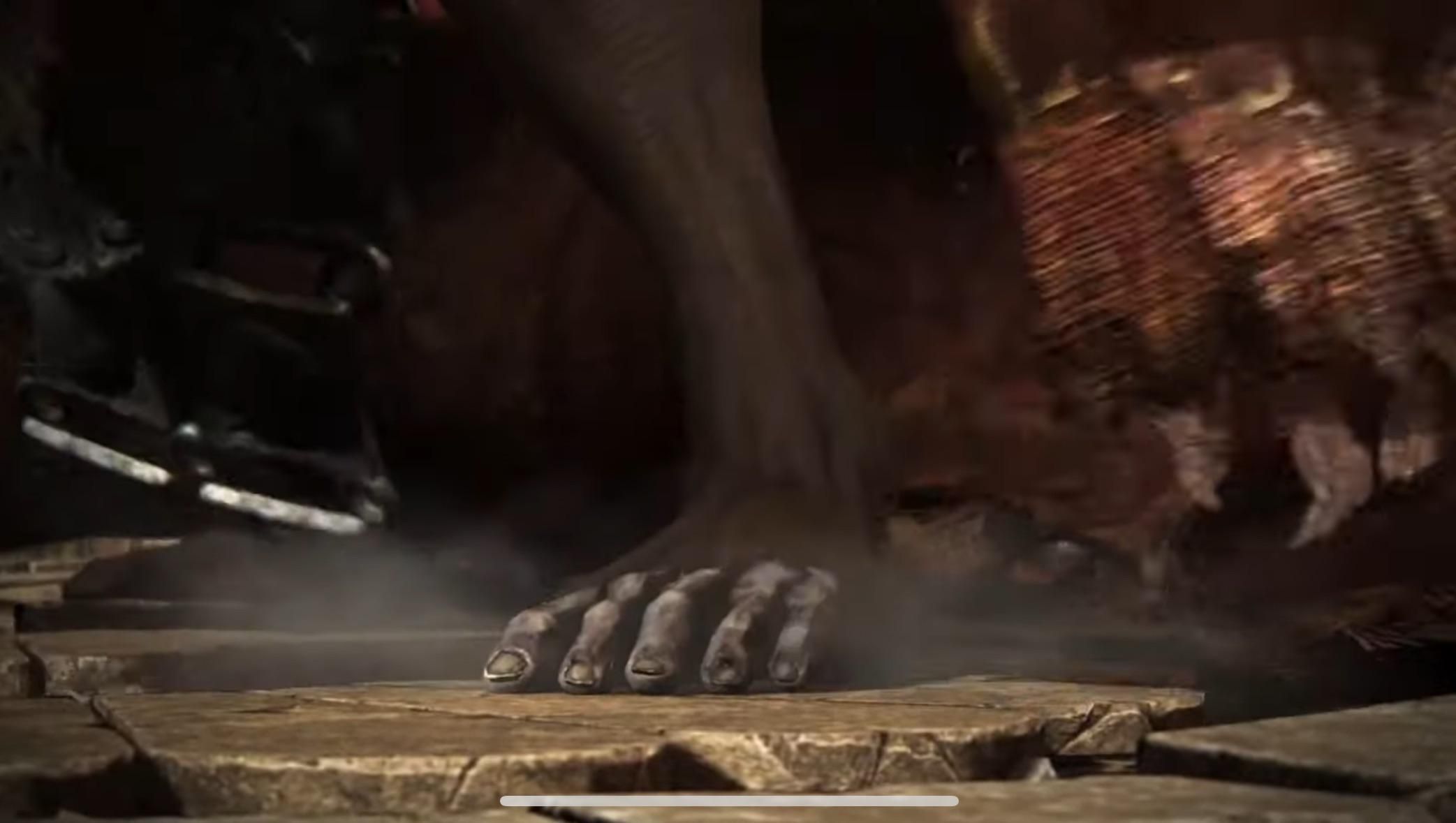
Image: reddit.com
Miyazaki finally names the meme, then redirects the conversation
Hidetaka Miyazaki has addressed the long-running Hidetaka Miyazaki foot fetish joke directly, and his answer is less a denial crafted for the internet than a glimpse into how FromSoftware’s director thinks about bodies as symbols. In a Guardian interview discussed by GameSpot, IGN, Kotaku, Metro, and others, the Dark Souls and Elden Ring director was asked about recurring hand imagery in The Duskbloods and across his work. His response unexpectedly folded in another body-part fixation from the community.
“It’s not necessarily something I’m consistently aware of, maybe it’s something subconscious coming through,” Miyazaki told The Guardian, according to the quoted interview text carried by multiple outlets. “Take a look online and there’s a rumor that I have a bit of a thing for feet, but I’m not honestly sure where this comes from. I feel like I’m trying to depict some side of human nature or the human existence that is difficult to describe.”
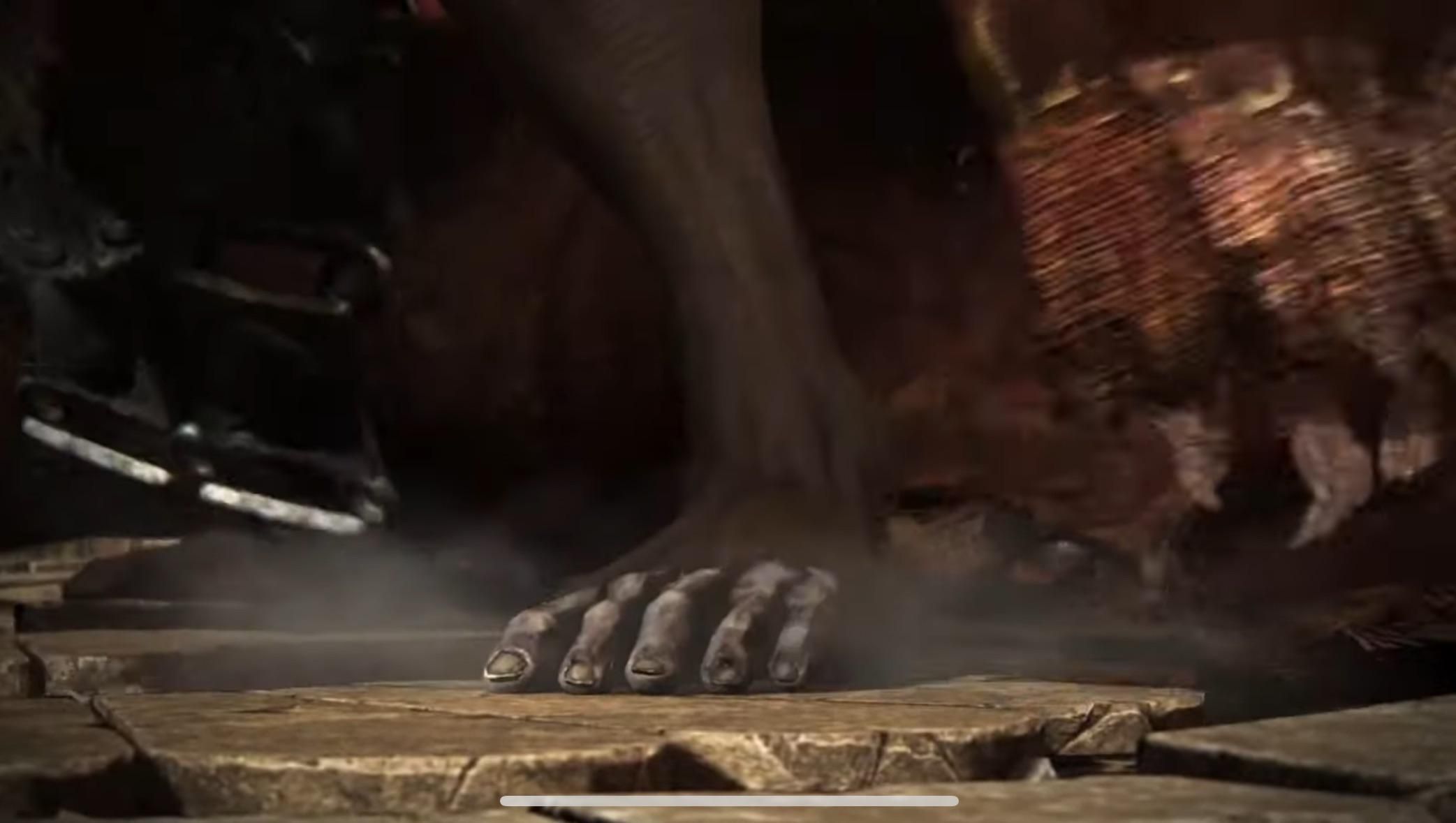
That is the concrete news: the FromSoftware president has acknowledged the Elden Ring director rumor, said he does not know where it comes from, and framed the recurring imagery as part of a larger attempt to express human existence. The tension is that fans did not invent the visual evidence out of thin air. FromSoftware games directed by Miyazaki have repeatedly placed bare feet, prosthetic feet, hands, scarred bodies, and monstrous anatomy in the player’s path. The meme is real as a community reading. Miyazaki’s comments suggest the intention, at least as he describes it, is not the one the joke implies.
The joke has years of in-game fuel, even if the conclusion is shaky
IGN describes the foot rumor as an inside joke within the Soulslike community rather than a serious accusation. GameSpot and IGN both point to the same basic pattern fans have noticed: the Maiden in Black from Demon’s Souls, Priscilla and Gwynevere from Dark Souls, Sister Friede, Maneater Mildred, and Elden Ring’s Malenia are among the frequently cited examples of women in Miyazaki’s games who appear barefoot or whose feet are visually emphasized. IGN adds the caveat that Malenia’s legs were destroyed by Scarlet Rot, but notes that her prosthetics still include detailed feet and toes.
GameSpot also notes a player-observed Elden Ring detail that the game’s beaches distinguish between barefoot players and those wearing footwear. That detail is a technical flourish more than a confession of authorial intent, but it helps explain why the meme stuck. FromSoftware’s worlds invite players to stare at surfaces, footprints, scars, item descriptions, hand positions, masks, missing limbs, and the space between a boss animation and a lore implication. If a game teaches its audience that visual details matter, the audience will start treating every repeated motif as a clue.
That is where the Hidetaka Miyazaki foot fetish joke becomes hard to separate from the studio’s design language. Bare feet in these games often appear alongside deprivation, ritual, exposure, monstrosity, sainthood, or bodily damage. The joke compresses all of that into a single punchline. Miyazaki’s answer asks the player to widen the lens again.
The actual interview question was about hands, not feet
The most revealing part of the FromSoftware interview is that the prompt, according to Kotaku and IGN’s summaries, concerned hands. The Guardian asked Miyazaki about hand imagery in The Duskbloods and Elden Ring, including the former’s introductory cinematic image of one hand reaching for another and the latter’s giant hand-shaped enemies. Miyazaki then brought up the foot rumor while discussing recurring imagery he may not be fully conscious of using.
That matters because hands in FromSoftware games are rarely neutral props. In Elden Ring, the giant fingercreeper enemies are grotesque set-pieces built from grasping movement and ambush timing. Their animation turns a familiar human shape into a predator. In a fight, that design works before the lore does. The silhouette lands first, then the panic, then the interpretation. A hand bursts from the ground and the player understands danger at the level of reflex.
Miyazaki’s quoted explanation, that he is trying to depict “some side of human nature or the human existence that is difficult to describe,” fits hands more cleanly than the meme version of the conversation allows. Hands reach, bless, strike, clutch, crawl, and plead. Feet can imply exposure, pilgrimage, poverty, bodily vulnerability, or mythic otherness. In FromSoftware’s best encounters, the body is both readable and unstable. A boss tells you how to fight it through posture and timing while also telling you what the world has done to it.
Ruin and rebirth are the sturdier frame for The Duskbloods Miyazaki comments
The same Guardian interview, as quoted by IGN, places Miyazaki’s body imagery within a broader theme he explicitly names: ruin and rebirth. “[Ruin and rebirth] is an ongoing theme in a lot of my games, I realise,” Miyazaki said, according to IGN’s article. He added that the theme applies on a “cosmological scale” to The Duskbloods, calling it an interesting philosophical area to explore.
IGN also quotes Miyazaki saying that, when choosing between brighter and darker futures, he tends to sway toward the darker one. He then links ruin and decay to “some chance of rebirth,” describing a small “pinprick of light or hope” as beautiful and fleeting. Those comments are a better guide to The Duskbloods than the foot meme. They suggest continuity with the emotional rhythm players associate with Miyazaki’s work: a world already wounded, systems already collapsing, and the player moving through the wreckage in search of a path that may be merciful, tragic, or both.
The Duskbloods is described in the source coverage as an upcoming FromSoftware action RPG, with Metro calling it a Switch 2 multiplayer exclusive and IGN referencing its own hands-on preview. The available source material does not provide a release date, price, performance details, or final feature list here. The confirmed part is narrower: Miyazaki is publicly connecting the game to recurring questions of decay, hope, and human existence, while acknowledging that some of the imagery fans track may emerge subconsciously.
FromSoftware’s bodies are mechanics before they become memes
As an action game director, Miyazaki’s most powerful images usually have to survive contact with combat. A barefoot saint, a prosthetic warrior, a crawling hand, or a rotted demigod cannot function only as a lore symbol. The design must read in motion, under pressure, often while the player is panic-rolling through a move they misread two seconds earlier. That is where FromSoftware’s body fixation becomes part of play rather than decoration.
Malenia, cited by IGN and GameSpot in the context of the foot meme, is useful here because her body is already a contradiction before the player ever jokes about it. She is associated with Scarlet Rot, prosthetics, grace, disease, precision, and punishment. Her form communicates beauty and damage at the same time. Whether a player focuses on her bare prosthetic feet, her blade, her missing limbs, or her impossible poise, the encounter is built from a body that has been ruined and weaponized.
The same principle applies to hands. Elden Ring’s hand enemies are funny in screenshots and horrible in motion. Their threat comes from the rhythm of fingers behaving like legs, from the wrongness of anatomy turned into pursuit. The player interpretation begins with a joke, then shifts into fear, then into pattern recognition. That loop is central to why FromSoftware imagery travels so far online. The games hand players grotesque icons that work as enemies, lore fragments, reaction images, and community myths all at once.
The safest reading is symbolic intent, plus an audience trained to overread
Miyazaki’s comments do not prove that every bare foot or reaching hand in a FromSoftware game has a single hidden meaning. They also do not erase the pattern fans have cataloged. The cleanest distinction is this: the Hidetaka Miyazaki foot fetish rumor remains a community meme, while the recurring use of exposed, altered, or monstrous bodies is a confirmed feature of how players experience and discuss his games.
Kotaku notes that Miyazaki brought up feet while answering a question about hands, and Metro argues that the imagery in his games lacks the voyeuristic framing people associate with more explicit pop-culture foot fixation. Metro also points out that plenty of male characters are barefoot too, which complicates the idea that the pattern is limited to a specific kind of female character design. Those are interpretations from the outlets, but they align with Miyazaki’s own quoted framing: he says he is reaching for something about humanity that is hard to describe.
That still leaves room for players to laugh. Souls communities survive by turning terror into shorthand, and the foot meme is part of that tradition. The useful part of the joke is that it notices repetition. The limiting part is that it can flatten FromSoftware’s visual design into a single gag. Miyazaki’s answer does not kill the meme. It gives players a better target for the next conversation: what bodies are doing in these worlds before the internet turns them into evidence.