
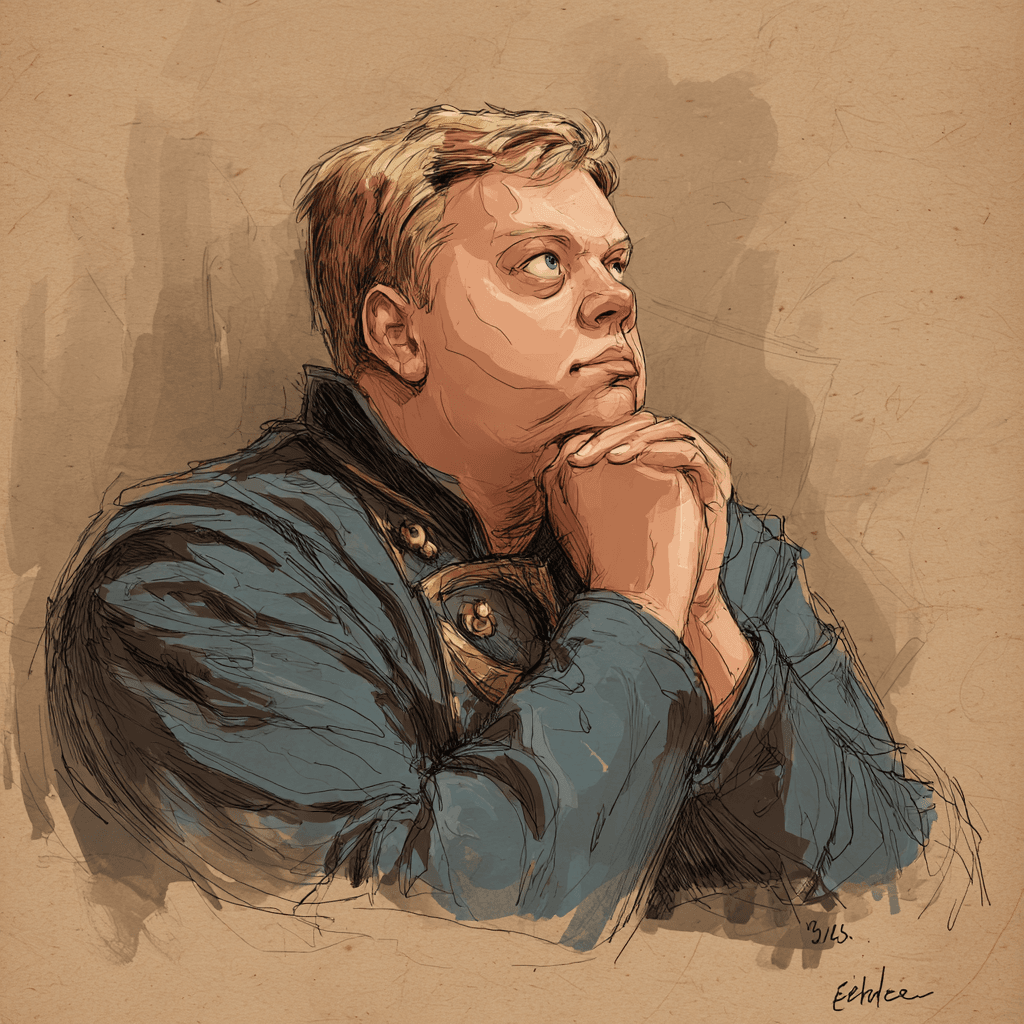
Hideki Kamiya says the bigger question is whether IP holders will keep games playable for future generations, not whether the copy on your shelf is physical or digital.
Image: powerupgaming.co.uk
Kamiya puts preservation ahead of the format fight
Hideki Kamiya has put the physical-versus-digital debate in sharper terms: for the Okami, Devil May Cry, and Bayonetta creator, the central issue is whether games remain playable at all as hardware, storefronts, and distribution models change.
Speaking to VGC alongside fellow Clovers co-founder Kento Koyama, Kamiya said he now buys modern games “100% digital,” so the reported decline of physical PlayStation discs does not directly change his own buying habits. But he also told the outlet that he fears something meaningful could be lost if the industry treats format change as the whole story.
“That’s the big thing for me, is whether or not the IP holders are going to take responsibility for ensuring that all of these games will continue to be available to future generations in order for them to be played,” Kamiya told VGC. “Whether that’s physically or digitally is less important to me, just so long as these games will be available to people in the future.”
That is the useful distinction in Kamiya’s comments. Physical media can preserve some forms of access, especially when discs or cartridges contain playable builds. Digital storefronts can preserve access at scale when rights holders keep games listed, maintained, and compatible. Neither format automatically solves video game preservation by itself.
Access, ownership, and availability are different problems
The current argument around game preservation physical digital ownership often collapses three separate questions into one. Can a player launch the game today? Does that player own a transferable object or only a license tied to an account and storefront? Will the game still be available to future players who never bought it in the first place?
Kamiya’s comments sit mostly in the third category. He is not saying the feel of a boxed collection is irrelevant, and he is not dismissing players who prefer physical games. He is saying that a shelf copy and a download button both fail the cultural test if future players cannot reasonably access the work.
That distinction matters because many preservation arguments get stuck at the point of purchase. A player who owns a disc may still face hardware failure, patch dependencies, dead servers, or missing downloadable content. A player who owns a digital copy may lose access if a storefront closes, an account is compromised, or a game is delisted. The risk profile changes by format, but the long-term strategy problem remains: someone with rights, infrastructure, and incentive has to keep the game playable.
Kamiya put that responsibility on IP holders in his VGC interview. That framing is important because publishers and rights owners control many of the gates that players, collectors, and historians cannot open on their own. They decide whether old games are reissued, whether licenses are renewed, whether ports happen, and whether a title is treated as a living part of the medium or left behind when a platform generation ends.
The PlayStation disc backdrop raises the stakes
The interview was conducted against a changing console market. VGC framed Kamiya and Koyama’s comments around the impending end of physical game discs on PlayStation platforms, while Console Creatures described the situation as a countdown toward the end of PlayStation disc production in January 2028. Those reports are the backdrop here, rather than a new Sony statement in the supplied material.
For players, the practical question is not only whether a future PlayStation box has a disc drive. It is whether the games associated with that ecosystem remain obtainable, installable, and playable once retail discs are no longer a routine distribution channel. A digital-first market can be convenient for current players and efficient for platform holders, but it also concentrates availability in storefront policies, account systems, licensing agreements, and compatibility decisions.
That concentration changes the preservation meta. In a physical-heavy era, scarcity, disc rot, damaged cartridges, and aging hardware were major threats. In a digital-heavy era, the pressure shifts toward delisting, platform shutdowns, online authentication, and business decisions that can remove a game from sale without changing whether the game still has cultural or historical value.
Kamiya’s position does not resolve the physical versus digital games argument. It sidesteps the tribal version of it. His concern is that future generations should be able to play older games, and that requires a preservation plan deeper than picking one retail format over another.
Arcade Archives is the model Kamiya points to
Kamiya gave VGC a concrete example of the kind of solution he values: Hamster Corporation’s Arcade Archives series, which makes older arcade games available on modern platforms. The example is revealing because Kamiya is not speaking as someone indifferent to original hardware. VGC notes that he owns more than 200 arcade boards, yet he still uses Arcade Archives when he wants to play those games without setting up the original equipment.
That is a pragmatic preservation stance. Original hardware has historical and collector value, but it is not a scalable answer for most players. Modern re-releases lower the friction. They let a game exist where current audiences already play, on current displays and controllers, without requiring a personal museum.
The Arcade Archives example also shows why preservation is a business and technical commitment, not a sentiment. A game has to be selected, licensed, packaged, tested, sold, and supported on modern platforms. The exact details vary by release, but the broader lesson from Kamiya’s citation is clear: long-term availability is produced by repeated decisions, not by nostalgia alone.
For strategy-minded players, this is the part worth watching. A publisher that regularly brings catalog titles forward is building future access. A publisher that lets older games vanish while focusing only on new releases is creating a backlog of cultural debt, even if some original copies still exist in private collections.
Collectors still matter, but they cannot carry the whole medium
Kento Koyama’s comments to VGC add the emotional counterweight. Koyama said he has been buying more games digitally lately, but when a game feels special and he wants to keep it “for the long haul,” he makes sure to buy a physical copy. He also described having a dedicated game room with past consoles and shelves of games, and said browsing those labels can still give him a “little flutter” in his heart.
There is a source wrinkle worth separating. Console Creatures’ report attributes some of the physical collecting remarks to Kamiya, including the desire to buy special games physically and the dedicated game room detail. In the supplied VGC text, those remarks are attributed to Clovers president Kento Koyama, while Kamiya’s own clearly attributed comments focus on his 100% digital modern buying habits, his retro collecting, his 200-plus arcade boards, and his preservation concerns. Because VGC conducted the interview, this article treats the collecting-room remarks as Koyama’s unless further clarification appears.
That distinction does not weaken the story. It actually clarifies it. Kamiya and Koyama represent two compatible positions: one emphasizes future playability regardless of format, the other recognizes the emotional and archival value of physical collections. The mistake is assuming one cancels the other.
Private collectors preserve objects, memories, packaging, hardware, and versions that companies may never reissue. But collections are uneven by nature. They depend on money, space, maintenance, and personal commitment. They can protect fragments of gaming history, but they cannot guarantee broad public access to the medium.
The unresolved question is responsibility
Kamiya’s most pointed line is about responsibility. He told VGC he hopes IP holders will recognize that many older classic games are already not playable on modern hardware and continue making them available “from a gameplay perspective” and “from a game culture perspective.” That shifts the conversation away from consumer preference and toward stewardship.
The hard part is that stewardship costs money and rarely fits neatly into the launch-window logic that drives the games business. Old games may require rights checks, music renewals, emulator work, certification, compatibility testing, localization review, or platform-specific updates. Some will sell well enough to justify that effort. Others may have obvious cultural value but limited commercial upside.
That is where the industry’s incentives and players’ expectations are misaligned. Players often talk about digital game ownership as if buying a license today should guarantee access indefinitely. Companies tend to operate storefronts and catalogs according to current business priorities. Preservation sits between those positions, asking for continuity across hardware cycles, corporate restructures, and changing commercial strategies.
Kamiya is not offering a technical policy proposal in the supplied interview. He is identifying the correct target. If a game disappears because no rights holder keeps it available, the argument over whether the ideal copy would have been a disc or a download arrives too late.
How players should read the shift toward digital libraries
The practical guidance is to separate short-term convenience from long-term security. If you buy digitally, you gain immediate access, easy storage, and often better integration with modern platforms. But you are depending on a storefront, an account, and the rights holder’s continued willingness to keep that product accessible. If you buy physically, you may gain a collectible object and, depending on the game and platform, a route to play without a storefront purchase. But you may still depend on patches, hardware, servers, and compatible devices.
For anyone concerned with video game preservation, the healthier habit is to watch what companies do with their back catalogs. Reissues, accessible collections, modern ports, and ongoing compatibility support are stronger signals than marketing language about honoring legacy. Kamiya’s praise for Arcade Archives is a useful benchmark because it points to actual availability on modern hardware rather than abstract reverence for old games.
The next phase of Kamiya physical digital games discourse should be less about declaring one format morally superior and more about asking whether publishers are keeping their work playable. The best outcome for players is redundancy: physical copies where they make sense, digital releases that remain maintained, and rights holders that treat older games as part of the medium’s living library.
Kamiya’s comments land because they refuse the easiest version of the debate. The format matters, but the endgame is availability. If future players cannot legally and practically experience a game, preservation has failed no matter how it was originally sold.