
Former id Software developers affected by Microsoft’s Xbox layoffs have formed Hidden Horses, an employee-owned shooter studio making the single-player FPS Danger Pay.
Image: techtroduce.com
Former id developers regroup under Hidden Horses
A team of developers laid off from id Software has formed Hidden Horses, a new employee-owned studio with more than 20 former id staff and a first project already named: Danger Pay, a single-player first-person shooter. Video Games Chronicle reported that the group plans to make a new FPS, while GamesIndustry.biz described the studio as an independent, employee-owned company formed by id developers affected by Xbox’s mass layoffs.
That is the hard news, and it lands with obvious tension. id Software remains one of the most important names in first-person shooters, but the people behind Hidden Horses are launching from the other side of a corporate cut, without the safety net of a platform holder or publisher payroll. The studio’s public pitch is built around retaining veteran shooter talent, giving developers ownership in the company, and trying to fund its debut through Kickstarter.
Hidden Horses is positioning itself as an answer to a specific industry failure: experienced teams can be cut loose even after making games people care about. In a statement quoted by VGC, the studio said it wants to “pursue fun and creativity in our games, unencumbered by short-term thinking or chasing market trends.” The same statement said its structure is meant to value “long-term health over short-term growth, longevity over quarterly returns, and innovative gameplay over shady monetization.”
For FPS players, the immediate hook is simple. This is a new FPS studio founded by former id Software developers, and its first game is already framed around speed, danger, and arcade pressure. The open question is whether Hidden Horses can convert institutional knowledge from a large, established shooter house into a lean independent project without losing the polish players expect when they hear “former id.”
The layoff context gives the studio its edge
GamesIndustry.biz reported that Hidden Horses emerged after July layoffs in which approximately 136 id employees were cut. The same report links those cuts to wider Xbox layoffs, with Microsoft reducing its gaming workforce by 3,200 people. Vertical Slice similarly framed Hidden Horses’ launch as arriving months after Microsoft “carved through” the id Software team during broader Xbox Game Studios cuts.
id Software publicly maintained after the layoffs that it still had “the crew we need to build the games and tech we’re known for,” according to a statement cited by GamesIndustry.biz. That statement said the team was “about the same size we were when making Doom (2016),” described id as a flat studio where “everyone is a maker,” and said the company would continue building the games and technology that have defined it for 35 years.
Those two positions can coexist, but they create the story’s central pressure point. id says it remains capable of building its games and tech. Hidden Horses says a large pool of high-level talent is now outside the building and ready to make something new. Producer Andrew Willis put that argument plainly in the documentary video covered by VGC, saying, “Okay, you’ve got all these people that do this amazing thing at a high level, that really cannot be replicated, and they’re all out of a job now.”
Willis also tied the opportunity to player demand. In the same video, as quoted by VGC, he said players “love the games, want more of it,” and argued that if the money is there to buy what these developers make, and the people who make it are now free to build more, “there’s no reason that we can’t put a company together to continue this on.”
That is not a promise that Hidden Horses will make something that feels like Doom, and it is not confirmation that id’s future output will suffer. It is a clean signal that some of the talent displaced by Microsoft’s cuts wants to compete directly in the same broad arena: high-impact first-person action.
Employee ownership is the business pitch, not a decoration
Hidden Horses’ employee-owned structure is the part of the announcement that separates it from a normal post-layoff startup story. GamesIndustry.biz reported that the studio aims to give staff an ownership stake in their work. Co-founder and executive producer Andrew Willis told the outlet, “We’re creating a studio where the developers share in its success and have a commitment to it beyond just another job.” He added that when people have a stake in something’s success, they are more committed to it.
That matters because the studio is being formed in direct response to layoffs at a company owned by Microsoft. The developers involved had the stability of a major organization until that stability disappeared. Co-founder and rendering programmer Regan Carver described the tradeoff in the founding video cited by GamesIndustry.biz: at the previous job, one risk was whether the team could succeed, which felt like a given because the company was established, funded, and making good work. The other risk was whether the company cared about the people. “For a while, that was true, and then it stopped,” Carver said.
Carver framed Hidden Horses as trading one kind of risk for another. “We know we all care about each other, but all we have to do now is succeed,” he said, according to GamesIndustry.biz. That is the honest version of the employee-owned pitch. Ownership can align incentives and give developers more control, but it does not remove market risk, funding risk, production risk, or the brutal math of shipping a polished shooter.
Hidden Horses says it wants to “empower individual developers while maintaining the focused decision-making necessary to build ambitious games,” according to GamesIndustry.biz. That last clause is important. Shooters punish indecision. Gunfeel, enemy pressure, arena layout, animation timing, and difficulty curves all need a clear hand. A co-op governance fantasy where every decision drifts would be a problem. The studio is telling players and backers that employee ownership does not mean design by committee.
Danger Pay is the first test of the team’s shooter instincts
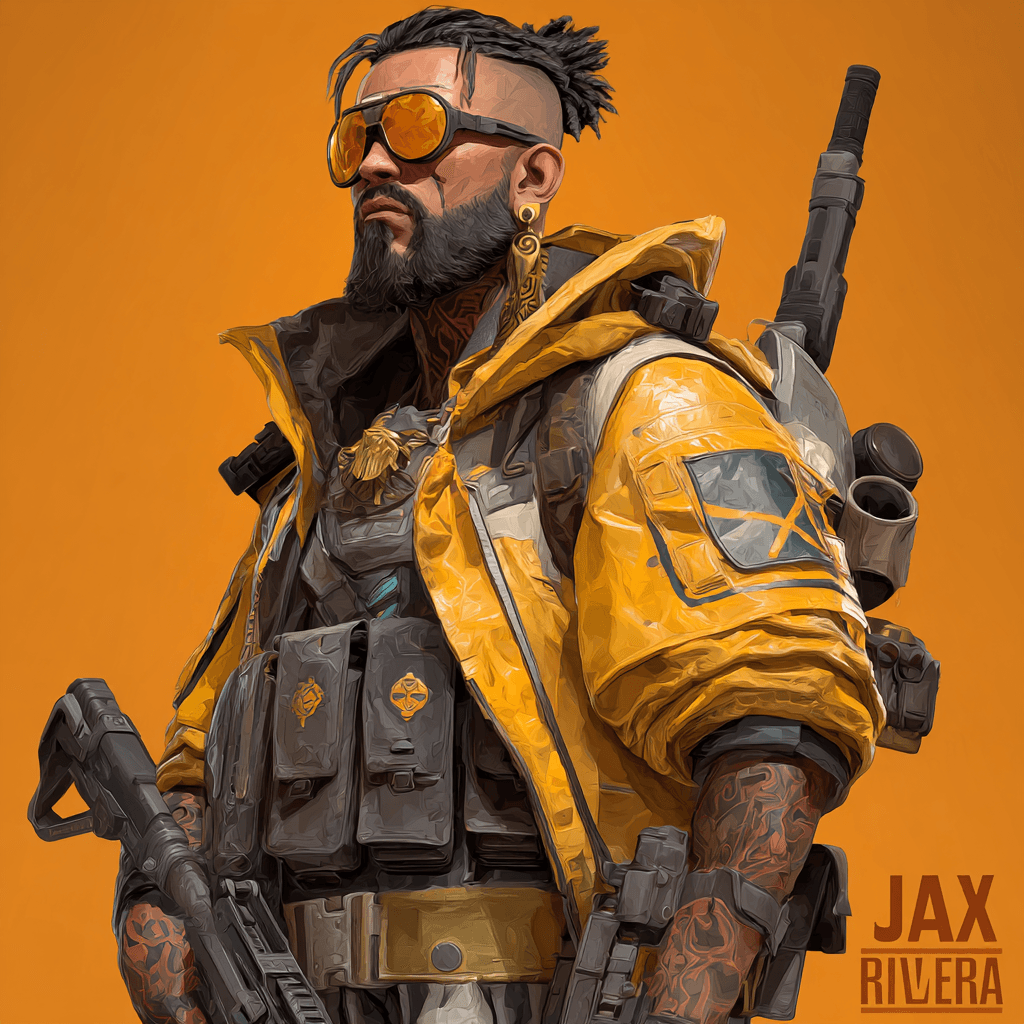
The studio’s debut project is Danger Pay, which VGC and GamesIndustry.biz both identify as a single-player FPS. VGC reports that the game is set in a deadly gameshow and takes inspiration from The Running Man and Smash TV. Vertical Slice described the project as a new “high-octane” single-player FPS.
That gives shooter fans a useful read, even with major details still unannounced. The Running Man points toward spectacle, broadcast cruelty, and survival under observation. Smash TV points toward arena pressure, enemy waves, rewards, and constant threat density. In first person, that combination could favor compact combat spaces, readable enemy roles, aggressive pacing, and a loop where the player is always being pushed rather than allowed to turtle.
None of that is confirmed as mechanics. Hidden Horses has not announced weapons, movement systems, enemy factions, campaign length, difficulty options, engine, platforms, release window, or price in the provided source material. No multiplayer mode has been announced, which means there is no basis yet to talk about netcode, matchmaking, anti-cheat, ranked play, or a live-service meta.
The practical shooter questions are still on the board. Can the weapons sell impact without id’s infrastructure behind them? Will Danger Pay use arena design that gives players routes, resets, and risk-reward decisions, or will the gameshow setup become mostly set dressing? Will enemy pressure demand mastery, or settle into spectacle? Will the studio chase modern progression hooks, or keep the campaign clean and replayable? Hidden Horses’ own statement against “shady monetization,” quoted by VGC, suggests a philosophy, but it does not yet confirm a business model.
Technical artist Todd Boyce argued in the studio’s video, as quoted by VGC, that Hidden Horses has an unusual advantage for a startup because the team already worked together for a decade. “You already have those connections,” Boyce said. “You already all know what each other’s capabilities are, and you already know how to make a game together.” For a shooter, that shared production language can matter as much as headcount. Tight combat games die when departments are out of sync.
Kickstarter funding makes the next phase public
Hidden Horses is turning to Kickstarter to fund Danger Pay. VGC reported that the studio has launched a Kickstarter campaign for its first game, while GamesIndustry.biz said the campaign funds are intended to support the normal startup and development costs of a new studio, including licenses, hardware, and healthcare. GamesIndustry.biz also reported that the initial fundraising goal will reflect the timeline and costs of the first project.
That funding route changes how players should read the announcement. This is not a shadow-drop campaign from a fully financed studio with a locked ship date. It is a public attempt to build runway. The upside is transparency: backers should get a clearer sense of scope, milestones, and what the studio believes it can deliver. The risk is equally clear: crowdfunding a shooter means trusting that a small, newly formed company can manage tech, production, hiring, communication, and polish under public scrutiny.
For players considering whether to back, the key is evidence. Watch for gameplay that proves the pitch at controller-in-hand speed. A good trailer can sell tone, but an FPS needs recoil behavior, enemy reactions, movement commitment, reload cadence, hit feedback, audio punch, encounter readability, and performance targets. If Hidden Horses shows a vertical slice, the conversation changes. If the campaign leans mostly on résumé and concept art, caution is fair.
The studio’s background gives it credibility, but Kickstarter rewards execution, not pedigree. Former id Software developers know what top-tier shooter standards look like. That does not automatically solve licensing costs, tooling, platform certification, optimization, production scheduling, or the challenge of building a new pipeline after leaving a proprietary studio environment. GamesIndustry.biz’s mention of licenses and hardware in the funding needs is a reminder that even veterans have to rebuild the machinery around the game.
What is confirmed, and what remains missing
The confirmed picture is strong but still early. Hidden Horses is a new employee-owned shooter studio. It includes more than 20 former id Software developers, artists, and designers, according to GamesIndustry.biz, and VGC says the team consists of more than 20 former id staff. The group includes named co-founders and contributors quoted in the founding video and reporting: Andrew Willis, Regan Carver, and Todd Boyce. Its first announced game is Danger Pay, a single-player FPS with a deadly gameshow premise and influences from The Running Man and Smash TV.
The unannounced list is longer. The provided source material does not confirm platforms, release timing, price, PC requirements, console targets, publisher involvement, engine choice, campaign length, access model, physical release plans, or whether Danger Pay will have any post-launch content. There is also no confirmed gameplay breakdown for weapons, movement, maps, enemy design, progression, or difficulty structure.
There is one minor reporting tension worth noting. Shattered’s analysis says that in the material it reviewed, no founder names or individual developer credits were published. GamesIndustry.biz and VGC, however, do include named developers and quotes from the studio’s founding video. That is not a substantive contradiction about Hidden Horses itself, but it shows how quickly details have been moving around the announcement. The safest read is to stick to named, attributed reporting and avoid filling in credits beyond what the public sources identify.
Shooter fans should watch three things next: whether the Kickstarter reveals real gameplay, whether Hidden Horses defines a controlled scope for Danger Pay, and whether the employee-owned model produces clear creative accountability rather than vague goodwill. The studio’s origin story is compelling because it comes from a real rupture at one of the genre’s landmark developers. Its future will be judged on the old FPS standard: when the door opens and the first fight starts, does it feel lethal, readable, and worth replaying?