
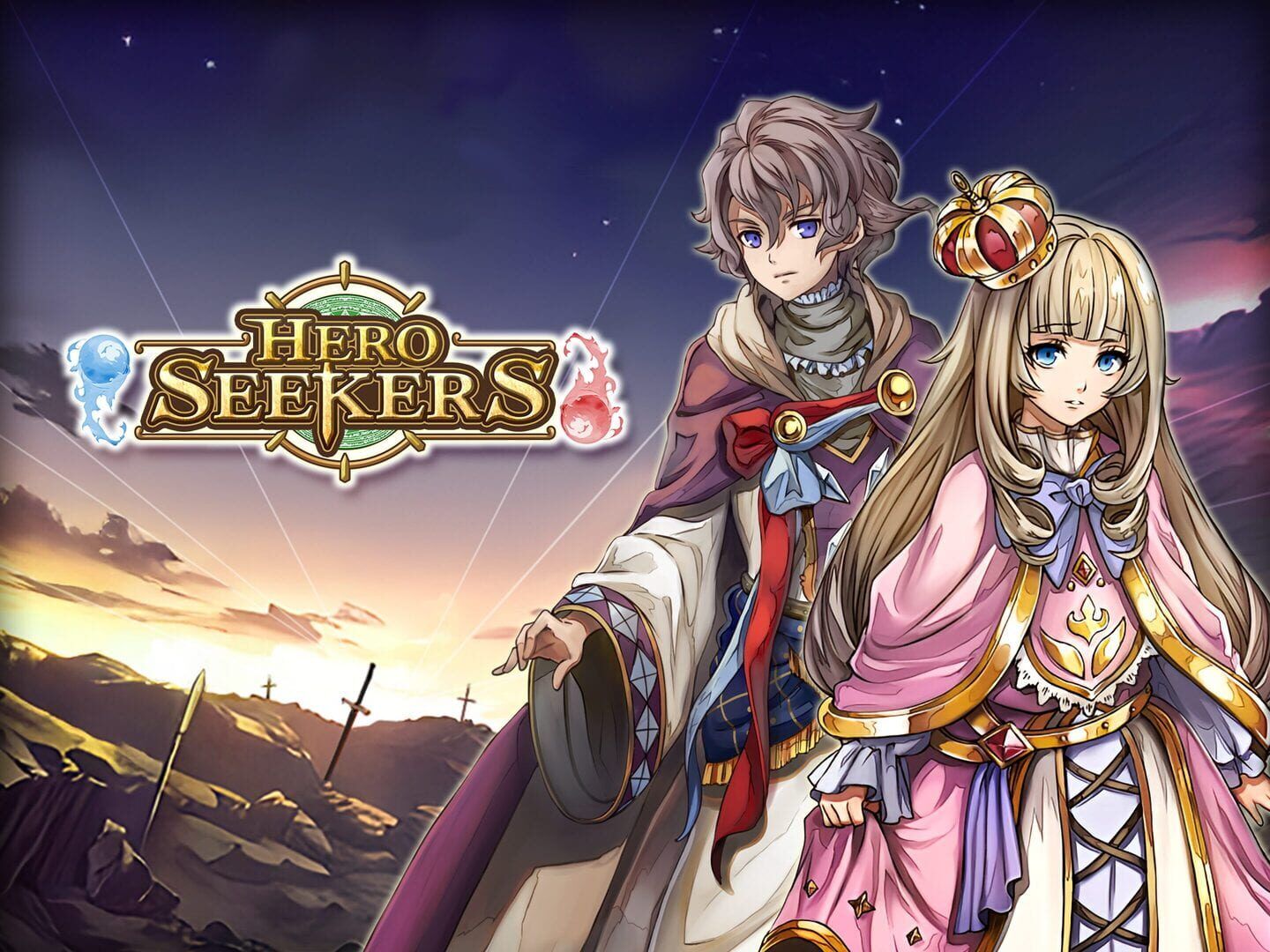
Kemco’s Hero Seekers brings its ‘erased heroes’ hook, five‑member parties and mobile‑scale structure to Nintendo Switch in January 2026, aiming to stand out in a crowded wave of budget JRPGs.
Kemco is kicking off 2026 on Switch with Hero Seekers, a summoning-focused fantasy JRPG built around a neat narrative trick: what if the world literally forgot that heroes ever existed?
A world where heroes never were
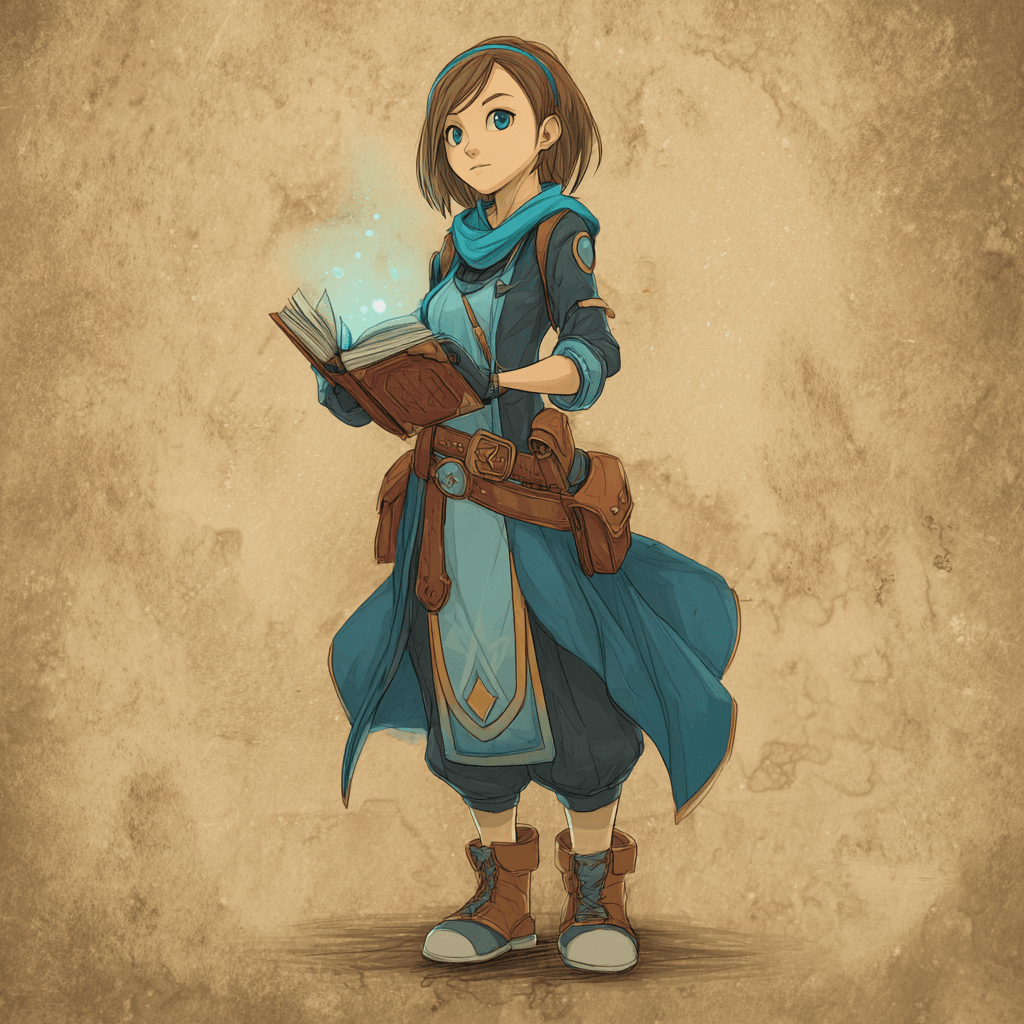
Hero Seekers opens on a kingdom whose history has been rewritten. Once, three warriors struck down the Demon King and restored the light, but some unknown event scrubbed their deeds from the timeline. The title’s protagonist, Lunette, is the only person who remembers the true history.
Everyone else lives in a world where there is no such thing as a capital H Hero. That makes Lunette less a chosen savior and more a walking paradox, and it sets up the game’s central goal. By traveling the continent, diving into dungeons and confronting twisted manifestations of past events, she works to restore the original timeline and return the concept of heroism to the world.
The twist is that these lost heroes still exist, but only as fragmented souls trapped inside nightmares. Every time Lunette dives into a corrupted domain and frees one, she is piecing the old history back together and creating your next playable party member at the same time.
Summoning souls and building a five-member party
Mechanically, that premise feeds directly into Hero Seekers’ structure. This is a classic command-based JRPG in the Kemco mold, but with a bigger focus on summoning and party customization than usual.
Over the course of the adventure, Lunette can recruit more than twenty different heroes by purifying their souls. Each brings a distinct combat role and a small pool of skills rather than sprawling, ultra-deep trees. The Switch version lets you field up to five heroes at once, with four active combatants and a dedicated reserve slot that can tag in mid-battle.
That setup pushes you to think in terms of compact, synergistic squads. A fragile mage who specializes in debuffs pairs well with a tank that can redirect damage, while an agile attacker with multi-hit skills helps chew through enemy barriers so your healer can spend more turns buffing and curing instead of scrambling to keep everyone barely alive. There is room to experiment because new heroes arrive regularly as you progress through the story, and the Arrange-style system makes it quick to swap them in and out.
Outside battle, progression is familiar but tuned for short sessions. Heroes level up through combat, you pick up gold and materials from dungeon runs, and you upgrade equipment at traditional RPG shops. This is not a sprawling, systems-heavy RPG; instead it leans into bite-sized battles, straightforward gear and a focus on team composition as the main source of depth.
Convenience tools keep that pacing brisk on Switch. A speed-up toggle helps burn through routine fights in seconds, and an escape spell lets you pull out of a dungeon instantly when you are done looting or if you walked in under-leveled. Even if you are tackling the game a chapter at a time, you spend more of that time making party decisions and less trudging through random encounters.
Length, structure and mobile roots
Hero Seekers started life on mobile, and its Switch debut in January 2026 reflects that heritage in its structure and scope.
Kemco’s recent mobile-first JRPGs typically land in the 15 to 25 hour range if you stick to the main story, with optional bosses and post-game challenges adding a few extra evenings. Hero Seekers is built along similar lines. Every group of dungeons is framed as a self-contained arc about one of the erased heroes, culminating in a boss encounter that both advances Lunette’s quest and introduces a new ally.
That episodic flow fits handheld play well. You can clear a dungeon, tune your team around the freshly rescued hero, and log off feeling like you have made clear progress. On Switch, that should translate to a low-pressure JRPG you can chip away at between bigger, flashier releases in the early 2026 calendar.
Players coming from Kemco’s back catalogue should expect a linear main path, a world map dotted with bite-sized towns and side caves, and a late-game push that asks you to revisit earlier areas with a more optimized party. Rather than lengthy cutscenes or branching narratives, the focus is on steady combat and loadout tinkering.
Where it sits in Kemco’s long JRPG line
Kemco has essentially carved out its own micro-genre over the last decade: compact, budget-priced retro JRPGs built to scratch that 16-bit itch on modern platforms. Hero Seekers fits that template, but the erased-heroes hook and summoning angle give it a slightly stronger identity than some of the more interchangeable fantasy outings in the label’s history.
Visually, it sticks with the familiar pixel-art look that fans will recognize from titles like Dragon Lapis and Asdivine Hearts, but the Switch version benefits from higher resolution assets compared to the cramped phone screens the series normally targets. Compared to grittier indie RPGs, this is bright and clean, with readable sprites and simple effects that keep handheld performance stable.
Where Hero Seekers diverges from many older Kemco games is in party emphasis. Rather than centering on a fixed crew of four protagonists, this game is about curating your own roster of over twenty spirits. That puts it closer in feel to something like a stripped-back Suikoden or a pocket-sized gacha RPG, just without the actual gacha layer. All of the heroes are earned through story progress, and their upgrade paths are bound to classic leveling and gear instead of monetized pulls.
Competing in the early 2026 budget JRPG window
Early 2026 is shaping up to be a busy window for lower-priced RPGs on Switch, with a mix of smaller indies and evergreen ports fighting for attention between the tentpole releases. In that context, Hero Seekers has to sell itself on three points: premise, convenience and price.
The premise is punchier than you might expect from a budget JRPG. A world that has literally forgotten what a hero is gives the narrative an underlying melancholy, and tying every new party member to a fragment of that lost history should help the constant drip of new heroes feel more meaningful.
On the convenience side, Hero Seekers is built around mobile-friendly pacing. Battles load quickly, systems are easy to parse, and the toggles for speed and dungeon escape keep it from feeling like a grind-first throwback. For Switch players who want a JRPG that does not demand eighty hours, that is a real point of differentiation.
Price will be the final piece. Kemco is positioning Hero Seekers as a budget eShop title, and it is targeting that familiar sub-premium range rather than competing with full-priced epics. For players willing to accept modest production values in exchange for a focused, twenty-ish hour campaign built on summoning, party building and classic turn-based battles, Hero Seekers looks set to be one of Kemco’s more appealing offerings when it lands on Nintendo Switch in January 2026.