
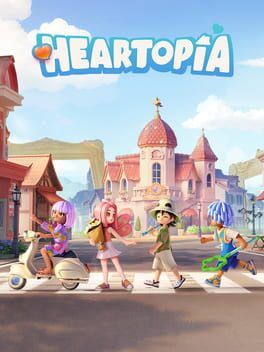

New to Heartopia on PC or mobile? Here’s how to use the latest codes, understand its monetization and gacha systems, and build a strong early game in this free-to-play cozy multiplayer life sim.
Heartopia has arrived right as the cozy-game space feels more crowded than ever, and yet it is already generating a flood of interest around one thing in particular: codes. Those freebies are a great hook, but there is a surprisingly deep life sim behind them. If you are just touching down in town on PC or mobile, this guide walks through what Heartopia actually is, how its gacha and monetization work, and how to set yourself up for a relaxed but efficient start.
How Heartopia’s Codes Fit Into The Early Game
Heartopia’s sudden popularity on code roundups is not an accident. Redeemable gift codes can shower you with Moonlight Crystals, crafting materials, fertilizer and food as soon as you make your character. That has two key effects for beginners.
First, it effectively skips some of the initial resource bottlenecks. Timber, branches and early cooking ingredients usually come from slow, low-level gathering and requests. Starting with a stockpile means you can repair tools, begin crafting furniture and plant crops earlier than you would otherwise.
Second, codes often hand out Moonlight Crystals, the game’s premium currency. In the early game this lets you sample gacha pulls or speed up your fashion and housing goals without waiting on longer quests. The important thing for new players to understand is that these codes are a bonus, not a requirement. You can play Heartopia comfortably with or without them, but if you care about getting a feel for costumes and decor, cashing in active codes right away is smart.
Once you load into town, you redeem codes via your character’s watch, then collect rewards from your mailbox outside your house. From there you can pivot straight into the real core loop.
The Core Loop: Housing, Hobbies, And Social Play
Heartopia bills itself as a slow-life simulation about creativity and peace, and the design backs that up. There is no stamina bar dictating how much you can do in a session and no strict day-night rush cycle. Instead, you move through three overlapping layers.
At the center sits your home plot. You start with a modest house and yard but you can expand, remodel and eventually turn it into anything from a cottagecore retreat to a modern villa. Building uses in-game materials like timber and stone rather than premium paywalls. You place, rotate and recolor furniture right on your plot, with dyes letting you re-skin items without rebuying them. A workbench lets you craft many pieces outright instead of relying entirely on shops or gacha.
Your home is not just decoration. It anchors your hobbies. Install a kitchen and it becomes a fully functional cooking space. Carve out gardening plots to farm your own ingredients. Display your caught bugs or fish, or set up a cozy corner for your pets. The more you engage with these systems, the more your house turns into a physical record of how you play.
Out in the wider town and surrounding regions you find the main hobbies that form Heartopia’s progression backbone. Gardening, fishing, cooking, birdwatching and bug catching level up as you use them, steadily improving your yields and the quality of what you collect. There is no pressure to max everything at once. You can lean into the activities you enjoy and still access the broader game.
Layered on top of that sandbox are resident requests and structured tasks. Townsfolk post daily and weekly requests, usually asking for crafted items, specific fish, photos of wildlife or help repairing things. These requests hand out money, crafting mats, contribution medals and tickets that upgrade your guild-like progression track. That track unlocks new farm plots, extra housing options and more robust customisation, so doing at least a handful of requests each session keeps your account growing without undercutting the relaxed tone.
Finally there is the multiplayer layer. Heartopia is fully online and cross-platform, so PC and mobile players share the same social fabric. You can add friends, visit each other’s homes, team up for parties and co-op tours, and even enable co-building that lets friends help design your house in real time. As friendships level up, more social flourishes unlock, from photo poses to shared activities, and the town naturally fills with other players’ creations.
Day to day, the game’s loop looks like this: log in, redeem any new codes or mail rewards, check resident requests, work through a few that match your hobbies, then drift into decorating, exploring, gathering or hanging out with friends. It is relaxed but surprisingly complete for a free-to-play sim.
Monetization Explained: Shops, Premium Currency, And What Gacha Actually Buys
A lot of cozy players side-eye anything with gacha, especially on mobile, so understanding how Heartopia draws its line between free and paid is crucial.
The backbone of the economy is traditional in-game currency and rotating shops. As you complete requests and sell your harvests, fish and dishes, you earn money that can be spent on clothes, furniture and decor items that appear in town boutiques. These shops refresh regularly and cover a wide spread of styles from casual streetwear to fantasy cottagecore, plus functional pieces like beds, tables and lamps.
On top of that sits Moonlight Crystals, the premium currency most visible in code giveaways. Crystals mainly feed into gacha-style banners that feature limited outfits, furniture sets and sometimes themed pets. Pulling on a banner is essentially buying a cosmetic roll. There is no direct gacha for power. Your ability to farm, fish, cook or decorate is governed by your time and hobby levels, not your spending.
You can earn small amounts of premium currency through play, especially via events and quests, but filling out an entire limited set usually requires spending real money. This is where Heartopia leans into a hybrid model familiar from gacha RPGs while trying to keep the core experience free. If you ignore gacha altogether, you still have plenty of clothes, furniture and pets available via shops, crafting and progression rewards.
Where Heartopia’s monetization feels different from many mobile life sims is that it avoids aggressive stamina timers and progression gates. There is no energy meter consuming your actions, and main mechanics like gardening or fishing are not locked behind premium passes. Spending money is largely about getting more looks for your character and house, plus early access to seasonal themes, not about unlocking basic systems.
That said, the psychological pull of cute fashion is real. Limited banners and time-limited decor sets play to that desire. New players who want to stay free-to-play should treat Moonlight Crystals as a rare resource: bank the ones you get from codes and events, pick a favorite banner and spend only when you truly love the set, rather than trickling pulls across everything.
Early-Game Priorities For A Smooth Start
The opening hours in Heartopia can feel overwhelming. You step into a bustling town with shops, hobbies and multiplayer icons everywhere. Focusing on a few priorities keeps things cozy rather than chaotic.
First, sort out your codes and mailbox, then immediately invest some of that windfall into your basic tools and your first hobby. Gardening is usually the most impactful early pick because crops fuel cooking, sell for good money and tie into many resident requests. Plant whatever starter seeds you get and water them whenever you pass by your plot. As they begin to harvest, you will feel a steady income stream form without extra grind.
Next, unlock at least one gathering or exploration hobby that appeals to you. Fishing gives consistent sellable items and ingredients for cooking, while bug catching and birdwatching lean more into collection and photo album completion. You do not need to rush all of them. Instead, commit to using one or two every time you leave home. Levels climb faster than you expect with that habit, and higher proficiency quickly pays off in better quality items.
Cooking may seem optional at first, but it quietly amplifies everything else. Turn spare crops and fish into dishes rather than selling raw ingredients when you can. Cooked food often has better sell values and can be used in higher-value requests. Installing a simple kitchen setup at home also makes your house feel more alive and gives you a natural loop: garden, cook, then either sell your creations or use them in quests.
Amid all this, check the resident request board daily. You do not have to clear it, but picking two or three that match your current hobbies gives you a focused to-do list and a clear shot of money, medals and guild progress. Since uncompleted requests expire on their reset schedule, treating them as gentle guides rather than a checklist to min-max helps keep the mood relaxed.
Socially, do not be afraid to add a few friends early, especially if you enjoy decorating. Visiting other players’ houses is one of the fastest ways to gather inspiration for layouts and color combinations. Co-building can be particularly useful if you feel paralyzed by housing options. Just remember that sending friend requests costs a small amount of a special social currency, so target people you genuinely want to play with, rather than spamming the whole server.
Finally, pace your spending. It is tempting to blow early Moonlight Crystals and savings on flashy outfits and a huge house right away. Instead, focus initial cash on practical gains: extra garden plots, a basic kitchen, maybe a couple of versatile furniture sets that can be recolored. These foundations make every future session smoother, and you can always chase more extravagant looks later once your passive income from hobbies and requests is humming.
Why Heartopia Stands Out In A Crowded Cozy-Sim Field
With Animal Crossing, Palia, Disney Dreamlight Valley and a wave of mobile life sims already out, Heartopia needs more than cute key art to stand out. The reason it is catching attention among cozy players is the particular way it blends PC-level housing depth, gacha-era fashion density and true multiplayer social tools without burying everything under stamina systems.
Its home building sits closer to dedicated sandbox builders than simple life sims, with surprisingly flexible plot tools, recoloring, crafting and co-building. That gives decorators space to really express themselves and showcase their tastes for visiting friends.
On the hobby side, the game brings structure without stress. Fishing, gardening, cooking, birdwatching and bug catching are all substantial enough to feel like proper progression paths, yet they avoid complex fail states or steep penalties. Getting better at these activities feels like slow mastery rather than grinding for power.
The multiplayer design also goes further than many cozy competitors. Instead of tacked-on visiting options, Heartopia treats other players as part of the town’s fabric. Friendships level up, photo features and parties encourage creative social play, and co-building makes housing into a collaborative canvas. You can treat it as a solo life sim if you want, but for players who enjoy showing off their spaces and hanging out, the tools are unusually robust.
Meanwhile, the monetization, while certainly present, is not as intrusive as many mobile-first titles. There are gacha banners and premium outfits, but basic housing, hobbies and social features are fully playable for free, and most of what you earn from codes is a head start rather than a ticket into restricted systems. That balance makes Heartopia one of the more approachable free-to-play cozy sims available right now.
If you are code-curious and cozy-game hungry, Heartopia is worth your time. Cash in those freebies, build a small but functional homestead, pick a couple of hobbies to lean into and then simply let the town’s slow-life rhythm carry you. With or without a single gacha pull, there is a full, relaxing multiplayer life waiting there.