
Heart Machine layoffs after a lost publisher deal have left the Hyper Light Drifter studio unsure if it can survive. Here is what is confirmed, what is unknown, and what it says about indie game financing.
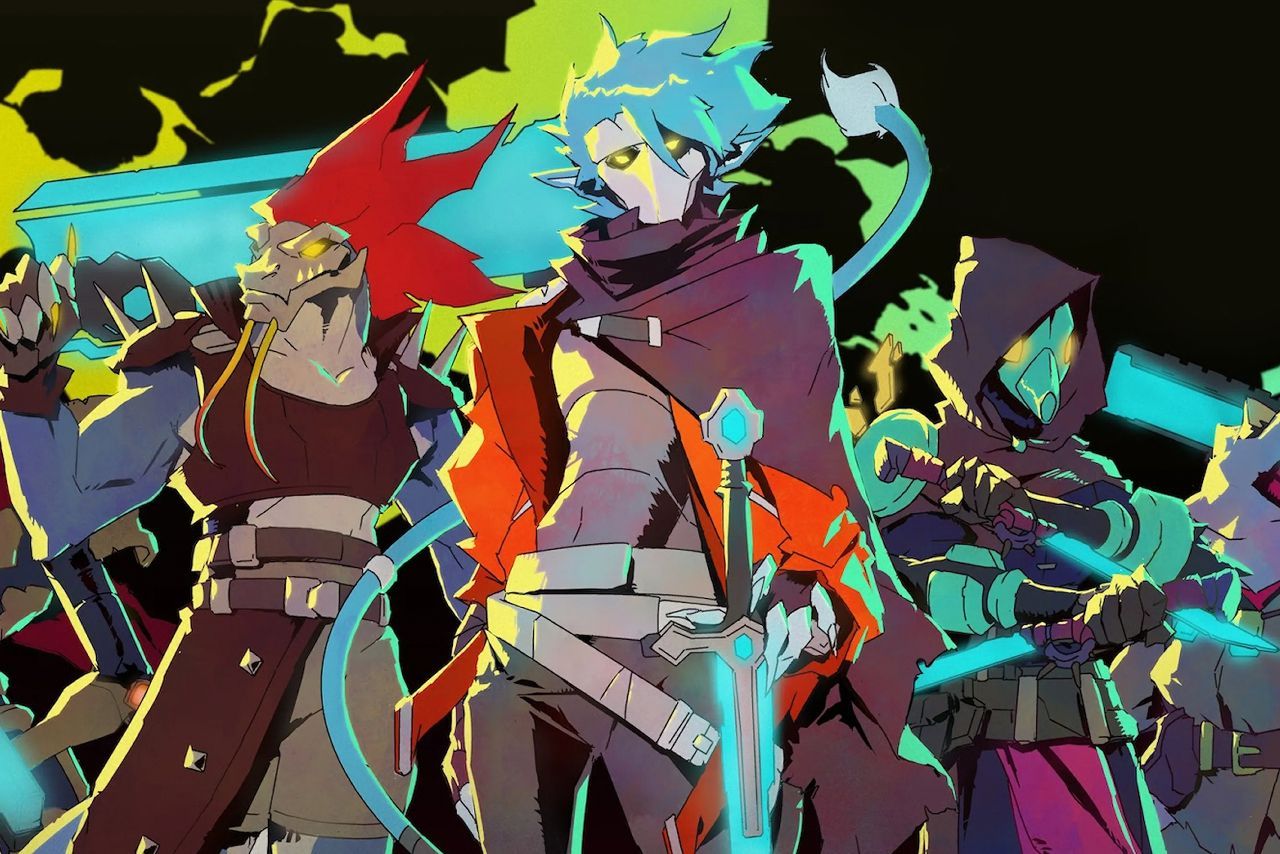
Image: gaming.news
A publisher pullout has left Heart Machine without a clear lifeline
Heart Machine, the studio behind Hyper Light Drifter, has laid off “nearly everyone” after a publisher ended funding for an unannounced game, according to a September 16 LinkedIn statement from founder Alx Preston cited by IGN, Kotaku, Shacknews, DayOne, ComicBook.com, PC Gamer, and GamesRadar+.
The most important detail is also the most frightening one for anyone who has followed the studio since its neon-scarred 2016 breakout. Preston said Heart Machine had been working on an unannounced title funded by a publisher, but that the publisher “decided to no longer move forward with it.” Without that income, and without “any other immediate prospects or other funds,” the studio had to cut almost its entire team.
Preston described the situation plainly: “It’s devastating.” He also wrote that affected staff would be given “as much support as possible,” including help with job placement, and asked people aware of open roles for “extraordinarily talented, kind people” to reach out.
This is a Heart Machine closure risk story, not a confirmed closure. Preston did not announce that the studio is shutting down. He did, however, say he is “not sure yet how or if Heart Machine survives,” while adding that the remaining team will “keep pushing to build a path.” That distinction matters. Heart Machine is still searching for some route forward, but the financial scaffolding underneath the studio has visibly buckled.
No source material names the publisher that withdrew support. No outlet cited here reports the title, genre, platforms, planned release window, budget, cancellation terms, or whether Heart Machine retains any rights to the unannounced project. For now, the confirmed fact is narrower and sharper: a publisher-funded project was pulled, the income gap was immediate, and the Hyper Light Drifter studio responded with mass layoffs.
What is confirmed, and what remains unannounced
The public record currently rests on Preston’s LinkedIn statement and the reporting around it. IGN says the post was shared on September 16, 2026. Kotaku quotes the same statement, including Preston’s line that the studio lacked “any other immediate prospects or other funds.” Shacknews similarly reports that the publisher pulled out of Heart Machine’s project, leaving the team with no clear path forward.
The word “nearly” is doing a lot of work here. None of the provided sources gives an exact headcount, the number of employees affected, the number still employed, or the departments hit. We also do not have a breakdown of severance, benefits, contractor impact, or how long job-placement assistance will continue. Preston’s statement confirms the intent to support affected workers; it does not provide the operational details workers and peers often need in the days after layoffs.
It is also important not to accidentally turn an unannounced game into a canceled, fully described product. The project had publisher funding and then lost it. That is all the source material confirms. There is no confirmed connection to Hyper Light Drifter, Hyper Light Breaker, Solar Ash, or Possessor(s). There is no reported title, no footage, no store page, and no platform list.
Several outlets frame the situation as perilous. IGN says Heart Machine is in “dire straits.” Shacknews says the studio appears to be “on life support” and “on the brink of shutting down.” ComicBook.com says the company may have to close its doors. Those are reasonable readings of Preston’s own uncertainty, but they are still readings of an unresolved situation rather than a closure announcement.
For players, that means there is no confirmed change in availability for Heart Machine’s existing games in the provided sources. Hyper Light Drifter, Solar Ash, Hyper Light Breaker, and Possessor(s) are part of the studio’s public history, but the layoff reports do not say that any delistings, server shutdowns, refunds, ownership transfers, or support cutoffs have been announced because of this new funding collapse.
Heart Machine’s last decade makes this hit feel especially cruel
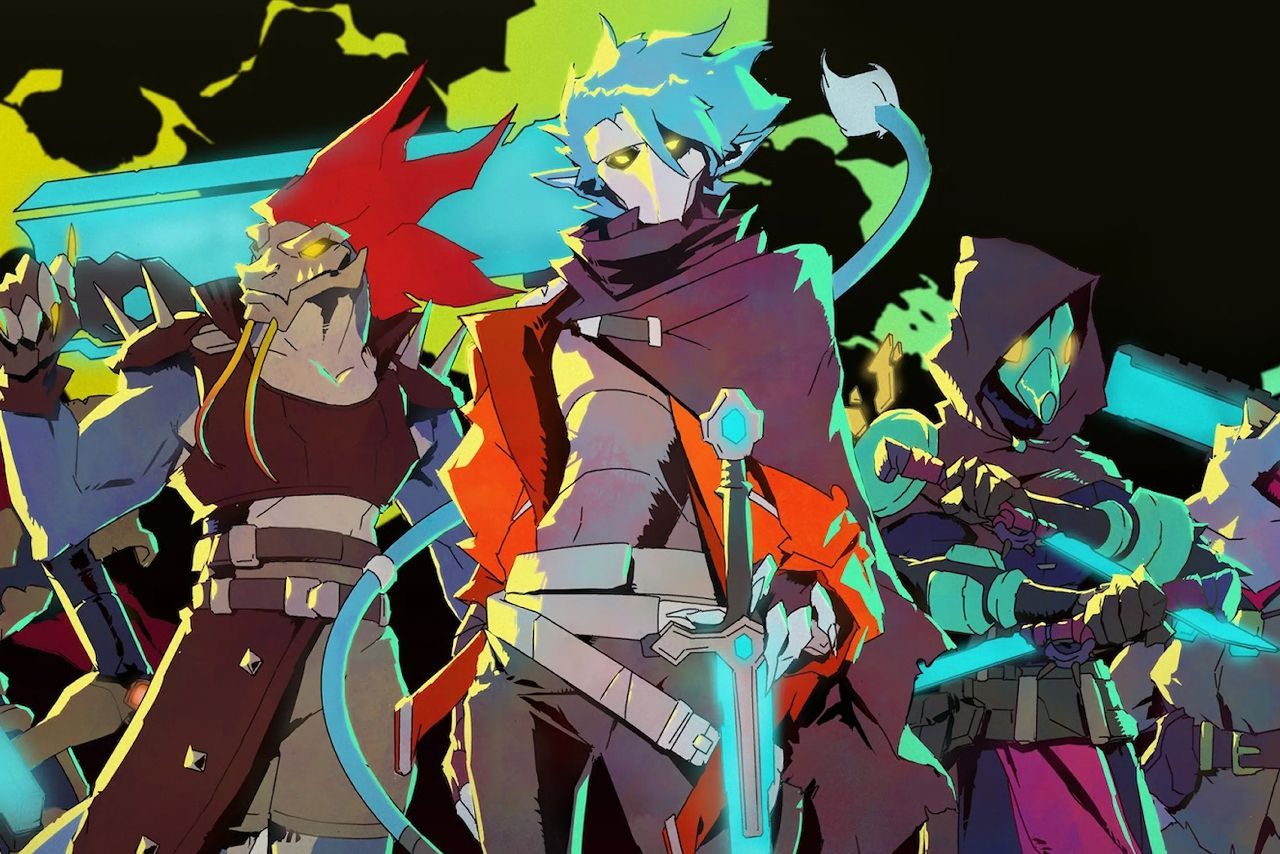
Heart Machine’s identity was built on games that felt handcrafted even when they changed form. Hyper Light Drifter, released in 2016, is described by IGN as a heavily stylized 2D action game and a cult classic, with the outlet praising it as a “gorgeous, fast, fluid trek in a neon apocalypse.” Kotaku points to its retro pixel art, moody top-down environmental storytelling, and soundtrack as key reasons it won fans.
That legacy still matters because Hyper Light Drifter was the kind of indie success that can define a studio for years. It gave Heart Machine a visual language: lonely worlds, readable silhouettes, danger expressed through color and motion, and combat that asked players to learn space rather than memorize menus. For platformer and action fans, that was the magic. Heart Machine’s best work carried the feeling of discovery through movement.
The studio did not stay in one lane. Kotaku notes that Solar Ash marked an ambitious move into 3D, with strong platforming and a similar sense of atmosphere. DayOne, citing its own Solar Ash review, called the game “short, sweet, and a little too repetitive,” while praising its visuals, music, and story enough to recommend checking it out through Game Pass at the time of that review. That mixed framing is useful: Heart Machine kept stretching, but not every stretch produced the same breakout force as Hyper Light Drifter.
Then came Hyper Light Breaker, a return to the Hyper Light universe through a different design bet. Kotaku describes it as a loot-based roguelite action-RPG that did not impress and eventually “petered out” in Early Access. ComicBook.com says Hyper Light Breaker did not generate the success Heart Machine needed, and that its ongoing development was canceled less than a year after release. DayOne reports that the game launched in January 2025 after multiple delays and was canceled by October because of funding issues among other reasons. Shacknews says Heart Machine had already announced it would wind down development after several months in Steam Early Access, a move tied to substantial layoffs.
There is a small timeline tension in the source material, since Kotaku refers to “2024’s Hyper Light Breaker,” while DayOne and ComicBook.com place its release in 2025. The shared point across the reports is clearer than the date discrepancy: Hyper Light Breaker did not become the stabilizing successor Heart Machine needed, and its winding down preceded the latest crisis.
Possessor(s) showed the studio was still making sharp, risky action games
The tragedy of the current Heart Machine layoffs is sharpened by the fact that the studio was still releasing distinctive work. IGN identifies Heart Machine’s most recent offering as Possessor(s), a search-action game released in November 2025. Shacknews notes that Possessor(s) was published by Devolver Digital. IGN says it received mostly positive reviews from fans and cites Matt Kim’s description of it as a “fast-paced action-adventure” with “rapid-fast” combat, including the memorable image of wielding a computer mouse like a whip.
Kotaku’s read was harsher, calling Possessor(s) a side-scrolling Metroidvania with clunky controls that felt rushed out. That contrast is worth keeping rather than sanding down. Heart Machine’s recent output seems to have landed unevenly: some players and critics still found the studio’s kinetic imagination, while others saw friction, haste, or unfinished potential.
That is often where small-studio games live. Mechanics can be brilliant at the edges and brittle at the seams. Hyper Light Drifter’s combat worked because its world, enemy reads, movement, and mystery all spoke the same language. When a studio moves from top-down action to 3D traversal, then to co-op roguelite loot structure, then to side-scrolling search-action, the craft challenge changes every time. So does the business risk.
Possessor(s) matters in this story because it shows Heart Machine was not dormant. The studio had shipped recent work, had partnered with a known publisher in Devolver Digital on at least that title, and was apparently trying to move forward with another publisher-funded project. The new layoffs were not caused by a studio with no creative direction in public view. According to Preston, they were triggered by the collapse of a specific funding arrangement that had become essential to keeping the team employed.
For Hyper Light fans, that makes the situation feel less like a neat arc and more like a hard interruption. A beloved studio tried multiple forms after its defining hit. Some connected, some struggled, and the next unknown attempt lost its backing before the public even learned what it was.
For players, there is no roadmap to wait on yet
The practical question for fans is simple: should anyone expect a new Heart Machine game, a Hyper Light Drifter follow-up, or a recovery plan soon? The provided sources do not support that expectation.
Preston says the studio will keep trying to build a path, but no new funding partner, crowdfunding campaign, acquisition, publishing agreement, Patreon relaunch, or emergency roadmap has been announced in the source material. Kotaku notes that Heart Machine had a short-lived pivot to Patreon that shut down earlier in 2026, but the current reports do not say that Patreon or fan funding is returning.
ComicBook.com floats the possibility that Heart Machine’s goodwill and cult following could help it find fan funding or another publisher, but that is framed as a possible path, not a reported development. The same outlet warns that without a quick solution the studio could close in the near future. Again, that is a forecast based on Preston’s statement, not a confirmed shutdown date.
If you are a Hyper Light Drifter fan looking for a concrete action, the only confirmed reader guidance is to separate support for existing games from expectations about future output. The layoff reports do not announce new content for Hyper Light Breaker. They do not announce Possessor(s) updates. They do not announce a new Hyper Light project. They do not say existing games are disappearing. Buying or replaying Heart Machine’s released catalog may be a personal way to engage with the studio’s work, but the sources do not claim that doing so will reverse the layoffs or guarantee survival.
For affected developers, the clearer call came from Preston himself: the studio is trying to assist with placement and is asking people with relevant job leads to reach out. In the immediate term, the human story is employment, not franchise speculation. Hyper Light fans can mourn the uncertainty without turning laid-off workers into a cliffhanger for the next game announcement.
The indie financing lesson is uncomfortable and familiar
This latest round of indie game layoffs exposes a brutal financing problem: a studio can have a beloved game, a recognizable name, recent releases, and a publisher-backed project, yet still be one withdrawn deal away from mass layoffs.
The sources do not provide Heart Machine’s financials, so it would be wrong to claim we know the full cause of the studio’s vulnerability. What Preston’s statement does confirm is that the unannounced publisher-funded project was “key income” and that there were no other immediate prospects or funds sufficient to avoid layoffs. That is enough to show how fragile project-based financing can become when payroll depends on the next milestone, the next contract, or the next external greenlight.
This is especially painful for studios with strong creative identities. Hyper Light Drifter gave Heart Machine a lasting reputation, but reputation is not the same as runway. A cult classic can build a community and still fail to fund several ambitious projects indefinitely. Solar Ash, Hyper Light Breaker, and Possessor(s) show a studio chasing scale, genre shifts, and fresh mechanical identities. Those choices can produce exciting games. They can also lengthen development, complicate marketing, and make each launch carry more financial weight.
IGN places Heart Machine’s cuts within a broader pattern, noting that Double Fine laid off around 25 percent of its staff after becoming independent following Xbox restructuring. The situations are not identical, and the provided sources do not draw a direct business link between them. Still, the comparison underscores a colder market for studios that once might have seemed protected by reputation, critical affection, or a distinctive catalog.
For Heart Machine, the unanswered questions now define the story. Can a smaller remaining team preserve the company? Could another publisher pick up the unannounced title or fund a different one? Are the studio’s existing IP rights, including Hyper Light, part of any possible rescue strategy? None of that is confirmed.
What is confirmed is stark enough: the Hyper Light Drifter studio lost publisher funding, laid off nearly everyone, and may not survive. For fans of small games with sharp edges and strange worlds, that is a reminder that discovery has an economy behind it. When that economy breaks, even the brightest pixel art can go dark.