

Hatsune Miku Starry Party is coming to Nintendo Switch 2 and PC in 2027, but its party-action pitch leaves big questions for rhythm game and Vocaloid fans.
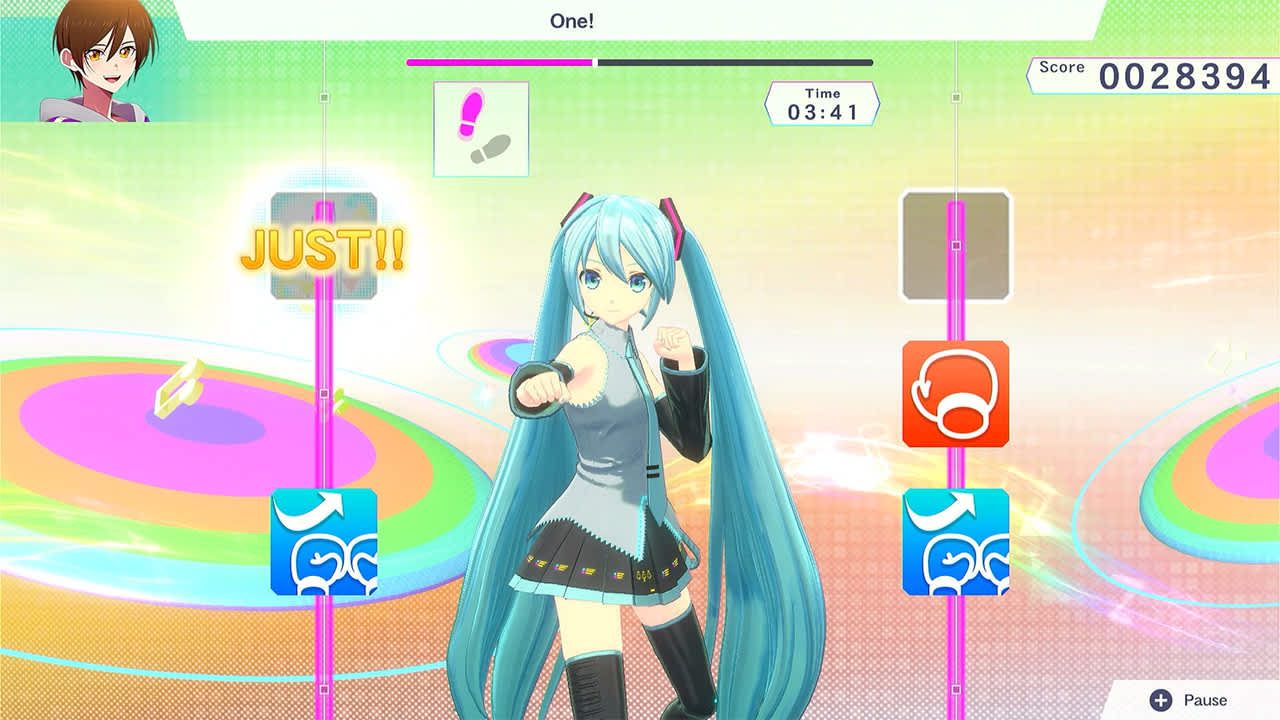
Image: nintendo.com
A 2027 Switch 2 Miku game, with one big genre question
Hatsune Miku Starry Party is in development for Nintendo Switch 2, with a 2027 launch window confirmed in the announcement coverage from Nintendo Everything and Gematsu. The immediate hook is clear: Good Smile Company is bringing a new Hatsune Miku game to Nintendo’s next system. The tension is just as important: this is being described as a party action game, not as a new entry in the rhythm-action lane many Hatsune Miku game fans instinctively expect.
Gematsu reports that Hatsune Miku Starry Party will launch for Switch 2 and PC via Steam in 2027, with English, Japanese, Traditional Chinese, and Simplified Chinese language support. Anime News Network also reports a Switch 2 and PC release, naming Crypton Future Media and Good Smile Company in connection with the release. Nintendo Everything’s report focuses on the Switch 2 version and says Good Smile Company revealed the game.
That platform split matters for readers searching for Hatsune Miku Switch 2 news. Starry Party is currently announced for Nintendo Switch 2 and PC, but the reports do not list the original Switch, PlayStation, Xbox, mobile, or any upgrade path. For Nintendo players, that makes it a Switch 2-native announcement rather than another late-life Switch release with a future patch attached.
What has actually been announced so far
The confirmed public details are still thin. Hatsune Miku Starry Party has a 2027 release window, Switch 2 and PC via Steam are the reported platforms, and the game will support English, Japanese, Traditional Chinese, and Simplified Chinese. It has been described as a 3D party action game, according to Anime News Network and VGTimes, while Nintendo Everything says it remains mostly a mystery beyond that genre description and language support.
Anime News Network reports that players control characters from the Hatsune Miku cast and take part in party games. The characters are stylized as Nendoroid figures, tying the game directly to Good Smile Company’s collectible identity. ANN names Rin, Len, Luka, Meiko, and Kaito alongside Hatsune Miku, while also noting that more characters were teased. Gematsu links the announcement to Good Smile Company’s official Starry Party social post and lists the same broad release window and language support.
The announcement trailer also carries a musical signal for longtime fans. Anime News Network reports that the trailer features “StargazeR” by Kots Beirne feat. Hatsune Miku. That is not the same as confirming a rhythm game structure, a soundtrack list, a song selection mode, or performance mechanics. For now, music is present in the reveal, but the gameplay label points toward party action.
Switch 2’s rhythm appeal now has a Miku-shaped wrinkle
The most interesting part of the Hatsune Miku Starry Party announcement is that it sits next to, rather than cleanly inside, the rhythm game expectations around Miku. Hatsune Miku’s gaming history is strongly associated with music interaction, especially through series such as Project DIVA. VGTimes frames Starry Party as a genre shift from that rhythm-action focus toward party play, with cooperative challenges and friendly competition. That description is consistent with the broader “party action” label, but the exact rules, timing mechanics, minigame count, scoring systems, and multiplayer structure have not been detailed.
That leaves Nintendo Switch 2 rhythm games watchers in an unusual position. A new Miku title on Switch 2 strengthens the system’s appeal to Vocaloid fans, yet it may not satisfy the same itch as a precision chart-based rhythm game. If Starry Party leans into timing, music cues, and character performance, it could overlap with what Miku players already love. If it behaves closer to a light multiplayer party collection, then it becomes a different kind of fan product, one built around the cast, the Nendoroid look, and social play.
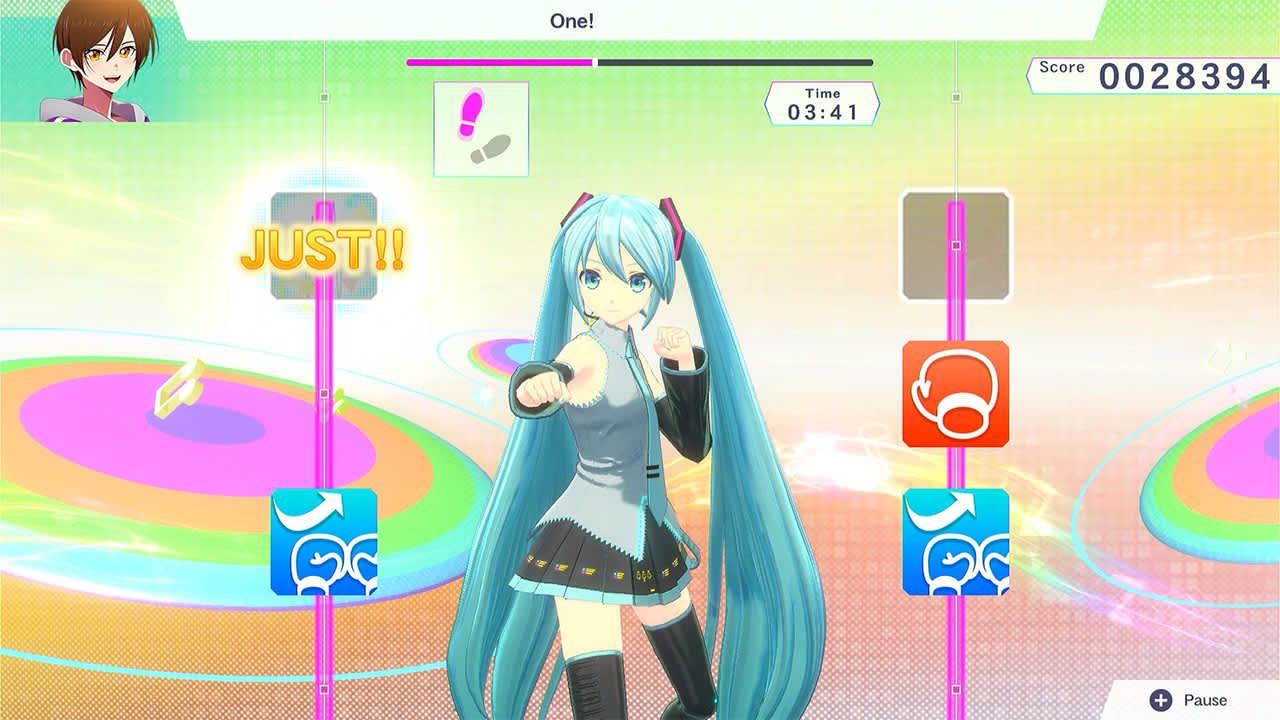
Nintendo’s own store ecosystem already has visible Miku presence through titles such as Fitness Boxing feat. HATSUNE MIKU, represented in Nintendo store assets. Starry Party’s announcement suggests that Miku will continue to have a place around Nintendo hardware as Switch 2 builds out its library. The practical question is whether this new game becomes a rhythm-adjacent party release or a full pivot toward minigame variety.
Nendoroid style is the clearest design statement
Good Smile Company’s involvement gives Hatsune Miku Starry Party its sharpest early identity. According to Anime News Network, the characters are presented as Nendoroid figurines, with Miku joined by Rin, Len, Luka, Meiko, and Kaito. That aesthetic does more than make the cast cute. It changes how animation, readability, and stage design are likely to work in a party-action format.
Chibi proportions can help a party game communicate quickly. Oversized heads, compact bodies, bold silhouettes, and toy-like staging can make crowded local play easier to parse, especially if several characters are competing or cooperating in the same arena. None of that confirms how Starry Party controls or how chaotic its minigames will be, but it explains why the Nendoroid approach fits the announced genre more naturally than a realistic concert-performance model would.
There is also historical texture here. VGTimes notes that this is the first official Nendoroid-style Vocaloid game since Project Mirai on Nintendo 3DS. That comparison will mean a lot to longtime Nintendo handheld players, although it should not be read as a promise that Starry Party will play like Project Mirai. The announced genre is different, the platform is different, and the known details are too limited to assume a spiritual sequel.
The missing details Miku fans will track closely
For a dedicated Hatsune Miku audience, the announcement is only the starting line. The Miku Starry Party release window is currently broad, with 2027 listed and no specific date. None of the announcement reports from Nintendo Everything, Anime News Network, Gematsu, or VGTimes include a price, file size, physical edition plans, Switch 2 performance target, online multiplayer confirmation, local player count, controller requirements, or supported Switch 2 features.
The biggest unanswered design question is how musical the game actually is. The trailer song confirms a Miku track in the reveal, but the reports do not confirm playable songs, rhythm charts, a music library, custom performance modes, or any Project DIVA-style structure. Fans should treat “party action game” as the confirmed genre until Good Smile Company or Crypton Future Media shows mechanics in detail.
Platform clarity is another watch point. PC via Steam appears in Gematsu’s report, while Nintendo Everything’s article centers the Nintendo Switch 2 announcement. That is not a contradiction so much as a difference in focus, but it does affect buying plans. Anyone hoping to play on the original Switch should wait for an official platform expansion, because the current reports name Switch 2 and PC only.
A fanbase built for close reading
Hatsune Miku is unusually suited to this kind of announcement scrutiny because the character is bigger than any single game format. Nintendo Everything quotes Crypton Future Media’s background description of Hatsune Miku as music software that lets users make a computer sing by entering lyrics and melodies. Crypton’s description says the software became a cultural phenomenon as users posted music online, and that Miku expanded into merchandising and live performance as a virtual singer.
That context helps explain why a Nendoroid party game can still feel relevant to the same audience that follows songs, concerts, figures, collaborations, and rhythm games. Siliconera’s recent coverage of a FuRyu Flower Fairy Hatsune Miku noodle stopper figure, available worldwide, is a reminder that Miku fandom is also a collector culture with a strong appetite for alternate designs and character presentation. Starry Party’s Nendoroid direction plugs directly into that visual side of the fandom.
Still, the most devoted fans are also the least likely to accept a vague label at face value. They will want to know which characters are playable, whether costumes are included, how music is used, how many modes are available, whether online play exists, and whether the Steam and Switch 2 versions are feature-identical. Until those details arrive, Hatsune Miku Starry Party is best understood as a promising but lightly defined Switch 2 and PC announcement.
Should Switch 2 owners put it on the watchlist?
Yes, with the right expectations. Hatsune Miku Starry Party is one of the clearer signs so far that the Hatsune Miku Nintendo connection will continue into the Switch 2 era, and the 2027 window gives Good Smile Company and Crypton Future Media time to clarify the game’s shape. For players who love Miku as a character, the confirmed Nendoroid styling and cast list already give the project personality.
For rhythm players, caution is healthy. Nothing in the confirmed reporting establishes Starry Party as a traditional rhythm game. It may end up carrying music through its presentation, minigames, and soundtrack rather than through chart mastery. That could still work beautifully on Switch 2 if the minigames are tight, readable, and tuned for repeat local sessions, but it is a different buying question than “is this the next Project DIVA?”
The smart move is to watch for the next official update: gameplay footage, mode details, player count, online support, release date, and pricing. Hatsune Miku Starry Party has the right ingredients to catch both Miku fans and Switch 2 party-game players. Now it needs the mechanical clarity that turns a charming reveal into a confident pre-order.