
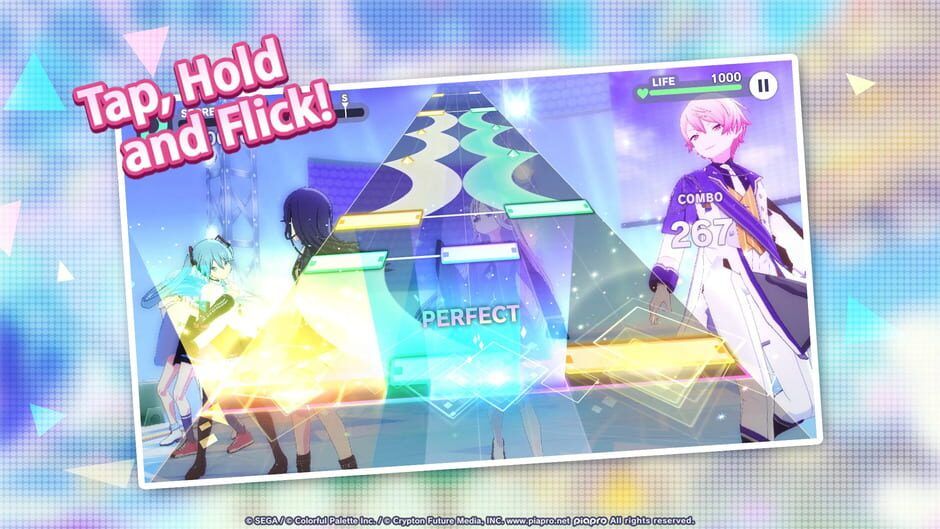

Breaking down how Mysekai’s build, social, and progression systems quietly turn Hatsune Miku: Colorful Stage! into a hybrid rhythm and virtual-life game, and what that means for the future of music gacha design.
Hatsune Miku: Colorful Stage! has always walked a line between rhythm game, gacha collector, and character-driven visual novel. With the new Mysekai update, it finally steps into something bigger. This is no longer just a song list with story chapters attached. Mysekai reframes Colorful Stage! as a hybrid rhythm and virtual-life game built around daily routines, cozy customization, and long-term relationship building.
In a genre where “music gacha” often means doing your dailies, clearing an event song grind, and logging off, Mysekai feels like a conscious attempt to keep players living in the game instead of just visiting it for a few tracks. To understand why this update matters, you have to look closely at how its build systems, social touches, and progression hooks are woven back into the core song and challenge loop.
What Mysekai Actually Is
On paper, Mysekai is a new mode that gives every player a personal “Sekai,” a private shard of the game’s emotional world. In practice it plays like a compact life sim slipped inside a rhythm game.
You drop into your own space as a virtual avatar and immediately start doing things that look more like Animal Crossing or a dorm system from character gachas than a standard song menu. There are nodes where you can harvest materials, a crafting interface to turn those materials into furniture, and an interior layout grid where you place and rotate items to build out rooms. As you progress, Mysekai rank unlocks more areas to gather from, more furniture slots, and extra rooms to decorate.
Nothing in Mysekai happens in isolation. The mode revolves around the idea that this is your version of a Sekai, the same kind of inner world that powers the main story. The difference is that instead of watching characters work through their feelings in cutscenes, you build a physical space that those feelings inhabit. That space is also where the update begins to reshape how you relate to the music.
Building Your Sekai: Materials, Furniture, and Rank
The build loop in Mysekai is simple but layered enough to be sticky. You head out into your Sekai to gather raw materials from designated spots. These resources are then fed into recipes to craft furniture and decorative items. Placing those pieces satisfies missions, improves the feel of your layout, and raises your Mysekai rank.
Rank is the backbone of the system. Every bump in rank expands what you can do. New gathering areas open, letting you farm better or more specialized materials. Placement caps go up so you can cram more furniture into a room. Additional rooms unlock so your Sekai can evolve from a starter hangout into something closer to a full multi-area base.
That progression matters because it gives furniture and crafting a tangible reason to exist beyond simple decoration. Rooms are not just showpieces to snapshot for social media. They are engines that feed into other systems. The more you invest, the more your Sekai supports character visits and the rewards tied to those visits, which is where the mode’s virtual-life identity really kicks in.
Social Life in Mysekai: Visitors, Gates, and Memoria
Once you start populating your Sekai with furniture, the cast of Colorful Stage! begins to treat it like a real place. Characters visit through specific “gates” tied to different groups and worlds. A gate might be associated with a particular band or theme, and ranking it up increases both the number of visitors and the quality of the boosts they bring.
When characters show up, they do more than stand in a corner as animated trophies. They walk around the room, comment on the furniture you have placed, interact with objects, and occasionally trigger bits of conversation. Talk to each visitor once per day and you earn a special resource called Memoria, a currency unique to Mysekai that reflects these day-to-day interactions.
The daily cadence is deliberate. Instead of bursting through everything in a single sitting, Mysekai encourages a slow rhythm of checking in, tweaking furniture, chatting with whoever dropped by, and collecting that day’s Memoria. It feels closer to logging into a social sim than queueing up a standard set of rhythm-game dailies.
Photo features help underline that tone. You can stage scenes with characters, snap in-game photos, and display them in frames inside your Sekai. That creates a subtle loop of “play decorator, hang out, immortalise the moment,” which is vastly different from the high-intensity focus of clearing Master charts.
How Mysekai Loops Back Into Songs and Challenges
None of this would matter much if Mysekai were just an isolated dollhouse. What makes the update significant is how the new systems plug back into Colorful Stage!’s core rhythm and challenge structure.
The first link is progression. Mysekai rank, gate upgrades, and the Memoria you earn from daily conversations all contribute to broader account development. Characters that visit can bring talent-related bonuses and other buffs that influence how efficiently you push the rest of the game. Spending time in Mysekai is not an aesthetic distraction. It is another path toward power and resources that support event grinding, high-score chasing, or team building.
The second link is thematic. Colorful Stage! has always framed its songs as expressions of inner feelings inside each Sekai. Mysekai literalizes that concept by letting you shape a physical version of your world and then watch characters live in it. When you jump from decorating straight into a track that belongs to that unit, the flow is smoother, Story, space, and music feel like parts of the same loop instead of separate menus.
Over time, it is easy to imagine events that demand both sides of this hybrid design. Picture campaigns where you gather materials in Mysekai to build furniture that unlocks special story scenes, which then open limited missions or song modifiers. The blueprint is already there in the way Mysekai missions and rank progression intertwine with your overall advancement.
A New Model for “Music Gacha” Engagement
If you zoom out from Miku and friends, Mysekai reads like a clear statement about where mobile rhythm games are heading. For years, the dominant pattern in music gacha has been a cycle of log in, clear your stamina, auto-repeat the current event song, roll the banner, log out. Events might change backgrounds and offer new rewards, but they rarely alter the shape of your day.
Mysekai pushes back against that flat routine by giving Colorful Stage! a second axis of engagement. Instead of only grinding songs vertically for scores and currencies, you now move horizontally through a life sim layer that trades reflex challenge for creative expression and social presence. Decorating rooms, curating which furniture to craft next, checking which unit is hanging out in your Sekai, and lining up the perfect screenshot are all actions that cannot be automated or easily sped through.
This matters for retention. A well-built space is something you become attached to. Daily conversations and photos turn gacha characters from static cards into guests you feel responsible for hosting. Even if you are burnt out on a particular event or not in the mood to chase full combos, there is still a low-pressure reason to open the app, harvest a few materials, and see who stopped by.
At the same time, Mysekai demonstrates a direction that other music gachas are likely to explore. It is more flexible and monetizable to sell furniture sets, themes, and photo props than to rely solely on card banners. It creates reasons to log in that do not hinge on hardcore play or current event pacing. And it broadens the target audience to include players who might be more invested in decorating and social play than in 26-key slide patterns.
Where Colorful Stage! Goes From Here
As a single update, Mysekai does not erase Colorful Stage!’s identity as a rhythm-first experience. High-difficulty charts, competitive scoring, and card building still sit at the center of its design. What it does is redefine the surrounding structure into something closer to a virtual-life platform where songs, stories, spaces, and social rituals all feed one another.
Looking forward, the most interesting question is how aggressively SEGA and Colorful Palette lean into that hybrid identity. The infrastructure is now in place for events that stress-test both halves of the game at once, for collaborative campaigns built around communal building goals, and for long-term progression systems that stretch well beyond a typical event cycle.
Regardless of which path they choose, Mysekai already feels like a turning point. It is the moment Hatsune Miku: Colorful Stage! stops being just another polished entry in the music gacha lineup and starts to resemble a place you live in, one daily conversation, crafted sofa, and perfectly timed screenshot at a time.