
Hasbro has recorded a $56 million impairment tied to several cancelled games planned for 2028 and beyond, while Exodus and Warlock remain slated for 2027.
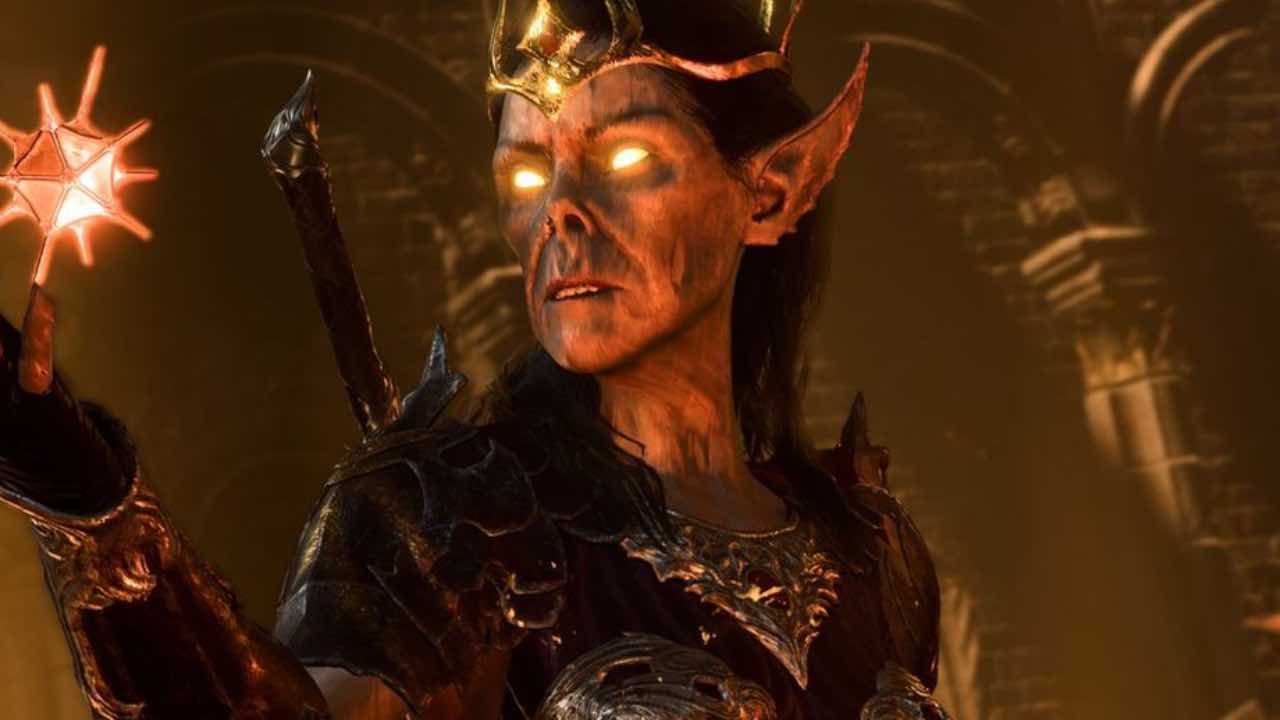
Image: frvr.com
Hasbro’s $56 million charge narrows its future games slate
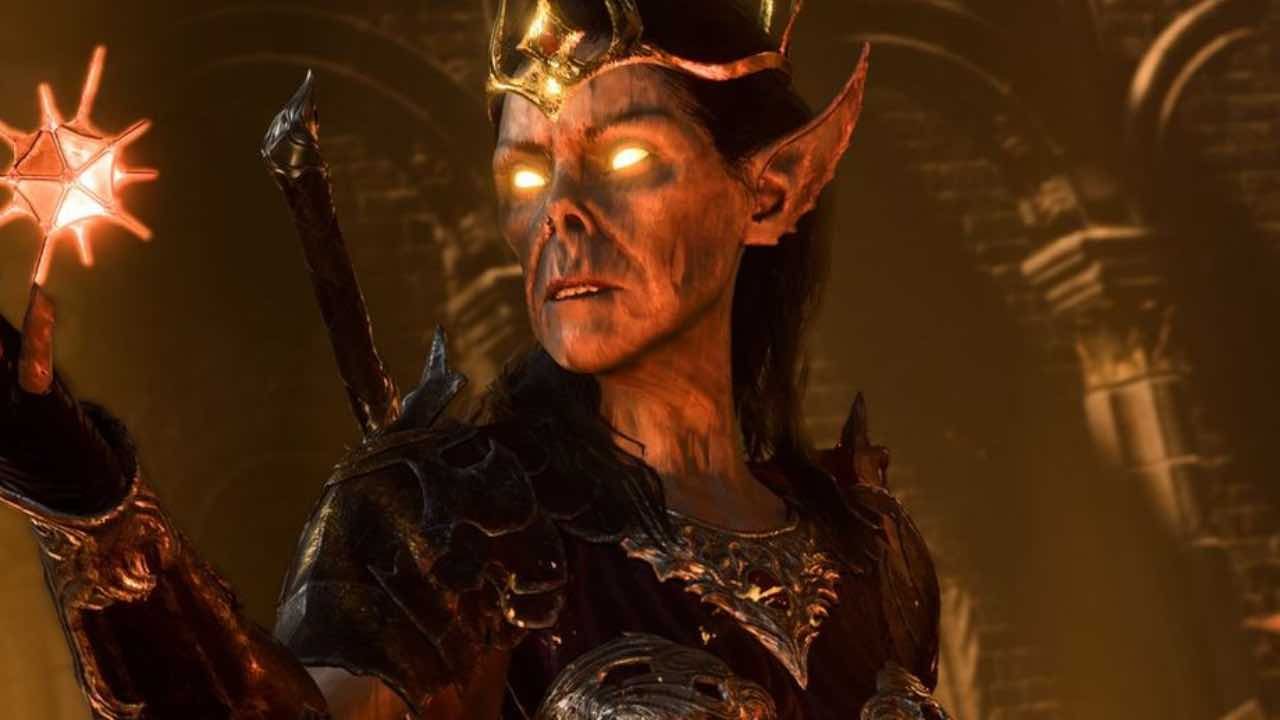
Hasbro has recorded a $56 million impairment in its latest financial results, a charge Rock Paper Shotgun reports is tied to the cancellation of “several games scheduled for release in 2028 and beyond.” The immediate tension is clear: the company that owns Wizards of the Coast, and therefore the Dungeons & Dragons and Baldur’s Gate rights, is cutting back parts of the very digital games pipeline it had been building after Baldur’s Gate 3 became a defining licensed success.
An impairment is an accounting recognition that assets are now worth less than previously carried on the books. In this case, according to Rock Paper Shotgun’s reading of Hasbro’s financial materials, the Hasbro $56 million charge reflects value lost from projects the company no longer plans to proceed with. Hasbro has not publicly named every affected game in the source material provided, which matters because the company’s visible fantasy and sci-fi slate includes projects that fans have already started tracking closely.
The confirmed impact is therefore narrower than the anxiety around it. Hasbro cancelled games planned for 2028 and later. Hasbro also told Kotaku, in a statement quoted by Rock Paper Shotgun and TheGamer, that Exodus and Warlock: Dungeons & Dragons remain slated for 2027. That leaves a thinner long-range portfolio, but it does not confirm a direct hit to either of those named 2027 releases.
Exodus and Warlock are the named survivors, at least for now
The strongest reassurance in Hasbro’s statement is specific. “Exodus and Warlock, slated for 2027, both meet the bar we are setting for owned publishing: big audience potential, strong genre fit, franchise potential and meaningful opportunities beyond the initial game,” Hasbro told Kotaku, as quoted by Rock Paper Shotgun.
For players following Archetype Entertainment’s Exodus, that makes the current status relatively clear within the limits of the statement: the Exodus game is unaffected by this 2028-and-beyond cancellation charge, according to Hasbro’s public position. The same applies to Warlock: Dungeons & Dragons, which Hasbro also described as a 2027 title that still fits its owned-publishing criteria.
There are practical limits to that reassurance. The provided source material does not include new platform, price, system requirement, or launch-window details for either game beyond the 2027 timing. It also does not provide updated gameplay scope. For RPG players, that leaves the important build-level questions unanswered: how progression works, how party or character choice is structured, how much systemic reactivity either project is targeting, and whether Warlock is positioned as a traditional D&D RPG or a different kind of Dungeons & Dragons adaptation. What is confirmed is business-side survival inside Hasbro’s current portfolio review, not a fresh design reveal.
What Hasbro has and has not said about the cancelled projects
Hasbro’s wording is careful. In the statement to Kotaku quoted by Rock Paper Shotgun, the company said, “We regularly evaluate our digital games portfolio to ensure we’re investing behind the titles and platforms with the clearest path to long-term success.” It continued: “As part of that ongoing work, we’ve made the decision to no longer proceed with select Digital Games projects, reflecting our refocused portfolio for 2028 and beyond.”
That confirms a portfolio refocus and multiple cancellations. It does not identify the cancelled titles. Rock Paper Shotgun, citing Kotaku, notes that one likely candidate is the Dungeons & Dragons action-adventure game from Giant Skull, the studio led by Star Wars Jedi: Fallen Order director Stig Asmussen. Hasbro had already confirmed in May that it had cancelled its publishing deal for that game, according to Rock Paper Shotgun. That makes Giant Skull’s project a plausible part of the impairment story, but the provided sources do not show Hasbro explicitly tying that project to the $56 million figure.
There is another unresolved thread around Atomic Arcade. Rock Paper Shotgun notes that the GI Joe game maker was shuttered by Hasbro earlier this year, while Hasbro said at the time that the game itself had not been cancelled as a result. On the current record, that leaves the GI Joe project’s fate murky rather than settled. Treating it as definitely cancelled would go beyond the sources. Treating it as unaffected would also go beyond them.
The Baldur’s Gate future is the loudest unanswered question
The charge does not announce anything about a new Baldur’s Gate game. It also does not cancel one, because no next Baldur’s Gate entry is identified in the provided source material as part of the affected 2028-and-beyond projects. The uncertainty comes from where Hasbro sits in the chain: it is the parent company of Wizards of the Coast, the holder of the Dungeons & Dragons and Baldur’s Gate IP, and Baldur’s Gate 3 is the most visible example of how powerful those licenses can be in the right studio’s hands.
Rock Paper Shotgun frames the “elephant in the room” as finding a studio to take on the next Baldur’s Gate entry after Larian’s success with Baldur’s Gate 3. That is an interpretation grounded in the business context, not a confirmed product update. No source material here names a developer, release year, platform plan, or design direction for Baldur’s Gate 4 or any equivalent follow-up.
That distinction is important for players reading headlines about Hasbro cancelled games. Baldur’s Gate’s future is uncertain because Hasbro’s internal strategy is changing and because the next steward has not been publicly identified in these sources. It is not confirmed to be imperiled by the $56 million charge. The safer conclusion is that Hasbro still values the Baldur’s Gate and D&D ecosystem, while becoming more selective about which large games it funds directly.
Hasbro appears to be shifting from in-house ambition to selective publishing
The wider strategic signal is that Hasbro is tightening the criteria for games it owns and publishes. Rock Paper Shotgun reads the move as a lean back toward partnership and licensing deals, the kind of approach that produced Monopoly Go! and Baldur’s Gate 3, while reserving internal backing for projects where Hasbro sees clearer upside. TheGamer, citing the earnings discussion, reports that Hasbro is looking toward more co-development and co-publishing with “lower-cost partners,” along with more service-oriented games and smaller, more focused content bets inside games.
That is a meaningful change for anyone watching Hasbro’s post-Baldur’s Gate 3 ambitions. A licensed RPG like Baldur’s Gate 3 succeeded through a specialist studio with a deep command of systemic role-playing, party dynamics, consequence-driven quests, and tactical combat. Building that capacity internally is a different challenge. It requires long timelines, expensive staffing, stable creative leadership, and the willingness to let complex RPG systems iterate for years.
Hasbro’s current statement suggests it is setting a higher bar for owned publishing. The company says Exodus and Warlock meet that bar because of audience potential, genre fit, franchise potential, and opportunities beyond the first release. Projects further out, especially those without a clear enough path to long-term success by Hasbro’s current standards, are now where the cuts have landed.
For RPG players, the near-term guidance is patience rather than panic
If you are waiting on Exodus, the current sourced answer is straightforward: Hasbro says it remains slated for 2027. If you are waiting on Warlock: Dungeons & Dragons, the same applies. Neither game has been named as part of the Hasbro $56 million charge, and Hasbro singled both out as fitting its owned-publishing strategy.
If your concern is the Baldur’s Gate future, the answer is less satisfying. The provided reporting does not confirm a new Baldur’s Gate project, a studio assignment, or a cancellation. The franchise’s next step remains unannounced in these sources. Given how much Baldur’s Gate 3’s appeal rested on authored choice, companion reactivity, build expression, and a studio willing to let D&D systems create messy outcomes, the identity of the next developer will matter as much as the license itself.
For now, the confirmed story is a business contraction around projects planned for 2028 and beyond. The interpretive story is that Hasbro is becoming more cautious about owning the whole risk of big games, even while keeping selected 2027 bets alive. Until Hasbro or Wizards of the Coast names the cancelled projects, announces a Baldur’s Gate successor, or updates Exodus and Warlock with firmer launch details, the responsible read is to separate the accounting charge from the speculation it has stirred.