
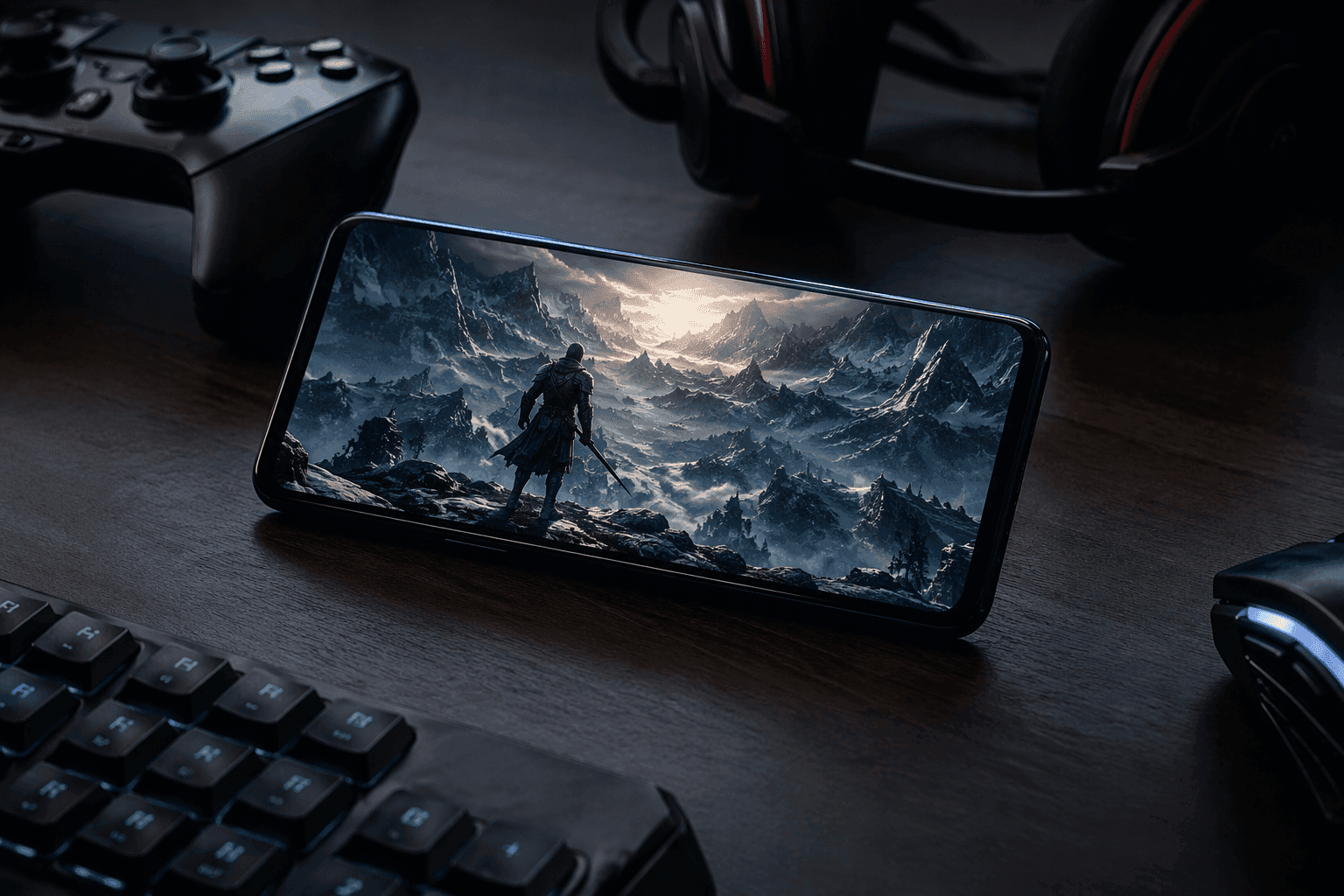
HandyGames is now THQ Nordic Mobile on the publishing side, a rebrand aimed at premium PC and console adaptations for mobile while HandyGames Studios keeps original development alive.
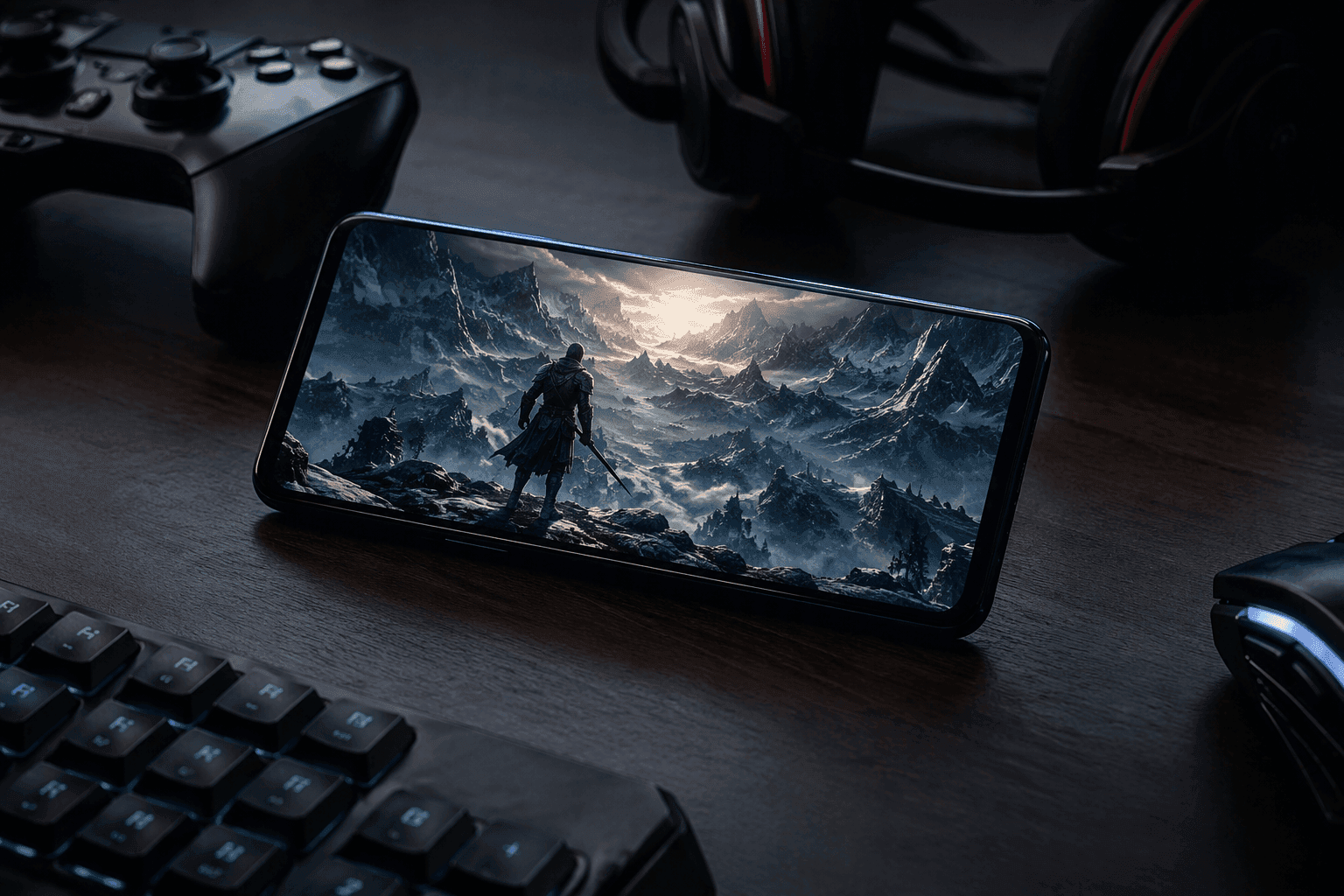
Image: prismnews.com
HandyGames becomes THQ Nordic Mobile, with one important split
HandyGames has rebranded its publishing operation as THQ Nordic Mobile, turning a long-running mobile name into a clearer label for premium PC and console adaptations on phones and tablets. The immediate tension is that the HandyGames name is not disappearing entirely. According to GamesIndustry.biz, the internal development studio in Giebelstadt, Germany, will continue operating under the HandyGames name while the publishing label moves under the wider THQ Nordic identity.
That distinction is the real story. This is not being presented by THQ Nordic as a shutdown, a leadership change, or a cancellation-driven reset. GamesIndustry.biz reports that co-founders Christopher Kassulke and Markus Kassulke remain in charge of both the new THQ Nordic Mobile publishing label and the HandyGames development studio. Insider Gaming, citing the August 7 press release, also reports that existing development pipelines, ongoing support for live titles, and current licensing agreements are intended to continue through the restructuring.
The confirmed change is therefore focused on brand architecture and publishing direction. HandyGames, acquired by THQ Nordic in 2018, becomes THQ Nordic Mobile for publishing. HandyGames Studios continues as the internal development team for original projects and technical support work. For players, the practical effect today is limited. For THQ Nordic’s mobile strategy, the signal is much larger: the company wants its mobile label to look less like a separate legacy business and more like the mobile arm of the THQ Nordic catalogue.
The new label is built around premium adaptations, not a broad mobile grab bag
The clearest confirmed strategy shift is focus. GamesIndustry.biz reports that THQ Nordic Mobile will concentrate on bringing premium PC and console titles to mobile platforms, with the company citing previous mobile versions of Wreckfest, SpongeBob SquarePants: Battle for Bikini Bottom – Rehydrated, and Titan Quest as examples of the territory it already knows. Gematsu describes the realignment as an “exclusive focus” on bringing “premium, critically acclaimed PC and console titles” to mobile.
That wording matters because it narrows the expected role of THQ Nordic Mobile. The label is not being positioned, at least in the source material, as a general mobile publisher chasing every possible format. It is being framed around adaptations from established games and franchises. Insider Gaming quotes the press release saying the move is meant to streamline publishing operations and accelerate “high-end adaptations of established gaming franchises for iOS, Android, and next-generation mobile platforms.”
Pocket Gamer connects the shift to HandyGames’ prior mobile porting work and also points to a recently announced Epic Mickey port as part of the same mobile-adaptation pattern. The sources do not provide a new slate, release schedule, pricing model, device requirement list, or performance targets tied to the rebrand. The confirmed direction is strategic rather than product-specific: THQ Nordic Mobile is being set up as the place where recognizable PC and console games are adapted for mobile audiences.
Tightening the brand solves a publishing problem before it solves a player problem
From a strategy view, the HandyGames rebrand is easiest to read as a reduction in brand friction. A mobile version of a known THQ Nordic-related PC or console game has a simpler identity if the publisher on the store page, press release, and partner pitch is THQ Nordic Mobile rather than a separate historic label that many players may not connect to the parent company. GamesIndustry.biz reports that the move consolidates publishing operations under the wider THQ Nordic umbrella so the company can expand into mobile adaptations from established franchises.
That consolidation is especially useful when the product being sold is familiarity. Premium mobile adaptations depend on players recognizing the source game, trusting that the conversion will respect it, and understanding why a mobile version exists alongside PC and console editions. A label called THQ Nordic Mobile communicates that relationship immediately. HandyGames carried its own 26-year history, as Insider Gaming notes, but the new name turns the mobile business into a direct extension of the parent publishing brand.
There is a tradeoff. HandyGames had credibility in mobile, particularly among players who followed its original games and ports over many years. The new structure protects some of that by keeping HandyGames Studios alive for original development. Still, the publishing face is changing because THQ Nordic appears to be prioritizing franchise recognition and portfolio alignment over the standalone value of the HandyGames publisher brand.
Continuity is part of the message to partners and current players
Rebrands in games often make players and partners look for hidden damage: canceled projects, abandoned live titles, licensing disruptions, or staff upheaval. The available reporting points in the opposite direction. THQ Nordic said existing development pipelines, live-title support, and current licensing agreements will continue unaffected, according to GamesIndustry.biz. Insider Gaming similarly reports that the reorganization is described as seamless for existing partners, developers, and players.
That continuity claim is important because premium adaptations are dependency-heavy. A mobile port can involve rights holders, original developers, platform partners, external QA, localization, and long-tail support obligations. A name change that breaks trust with any of those groups would undercut the exact strategy THQ Nordic Mobile is trying to pursue. Keeping Christopher and Markus Kassulke in charge of both sides of the operation also gives the restructuring a continuity layer beyond the public branding.
The 2018 acquisition provides the longer context. GamesIndustry.biz reports that THQ Nordic acquired HandyGames in 2018 and gained control of all HandyGames IP. In that light, the HandyGames rebrand looks less like a sudden takeover and more like a delayed integration of publishing identity after years of ownership. The company is now separating the outward-facing mobile publishing label from the internal studio name, which is a cleaner structure for a business that wants original development and franchise porting to coexist without sending mixed signals.
The hard part remains adaptation, not the new logo
The most difficult part of the THQ Nordic Mobile rebrand will not be whether players understand the name. It will be whether the games feel right on mobile hardware. GameDev.net’s briefing on the move highlights the developer-side implications: teams working on premium mobile ports often need platform-specific optimization, UI rework, input redesign, performance tuning, and monetization decisions that preserve the premium feel of the original game.
Those are not cosmetic problems. A game designed around a controller, mouse, keyboard, large display, or fixed console hardware profile can lose its identity when moved to a touchscreen device if the interface, readability, control scheme, and performance budget are treated as afterthoughts. The source material does not give technical details for future THQ Nordic mobile games, but the emphasis on “high-end adaptations” raises the standard by implication. Premium ports are judged against the memory of the original game, not against the average mobile time-killer.
This is where HandyGames Studios’ continued role could be strategically useful. According to GamesIndustry.biz and Gematsu, the Giebelstadt team will support THQ Nordic Mobile’s technical porting pipelines while continuing original development. That gives the rebrand a practical backbone. THQ Nordic Mobile can be the publishing identity for recognizable franchises, while HandyGames Studios supplies mobile development knowledge and porting support behind the scenes.
Players should expect clearer positioning, but not instant answers on price or platforms
For players, the safest read is narrow: the HandyGames THQ Nordic Mobile shift should make future mobile ports easier to identify as part of THQ Nordic’s publishing operation, but it does not automatically confirm any specific unannounced game, launch window, price, controller support plan, or device compatibility. The sources confirm iOS, Android, and “next-generation mobile platforms” as targets in the press-release language reported by Insider Gaming, VGChartz, and Gematsu. They do not define what those next-generation platforms are.
The rebrand also does not confirm a single pricing template. Pocket Gamer raises the open question of whether mobile adaptations will stay relatively cheap compared with their PC and console counterparts, but that is framed as an unanswered question rather than a publisher commitment. Given the stated premium direction, buyers should judge each release on its own store listing once price, supported devices, touch controls, controller support, download size, and performance notes are available.
Current owners of HandyGames-published titles have the clearest answer. THQ Nordic has said ongoing support for live titles and current licensing agreements will continue unaffected, according to GamesIndustry.biz. That does not guarantee every old game receives new updates, but it does mean the rebrand itself has not been reported as a reason for existing support to stop.
The open question is how aggressive THQ Nordic Mobile becomes
The THQ Nordic Mobile rebrand gives the company a cleaner strategic lane, but the scale of that lane is still unannounced. The source material confirms a focus on premium adaptations of established PC and console games. It confirms leadership continuity, ongoing support, and the survival of HandyGames Studios for original development. It confirms the company wants publishing operations consolidated under the THQ Nordic umbrella.
What remains unknown is the release cadence, the depth of the catalogue plan, and how the label will balance quality thresholds against the temptation to port recognizable names quickly. Premium mobile publishing can work when the adaptation respects the source game and the target device. It becomes risky when a console-first design is forced onto a phone without enough interface, performance, or business-model work.
The strategic logic is clear: THQ Nordic is tightening its mobile brand identity so its mobile ports sit closer to the parent publisher’s franchises and reputation. The execution test comes later, on store pages and in players’ hands, when THQ Nordic Mobile has to prove that the new name stands for careful adaptation rather than a simpler logo on the same old porting challenge.