
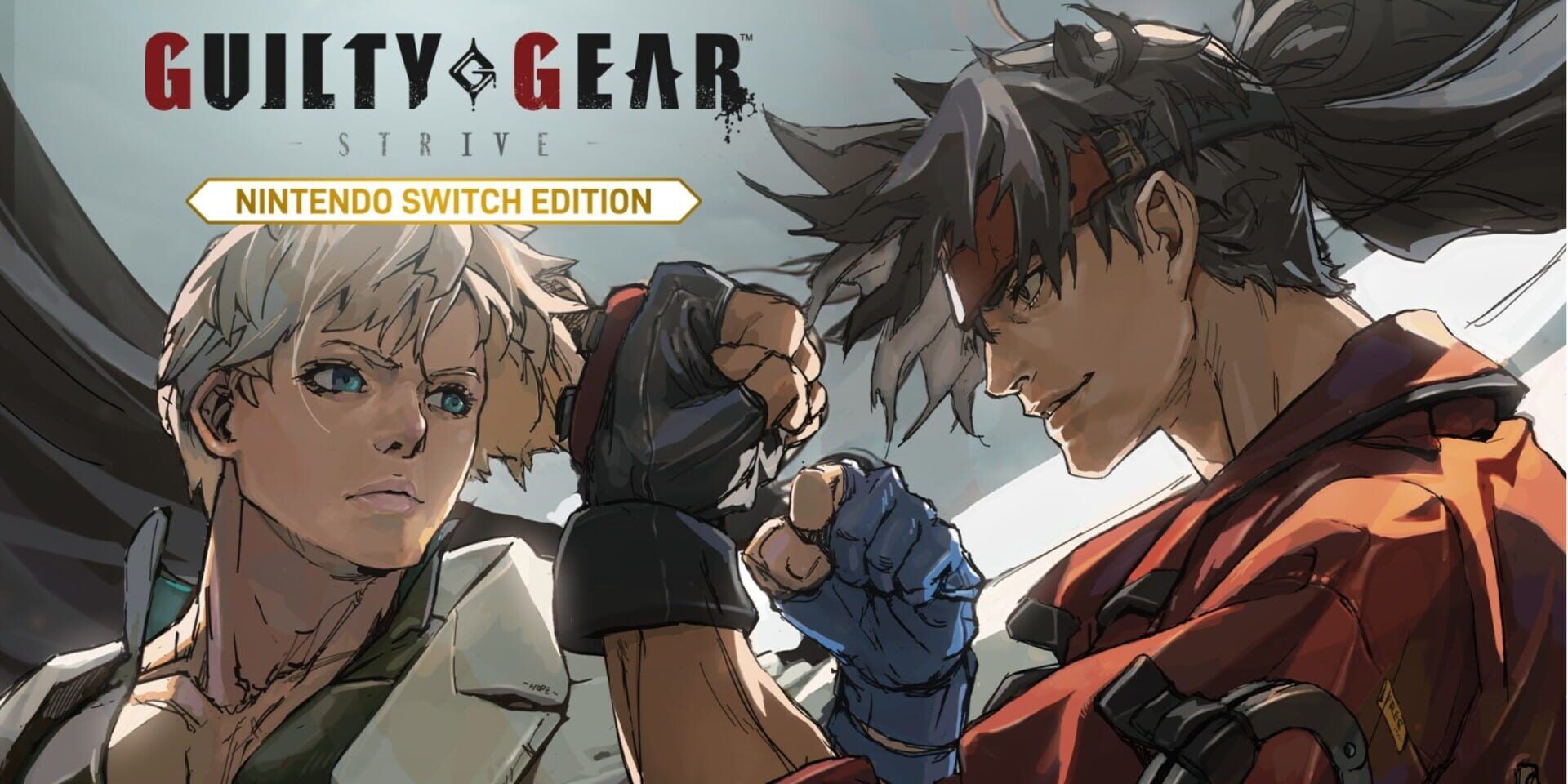

After nearly a year of lagging behind other platforms, Guilty Gear Strive: Nintendo Switch Edition has finally received its massive parity update and DLC. We break down what the patch adds, how the delays hurt the port’s competitive scene, and whether Switch Strive can support a real ecosystem heading into 2026.
Guilty Gear Strive: Nintendo Switch Edition has finally received the long promised catch up patch, bringing it in line with the current Battle Version 4.09 and filling in most of the missing DLC and features. For a port that arrived in early 2025 already behind other platforms, this update is more than a content drop. It is a test of whether Switch can realistically host a Strive community with competitive ambitions as the game heads toward its later life.
How the slow support hurt Switch Strive
When Strive launched on Switch in January 2025, it was positioned as a robust portable version. It shipped with Seasons 1 through 3 included, rollback netcode, and the full core roster in a single purchase. On paper that sounded ideal for casual play and lab time on the go.
In practice, the game immediately felt out of sync with the rest of the Strive player base. PlayStation, PC and Xbox were already deep into Season 4 balance and character tech, while Switch players were effectively locked into a snapshot of an older meta. High level footage, guides and tournament sets circulating online simply did not match what Switch users could play. That made it harder for new players to improve and for returning veterans to treat the port as anything more than a side platform.
The lack of timely updates also undercut any chance of serious competitive adoption. Local organizers are reluctant to run brackets on a version that is months behind the standard ruleset, and players do not want to split practice time between different balance patches. Even though the Switch port includes rollback netcode, the absence of crossplay means its online population was already isolated. The delayed DLC and features amplified that isolation by making Switch feel like its own separate, outdated branch.
Compounding the problem were repeated delays. Arc System Works had initially targeted fall 2025 for the big parity update, then pushed it back again while citing quality concerns in testing. For players who had already put money into the Switch version and Season Passes, that created a trust gap that no amount of character reveals can fully erase.
What the catch up patch actually adds
The new update finally delivers much of what Switch players have been waiting for.
Most importantly, battle balance is updated to Version 4.09, bringing frame data, hitbox changes and character tuning in line with the other platforms. This is the baseline requirement for any hope of shared learning across the wider Strive community. When Switch players watch a new combo video, match breakdown, or tier discussion, it now reflects the same rules they see in game.
On the content side, the patch adds three long awaited DLC characters. Venom returns as a classic Guilty Gear specialist with dense ball setplay and screen control. Unika arrives as a more approachable all rounder from the Dual Rulers anime, with a kit that is easier for beginners to understand while still offering depth. Lucy joins from Cyberpunk: Edgerunners as a mobile, status focused character who occupies that guest slot designed to draw in fans from outside the fighting game space.
The update fills in the usual extras that make a live game feel current. There are new collaboration colors, with an additional color 16 batch coming later. Music additions include legacy Guilty Gear tracks and Cyberpunk themed songs, although Switch misses out on the heavily requested I Really Want to Stay at Your House due to licensing limitations. Avatar parts and digital figures tied to the new characters, as well as David and Rebecca inspired items, plug into Strive’s lobby presentation and Fishing system so Switch players can finally participate in events and cosmetics that had been standard elsewhere for months.
Crucially, the update also improves the competitive infrastructure. Training Mode is expanded with stronger data tools and options, which matters for a platform that many players use as a portable lab. The Switch edition also gains a proper Ranked Match mode with rank based matchmaking and exclusive rewards, alongside a Vote to Cancel Match feature and clearer connection status checks. These are quality of life changes that help stabilize online play, filter out poor connections and make ranked climbing feel more legitimate rather than a casual quick match queue.
Despite all of this, there are still gaps compared to other platforms. The missing Cyberpunk track is the most visible licensing omission, but two stages, In the Name of Peace and New Dawn, A Future Unfolding, are also absent. For competitive play, the absence of a couple of stages is not a deal breaker, yet it reinforces the perception that Switch will always be a slightly compromised version.
The state of competitive viability on Switch
With parity in balance and most DLC finally in place, the key question is whether Guilty Gear Strive on Switch can support a real competitive ecosystem heading into 2026.
From a pure mechanics and features perspective, the situation is better than it has been at any point since launch. The Switch version now reflects the current patch, has robust rollback netcode, and includes the bulk of the roster and system options that define late era Strive. For local tournaments that want to run smaller side brackets or casual setups without committing extra PlayStation or PC stations, it is arguably a more viable option than it was even six months ago.
However, the underlying structural constraints remain. Crossplay is still absent, so the online player pool is limited to Switch users only. That means slower matchmaking at higher ranks and less diversity in playstyles, which are both important for long term skill growth. Serious competitors will continue to practice primarily on PlayStation or PC where the largest communities sit, using Switch more as a supplemental platform.
Performance also matters. While the Switch port holds up surprisingly well for a demanding, animation heavy fighter, it is not identical to playing on PS5 or a solid PC at high refresh rates. Differences in input latency and visual clarity can make it difficult for tournament players to swap between platforms without adjustment. Even with the latest patch, major offline events are very unlikely to adopt Switch as a main tournament platform when the established standard is already set elsewhere.
Where the Switch version can shine is in grassroots and regional scenes. The handheld form factor and portability lower the barrier for casual meetups, college clubs and locals that run out of smaller venues. If those communities treat Switch Strive as their primary version rather than a side curiosity, they can cultivate their own micro metas and offline rivalries, then travel to majors on other platforms when it matters. The catch up update at least removes the excuse that Switch is too outdated to be taken seriously at these levels.
Looking toward 2026, much depends on Arc System Works’ follow through. If this parity patch is treated as a one time effort and future balance passes or events start arriving late again, confidence will quickly erode and the Switch player base will shrink. Consistent, near simultaneous updates, even if trimmed slightly for technical or licensing reasons, are essential to maintain any sense of belonging to the larger Strive ecosystem.
If ArcSys can manage that, Switch Strive has a clear niche. It will not replace PS5 or PC as the default tournament version, and it is unlikely to become the main practice platform for top players. But as a fully featured, portable lab and local play option that finally shares the same language as the rest of the game, the Switch edition now has the tools to sustain a small but legitimate competitive community instead of being permanently stuck a season behind.
In that sense, this parity update is less a victory lap and more a late chance to prove that Switch Strive is worth investing in before the series moves on to whatever comes after Strive in the Guilty Gear timeline.