
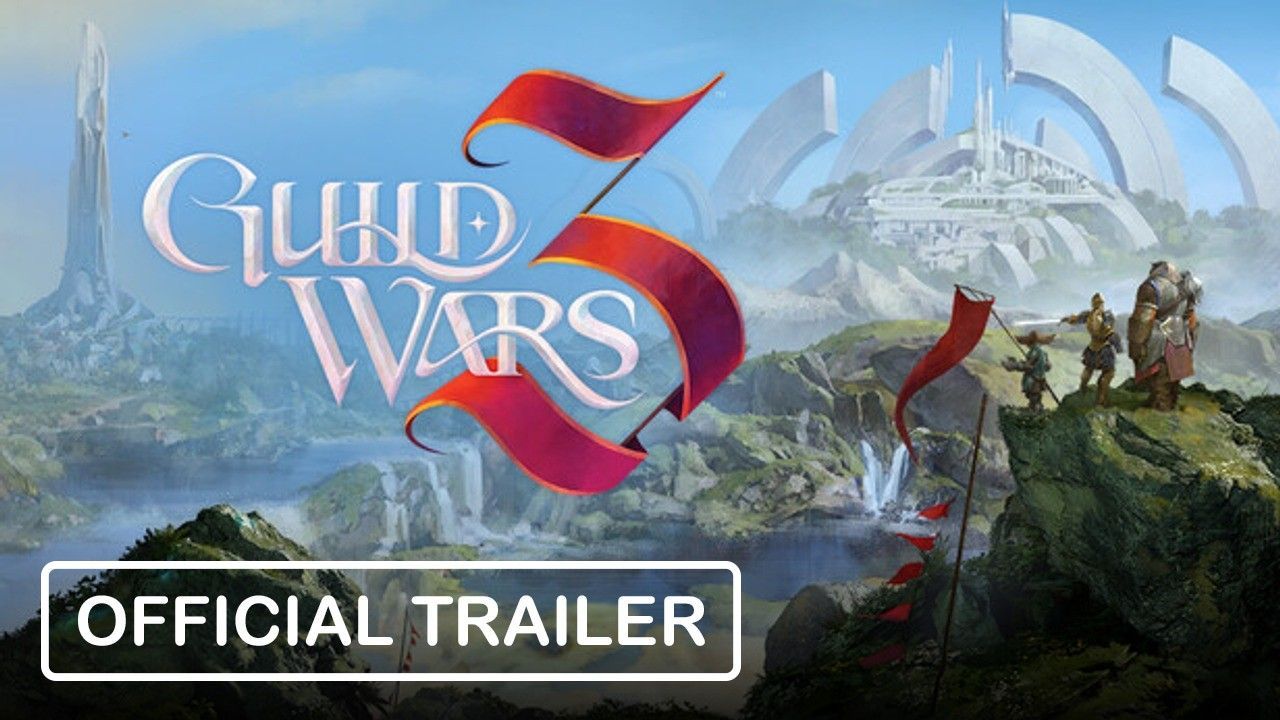
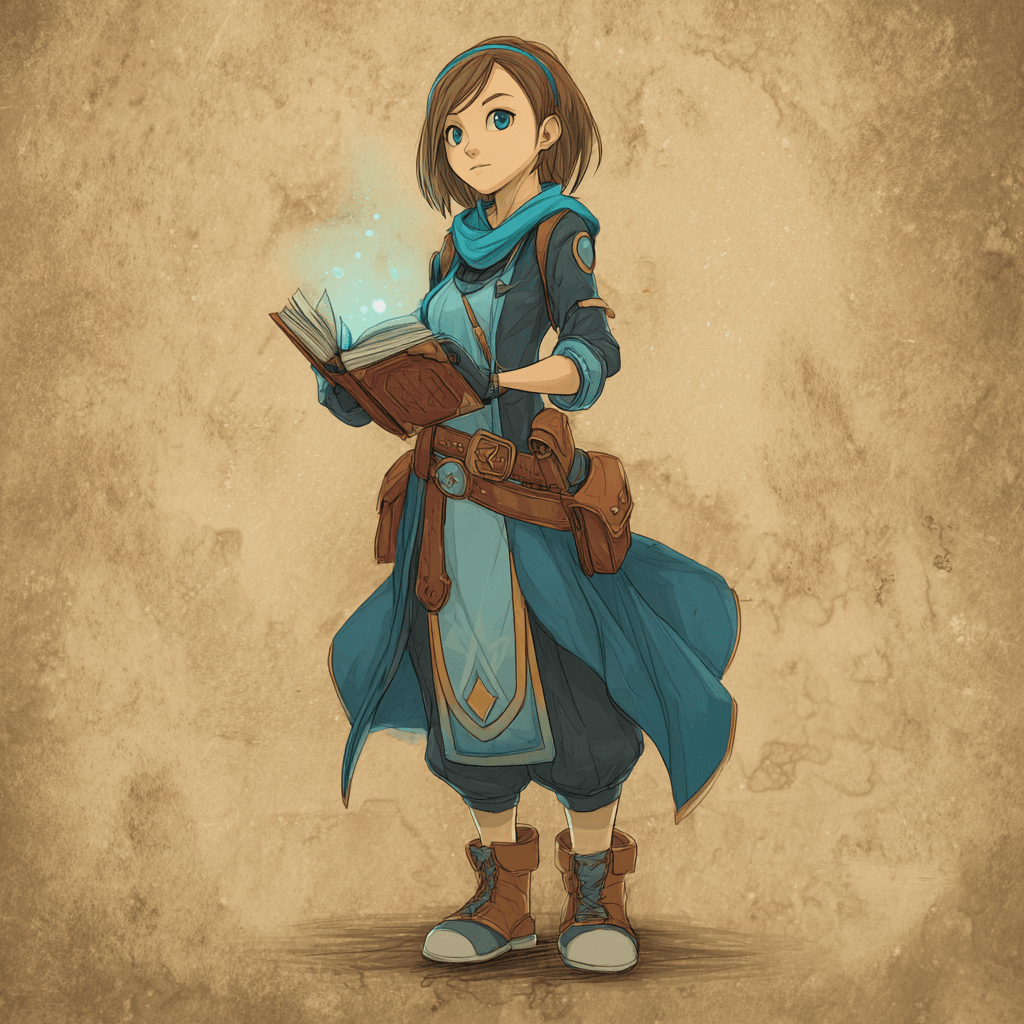
ArenaNet’s new Guild Wars 3 lore update makes the Vaelwardens the player order in ancient Orr, pointing toward signet-based progression, spirit bonds, and faction-driven roleplay.
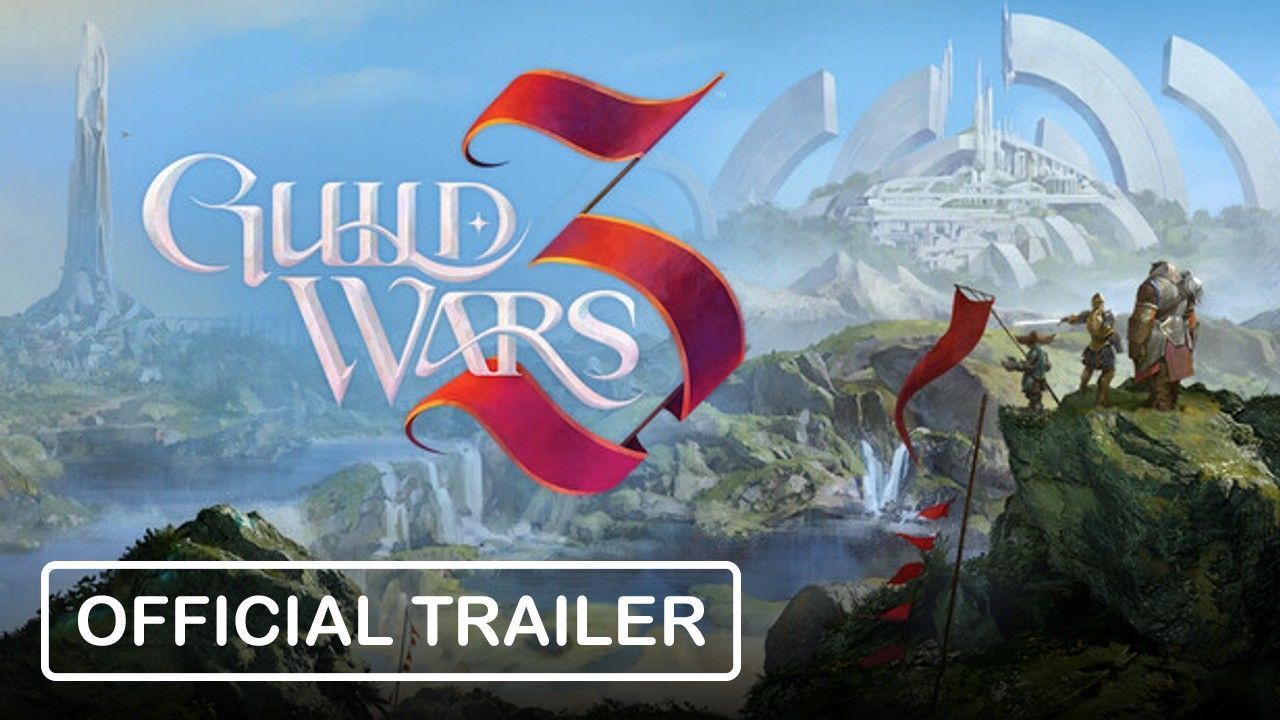
Image: indiebunny.com
ArenaNet puts players inside Orr’s oldest fading guild
ArenaNet’s latest Guild Wars 3 lore update confirms that players will represent the Vaelwardens, the first guild chartered in Orr and the order charged with protecting the Vael, a magical ecosystem of spirits unique to Orr’s Golden Age. The concrete reveal is less about a new villain or a release window and far more about player identity: Guild Wars 3 is framing its story through a declining protective order at the moment Orr’s magic-rich wilds are becoming profitable, contested, and politically inconvenient.
In the official post, narrative lead Aaron Linde describes the Orrian Golden Age as a period when the Elder Dragons are in deep slumber, meaning their hunger is not consuming the magic flowing through Tyria. In Orr, that absence lets magic bloom into the Vael, a living system of magical spirits. Players, according to ArenaNet, “take up the banner” of the Vaelwardens, who protect those spirits and the wilds they inhabit.
That is the central tension in the Guild Wars 3 Vaelwardens reveal. The player order is not introduced as a triumphant institution with uncontested authority. ArenaNet says the Vaelwardens are already “teetering over the brink of ruin” when Guild Wars 3 begins, after more than 150 years of watching over the Vael from the eastern Tughra Basin. MonsterVine and MMOHuts both summarize the setup as a story about a fading order trying to preserve spirits that much of Orr no longer values.
For roleplayers and progression-minded MMO players, that matters because the first faction a game assigns to the player often defines the early quest grammar. Here, ArenaNet is not starting from mercenary neutrality or a clean chosen-one premise. It is starting from duty, inheritance, and a losing argument over whether Orr’s magic is sacred ecology or usable resource.
Ancient Orr changes the kind of Guild Wars story being told
The setting is doing a large share of the work. MMOHuts reports that Guild Wars 3 is set 1,000 years before the original Guild Wars, during Orr’s Golden Age, when Tyria looks very different and mortal races have not yet been granted magic. Insider Gaming likewise frames the period as a version of Orr before the destroyed land familiar from Guild Wars 2, with the Elder Dragons dormant and magic spreading through Tyria rather than being devoured.
ArenaNet’s official post is careful to position Orr as a place defined by abundance before catastrophe. The human gods are drawn from the Mists to Tyria by the richness of Orr’s magic, and the Vael emerge as a natural consequence of magic acting freely. That gives Guild Wars 3 ancient Orr a different baseline from the ruined or post-disaster landscapes players often associate with the region. The core fantasy is not reclamation after collapse. It is stewardship before collapse, while social and economic pressures are already pushing the region toward exploitation.
That gives the Vaelwardens a narrower but sharper roleplay lens. The player is not simply arriving in a new land to discover its wonders. ArenaNet says the Vaelwardens are protectors of those wonders, and the official Guild Wars 3 Wiki entry describes the Order of the Vael as sworn to protect the land, the people living beyond Orr’s towns and cities, and the nature spirits that call Orr home.
The unanswered question is how much friction ArenaNet will allow inside that premise. A player order can be a strong identity anchor, but it can also flatten roleplay if every character must believe the same thing in the same way. The current lore gives ArenaNet room for internal variety: a devout Warden, a pragmatic artificer, a reluctant recruit, a frontier protector, or a signet specialist who values the craft as much as the cause. None of those paths are confirmed character options, but the order’s history supports them as plausible roleplay readings.
Signets are the clearest progression hook so far
The most systems-relevant detail in the Vaelwarden lore is the signet. ArenaNet describes signets as small gems containing fixed expressions of magic, and says the Vaelwardens became renowned for artificing and mastery of them. The order’s origin is tied directly to that gift: after an early catastrophe wounded Orr’s magical ecology, the group that would become the Order of the Vael sought help from the human gods. According to the official post, Melandru and Dwayna sanctioned the order and granted its members the capacity to create and refine signets.
ArenaNet’s wording makes signets one of the first major candidates for Guild Wars 3’s build vocabulary, but it stops short of explaining the mechanical layer. The studio has not detailed classes, skill bars, weapon interactions, crafting specializations, talent trees, account progression, or endgame buildcraft in this lore post. What is confirmed is narrower: players will use signets, the Vaelwardens are defined by artificing, and the order’s bonds with Vael spirits sharpen its ability to fulfill its purpose.
That distinction matters. A lore term can become a button, a crafting material, a progression track, a reputation system, a quest key, or all of the above. Guild Wars 3 player order design could make signets the equivalent of loadout-defining equipment, temporary magical expressions, craftable upgrades, or story-locked tools. The source material supports expectation, not certainty.
The strongest read is that signets give ArenaNet a clean way to connect character power with the setting’s central conflict. If magic has entered mortal hands through gems that can be created, refined, traded, stolen, and exploited, then player progression can naturally sit at the intersection of skill-building and moral pressure. Upgrading a signet is not merely a number going up in the fiction. It can be tied to who gets access to magic, what is taken from the Vael, and whether the Vaelwardens can keep their original oath intact. Again, that is an interpretation of the setup, not a confirmed feature list.
The Mavenwrights turn progression into a political fight
ArenaNet’s lore update introduces the Mavenwrights as the Vaelwardens’ foremost rivals, and multiple reports identify them as industrialists who see Orr’s magical wilds as a resource to be developed or exploited. MMOHuts describes the Mavenwrights as viewing the Vaelwardens as an obstacle to progress and prosperity. Insider Gaming frames the conflict as a clash between protecting Orr’s magical ecosystem and using its resources to accelerate civilization.
That rivalry is important because it gives the Vaelwardens a social antagonist rather than only a monster threat. The order is losing status in a changing Orr. The official Guild Wars 3 Wiki entry says the Vaelwardens have struggled as settlers arrived, other guilds rose, signets spread beyond their control, and many Orrians began to see the order as aloof zealots blocking progress for a cause believed by some to have died decades earlier. MonsterVine also notes that signets have become common, valuable, and dangerous through trade, theft, and black markets.
For roleplay, that is a stronger foundation than a simple nature-versus-industry binary. A good MMO faction conflict needs reasons for ordinary people to disagree with the player’s side. The Mavenwright position, as described in the sources, is not presented as random villainy. It is prosperity, settlement, development, and access to magic pushing against an old guild’s protective duty. That creates space for quests about frontier towns, black-market signet traffic, compromised guilds, and Vael spirits whose survival may conflict with local ambition.
For progression, the rivalry also raises the possibility that advancement will be measured against competing uses of magic. ArenaNet has confirmed players will use magical signets, build relationships with Vael spirits, and fight to protect Orr during a volatile period. It has not confirmed whether Mavenwright choices, faction reputation, branching quest outcomes, or rival progression paths will exist. The reveal still points toward a campaign where gaining power is inseparable from deciding what kind of Warden the player is becoming.
A single player order can focus the story, but it carries risk
The Guild Wars 3 Vaelwardens setup gives ArenaNet an immediate advantage: every player begins with a clear narrative function. You are not waiting for the plot to explain why your character belongs in ancient Orr. The official post says the Vaelwardens are the guild at the heart of Guild Wars 3, and that they are the lens through which players will experience the era. The announcement trailer quotation preserved on the Guild Wars 2 Wiki also emphasizes fellowship, purpose, unexplored horizons, and the promise of magic for the guild protecting this land.
A unified order can help an MMO avoid early-game drift. It can make tutorial progression, first-region questing, crafting introductions, and faction lore feel cohesive. If the Vaelwardens are tied to signets, Vael spirits, and Tughra Basin, then ArenaNet has a natural structure for early character growth: learn the oath, learn the tools, meet the spirits, understand why the order is failing, then decide how far to push back against Orr’s new economy of magic.
The risk is that one player order can make characters feel prewritten. The sources do not say whether Guild Wars 3 will offer origin choices, ideological branches, profession-specific Warden roles, or ways to challenge the order from within. That absence should temper expectations. The reveal gives a lore identity, not a full roleplaying system.
Still, the fading-order premise gives ArenaNet useful room. A thriving super-guild usually asks players to serve its established power. A declining guild asks different questions: who gets recruited when numbers are low, what traditions are worth saving, which compromises become acceptable, and whether outsiders can become better guardians than the old guard. Those are productive MMO questions because they can live in quest chains, reputation tracks, crafting specializations, companion-style spirit bonds, and zone events without requiring every player to be the singular savior of the setting.
Release details remain separate from the lore reveal
The Vaelwardens article is a story and setting update, not a launch information drop. MMOHuts specifically notes that the post does not add a new date, platform list, or pricing details. Readers looking for practical buying information should treat this reveal as a narrative foundation rather than a preorder signal.
Separately, the Guild Wars 2 Wiki page for Guild Wars 3 lists a global release on the standalone PC client, Steam, and PlayStation 5, and says the first beta test is scheduled for Fall 2027 with newsletter signups offering a chance to participate. Because that information is not part of the Vaelwardens lore post itself, it should not be read as newly announced by this update. It does, however, frame the likely waiting period: the current cadence is still about worldbuilding, faction identity, and broad MMO positioning rather than final systems breakdowns.
The practical guidance is simple. If you are following Guild Wars 3 for lore, this is one of the most important reveals so far because it identifies the player’s order, its rivals, its magic source, and its place in ancient Orr. If you are waiting on buildcraft, combat roles, monetization, performance, or console interface details, those pieces remain unannounced in the supplied sources.
The best expectation to carry forward is cautious specificity. The Vaelwardens are confirmed as the player-facing guild. The Vael are confirmed as central spirits of Orr’s magical ecosystem. Signets are confirmed as magical gems associated with Vaelwarden artificing and player power. The Mavenwrights are confirmed as the ideological rival. Everything beyond that, including how many choices players get inside the order and how signets shape moment-to-moment progression, is the next question ArenaNet needs to answer.