
Marvel’s Guardians of the Galaxy is bringing Docked VRR support to Switch 2, with 1440p 30 FPS and 1080p 40 FPS TV modes that make the older action adventure a useful early performance test.
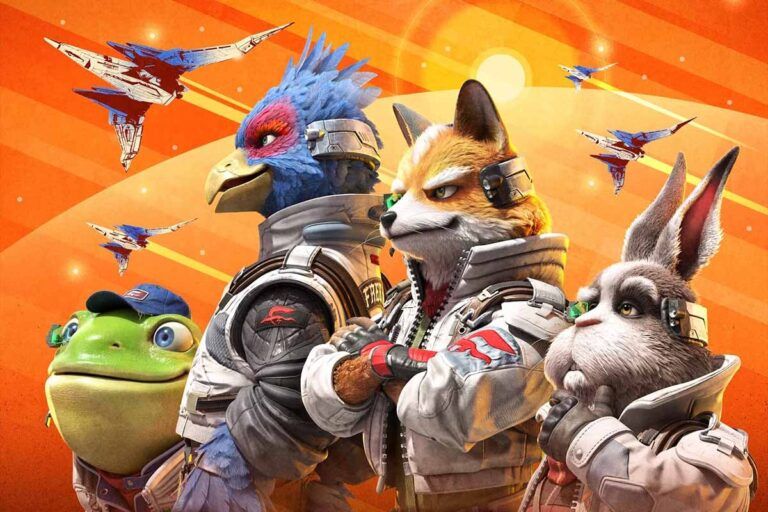
Image: 1337.games
A familiar space adventure is now an early Switch 2 VRR test
Marvel’s Guardians of the Galaxy will support the Nintendo Switch 2’s new Docked VRR feature when it arrives on the platform, according to an October 30 post from the official Marvel’s Guardians of the Galaxy X account. The same post confirmed two TV-mode graphics options: a Quality mode targeting 30 frames per second at 1440p, and a Performance mode, intended for 120 Hz TVs, targeting 40 frames per second at 1080p.
That is the concrete news. The tension is in the number between those modes. A 40 FPS option is neither the traditional 30 FPS console compromise nor the 60 FPS target players often hope for in action games. On Switch 2, that middle ground becomes much more interesting because the game is also tied to Docked VRR, the newly added variable refresh rate feature for TV play. For Marvel’s Guardians of the Galaxy Switch 2 players, the key question is whether this older narrative action adventure can feel meaningfully smoother in docked play without pretending to be a high-frame-rate port.
My Nintendo News and Daily Nintendo both reported the official settings from the developer’s post, while 1337 Games and Headliner list the Switch 2 release as Guardians of the Galaxy Encore Edition. Across those reports, the picture is unusually specific before launch: this is a Switch 2 version with a defined 30 FPS image-quality option, a 40 FPS performance option for compatible displays, and support for Docked VRR.
The two TV modes draw a clear line between image and rhythm
The official settings make this port easier to understand than many pre-release technical updates. In TV mode, Quality is listed at 1440p and 30 FPS. Performance is listed at 1080p and 40 FPS, with the official post specifying that it is for 120 Hz TVs. Daily Nintendo describes the choice as one between higher image quality and better performance, which matches the tradeoff suggested by those numbers.
For an action adventure like Guardians of the Galaxy, the difference is not academic. The game’s combat identity depends on keeping Star-Lord mobile while issuing commands to the rest of the team, reading enemy pressure, and riding the rhythm of ability cooldowns, crowd control, banter, and spectacle. 1337 Games frames the game as a single-player, story-driven Marvel adventure focused on character growth, atmosphere, and gameplay. That structure puts pressure on pacing. A cinematic game can survive at 30 FPS, but a more responsive frame target can make its battle scenes feel less heavy, especially when the screen fills with team attacks and environmental effects.
The Switch 2 version is therefore offering a familiar bargain. Players who want the sharper TV image choose 1440p at 30 FPS. Players with the right television can choose 1080p at 40 FPS and see whether that extra fluidity helps the combat breathe. The 40 FPS option is the one that makes Guardians of the Galaxy Switch 2 VRR support worth watching, because it lives in the space where display capability and frame pacing matter as much as raw resolution.
Docked VRR support has a practical limit: the display has to match the feature
Docked VRR means variable refresh rate support while the Switch 2 is connected to a TV. Daily Nintendo specifically describes the feature as allowing the game to use Variable Refresh Rate when the console is in its dock. 1337 Games adds a practical requirement, saying the 40 FPS docked mode is available if the player has a TV with HDMI 2.1 and VRR support.
The important distinction for readers is that this is a docked feature, not a blanket promise about every way to play. The provided reports do not confirm a handheld VRR mode for Marvel’s Guardians of the Galaxy Switch 2, and the official post quoted by multiple outlets only lists TV-mode graphics settings. If you are mainly buying the game for handheld play, the sourced material does not yet tell us whether the same performance options apply away from the dock.
VRR is designed to let a compatible display adapt its refresh timing to the game’s output instead of forcing the game into a rigid fixed-refresh presentation. In practice, that can help a mode like 40 FPS feel more natural on a suitable 120 Hz display than it would on a standard fixed 60 Hz setup. That is the technical promise. What remains unconfirmed is the real-world consistency of the frame rate, the exact VRR range used by the Switch 2 implementation, and whether the game holds its target during heavy combat or large set pieces. Those questions require launch testing, not a settings graphic.
An older port is a useful test because the variables are easier to see
Guardians of the Galaxy is not a brand-new release being judged only on novelty. 1337 Games notes that the game has already been playable for years on PC, PlayStation 5, and Xbox Series X and S. That history changes how the Switch 2 version will be read. Players are not asking only whether the story works or whether the Guardians are charming. They are asking how an established action adventure translates to new hardware with a fresh display feature.
That makes this port a useful early test case for Nintendo Switch 2 VRR games. A known game arriving late on new hardware gives players a clearer lens for judging the platform feature itself. If the 40 FPS mode feels steady and responsive in docked play, it strengthens the case for 40 FPS as a credible middle option on Switch 2 when paired with 120 Hz and VRR-capable TVs. If the mode struggles, the label will mean less than the implementation.
The game’s design also makes frame delivery easy to feel. Guardians of the Galaxy leans on forward momentum: dialogue while exploring, squad friction turning into teamwork, and combat encounters built around the whole crew acting in concert. 1337 Games describes the early dynamic as a team that clashes and lacks teamwork before the story reveals more about each character’s background, motivations, and trauma. That emotional arc gives the game its shape, but the minute-to-minute flow still depends on responsiveness. When an action adventure cuts between spectacle, commands, movement, and story beats, uneven pacing can be more noticeable than it is in slower genres.
Release timing, format, and price are clearer than many technical details
The official Marvel’s Guardians of the Galaxy account said the Switch 2 release lands “next Thursday” in its October 30 post. 1337 Games and Headliner identify the date as November 5, 2026, for Guardians of the Galaxy Encore Edition on Nintendo Switch 2. Those reports also state that the Switch 2 version will be available digitally and physically.
The physical release comes with an important caveat. 1337 Games reports that the physical edition is a game key card, meaning the card functions as a key to download the digital version from the eShop rather than storing the full game data on the card. Headliner repeats that the physical edition includes a game key card used to download the digital version. For collectors and players with limited storage, that detail matters as much as the frame-rate options.
On price, 1337 Games links to a retailer listing and says Guardians of the Galaxy Encore Edition can be bought for €39.99. That is a retailer-linked figure from that outlet’s post, not a platform-wide price confirmation across every region. The provided sources do not include an eShop listing, file size, upgrade path, or regional pricing table, so those remain open practical questions for launch week.
The smart buying call depends on your TV and your tolerance for unknowns
For players with a 120 Hz television that supports VRR, the Switch 2 version has a clear hook: Performance mode at 1080p and 40 FPS, backed by Docked VRR support. If that setup describes your living room, Marvel’s Guardians of the Galaxy Switch 2 could become one of the more interesting early examples of how Nintendo’s new docked display feature changes the feel of an action adventure port.
For players without that display setup, the confirmed choice is less dramatic. The sourced reports point to a standard 30 FPS path, with the official post listing Quality mode at 1440p and 30 FPS. 1337 Games also describes the Switch 2 Edition as running standard at 30 FPS, with 40 FPS possible in docked mode on a TV with HDMI 2.1 and VRR. If your TV cannot use the feature, the value proposition shifts toward portability, the Encore Edition package, and the appeal of playing this particular Marvel story on Nintendo hardware.
The main reason to wait is technical verification. The official post confirms modes and Docked VRR support, but it does not confirm frame-rate stability, loading behavior, handheld performance, or input latency. Those are the details that decide whether a mode feels sharp in motion rather than promising on paper. For a game built around squad banter, explosive encounters, and cinematic pacing, the best version is the one that keeps the adventure moving cleanly from joke to firefight to set piece. Switch 2 Docked VRR gives this port a chance to make 40 FPS feel like a deliberate target instead of a compromise, but the final judgment belongs to launch-day performance analysis.