
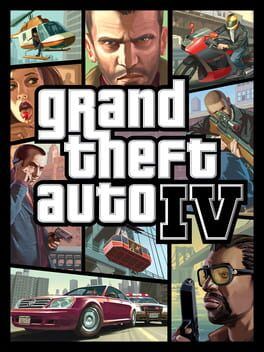
A reported GTA 4 Xbox 360 dev kit with unfinished zombie content, a cut ferry system, and other beta leftovers has surfaced. What does it actually reveal about Rockstar’s process, the limits of prototype leaks, and why Grand Theft Auto fans can’t stop digging through digital history?
A battered Xbox 360 dev kit, bought for £5 out of a car boot near Edinburgh, has suddenly become one of the most talked‑about artifacts in Grand Theft Auto history. Inside it, fans say, is a late‑2007 work‑in‑progress build of Grand Theft Auto IV, complete with unfinished zombie content, a scrapped ferry system across Liberty City, and a grab bag of alternate character names, weapon variants, and unused DJ chatter.
Taken at face value, it is the digital equivalent of finding a lost reel of film from a classic movie. But this kind of discovery lives in a strange space where preservation, curiosity, and pure speculation collide.
A snapshot from late 2007
Based on file dates and reports from those who have dug into the build, the kit appears to contain a November 2007 version of GTA 4. That puts it roughly six months before Niko Bellic finally drove into Liberty City on retail consoles in April 2008.
This timing matters. By late 2007 Rockstar North was already deep in polish mode. Marketing had started, trailers were out, and the shape of Liberty City was largely locked. A build from this window is not an early brainstorming prototype. It is more like a dress rehearsal, close enough to the final show that many cut ideas exist as half‑finished ghosts in the code.
Those ghosts are what players are now poking at: traces of a ferry that once crossed the water, nervous systems for zombies that never shambled into the streets, bits of radio chatter that imply a slightly different tone for Liberty City nightlife. Each fragment suggests a path the game might have taken, before harsh realities pulled it back.
The ferry that almost defined Liberty City
The most concrete, confirmed piece of cut content in this build is the Liberty City ferry system. Players have long noticed the unused ferry terminals, and over the years they became one of GTA 4’s most talked‑about environmental mysteries.
The dev kit appears to include more direct evidence that ferries were implemented in some form. That on its own would be interesting, but it is former Rockstar North technical director Obbe Vermeij who turns an urban legend into documented history. Vermeij has publicly confirmed that ferries were planned for GTA 4, and that they were cut late in development for brutally practical reasons.
A ferry in an open world action game is deceptively complex. It is not just a boat model. It is a moving platform that needs to safely carry pedestrians, cars, and the player while AI and physics still behave believably. Collisions have to stay stable when multiple vehicles are resting on a moving object. NPCs have to understand how to board, wait, and disembark without walking off into the harbor or causing traffic pileups. All of this needs to coexist with a game already pushing Xbox 360 and PS3 hardware hard.
According to Vermeij, those problems piled up to the point where the only reasonable option was to cut ferries entirely. The leaked build, if genuine, gives us a rare look at that decision in progress. It is a reminder that when players talk about “downgrades,” they often miss the grim debugging and triage that happen to keep a huge open world running at all.
The zombie mode that barely existed
The most attention‑grabbing part of the story is the mention of zombie content found in the build. Files and assets that appear to point toward some kind of undead mode have sparked a wave of speculation about a full zombie side activity buried inside GTA 4, years before Rockstar leaned into apocalyptic horror in other projects.
Here the line between fact and fantasy is much blurrier. Vermeij has said he does not remember any serious zombie feature making it very far on GTA 4. What he does recall is that artists liked to experiment with zombies, dropping them into test levels or concepts for fun. That fits with how many big studios work. During development, teams constantly test ideas, themes, and tonal shifts just to see how the game responds.
The dev kit’s zombie traces likely come from that spirit of experimentation. A few character models, AI variations, or test scripts can live in a codebase for months without ever being attached to a real design document or milestone. To beta archaeologists those scraps look like a cancelled mode. To a studio they may have been closer to a running joke, a style test, or a portfolio piece.
That does not make them less fascinating. Watching GTA 4 briefly flirt with horror before returning to its more grounded crime drama tone says a lot about how wide the creative net is in the middle of triple‑A production. But it is a fascination that has to be tempered with the understanding that not every asset implies a grand design.
Reading a game’s rough drafts
What makes this particular dev kit so compelling is that it appears to capture GTA 4 in the uncomfortable space between aspiration and compromise. Earlier prototypes usually show wild experiments, wild maps, and wild systems that are obviously placeholder. Very late builds are nearly indistinguishable from the shipping game. The November 2007 snapshot lands right after Rockstar has decided what GTA 4 is, but before they have fully buried what it is not.
That makes it ideal fuel for understanding Rockstar’s process. The ferry content maps directly onto a known technical challenge. The alternate character data and weapon variants hint at tuning passes that were still ongoing. Unused DJ lines suggest that the tone of radio stations and world commentary remained flexible almost up to the end.
This is how large open worlds evolve. The design is not handed down fully formed. It tightens gradually as production realities, hardware limits, and narrative focus chip away at earlier ambitions.
The problem of unverified treasure
There is a reason every report on this dev kit has been careful about language. The hardware was bought from a car trunk for pocket change, not pulled from an official archive. Its authenticity is supported mostly by file dates, internal labels, its proximity to Rockstar’s home city, and the very specific match between its ferry assets and Vermeij’s memories.
In other words, it looks real, acts real, and aligns with independent testimony, but it is still a leak, not a curated historical release.
That creates limits for anyone trying to treat it as a primary source. Files could have been tampered with. Some content might be misinterpreted because it lacks surrounding tools, documentation, or later revisions. When fans build elaborate timelines or design narratives around a handful of leftovers, they are speculating on top of already incomplete data.
For preservationists, this is the constant tension. These artifacts often surface only because hardware escapes a studio in unofficial ways. At the same time, they arrive without context and sometimes in legally gray territory. Archivists and historians can learn from them, but they have to cross‑check findings carefully and resist turning every cut asset into a missing masterpiece.
Why beta archaeology captivates GTA fans
Despite all the caveats, the community response was instant and intense. GTA forums lit up with file breakdowns. Social feeds filled with screenshots of half‑finished zombies and debug text. Videos popped up cataloging every deviation from the retail map.
Grand Theft Auto players have always been deeply invested in the series’ worlds, and GTA 4’s Liberty City holds a special place as the franchise’s leap into high‑definition consoles. For many, wandering its streets back in 2008 felt like visiting a real city for the first time in a game. Beta archaeology taps into that same feeling by revealing a parallel Liberty City that almost existed.
Cut ferries invite “what if” driving routes and new roleplay scenarios. Zombie experiments suggest bizarre late‑night side missions that never happened. Unused DJ lines hint at stranger, sharper radio satire that stayed on the cutting room floor. Hunting these details is a way of reopening a game that fans already know inside out.
There is also a sense of authorship involved. Breaking down a dev build lets fans feel like collaborators in reconstructing GTA 4’s history. They name discoveries, connect dots, and sometimes even restore cut content through mods. The game stops being a fixed product and becomes a living project that the community can help document.
Preservation through curiosity
The GTA 4 dev kit story is messy. It mixes a flea‑market impulse buy, a likely genuine snapshot of a major game in late development, and a swirl of community speculation about zombies and secret modes. Yet underneath all of that is something healthier: a desire not to let games simply vanish into compiled binaries and marketing trailers.
Big studios are rarely in the business of showing their rough drafts. To protect brands, to avoid confusion, or simply to keep moving, they lock away prototypes and half‑finished ideas. When an old dev kit surfaces, even in an unplanned way, it gives players and historians a chance to see that creation is not clean. It is full of false starts, technical brick walls, and strange side experiments that were never meant for public eyes.
If anything, the GTA 4 build argues for more intentional preservation efforts. Imagine what the community could do with properly documented, legally shared prototypes of classics, released long after their commercial windows have closed. Instead of piecing together history from a trunk sale, we could study these worlds the way film lovers study early cuts and deleted scenes.
Until that happens, beta archaeology remains a folk practice. Fans will keep sifting through leaked tools and dev kits, while former developers like Obbe Vermeij act as ad‑hoc historians who can step in and say which legends are true and which are just fun stories.
In the case of this GTA 4 discovery, the truth sits comfortably in the middle. There really was a ferry service. Zombies really did lurk in some corner of the asset library. But rather than proof of an entire hidden game, they are evidence of a creative process that was always bigger, stranger, and more complicated than what fit on the disc in 2008.