
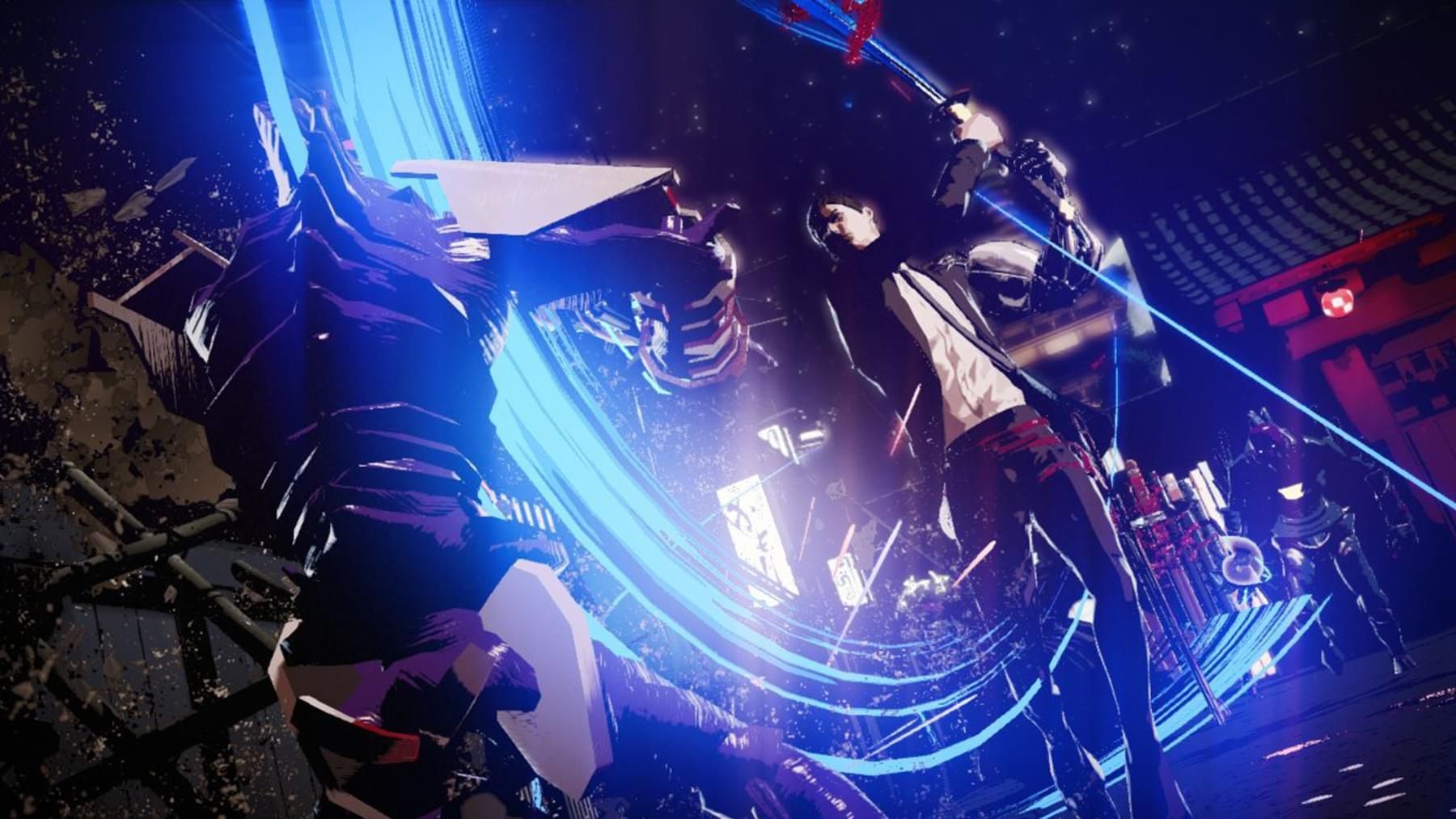
Grasshopper Manufacture is leaving NetEase and returning to independent development. Here is what the confirmed split changes for Suda51 fans, NetEase's Japan strategy, and the studio's next action games.
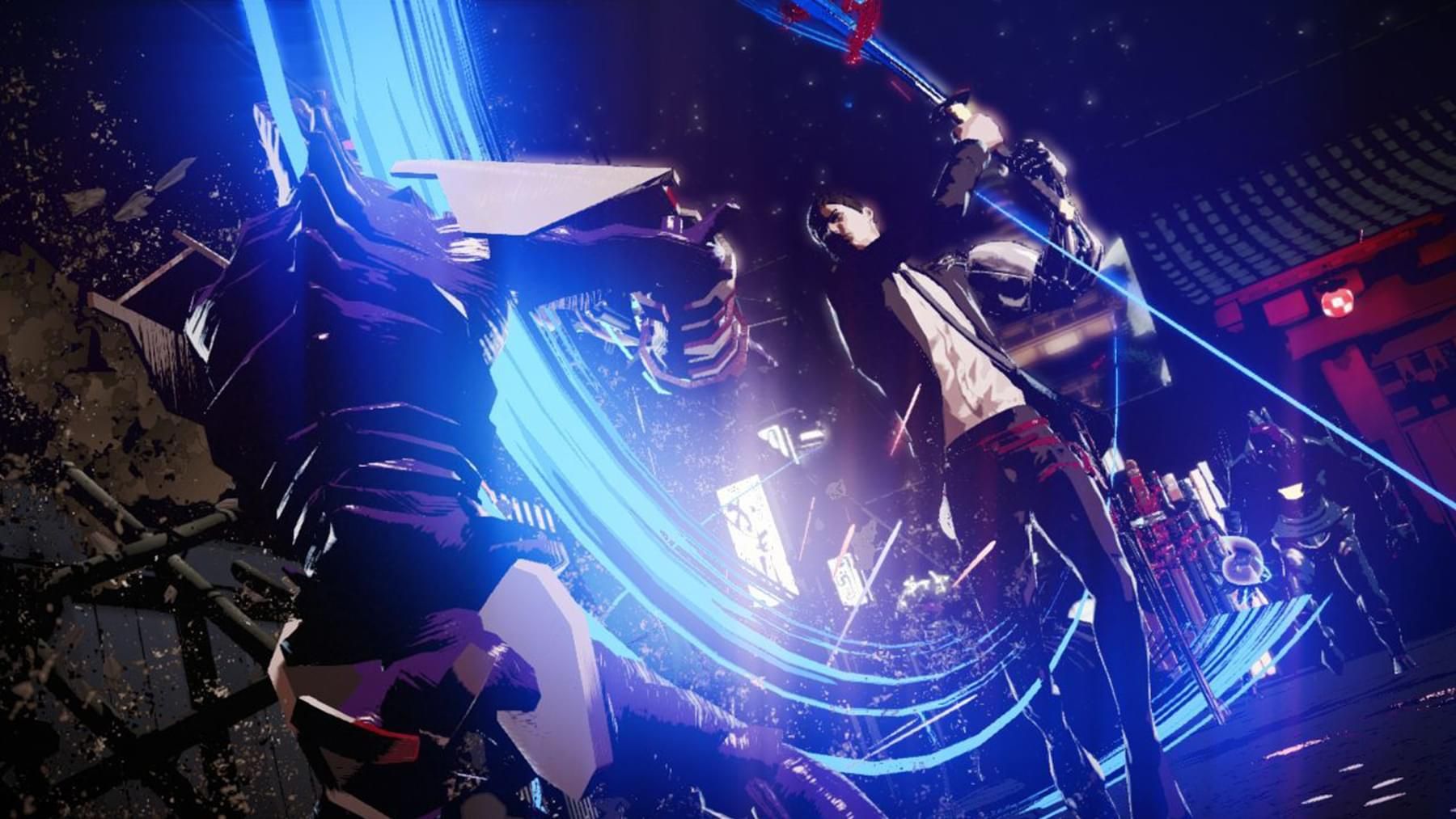
Image: grasshopper.co.jp
Grasshopper is independent again, with a real tradeoff attached
Grasshopper Manufacture has confirmed that it is separating from NetEase Games and returning to life as an independent developer, ending a five-year ownership period that began when NetEase acquired the No More Heroes developer in 2021. In a statement attributed to CEO Goichi “Suda51” Suda and circulated through GamesPress, the studio said the decision followed the completion of Romeo Is a Dead Man and internal discussions about the studio’s future direction.
The headline version of the Grasshopper Manufacture NetEase split is clean: Suda’s studio wants to make games in “an even wider variety of styles,” and NetEase cooperated with the separation. The more interesting version is messier. Independence gives Grasshopper more room to define its next swing, but it also removes the safety net NetEase had provided. Insider Gaming reported that, under NetEase, Grasshopper received business planning help, game development funding, and support from NetEase artists and technical experts on art and quality assurance. That kind of back-end infrastructure is rarely visible to players, but it can decide how ambitious a mid-sized action game can afford to be.
Grasshopper’s statement leans into the creative upside. Suda said the studio has improved its self-publishing know-how and now has “a broad range of options” for future releases. He also said Grasshopper remains committed to the “NO GAME NO LIFE” experience associated with the studio, regardless of how its games are published. That phrasing matters because it separates creative identity from publishing structure. Grasshopper is not promising that every future title will be self-published, nor is it announcing a new publisher. It is saying that independence gives it choices.
The split follows Romeo Is a Dead Man, not a newly announced project
The timing is the strongest confirmed detail in Grasshopper’s announcement. According to Suda’s statement, the studio released Romeo Is a Dead Man in February 2026, then celebrated its 28th anniversary in March. With that “all-hands project” completed, the team began considering the next stage of the company.
Multiple outlets, including GamesIndustry.biz, Noisy Pixel, VGC, and Console Creatures, point to Romeo Is a Dead Man as the project that immediately preceded the split. The studio’s own statement says the game received “high acclaim and great reviews,” though Kotaku noted that Suda did not say whether it was a sales success. That distinction is important. Critical reception can strengthen a studio’s confidence, but independence usually has to be backed by cash flow, financing options, publishing deals, or a production plan lean enough to survive without a parent company’s budget.
There is one unresolved project thread. Push Square reported that around the time Romeo Is a Dead Man came out, Suda51 said Grasshopper had another game in development that he was “almost 100% certain” would release in 2026. Push Square also noted that the project had not been announced and expressed doubt that the release target would hold after the split. The confirmed fact is narrower: Grasshopper has not announced that project in the supplied source material, and the studio’s independence announcement does not give a title, platform list, date, or publisher for whatever comes next.
For players, that means the practical advice is simple. Do not treat the split as a stealth reveal of Grasshopper’s next game. Treat it as a business reset that could affect timing, scope, and publishing. If there is still a 2026 game in the pipeline, its status has not been clarified by the announcement.
For Suda51 fans, independence restores the studio’s strongest selling point and its biggest risk
Grasshopper Manufacture’s appeal has always depended on a specific kind of volatility. The studio is known for No More Heroes, Killer7, Shadows of the Damned, Lollipop Chainsaw, Killer Is Dead, Let It Die, and Romeo Is a Dead Man, according to the source coverage. Those games are not interchangeable products. They tend to sell an authorial charge: brash action systems, unusual premises, violent pop-culture collage, and a willingness to make choices that larger production pipelines often sand down.
That is the upside Suda fans will see in Grasshopper Manufacture independent again. If the studio wants to chase “a wider variety of styles,” as Suda said, independence makes that statement easier to believe. A parent company can fund experimentation, but it can also pull a studio toward portfolio needs, internal milestones, and risk controls. Grasshopper’s announcement suggests the studio wants more control over the shape of its output as it approaches its 30th anniversary.
The risk is that creative freedom does not replace production capacity. Insider Gaming’s report that NetEase had supported Grasshopper with funding, business planning, artists, technical experts, and QA gives the split a strategic cost. Action games are expensive to tune because their feel depends on animation timing, hit reactions, encounter pacing, camera behavior, input responsiveness, and difficulty curves. A studio can have sharper taste as an independent, but fewer support resources can force harder choices about content volume, polish, localization, testing, and platform coverage.
The smartest read is not that independence guarantees bolder games, or that leaving NetEase guarantees smaller games. Grasshopper’s own statement says the studio has improved its self-publishing skills and retains multiple publishing options. The new meta for the No More Heroes developer is flexibility: self-publish where the scope allows it, seek partners where the budget demands it, and protect the studio identity that makes fans care in the first place.
NetEase’s Japan and global studio push is the larger shadow over the story
The Grasshopper Manufacture NetEase split also lands in a broader industry pattern. GamesIndustry.biz reported that NetEase acquired Grasshopper from GungHo Online Entertainment in 2021 for an undisclosed sum, and that Grasshopper had been part of the GungHo Group since 2013. Suda founded Grasshopper in 1998, so the studio’s history has already moved through several ownership eras before this return to independence.
VGC framed Grasshopper’s exit against NetEase’s wider pullback from global investments, reporting that the company has closed a roster of studios and caused instability across parts of its international operation. VGC specifically cited T-Minus, FPC, and Bad Brain as closures, and also reported NetEase split from Vancouver-based Worlds Untold and Seattle-based Jar of Sparks. Kotaku similarly reported that NetEase had poured millions into gaming companies and helped Japanese developers leave established publishers to form new studios, before systematically pulling back from the industry.
That context changes how to read Grasshopper’s language. The announcement stresses “thorough discussions,” NetEase’s “generous cooperation,” and the possibility of future collaboration. It does not present the separation as a hostile break. At the same time, a studio regaining independence during a broader retreat by its former parent company is not business as usual. It raises the question every acquired creative team now has to ask: is corporate backing a long-term platform, or a temporary production window that can close when the parent company’s priorities shift?
For Japanese game studios, that question has become sharper as foreign investment has offered founders money, independence from old publisher structures, and a chance to build new teams. The counterweight is exposure to decisions made far away from the team’s day-to-day creative culture. Grasshopper appears to have landed on the healthier end of that spectrum, at least based on the public statement: it shipped Romeo Is a Dead Man, says it gained self-publishing know-how, and exits with polite language about NetEase. Other NetEase-linked studios reported by VGC did not all get that runway.
Future Grasshopper action games may become stranger, but scope is the variable to watch
Suda’s “wider variety of styles” line is the obvious promise, but the production implications are where future Grasshopper games will be won or lost. The studio has a record in action, but the action market has changed. Players now expect responsive combat, readable encounters, stable performance, fast patching, broad platform support, and enough content to justify full-price expectations. A cult identity can get attention. Sustained player trust requires execution.
Grasshopper’s mention of improved self-publishing know-how is the most concrete clue about its post-NetEase strategy. Self-publishing can give the studio more control over marketing beats, pricing, platform timing, and community messaging. It can also make every operational weakness more painful. Storefront setup, regional pricing, certification, customer support, patch cadence, QA, and discoverability all become part of the studio’s competitive game plan. If Grasshopper chooses external publishing on a future project, the key question will be how much creative control it keeps in exchange for funding and distribution.
There is also an IP question that the announcement does not answer. The supplied sources name No More Heroes, Killer7, Shadows of the Damned, Lollipop Chainsaw, Killer Is Dead, Let It Die, and Romeo Is a Dead Man in relation to Grasshopper’s history, but the split announcement does not confirm new entries, remasters, ports, or rights arrangements. Fan interest in older Grasshopper releases is predictable, especially around No More Heroes and Killer7, but comments and wishlists are not publishing plans. Until the studio, a rights holder, or a storefront announces something, no port or remaster should be treated as in development.
As a strategy read, independence could push Grasshopper toward smaller, sharper projects where its voice carries the experience, rather than larger productions that require parent-company support to survive. It could also make partnerships more selective. If Suda’s team has truly built stronger self-publishing capability, the studio can negotiate from a better position than an outfit that only has a pitch deck and nostalgia.
What is confirmed, what remains open, and what fans should watch next
Confirmed: Grasshopper Manufacture is becoming independent again after separating from NetEase Games. Confirmed: NetEase acquired the studio in 2021, after Grasshopper’s years under GungHo, and the studio’s public statement says the decision was reached through discussions with NetEase. Confirmed: Romeo Is a Dead Man launched in February 2026, and Grasshopper tied the decision to reflection after that project and the studio’s 28th anniversary.
Also confirmed by the sourced reporting: Grasshopper says it has improved its self-publishing know-how, has multiple options for future publishing, and wants to deliver games in a wider range of styles. Insider Gaming reports the studio had received funding, business planning, art, technical, and QA support from NetEase, so the split changes the resource equation even if both companies remain on good terms.
Unconfirmed: the next Grasshopper game, its release date, its platforms, its publisher, its price, and whether the previously mentioned possible 2026 project is still on schedule. Also unconfirmed in the supplied material: any No More Heroes ports, Killer7 remasters, or revival plans for older Grasshopper-associated games.
The next meaningful signals will be practical ones. Watch whether Grasshopper announces a self-published title, signs with a new publishing partner, confirms platforms early, or scales its next game around a tighter production model. For Suda51 fans, the win is that Grasshopper controls its own direction again. The pressure point is whether that control can produce action games with the same strange identity while replacing the invisible support a company like NetEase can provide.