
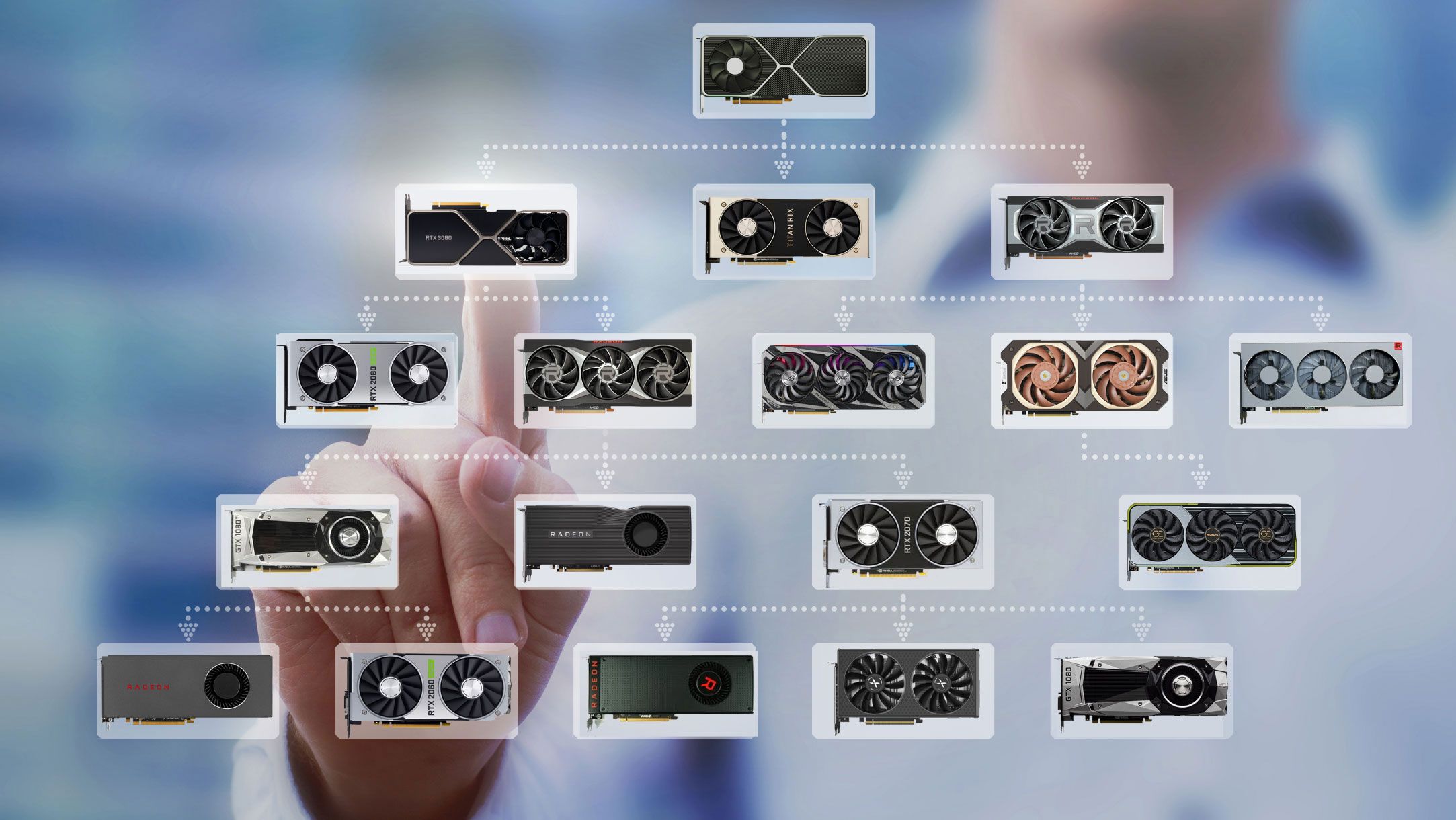

Reported AMD and Nvidia board-partner price increases are tied to an AI-driven memory shortage. Here is how PC gamers should think about upgrades in 2026.
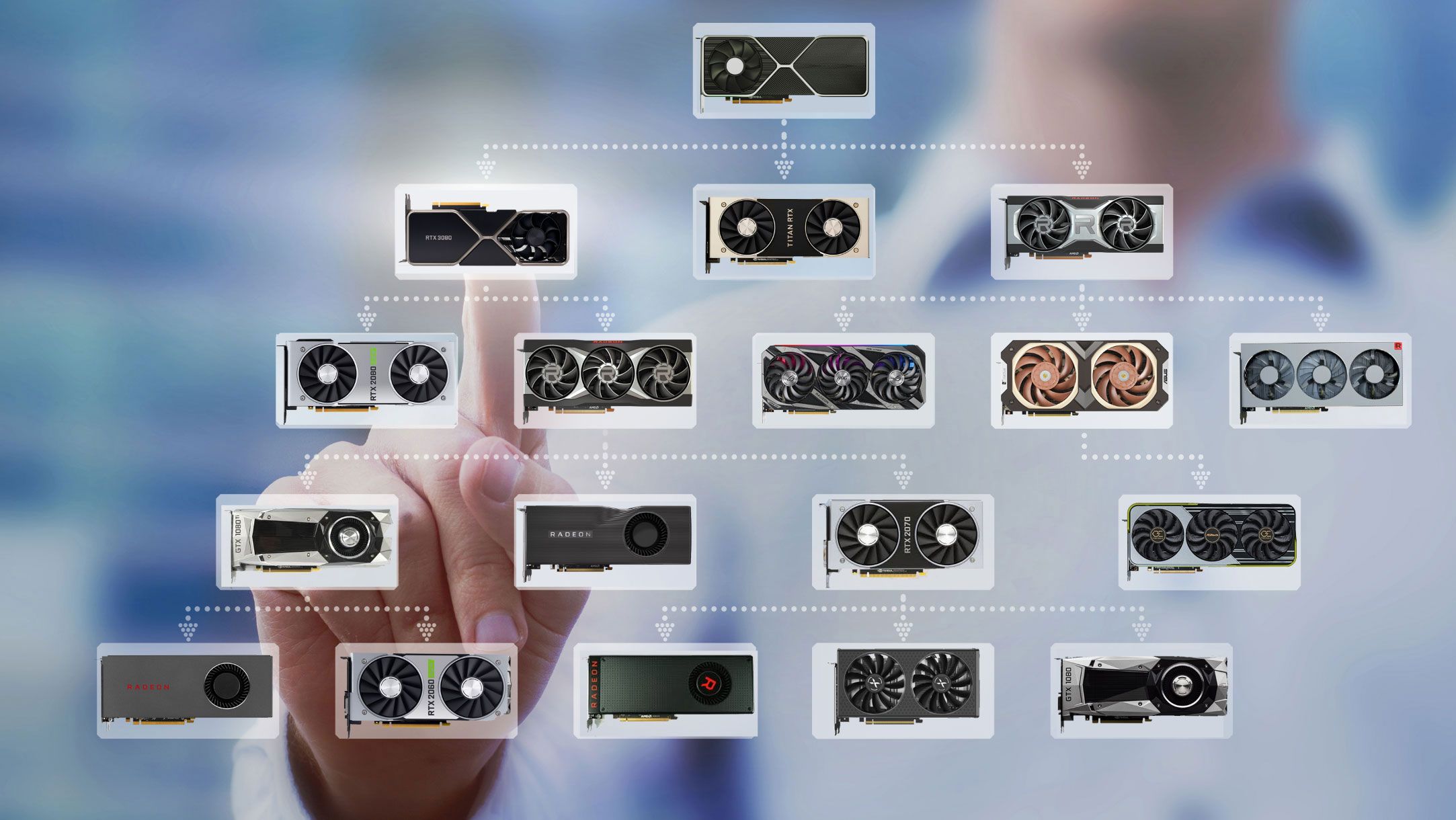
Image: tomshardware.com
AMD reportedly follows Nvidia into another GPU price rise
The strongest signal for PC gamers planning a 2026 upgrade is no longer a single expensive flagship listing. Multiple reports now point to both major discrete GPU vendors raising the cost of graphics card kits sold to board partners, with AMD reportedly moving after Nvidia’s own increase.
Rock Paper Shotgun, citing a report shared by Korean PC hardware watcher Harukaze5719, says AMD is raising what it charges partners for graphics cards by 10 percent. Eurogamer reports the same claim as “at least 10 percent” across AMD products, with the increase said to take effect from the beginning of August. Harukaze5719’s post, as quoted by Eurogamer, said AMD had waited for Nvidia to move first in order to avoid weakening its price competitiveness during a period of demand pressure.
Nvidia’s side of the story is also reported rather than officially published. Rock Paper Shotgun and Eurogamer both point to Taiwan’s Economic Daily News as the source for a reported Nvidia graphics card price hike of up to 30 percent, while TechPowerUp describes a possible 20 to 30 percent increase for RTX 50-series cards in 2026. Tech Insider, drawing on reports from BenchLife, Wccftech and other market trackers, frames Nvidia’s move as an increase to GPU-and-memory kit pricing for GDDR6 and GDDR7 cards.
The important caveat is that neither AMD nor Nvidia has published an official consumer-facing retail price sheet confirming exact new MSRPs in the source material provided. This is a reported supply-chain and partner-pricing story, not a formal launch-price announcement. For buyers, though, that distinction may not feel comforting. If board partners pay more for GPU-and-memory kits, retail shelves usually become the pressure valve unless manufacturers, distributors or retailers absorb the hit.
The shortage is in memory, not gaming demand
The throughline across the reports is the same: AI data centers are consuming memory supply at a scale the gaming market cannot easily compete with. Eurogamer attributes the current pressure primarily to component demand from AI data centers and the lucrative deals those companies are making to secure stock. Rock Paper Shotgun similarly identifies AI data centers as the driving force behind the memory crisis affecting RAM and graphics cards.
PC Game Check explains the hardware bottleneck in practical terms. Nvidia’s RTX 50 series uses GDDR7, while AMD’s Radeon RX 9000 cards use GDDR6, and both depend on memory produced by companies that are also supplying the AI server market. The outlet names Samsung, SK Hynix and Micron as the key suppliers, and says capacity is being directed toward high-bandwidth memory for AI accelerators because it is more profitable than the memory used in consumer graphics cards.
That helps explain why GPU price hikes 2026 feel different from a simple demand spike among gamers. In a normal cycle, weak consumer demand can force discounts, bundles and inventory clearing. Eurogamer’s report says Harukaze5719’s analysis specifically cited a “weak recovery phase in the consumer graphics card market,” “high price sensitivity at the end-user level,” and existing inventory that still needs to be digested. In other words, the reported AMD graphics card price rise and Nvidia GPU price increase are arriving in a market where gamers are already cautious, but the component cost problem sits upstream of the customer.
Rock Paper Shotgun also notes a US lawsuit accusing Samsung, SK Hynix and Micron of worsening the RAM crisis by fixing memory prices and supply. That is an accusation reported in connection with the shortage, not a settled finding in the provided material. The confirmed part for shoppers is narrower: memory-dependent hardware is becoming more expensive, and several outlets tie the pressure to AI-driven demand for DRAM, GDDR and related memory capacity.
Kit pricing makes the increase harder to dodge
One detail from Tech Insider is especially relevant for anyone hoping to avoid the increase by switching from one board brand to another. The outlet says Nvidia and AMD sell board partners GPU-and-memory “kits,” rather than simply selling bare graphics processors while allowing ASUS, MSI, Gigabyte, Zotac and others to source memory independently. Under that model, a card maker has limited room to escape a memory-cost increase by shopping for cheaper GDDR elsewhere.
That structure matters because PC gamers often treat board brands as a competitive escape hatch. If one RTX or Radeon model goes up, the instinct is to look for a cheaper cooler design, a smaller factory overclock, a different retailer or a less famous manufacturer. Those tactics can still save money at the margins. They do not remove the base cost if the GPU and memory package itself has become more expensive before the card is assembled and boxed.
The exact timing is less clean across the provided sources. Eurogamer says AMD’s reported increase would take effect from the beginning of August. Tech Insider says TrendForce reported AMD had already raised GPU-and-memory kit prices by roughly 10 percent for add-in-board partners, effective in July. That conflict likely reflects different reported implementation dates, regions, product categories or sourcing chains, but the source material does not resolve it. The responsible read is that AMD partner costs were reported to be rising around July and August, while Nvidia’s reported 20 to 30 percent move landed in the same broader window.
For a PC gaming GPU upgrade 2026 plan, the useful conclusion is not that every card will instantly become 10, 20 or 30 percent more expensive at checkout. Retail pricing depends on old inventory, regional stock, retailer margin, rebates, currency, import costs and whether partners decide to absorb part of the increase. The risk is that the replacement cost of new stock is higher, so discounted existing stock becomes more valuable and may disappear faster.
Retail signs already point to pain in the midrange
The reports include early retail signals, although they are strongest for specific markets rather than universal global pricing. Tech Insider says market-tracking reports showed RTX 5070 Ti listings in China rising 21.8 percent and RTX 5070 listings climbing 16.2 percent within a 24-hour period on July 25 and 26. The same outlet says RTX 5060 listings reportedly rose by $75 overnight. Those figures should be treated as market-tracking reports, not official Nvidia pricing.
That distinction matters for PC gamers because the midrange is where upgrade strategy usually lives. A flagship buyer may already expect painful premiums, but the RTX 5060, RTX 5070, Radeon RX 9000 midrange and their board-partner variants are the cards that determine whether a five-year-old PC gets a clean 1080p or 1440p refresh. If memory costs push those tiers upward, the gamer most exposed is not the showcase builder chasing an RTX 5090. It is the player trying to replace an aging GPU without also replacing the power supply, case airflow plan and monitor.
Tech Insider’s separate July 2026 GPU pricing analysis gives a picture of how stretched the high end has already become, reporting RTX 5090 retail pricing at about $4,329 on Amazon in early July, with premium add-in-board listings above $5,000. It also cites PCPriceWatch data putting the RTX 5090 median price at $2,150 in June 2026, up from $1,641 in January. Those numbers are not perfectly aligned because they describe different measures and listing sets, but both indicate a flagship market well above launch-era expectations.
The strategic read is that high-end prices can distort the whole ladder beneath them. If the top card stays inflated, a lower-tier card can look “reasonable” even after its own increase. That is how a market quietly redefines value: the anchor moves first, then yesterday’s bad deal becomes today’s tolerable one.
Lower VRAM cards could return at the worst possible time
One possible industry response to the AI memory shortage GPU prices problem is to ship cards with less VRAM. Rock Paper Shotgun points to leaks reported by Digital Foundry suggesting AMD Radeon RX 9050 cards with 4GB of VRAM could appear on the market. Digital Foundry’s quoted assessment is blunt: it has previously marked down graphics cards for shipping with 8GB or 10GB because many modern games do not scale gracefully to lower VRAM systems, so a budget-class card with 4GB is concerning even if aimed at internal resolutions of 1080p or below.
This part remains in leak territory. The provided sources do not include an official AMD announcement for a 4GB Radeon RX 9050, nor confirmed pricing, region, performance targets or launch date. Still, the direction is worth watching because it reveals one likely pressure-release valve. If memory is the expensive constraint, manufacturers can protect entry-level price points by reducing memory capacity, narrowing memory buses, reviving older memory types or segmenting products more aggressively.
For gamers, that creates a trap. A cheaper 4GB or low-VRAM card may look like the only sane response to rising prices, but VRAM limits tend to age badly in new releases with large textures, heavy ray tracing memory demands and open-world streaming. The sources do not provide game-by-game benchmarks for these rumored cards, so the safe guidance is principle-based: do not judge a 2026 budget GPU purely by the brand name or model number. Check independent benchmarks, actual VRAM behavior in the games you play, and whether the card is relying on reduced settings or upscaling to stay smooth.
Tom’s Hardware’s required benchmark hierarchy image is useful in that broader buying process because GPU model names alone rarely tell the whole story. In a rising-price market, performance per dollar becomes the key stat, but capacity and frame-time stability matter as much as average FPS if memory is the bottleneck.
The upgrade playbook for 2026 is about timing and acceptable risk
If your current GPU is failing, the reports argue against waiting for an easy correction in the near term. Eurogamer describes the pricing crisis as far from over and notes that the effect is also being felt in console gaming, with Nintendo, Sony and Microsoft having raised console prices after launch and warning of possible future increases. That broader hardware pressure does not prove every graphics card will keep rising, but it weakens the old assumption that waiting six months always produces a cleaner deal.
If your current PC still meets your needs, patience remains valuable, but the goal should change. Waiting for a return to old MSRPs may be less realistic than waiting for a specific card to fall into a personally acceptable price bracket. Track the exact models you would buy, not the category as a whole. A broad Nvidia GPU price increase or AMD graphics card price rise can hide pockets of value in older stock, open-box units, regional promotions or cards that retailers need to clear before new shipments arrive at higher replacement costs.
The safest 2026 upgrade plan is to decide your performance target before looking at inflated shelves. A 1080p esports player, a 1440p RPG player and a 4K ray tracing enthusiast are not shopping in the same economy, even when all three are hit by the same memory shortage. If you mainly play lighter competitive games, an older or lower-tier GPU may still be rational. If you want new AAA releases at high textures, be cautious about low-VRAM bargains. If you are buying for 4K, the reported high-end inflation means you should treat the GPU as a long-term platform purchase rather than an impulse swap.
Also separate confirmed retail reality from rumor. Confirmed in the source material: multiple outlets report AMD and Nvidia partner-cost increases tied to memory pressure, AI data centers are identified as the main demand driver, and retail listings in some markets have already moved sharply. Unconfirmed or unresolved: exact official MSRP changes from AMD and Nvidia, the final consumer impact by region, and whether rumored low-VRAM Radeon models will launch as described.
In strategy terms, the 2026 PC hardware meta has shifted from chasing the newest generation by default to defending value against component scarcity. The winning move is less glamorous: set a hard ceiling, watch real sale prices, avoid memory-starved cards for demanding games, and upgrade when the card in front of you meets your needs rather than when a vendor roadmap says the cycle should be favorable.