
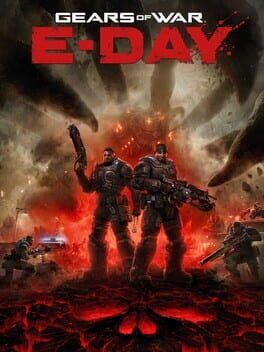
The Coalition says Gears of War: E-Day login failures, disconnects, and service disruptions were caused by DDoS attacks. Here is what is confirmed, what remains unclear, and what players should watch next.
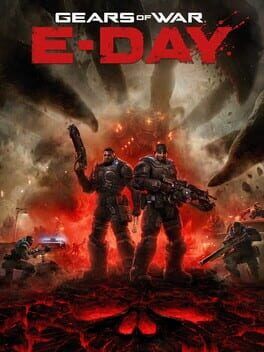
Image: IGDB
Store links: Gears of War: E-Day on Steam
The Coalition confirms DDoS attacks behind E-Day login failures
The strongest confirmed fact is also the most important one for players trying to get into matches or even start the campaign: The Coalition says Gears of War: E-Day’s online services were targeted by distributed denial-of-service attacks, causing intermittent disconnects, login issues, and other service disruptions.
The statement came through the Gears Community X account, according to Eurogamer, IGN, TheGamer, Kotaku, and DayOne. The studio said some players had experienced disconnects, login issues, or broader service problems earlier in the day, and attributed those issues to DDoS attacks targeting its online services. The Coalition added that its teams were continuing to monitor and mitigate the activity, with further updates promised if there were significant changes.
That confirmation matters because Gears of War E-Day server issues are not being framed by the developer as a normal launch-capacity problem, a patch-side bug, or a vague matchmaking wobble. A DDoS attack is an outside attempt to flood online services with traffic so legitimate players have a harder time connecting. Kotaku describes this kind of attack as a brute-force disruption that overloads servers with requests until real access becomes difficult or impossible.
For players, the effect is the same regardless of the cause: failed logins, queues, disconnects, and a game that can feel broken before the first shot is fired. The difference is in the fix. If the problem is a targeted attack, stability can improve quickly once mitigation catches up, but it can also fluctuate if the attack continues or changes shape.
Xbox Support says service returned to normal, but the studio is still watching it
Xbox Support later said service for Gears of War: E-Day was back to normal, according to Eurogamer and TheGamer. Eurogamer also notes that Xbox Support shared a link for tracking support updates related to the case. That is the practical place to start before reinstalling the game, clearing storage, or assuming your local network is the problem.
The timeline was messy, which is common during live service disruption. Eurogamer reports that the login issues were first mentioned the previous day, after players ran into extended wait times and outages. A later Gears Community update indicated the problems had apparently been resolved, but Eurogamer notes that many comments from players suggested issues remained. The later DDoS confirmation explains why the situation may have looked fixed for some players while others were still hitting the wall.
That distinction is useful if you are searching for Gears of War E-Day login problems right now. A status message saying service has returned to normal does not guarantee every individual session will be clean immediately. It means the platform holder is no longer reporting an active broad outage at that moment. If you still cannot connect, check Xbox Support and the Gears Community feed first, then restart the game and your platform. If the official channels are quiet and the issue persists only for you, then it becomes more reasonable to troubleshoot your own connection.
The campaign impact is the part players will feel hardest
The biggest player-facing frustration is that the outage reportedly affected access beyond competitive or co-op sessions. Eurogamer says the login issues caused extended wait times and server outages, apparently rendering the game unplayable even for players who wanted to play the campaign. TheGamer similarly reports that players trying to play the campaign offline were affected, and used the outage to point toward the broader issue of single-player access depending on an online connection.
That is where a shooter launch gets ugly fast. Multiplayer players expect some server turbulence in a fresh launch window, especially for a major Microsoft release with a big audience across Xbox and PC. But when login infrastructure blocks a campaign run, the problem moves from matchmaking annoyance to basic ownership and access. You are no longer waiting on a lobby. You are waiting on authentication before you can play anything.
The provided sources do not include a technical breakdown from The Coalition explaining exactly which E-Day modes require an online check, whether offline access can be changed, or whether the campaign lockout was a temporary side effect of the service disruption. So the confirmed point is narrower: multiple outlets reported that campaign access was affected during the disruption, while the developer’s public statement attributed the broader service failures to DDoS attacks against online services.
For now, players should treat campaign access as tied closely enough to online service health that official status updates matter even if they have no interest in PvP. If Gears E-Day servers are down again, do not assume the campaign will be isolated from the outage unless The Coalition says so explicitly.
This was a server problem before it was a gameplay problem
From a shooter player’s perspective, it is important to separate server access from match quality. The confirmed Gears of War E-Day DDoS issue concerns online services, login failures, disconnects, and disruptions. The source material does not establish that E-Day’s weapon balance, hit registration, map flow, tick rate, or moment-to-moment netcode caused this incident.
That does not make the disruption harmless. For a cover shooter, rhythm is everything. If a player cannot hold a session, stay connected through a firefight, or trust that the game will remain available long enough for a campaign chapter or multiplayer run, the launch window loses momentum. Players judge gunfeel and pacing only after the front door opens.
DDoS mitigation can stabilize a service without changing the game client. That is good news if the attack is the main driver. It means players may see improvement without waiting for a traditional title update. But it also means there may not be a satisfying patch note that says the problem is gone forever. The Coalition’s wording, as quoted by multiple outlets, says the team is monitoring and mitigating the activity. That language signals active defense rather than a permanent postmortem.
If you are deciding whether to jump in during the first days, the practical read is simple: wait for a clean stretch of official status updates if your time is limited, especially if you are planning co-op or a long campaign session. If you are already installed, check the support feed before blaming your squad, your router, or cross-platform play.
Speculation around motive is unconfirmed and should stay in that lane
Several outlets mention speculation about why Gears of War: E-Day may have been targeted, but none of the provided source material confirms a motive. IGN says there is online speculation, including claims tied to an alleged vendetta against the game for being “woke,” while also stating there may be no overarching reason behind the attack at all. TheGamer also floats possible connections to review-bombing complaints and Game Pass-related sales discussion, but those remain speculation. Kotaku lists broader hostility toward Microsoft among possible explanations, but does not present a confirmed motive either.
The confirmed story is narrower and cleaner: The Coalition said DDoS attacks targeted Gears of War: E-Day’s online services, and Xbox Support later said service had returned to normal. Anything beyond that is interpretation until the developer, Microsoft, law enforcement, or another authoritative party provides evidence.
There is also business context around E-Day’s launch, but it should not be treated as proof of motive. IGN cites Alinea Analytics’ Rhys Elliott reporting an estimated 230,000 copies sold in the first week, while noting those figures are unofficial and not backed by Microsoft data. Kotaku’s provided text references different estimated figures and also says Game Pass may complicate the sales picture by putting many players into the game through subscription access. Because these are estimates, and because Microsoft has not provided official sales data in the supplied sources, they belong in the background rather than at the center of the outage explanation.
Reception is also mixed depending on where you look. Eurogamer says its review awarded Gears of War: E-Day four stars, while IGN notes that E-Day has a “mostly positive” Steam user review rating. Those datapoints show the game entered this server incident with real player and critical attention, but they do not explain who attacked the servers or why.
What players should watch before the next session
The next useful signals are official, not anecdotal. Watch the Gears Community account for updates from The Coalition and Xbox Support for service status. Eurogamer reports that Xbox Support shared a tracking link for this case, which makes it the better first stop than a comment thread full of mixed regional reports.
Players should also watch whether The Coalition gives a fuller explanation of mode access. The unresolved question is not only whether Gears E-Day servers are down at any given moment. It is whether campaign access can remain playable during future service disruption, and whether the studio plans to communicate any changes to online requirements. The current source material confirms the outage and the DDoS cause, but it does not confirm a planned offline-access fix or policy change.
There is a platform wrinkle in the reporting as well. IGN describes Gears of War: E-Day as an Xbox Series X and S and PC game and says it skipped a PS5 release. TheGamer calls it an Xbox console exclusive. Eurogamer’s page metadata in the provided source lists PC, PS5, and Xbox Series X/S. The DDoS statement itself, as quoted across outlets, is about online services rather than platform availability, so players should rely on their storefront and official Xbox or Gears channels for the current platform picture.
For now, the safest read is that E-Day’s first major live problem has an identified external cause and an official status improvement, but not a full technical autopsy. If you hit Gears of War E-Day login problems again, check official status first, avoid drastic local fixes unless the outage is clearly over, and assume stability may remain under observation while The Coalition continues mitigation.