
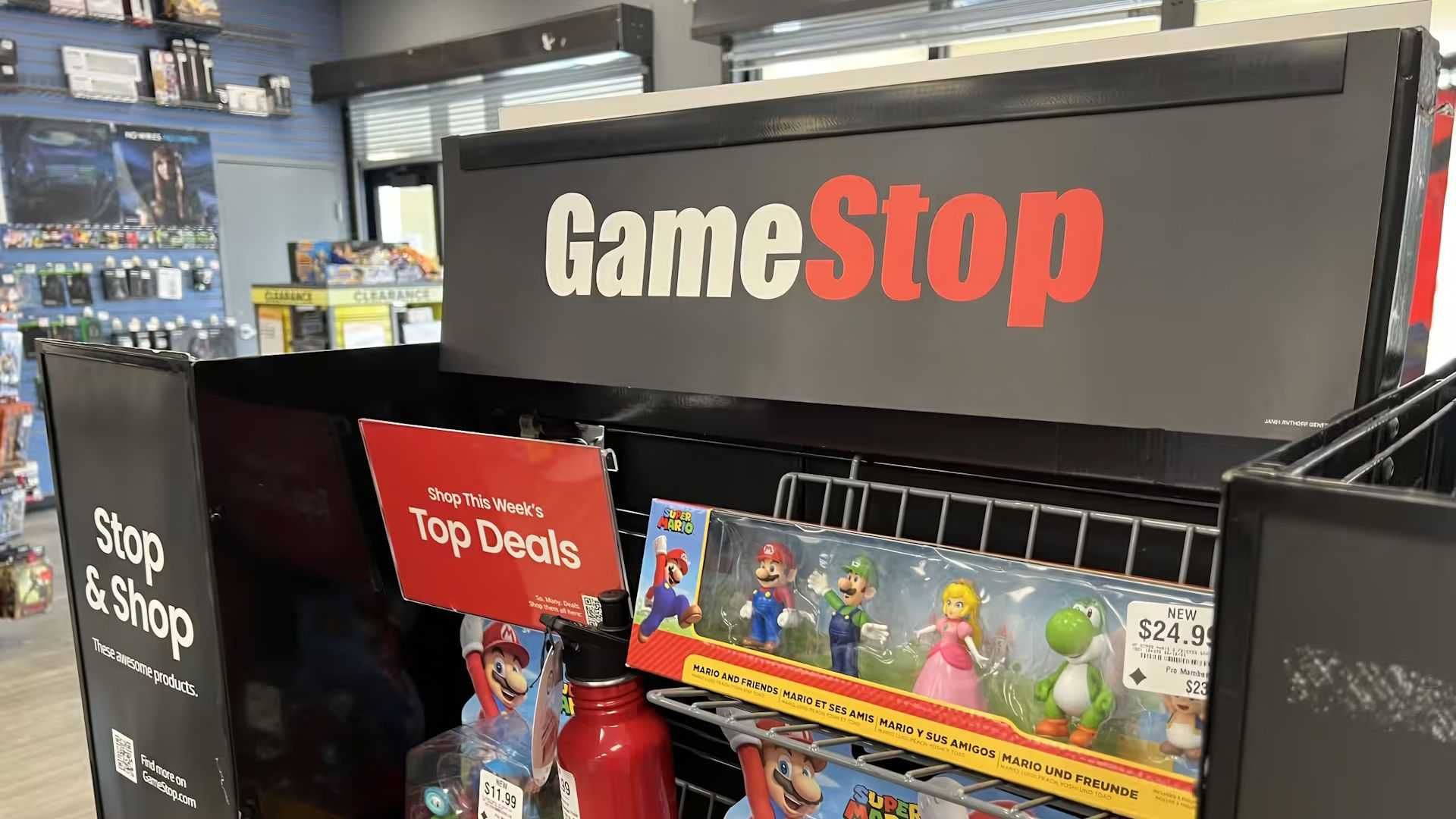

Ryan Cohen says GameStop physical games and software sales are now a small slice of the retailer, landing just as Sony disc games face a 2028 cutoff.
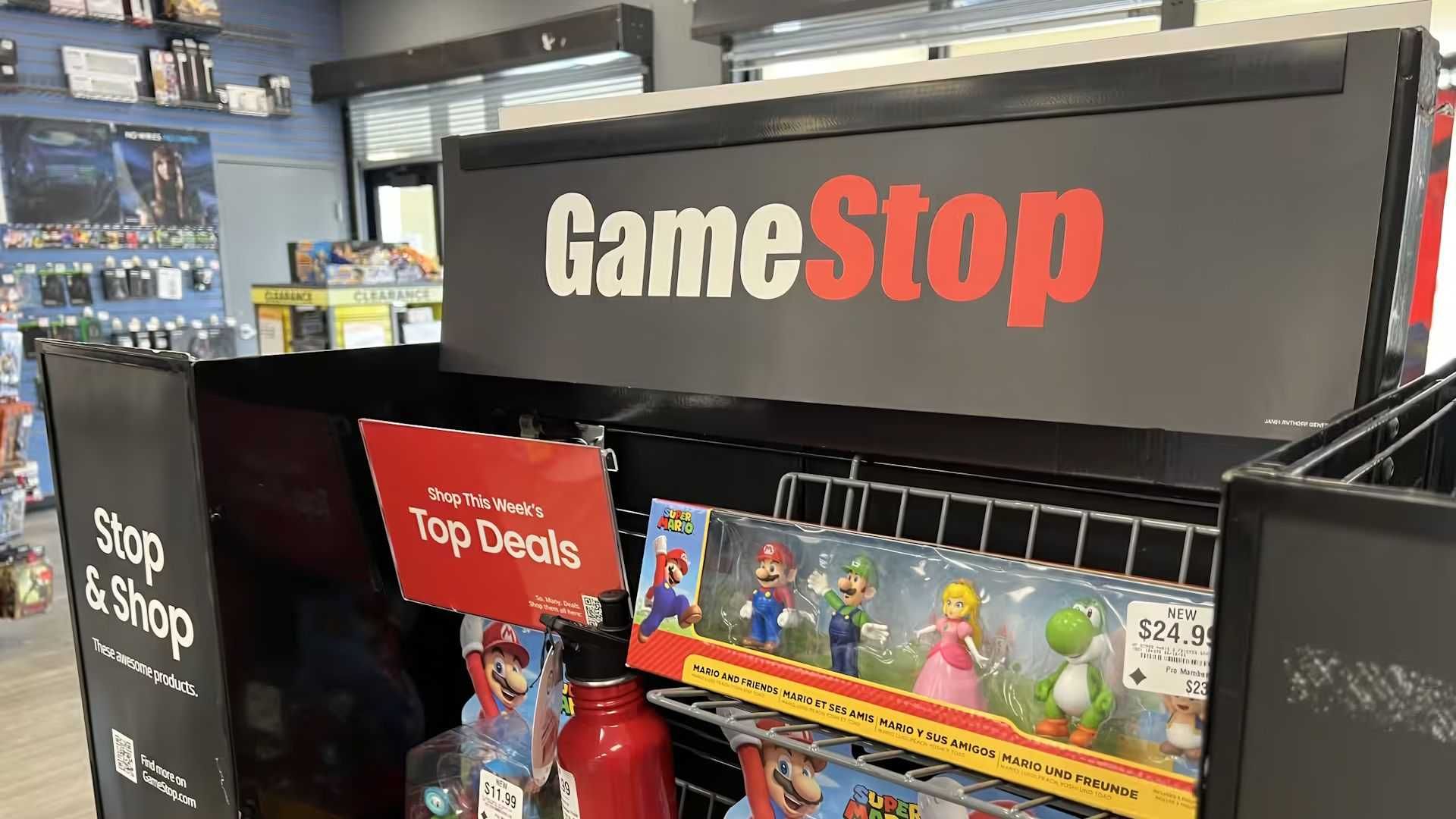
Image: gamerant.com
GameStop’s boss says software is no longer the main fight
GameStop CEO Ryan Cohen says video game software now makes up “less than 12%” of the company’s business, a stark comment from the head of a retailer whose name is still welded to boxed games in the public imagination. In a Bloomberg Tech interview cited by Nintendo Life, IGN, Insider Gaming, and other outlets, Cohen was asked how GameStop fits into a console market moving toward disc-less hardware and digital-only launches. His answer was blunt: “It doesn’t matter. It doesn’t matter at all.”
Cohen’s full explanation, as transcribed by Nintendo Life and Insider Gaming, was that software “mattered in the past,” but today accounts for less than 12% of the business, while collectibles make up “over half.” He concluded that the physical software question is “totally, totally irrelevant” to GameStop’s current plan.
The tension is obvious. For players, GameStop physical games still represent trade-ins, used shelves, preorder pickups, and the last-mile ritual of buying a disc on launch day. For Cohen, the company’s survival story is now paced around collectibles, trading cards, toys, action figures, and a still-rejected attempt to buy eBay. Those are very different versions of the same storefront.
The software number depends on which measure is being cited
The cleanest figure from Cohen’s Bloomberg TV remarks is the “less than 12%” claim, which he tied to software as a share of GameStop’s business. Nintendo Life and Insider Gaming both quote that number directly from the interview.
There is a wrinkle. Push Square reports that “just 18%” of GameStop’s revenue now hinges on software from companies such as Sony, while Kotaku also says GameStop announced earlier this year that game sales accounted for 18% of its revenue. Kotaku adds that trading cards and toys made up 41% of the business. Those figures are not identical to Cohen’s “less than 12%” statement, and the source material does not fully reconcile whether the difference comes from revenue categories, timing, accounting definitions, or Cohen’s broader use of “business.”
What is consistent across the reports is the direction of travel. GameStop’s public identity still points toward boxed software, but the reported mix points elsewhere. Nintendo Life says collectibles are now “over half the business” according to Cohen, and also cites Bloomberg reporting that GameStop posted record-breaking profit for the first quarter of the fiscal year thanks to Pokémon Trading Cards and action figures. In other words, the old trade-in loop has lost center stage inside the company’s own pitch.
Sony’s disc plan turns a business pivot into a player anxiety story
Cohen’s comments landed because they arrived during renewed concern over PlayStation physical discs. Bloomberg’s report, as excerpted in the source material, says Sony Group Corp. announced earlier in July that it will end physical production for new games released on PlayStation in 2028. IGN and Kotaku describe the change as Sony stopping the printing or production of physical game discs for new PlayStation games starting in January 2028. Nintendo Life and Push Square frame it as the end of disc-based physical PlayStation releases by 2028.
That timing matters. If Sony disc games for new releases stop being manufactured in 2028, the question is no longer only whether individual collectors prefer a box on the shelf. It becomes a question about the whole retail chain that used to support console ownership: new copies, used copies, trade credit, lending, resale, gifting, and the practical independence that comes with a playable disc.
Push Square notes that the Sony decision has already drawn a stronger response from trade groups in the UK, citing concerns from groups representing players who value “true ownership.” Cohen’s response runs in the opposite direction. He is not defending discs as a consumer format or mourning the fading spectacle of a midnight launch. He is telling investors and viewers that GameStop has already moved the boss fight to another arena.
Cohen is selling an eBay-sized future, not a game aisle rescue plan
The Bloomberg exchange was tied to GameStop’s larger ambition to buy eBay. The reported value of that offer differs slightly by outlet: Push Square describes GameStop’s intent as a $55 billion acquisition, IGN cites a $55.5 billion bid, and Nintendo Life refers to a $56 billion offer. All agree eBay rejected or rebuffed the proposal.
Cohen has not sounded finished. Nintendo Life reports that he said GameStop is “coming for eBay one way or another,” while declining to comment on whether he would raise the offer. IGN reports that when Cohen was asked about whether Rockstar’s Grand Theft Auto 6 could bring major business to GameStop, he avoided the GTA 6 question and returned to eBay. IGN also reports Cohen discussed a possible future involving live commerce, same-day authentication through GameStop stores, eBay infrastructure, and an “in-game, digital marketplace” if a deal ever happened.
That is the strategic frame behind the “irrelevant” line. Cohen is not saying players have stopped caring about game ownership. He is saying GameStop’s growth story, as he is pitching it, no longer depends on selling or reselling discs. The store becomes a node for collectibles, authentication, trading cards, and marketplace logistics. The games aisle becomes scenery in a larger retail set-piece.
The remark cuts against what players still use GameStop for
The sharp reaction comes from the gap between corporate mix and customer memory. GameStop built its reputation around physical software, especially used games. Push Square notes that the business once revolved around sales of physical games, both new and used. Even if that era has faded financially, it remains the reason many players still read “GameStop” as shorthand for discs, trade-ins, and shelves of console boxes.
Several outlets also point to a long decline in physical retail software. Push Square cites U.S. data showing revenue generated by retail releases has fallen sharply since its 2009 peak. Insider Gaming adds that PC games moved to digital-only years ago, while consoles have remained the major holdout for players who still prefer physical media. That context makes Cohen’s tone feel less like a surprise turn and more like a public admission of a shift that has been happening in slow motion.
For action and adventure players, the stakes are practical. Big cinematic releases used to have a familiar rhythm: preorder, disc pickup, installation, trade-in, and a used copy circulating later for anyone who waited. A disc-less future changes that rhythm. It gives platform holders and publishers more control over pricing, access, and availability. The provided sources do not establish Sony’s full plan for existing physical stock, used PlayStation discs, collector’s editions, or third-party exceptions. They do establish that new PlayStation physical production is reportedly ending in 2028, and that GameStop’s CEO is not positioning the company as a defender of that format.
For buyers, the near-term advice is patience and receipts
Nothing in the source material says GameStop is immediately stopping physical game sales, ending trade-ins, or removing existing discs from stores. Cohen’s comments describe business importance, not a new consumer policy. For now, the practical change players can point to is the reported PlayStation 2028 cutoff for new physical production, plus GameStop’s increasingly public emphasis on collectibles and marketplace ambitions.
If you still buy Sony disc games, the key date to watch is January 2028, as cited by IGN and Kotaku. Until Sony or publishers clarify the finer points, unanswered questions remain around collector’s editions, code-in-box releases, used-game availability, and how long retailers will carry existing stock. The sources also do not say how Xbox or Nintendo will handle comparable physical formats in the same window, beyond Bloomberg Tech’s question referencing hardware makers reportedly moving toward disc-less consoles.
The useful read on Cohen’s remark is not that physical game players have vanished. It is that GameStop no longer sounds willing to build its future around them. The company’s CEO is describing software sales as a small lane in a business now racing toward collectibles, cards, toys, authentication, and eBay-scale marketplace dreams. For anyone worried about PlayStation physical discs, that makes GameStop less of a shield and more of a signal: one of the format’s most recognizable retailers says the old disc economy is no longer where its battle plan lives.