
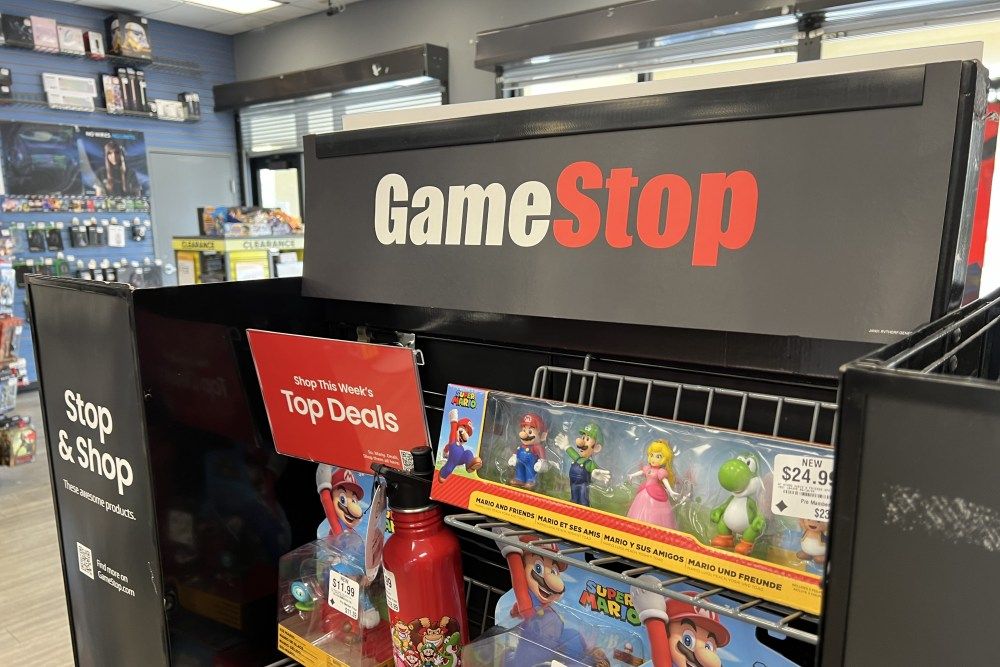

GameStop may shift from a rejected eBay acquisition bid to a partnership built around stores, collectibles, and board influence. Here is how that could reshape its retail strategy.
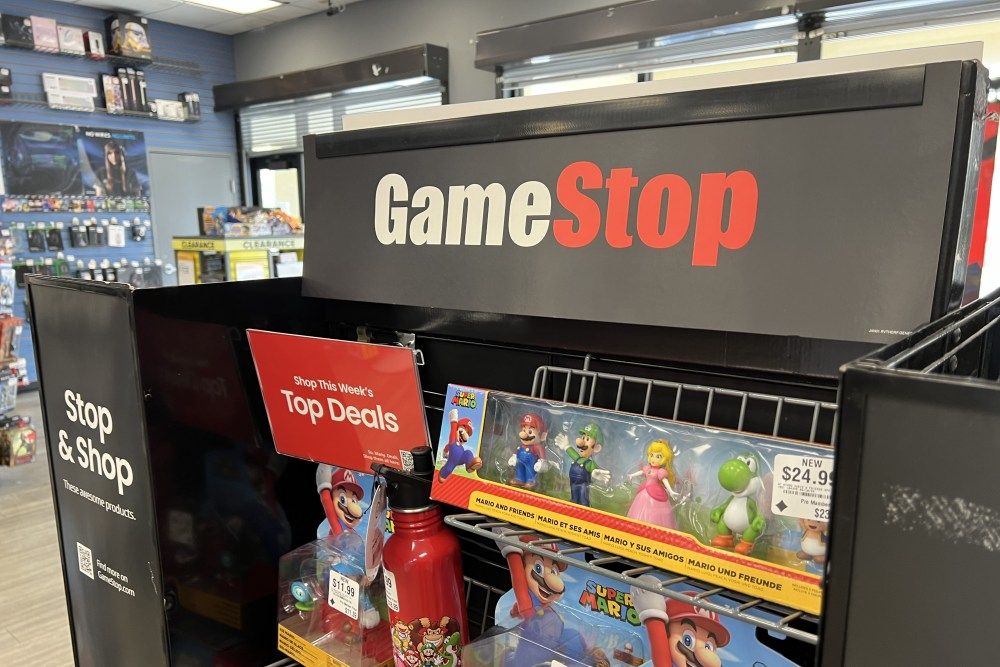
Image: variety.com
GameStop’s eBay bid may be turning into a negotiation for access, not ownership
GameStop CEO Ryan Cohen is reportedly considering pulling back from a $56 billion eBay takeover push and pursuing a partnership or joint venture instead, according to Bloomberg reporting cited by GameSpot, Crypto Briefing, Yahoo Finance, Devdiscourse, and Operation Sports. The shift would come after eBay rejected GameStop’s unsolicited offer, which eBay described as “neither credible nor attractive,” according to GameSpot and Crypto Briefing.
That is the concrete development at the center of the latest GameStop business story: a bid that already looked difficult on financing, valuation, and integration grounds may now become a narrower attempt to combine eBay’s marketplace with GameStop’s roughly 1,600 U.S. stores. The reported partnership concept would give eBay access to GameStop’s retail footprint, with a focus on trading cards, collectibles, and other higher-margin categories. Crypto Briefing and Devdiscourse also report that GameStop could seek a seat or seats on eBay’s board as part of an arrangement.
Nothing has been finalized. Yahoo Finance, citing Bloomberg, says no final decision has been made and Cohen could still pursue other strategic alternatives. Operation Sports notes that eBay has not issued a formal response to the latest partnership proposal. Devdiscourse reports that neither company commented on the development. That leaves the story in an important middle state: the original GameStop acquisition bid has been rejected, the partnership route is reported but unannounced, and the exact structure remains unknown.
The potential walk-back is still consequential. GameStop’s original proposal aimed at control. A GameStop eBay partnership would instead try to extract strategic value from influence, store access, and category overlap without forcing GameStop to finance and integrate a company far larger than itself.
The takeover math created pressure before strategy even entered the room
The reported pivot is easier to understand when the capital stack is placed next to the ambition. GameSpot reports that GameStop’s offer valued eBay at $125 per share, split evenly between cash and GameStop stock. The same report says GameStop had a market capitalization of around $12 billion, while eBay was valued at almost $54 billion. Yahoo Finance puts eBay’s Friday close at $111.98 per share, with an equity market value of about $49.8 billion and an overall valuation close to $54 billion including debt.
Those figures explain why eBay’s rejection focused on credibility as much as price. Crypto Briefing reports that eBay raised concerns about GameStop’s ability to finance the acquisition, the leverage the transaction could add, and the operational risks of integrating the two companies. GameSpot adds that Cohen had said he could secure $20 billion in debt financing from TD Bank, that GameStop had $9 billion in cash available for the deal, and that the remaining cash would come from outside sources, with Middle East sovereign wealth funds reportedly among possible sources.
Even before a partnership became the reported alternative, the bid depended on several moving parts. The cash portion required major financing. The stock portion depended on GameStop’s own share value. Yahoo Finance reports that since the proposal emerged, GameStop shares had fallen approximately 28%, while eBay stock had advanced 7.6%, changing the economics around the original transaction.
That stock movement matters because a half-cash, half-stock bid becomes harder to defend if the buyer’s equity weakens while the target strengthens. In strategy terms, the first plan asked the market to believe GameStop could buy scale, absorb debt, and transform eBay through management changes. The partnership route asks a smaller question: can GameStop convert its eBay stake and store base into bargaining power?
The partnership concept fits GameStop’s physical footprint better than a full takeover
The reported partnership structure centers on GameStop’s U.S. store network. GameSpot, Crypto Briefing, Yahoo Finance, and Devdiscourse all describe a possible arrangement in which eBay could use GameStop’s roughly 1,600 physical locations to expand in categories such as trading cards and collectibles. Yahoo Finance frames that as a way to combine eBay’s online marketplace scale with GameStop’s retail footprint, potentially using stores for services tied to eBay transactions.
That is a more coherent match with GameStop’s current strengths than a full eBay acquisition. GameStop still has physical locations, trade-in familiarity, a gaming customer base, and a retail identity tied to used products and collectibles. eBay has marketplace scale and a long history in physical goods categories, including cards and collectibles. A partnership would let each company test overlap without requiring GameStop to run the entire eBay business.
The collectibles angle is also not incidental. GameSpot reports that Cohen has considered using eBay to sell more collectible items such as trading cards, and that he has spoken about a marketplace for digital gaming items through eBay. The same report quotes Cohen’s view that in-game items are “massive” and that eBay would be a fitting platform for them. Those comments point toward a broader resale thesis: physical cards, physical collectibles, gaming-linked goods, and possibly digital item commerce.
The gap is execution. The sources describe the categories and store access, but they do not confirm how eBay transactions would work inside GameStop locations, whether stores would handle authentication, pickup, drop-off, returns, consignment, live commerce inventory, or seller onboarding. Those details would decide whether a partnership becomes a real retail advantage or a complicated counter service layered onto stores that already face pressure from digital game sales.
GameStop is trying to solve a retail problem that a takeover could make worse
Operation Sports places the reported GameStop acquisition bid in the context of a retailer under long-running pressure from online marketplaces, major retailers, and the shift toward digital game sales. The outlet also notes that GameStop’s used game business faces additional headwinds as more sales move to digital storefronts and as at least one major console maker has reportedly issued notices suggesting physical media for that console is ending.
That context is essential for reading the eBay move as gaming retail news rather than a random corporate swing. GameStop’s historical advantage came from physical game distribution, used game resale, preorders, and store-level customer traffic. As more game spending moves to console storefronts, PC marketplaces, mobile ecosystems, and publisher-owned digital economies, a retailer built around discs has to find new reasons for customers to enter stores.
A full eBay takeover would have been one answer, but it also risked dragging GameStop into a massive integration project outside its core. The reported partnership is a lower-risk attempt to change the store economy. If GameStop locations can become a trusted physical layer for eBay categories, they could gain traffic from collectors, sellers, and buyers who still value inspection, pickup, authentication, or local convenience. If that layer also connects to gaming collectibles, cards, and eventually digital item commerce, it could give GameStop a retail role adjacent to games even as game distribution itself becomes less physical.
The strategic tension is that GameStop needs growth categories, but it also needs discipline. A partnership can be piloted, measured, and expanded. A takeover would require GameStop to win on financing, shareholder persuasion, integration, governance, and operations all at once. Cohen’s reported pivot suggests the company may be looking for the same destination with fewer failure points.
Board influence may be the real prize if GameStop cannot buy eBay
The reported partnership is not only about stores. Crypto Briefing and Devdiscourse report that GameStop could seek board representation at eBay as part of a potential arrangement. Yahoo Finance says GameStop had built a major stake in eBay after initially taking approximately 5%, and that by July 15 it reportedly controlled 9.75% of eBay, making it the second-largest shareholder behind funds managed by Vanguard Group Inc. Operation Sports and Devdiscourse round the stake to 9.8%, while Crypto Briefing gives 9.75% as of July 15.
The difference between 9.75% and 9.8% appears to be rounding across outlets, but the strategic meaning is the same: GameStop is not approaching eBay only as an outside bidder. It is a large shareholder with economic exposure to eBay’s stock and, potentially, a platform to argue for strategic changes.
That changes the negotiation dynamic. If GameStop cannot credibly buy eBay, it can still try to influence how eBay deploys its marketplace, collectibles business, live commerce tools, and physical-world partnerships. GameSpot reports that Cohen previously said he would apply his GameStop playbook by cutting costs and expanding further into live commerce if he succeeded in buying eBay. The outlet notes that eBay already offers eBay Live, where sellers promote products to potential buyers through livestreams.
Board seats would matter because they could turn GameStop from a rejected bidder into an activist-style participant in eBay’s future direction. The sources do not confirm whether eBay would accept that demand, how many seats GameStop wants, or whether board representation would be tied directly to a commercial agreement. For now, the reported ask is a signal of leverage: GameStop may settle for partnership economics, but it appears to want governance influence too.
Investors reacted to uncertainty, not to a signed deal
Market reaction around the reports varies by outlet and timing, which is worth stating clearly rather than forcing a single clean number. Crypto Briefing reported that GameStop shares rose more than 2% ahead of the opening bell after the Bloomberg report. Yahoo Finance’s article page showed GameStop down 0.50% and eBay down 2.98%. Blockonomi reported that eBay shares fell more than 4% to about $107 following reports that GameStop might pull back from the buyout proposal.
Those differences likely reflect different points in the trading day and different quote snapshots. The shared signal is that investors were repricing uncertainty around the original GameStop eBay takeover. A withdrawn or softened bid can pressure the target if the market had assigned value to takeover optionality. It can also support the bidder if investors view a partnership as less financially risky than a debt-heavy acquisition.
For players and collectors, the practical answer is that nothing changes today. There is no announced GameStop eBay partnership, no confirmed in-store eBay program, no published rollout date, no pricing structure, and no confirmed digital gaming item marketplace. The only confirmed business history in the source material is that GameStop made an offer, eBay rejected it, GameStop built a large eBay stake, and multiple outlets citing Bloomberg now report that Cohen is considering a partnership or joint venture instead of pushing the full acquisition.
For anyone watching GameStop business strategy, the next useful signals are specific rather than dramatic: whether GameStop formally withdraws the bid, whether eBay responds to the partnership concept, whether board representation becomes part of negotiations, and whether any pilot program defines how GameStop stores would support eBay transactions. Until then, the smarter read is not that GameStop has abandoned ambition. It may be changing the shape of that ambition from takeover control to negotiated utility.